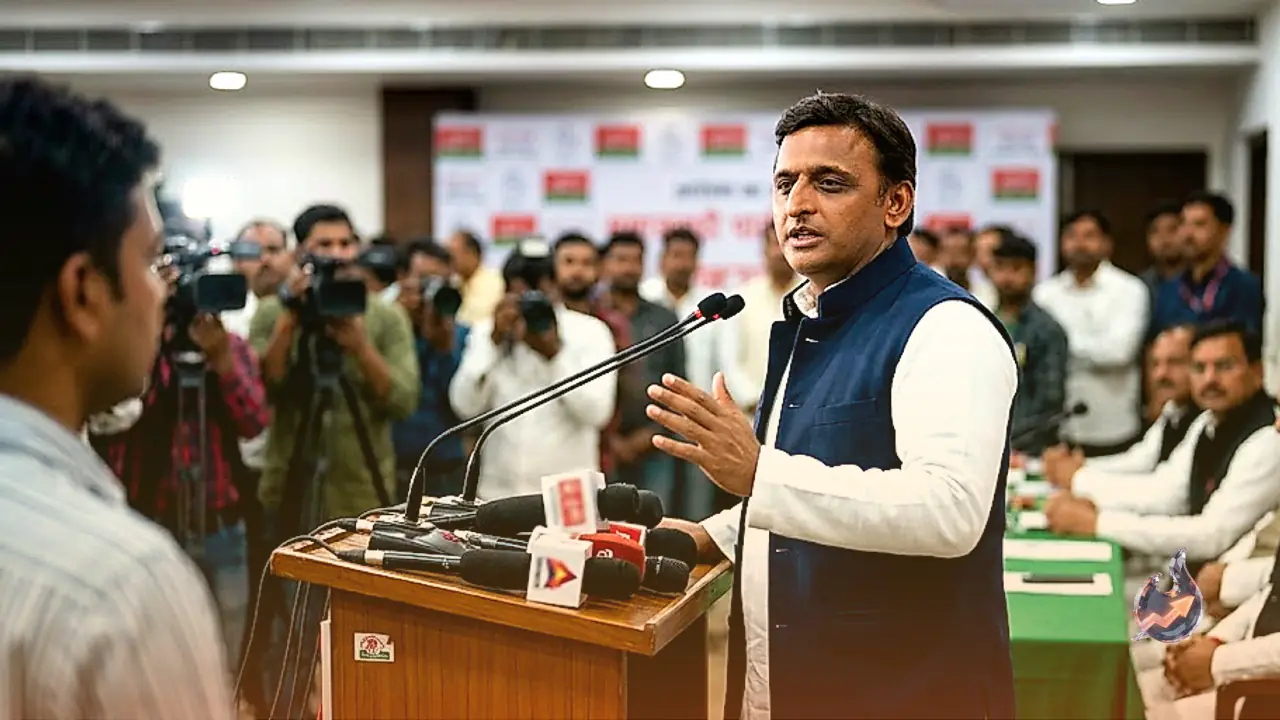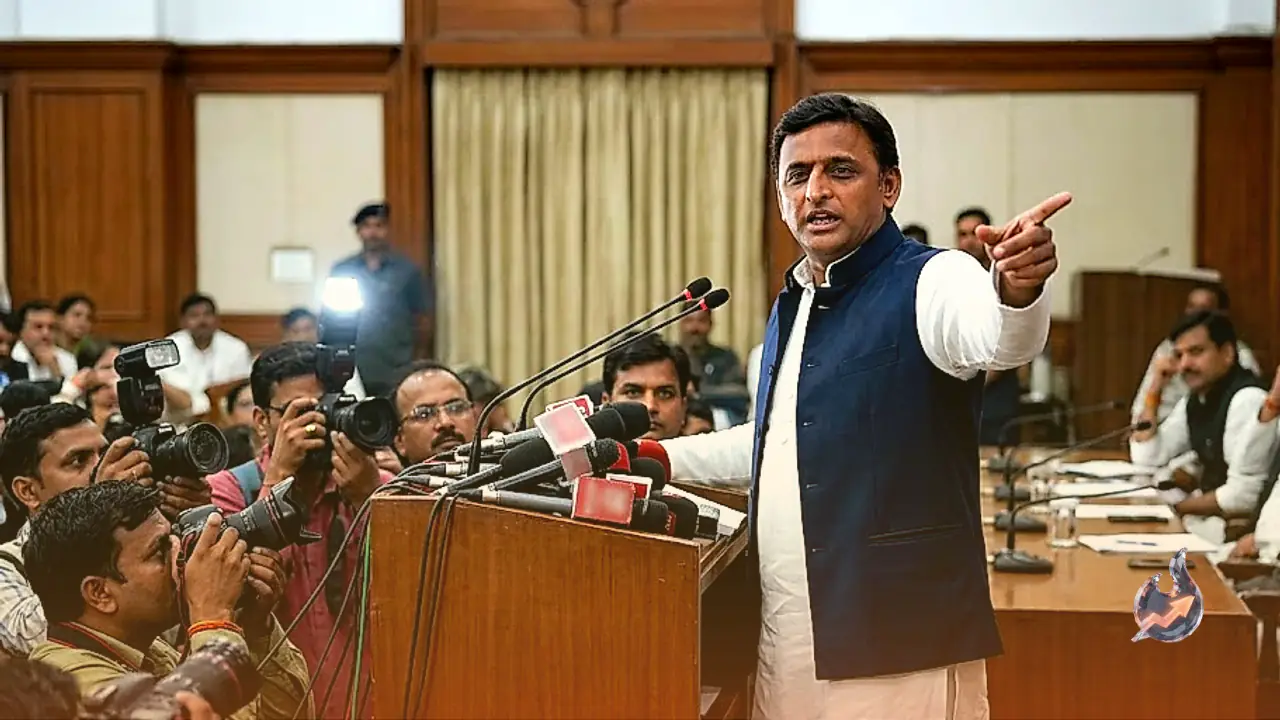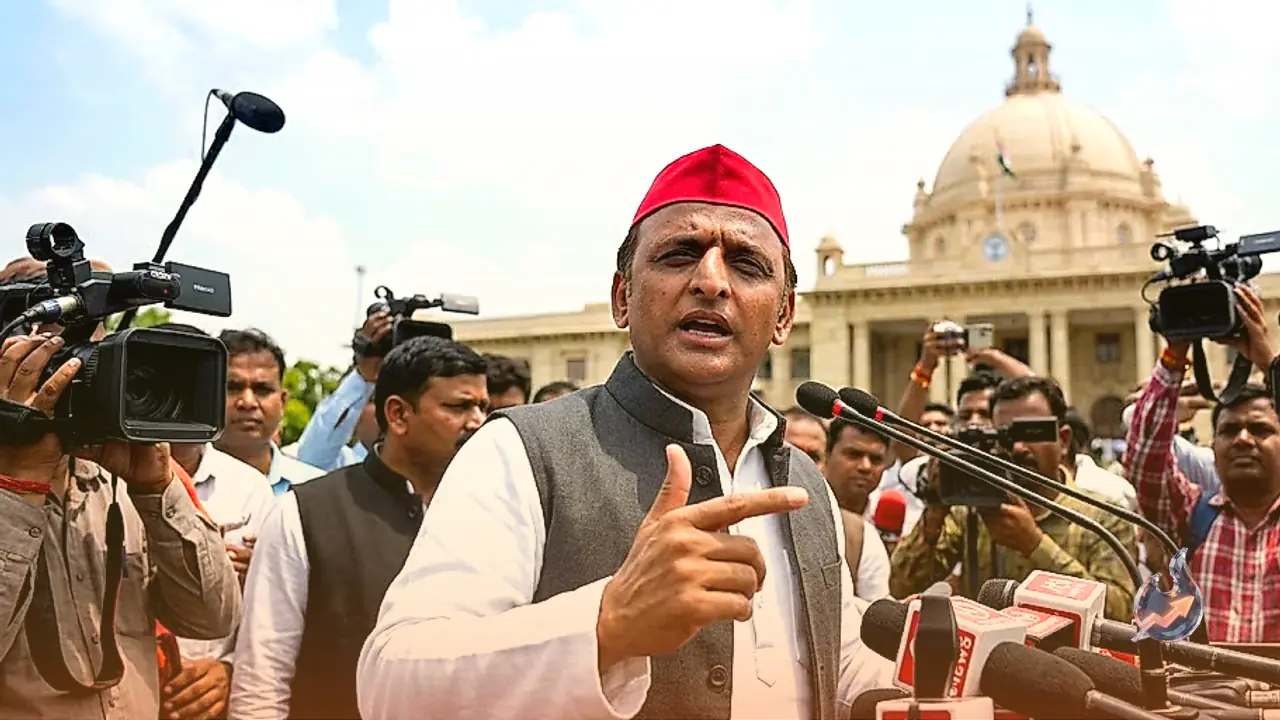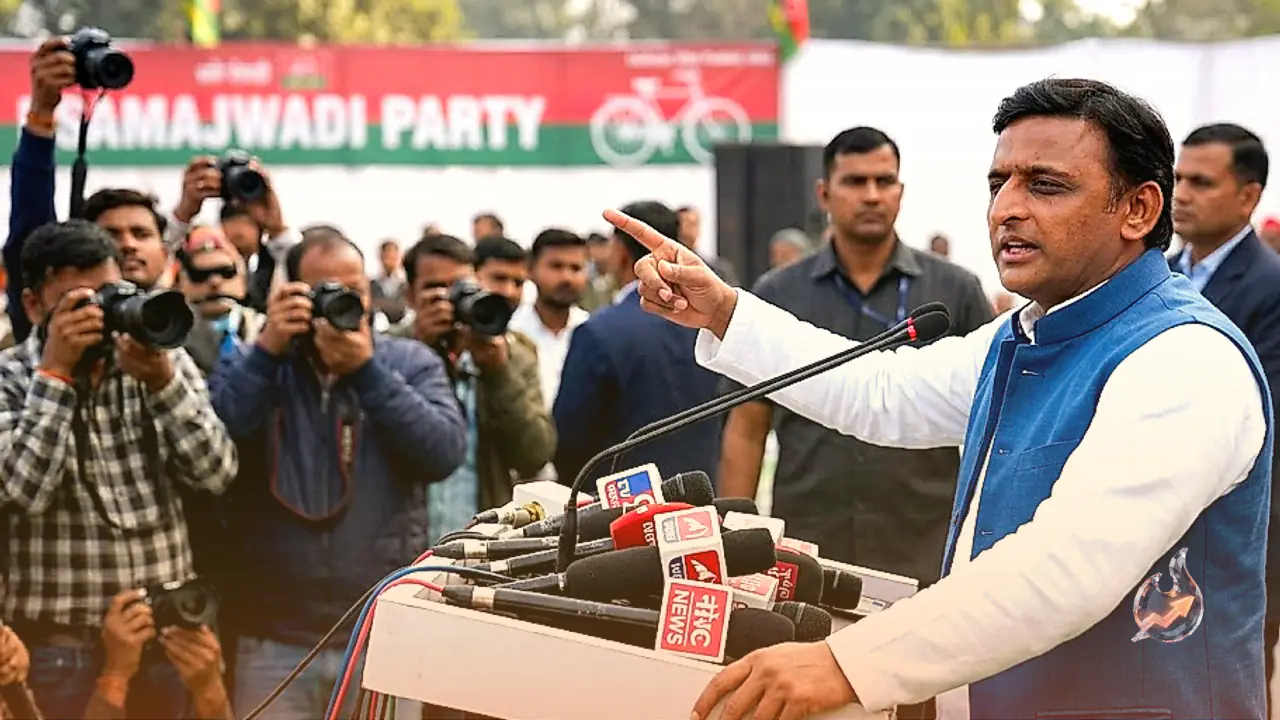




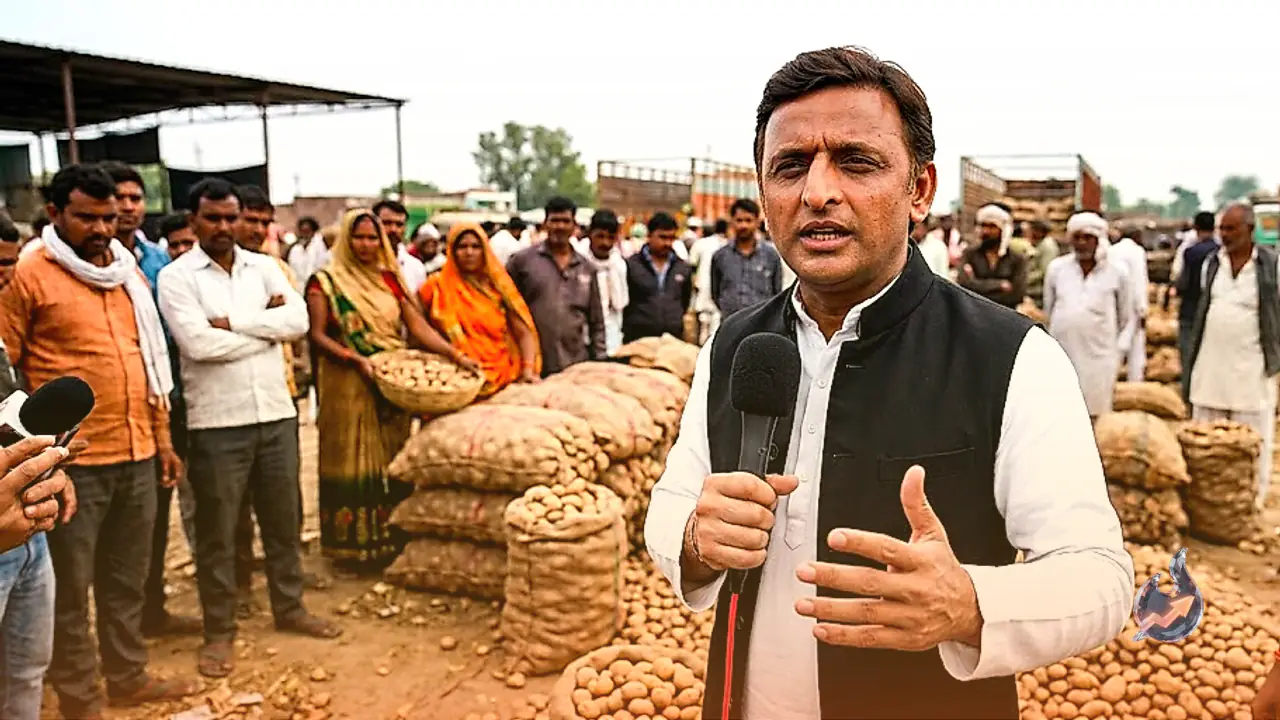
















Falling prices of potatoes and other vegetable crops across Northern India have triggered widespread agricultural distress and ignited a political debate. Highlighting the plight of farmers facing abysmal returns in wholesale markets, Akhilesh Yadav raised sharp questions regarding the state administration's ambitious economic targets. The leader pointed out that when farmers receive as low as Re 1 per kilogram for their produce in mandis, achieving a 1-trillion dollar regional economy remains a stark contradiction.
Political Flashpoint Over Agricultural Collapse
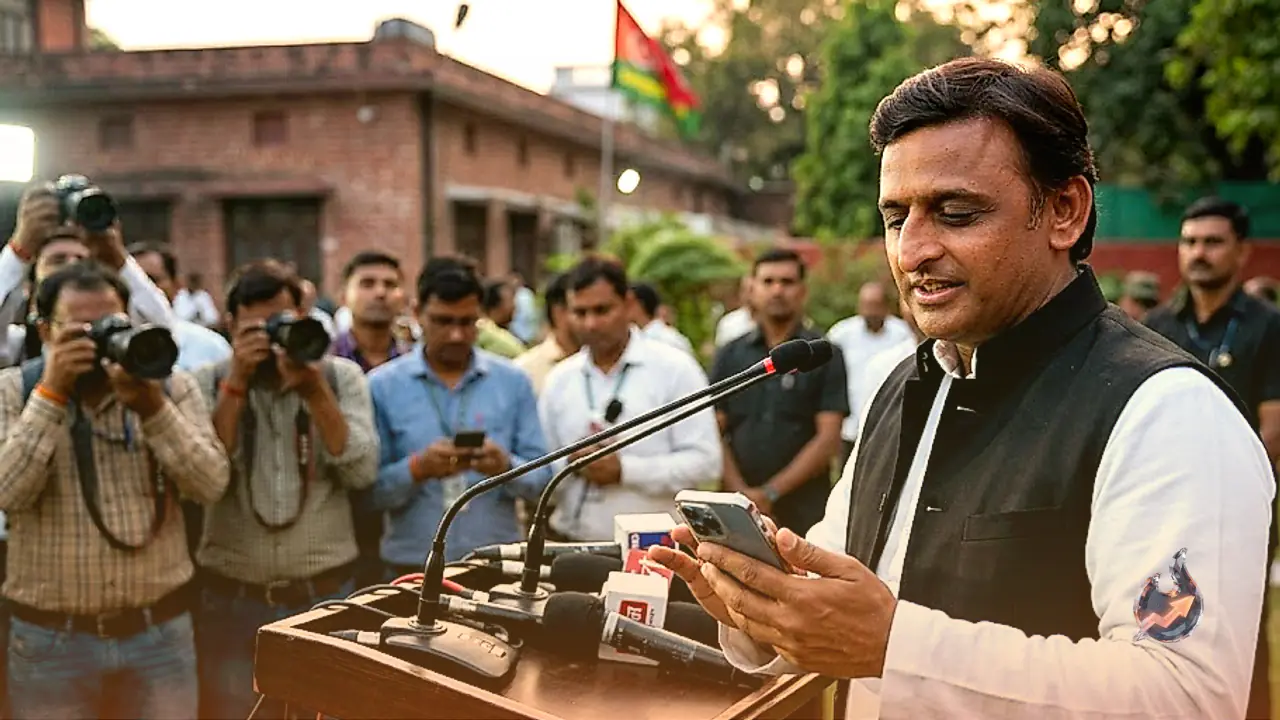
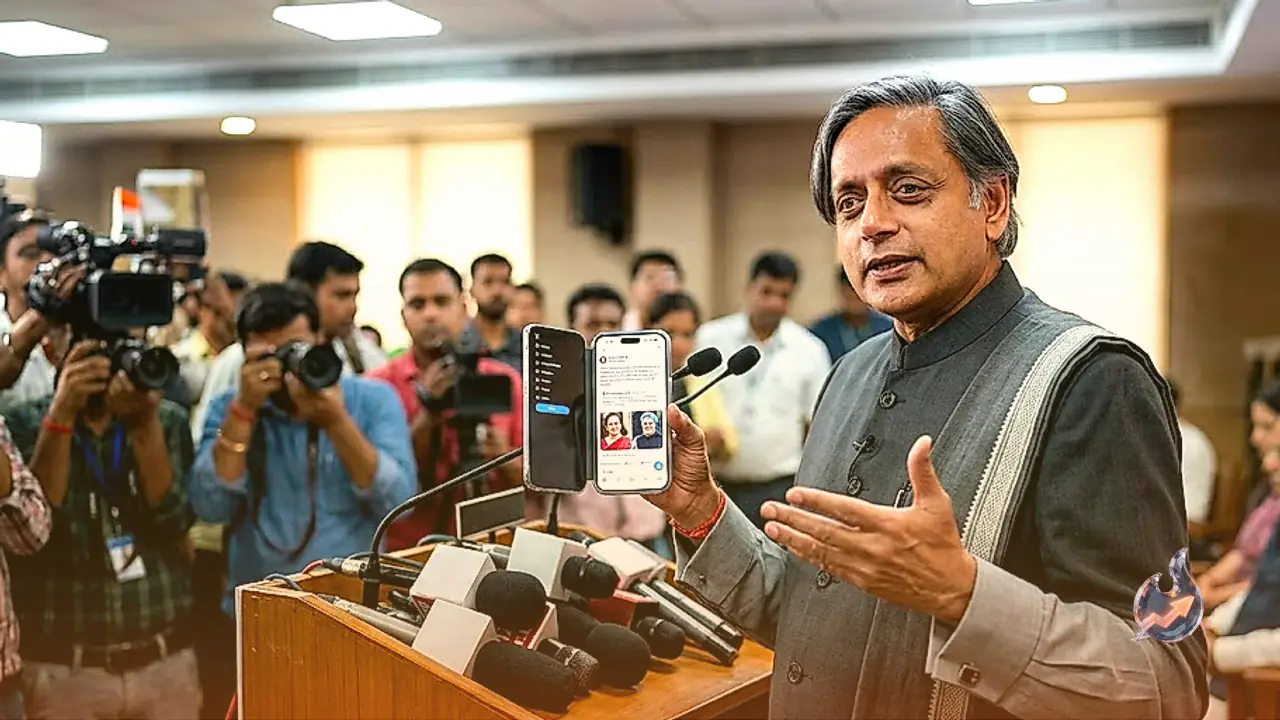
The controversy intensified as agricultural mandis reported historically low wholesale rates. Questioning the governance model on social media platform X, Akhilesh Yadav wrote, "Will a 1 trillion dollar economy be built by paying the farmer Re 1 per kg for potatoes?" He criticized the administration for failing to protect growers, asserting that rural communities are struggling due to ineffective market policies and inadequate price guarantees.
Widening Deficit Between Production Cost and Market Realization
The ground reality for potato cultivators in key producing belts reflects severe financial stress. Cultivating an acre of potatoes requires an investment of over Rs 1 lakh, which translates to an average production cost of around Rs 10 per kilogram. However, wholesale mandi prices have crashed to Rs 300 per quintal, translating to just Rs 3 per kilogram. In regions like Kannauj, opening cold storages caused prices to plummet to Rs 250 per packet, forcing farmers to leave old stocks unattended. Realizing less than Rs 80,000 per acre from sales, growers are unable to service their debts or cover basic field preparation expenses.
Spillover to Other Vegetable Crops Across North India
The pricing crisis extends beyond potato farming to other horticultural commodities. In one instance, a farmer ran a tractor over a standing 12-bigha taro root crop after market offers sank to Rs 10 per kilogram. Farmers in Bihar struggle to find buyers for harvested produce, while the Kirat Kisan Union organized demonstrations outside the Deputy Commissioner's office in Moga, Punjab. Meanwhile, in Haryana, the administration's Bhavantar Bharpayee scheme has been utilized to offset heavy losses during a bumper harvest season. Remarkably, while wholesale rates remain at near-zero levels, end consumers in urban retail markets continue to pay Rs 20 to Rs 50 per kilogram.
Public Reaction
The issue sparked widespread engagement online, with citizens expressing alarm over the drastic price discrepancy between farmers and retail consumers. Many comments demanded immediate price intervention to curb middleman exploitation, while others discussed policy measures necessary to protect rural income.