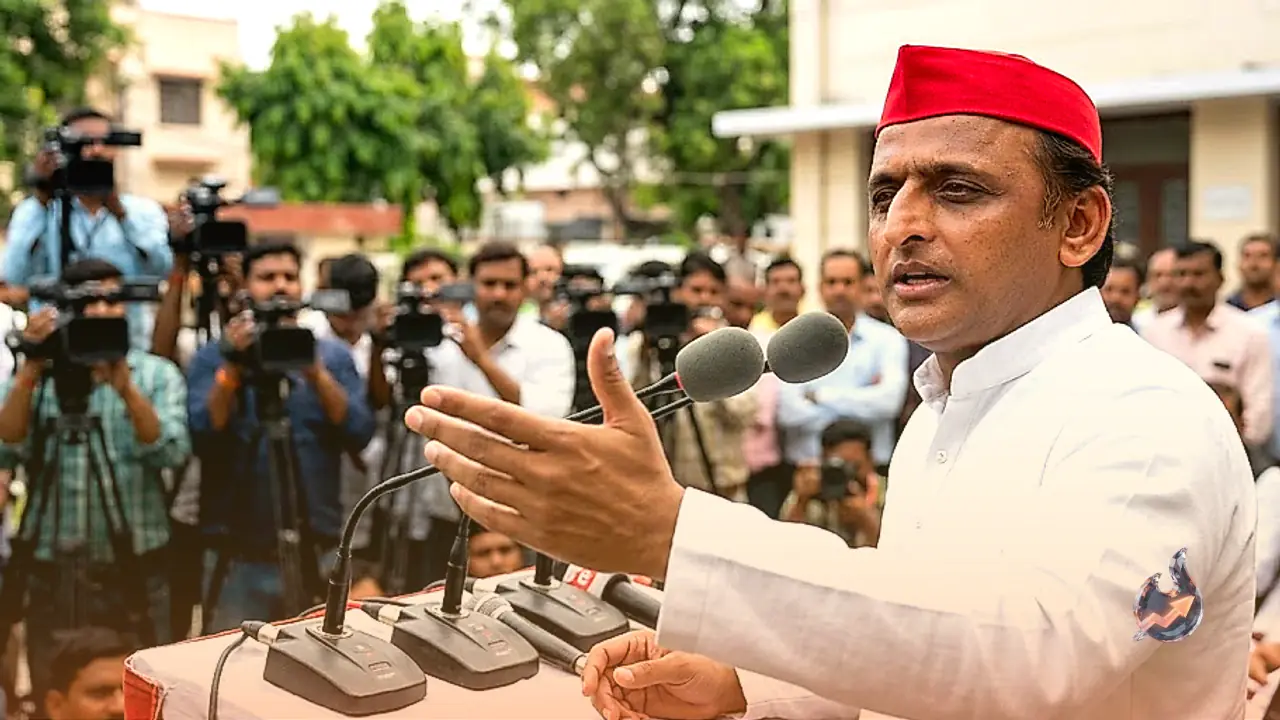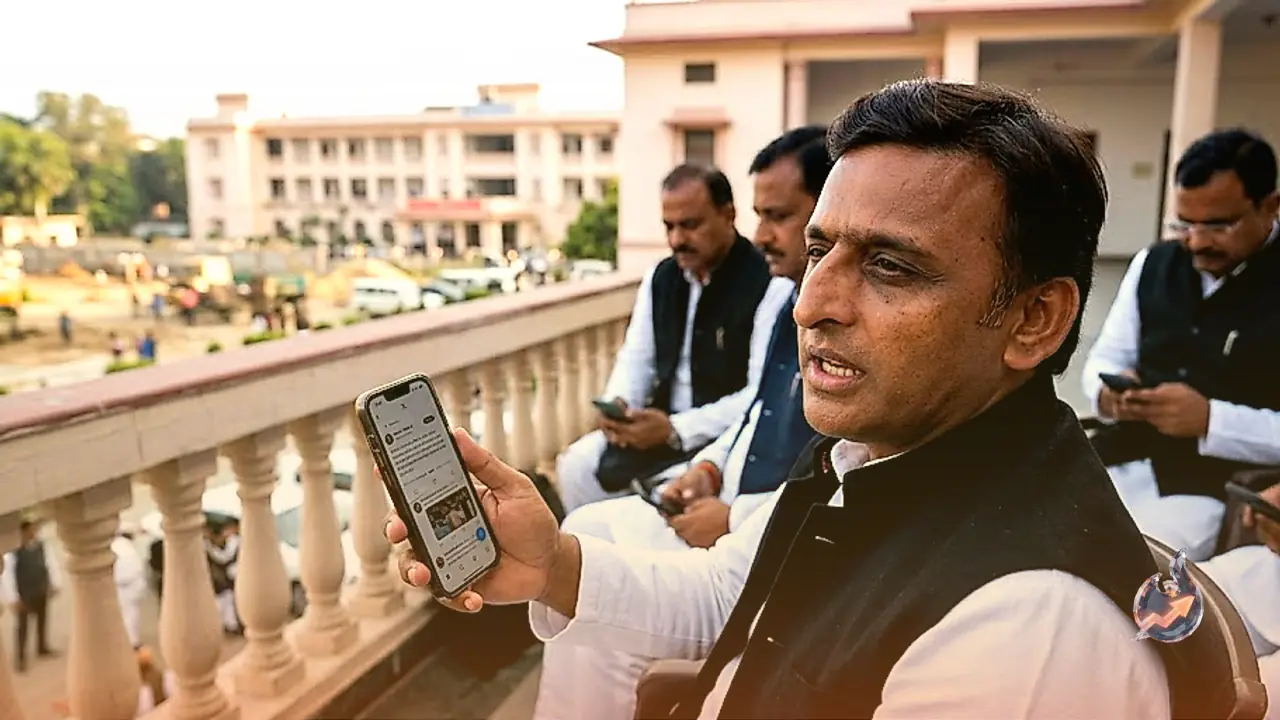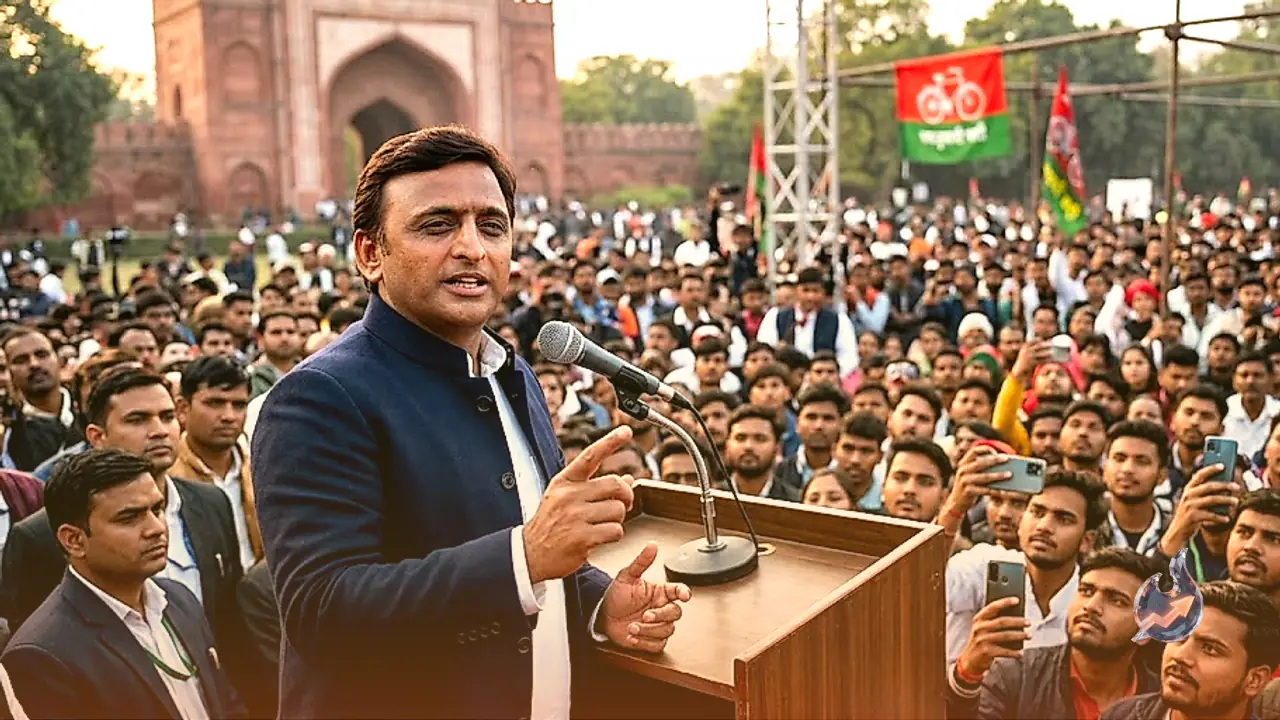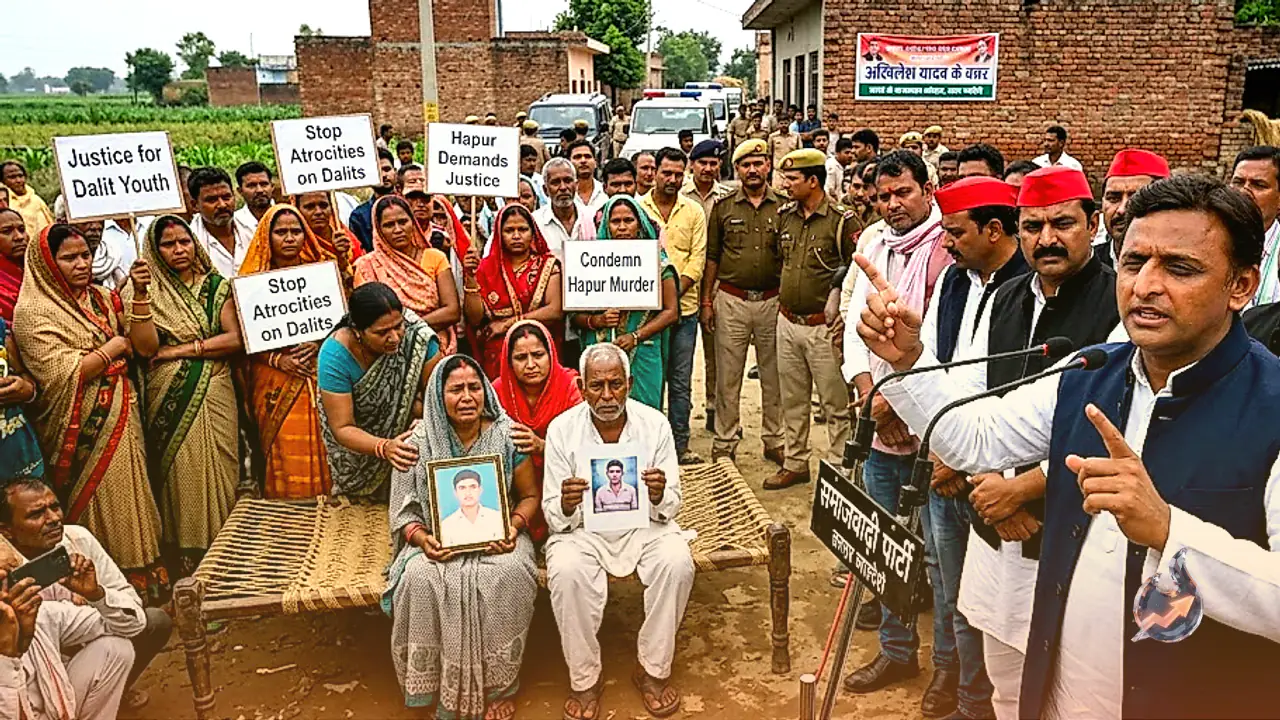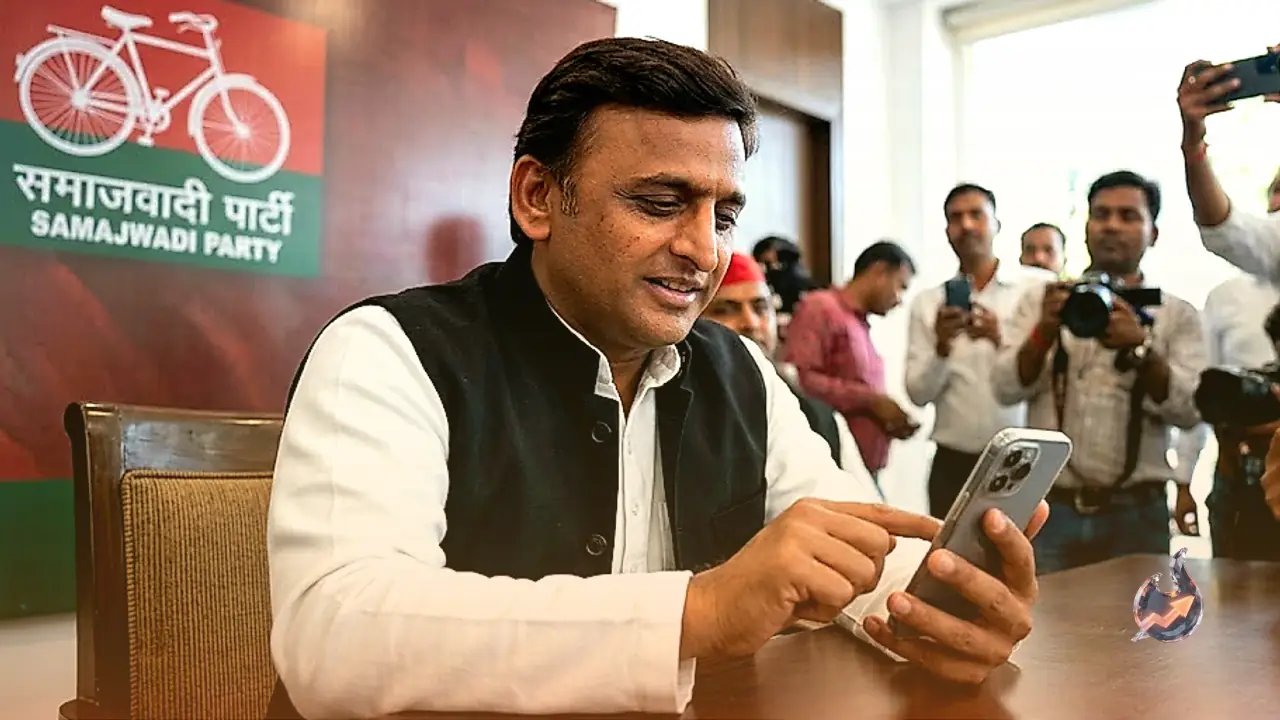


















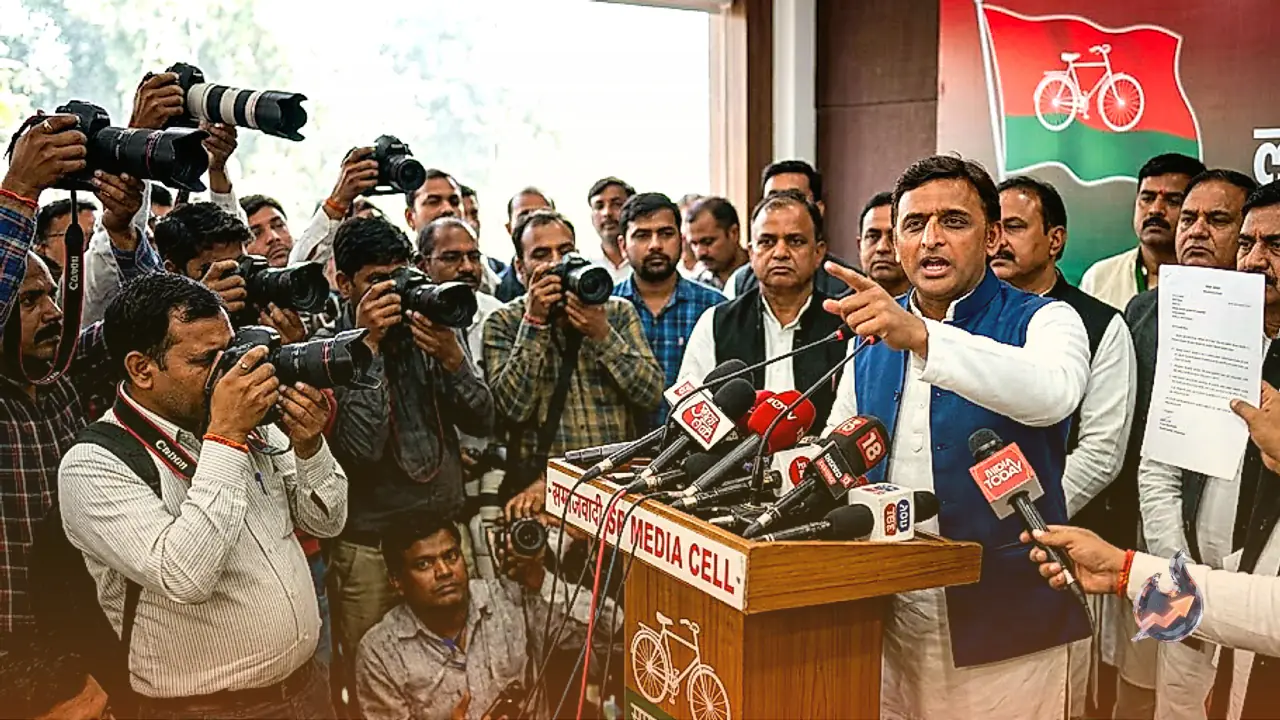

Samajwadi Party leader Akhilesh Yadav took to the social media platform X to post a pointed query directed at the election authorities regarding the status of documents submitted by his party. Without making extensive remarks, he specifically questioned whether the affidavits sent to the commission by his camp had actually been received. This public intervention has once again brought the debate surrounding transparency, communication, and administrative accountability in the electoral system into sharp focus.
Strengthening Democratic Values and Institutions
In his online statement, the political leader emphasized that if the election body takes decisive steps to empower democratic traditions, it will naturally enhance its standing and public respect. Such observations often emerge within the broader context of ongoing national discourses regarding electoral reforms, the right to vote, and the fundamental constitutional rights associated with contesting elections in India. Observers note that timely administrative responses and clear communication from regulatory bodies remain vital for maintaining public faith in democratic processes.
Administrative Context and Institutional Roles
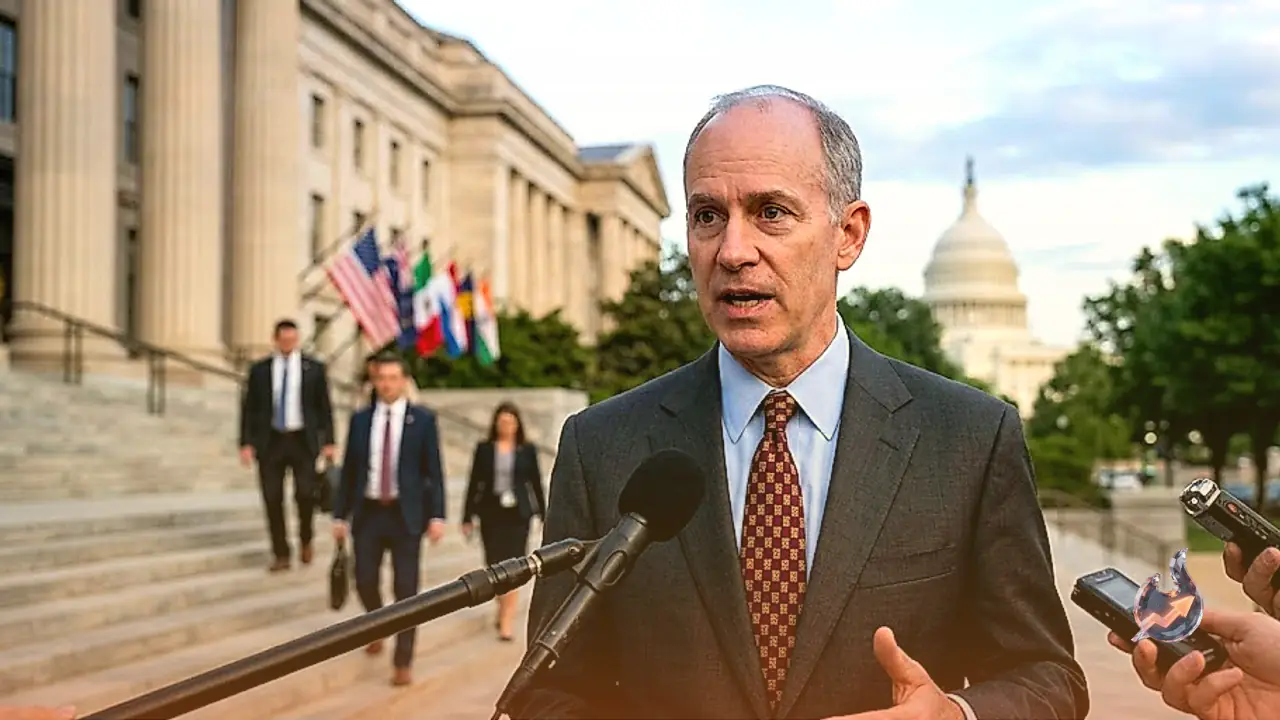
The constitutional responsibility of conducting free and fair polls rests entirely with independent election authorities, who routinely engage in administrative reviews, international democratic dialogues, and procedural updates. For instance, institutional leadership frequently interacts with international counterparts on shared democratic values, mirroring engagements like those involving Chief Election Commissioner Gyanesh Kumar during his visit to Bhutan to meet Prime Lotay Tshering and Prime Minister Shering Tobgay. Despite these institutional frameworks, political parties frequently raise procedural grievances regarding document submissions, dispute resolutions, and verification protocols.
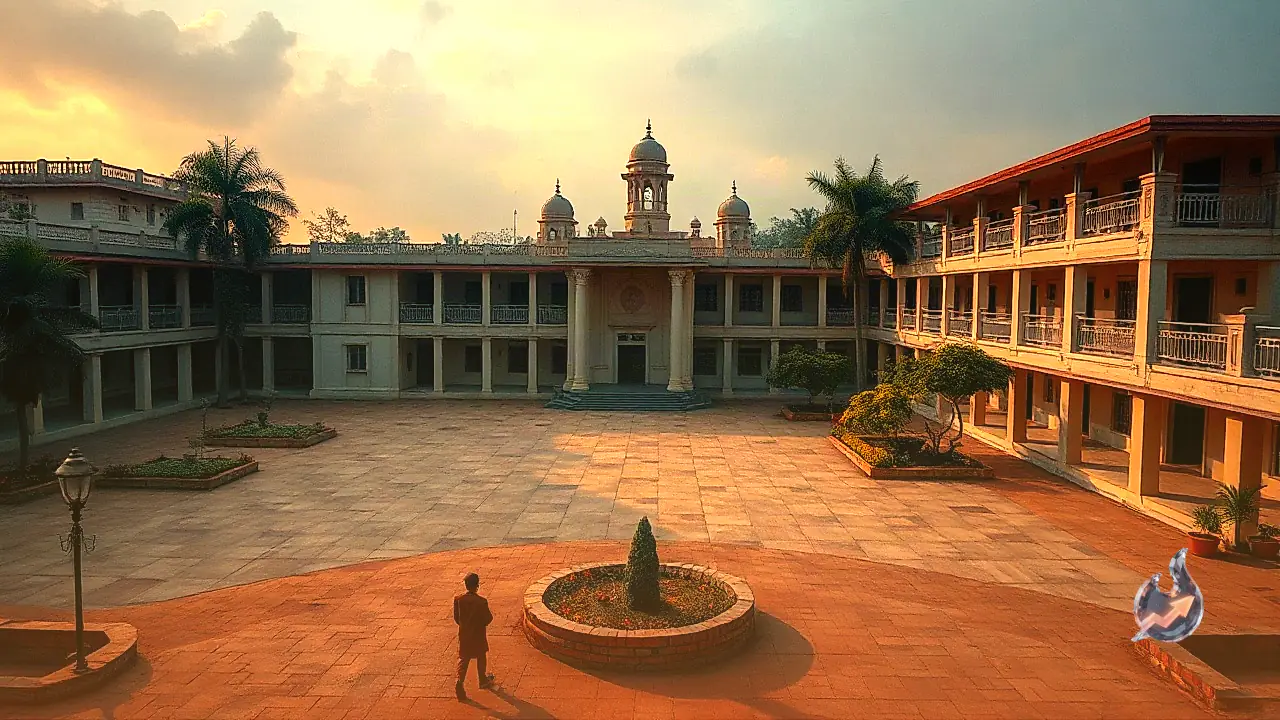
About Hazarduari Palace
Hazarduari Palace, also referred to as the Thousand-Door Palace or formerly known as Barah Kothi, is situated inside the Nizamat Fort campus in the Murshidabad district of West Bengal, India. The magnificent structure was constructed during the nineteenth century under the rule of Nawab Nazim Humayun Jah of Bengal, Bihar, and Orissa, whose reign spanned from 1824 to 1838. Designed by the notable architect Duncan MacLeod, the historical palace stands as a prominent architectural landmark representing the rich heritage of the region.
Following this online post, the development drew diverse reactions across digital platforms, with supporters endorsing the call for administrative clarity while others engaged in broader debates concerning the institutional procedures of independent regulatory bodies.