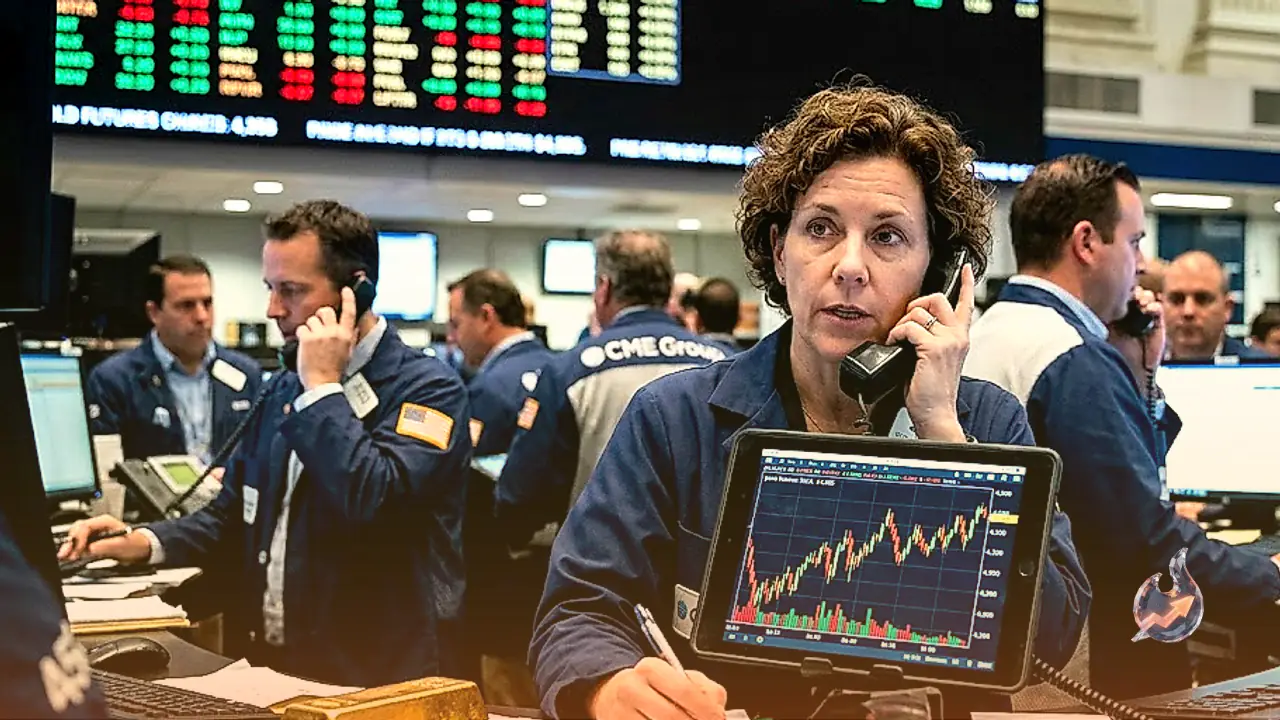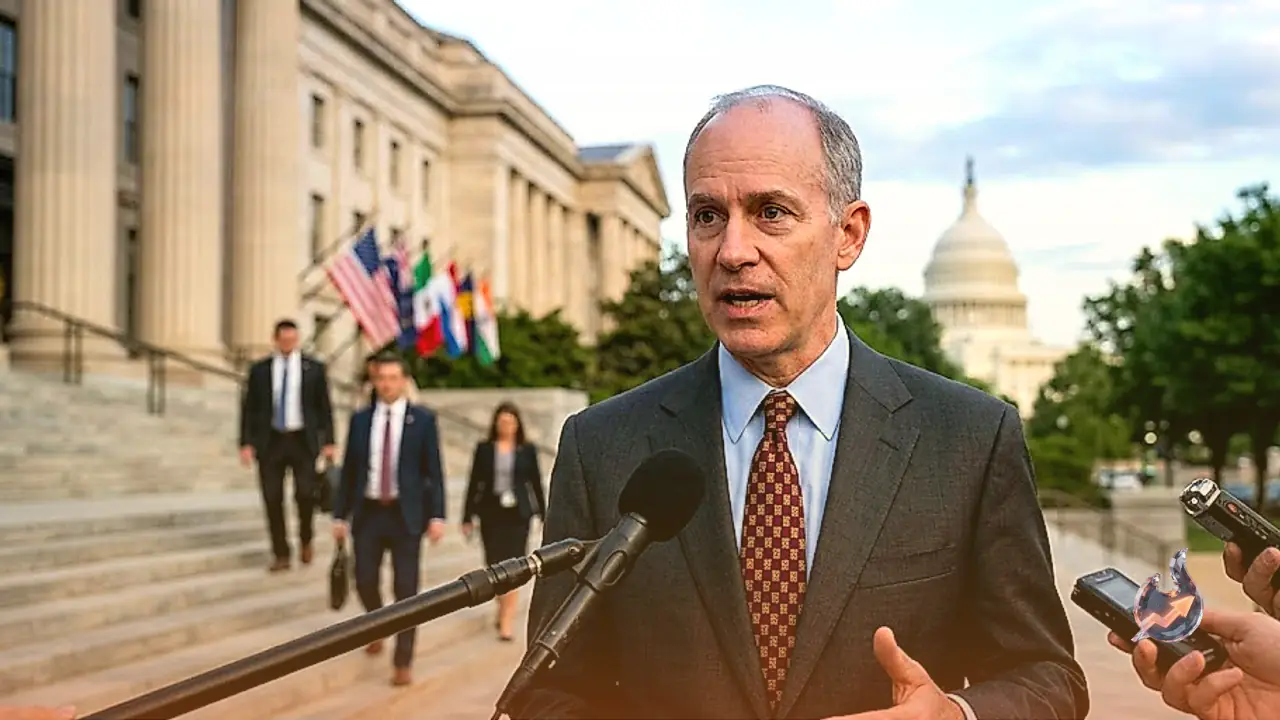
























The dollar is still holding much of the gain created by the Federal Reserve's latest decision, although the broader market message has softened in places. Yields on 10-year Treasuries are retreating and S&P 500 futures are higher, while the initial reaction featured a stronger dollar, higher short-term yields and lower stocks.
The first reaction favored the dollar and short-term bonds
Immediately after the FOMC decision, the dollar and short-term yields moved higher as stocks fell. The later advance in S&P 500 futures and pullback in 10-year Treasury yields show that some risk appetite returned without erasing the currency's post-decision gain. This split response leaves the Fed's policy signal at the center of the market debate even as bonds and equities adjust.
A unanimous increase moved the target range
The FOMC raised the Fed Fund Target Range (FFTR) by 25 basis points to 3.75%-4.00% in a unanimous vote. It said the action would support a timelier return to the 2% inflation goal. BBH described the move as hawkish because the decision carried a broader message about the amount of work still required to control inflation.
Kevin Warsh highlighted persistent price pressure
Fed Chair Kevin Warsh indicated that more work remains before inflation returns to target. His message was that price growth has stayed too high for too long and underlying inflation trends have not improved in a meaningful way.
Warsh also pointed to the breadth of the pressure. Across both six-month and 12-month measurements, too many categories continue to record increases above 3 percent. That detail argues against the idea that inflation is confined to a narrow part of the economy and helps explain why the Fed is not signaling an early relaxation.
Global tightening creates a ceiling for dollar gains
BBH's assessment is two-sided. Because other major central banks are also tightening, the policy gap between the US and the rest of the world is less likely to widen dramatically, making new cyclical highs for the dollar less likely. When several central banks move in the same direction, one rate increase alone has less power to transform relative policy conditions.
The stronger US growth position relative to other major economies, however, keeps the dollar's risk tilted upward. The Fed's firm stance and the US growth advantage therefore support the currency, while the Bank of England and the Bank of Japan provide potential counterweights through their own tightening signals. BBH sees upside risk for the dollar, but not an unobstructed path to fresh peaks.
Japan's low-rate funding model reaches a turning point
Japan's exceptionally low interest rates helped finance global investment flows worth trillions of dollars for more than a decade. That environment placed the yen among the least costly funding currencies worldwide and made it an inexpensive tool for international investment.
The Bank of Japan is expected to tighten policy again this week, suggesting that this advantage may be entering a new phase. Most major economies had already raised rates while Japan stayed outside that pattern. A policy shift could reduce the old funding benefit, making the Friday decision especially important for the yen.
BoJ expectations put a cap on USD/JPY
USD/JPY reversed a brief move below 156.00 during Thursday's Asian session. The pair had gained for three consecutive days and set a nearly two-week high on the previous day, but it is now showing signs of ending that winning run.
The dollar paused after its post-Fed climb to seven-week highs. Meanwhile, markets assigned a more hawkish outlook to the Bank of Japan's route toward policy normalization, strengthening the yen and limiting the pair's room to rise. Attention has shifted to the BoJ policy decision scheduled for Friday.
Australian dollar benefits from rate bets and diplomacy hopes
AUD/USD found fresh buyers during Thursday's Asian session and reclaimed 0.7100. The dollar paused at the same time after a Fed-driven advance had carried it to its highest level since late July.
Expectations that the Reserve Bank of Australia may raise rates helped the Australian dollar. Hopes for diplomatic efforts between the US and Iran also improved risk sentiment, supporting the risk-sensitive currency and the major pair.
Gold surges to fresh weekly peaks
Gold climbed sharply on Thursday and secured fresh weekly peaks near $4,480 per troy ounce. The rebound ended a run of three consecutive daily declines.
The move followed a marked retracement in the dollar as well as another negative performance from crude oil prices. The dollar's initial strength was therefore no longer applying uniform pressure across every market, allowing gold to attract buyers again.
Bank of England holds rates but sharpens its tone
The Bank of England kept Bank Rate unchanged at 3.75%. Its message was distinctly hawkish as its inflation outlook deteriorated sharply, leaving a more difficult price picture even without another immediate rate increase.