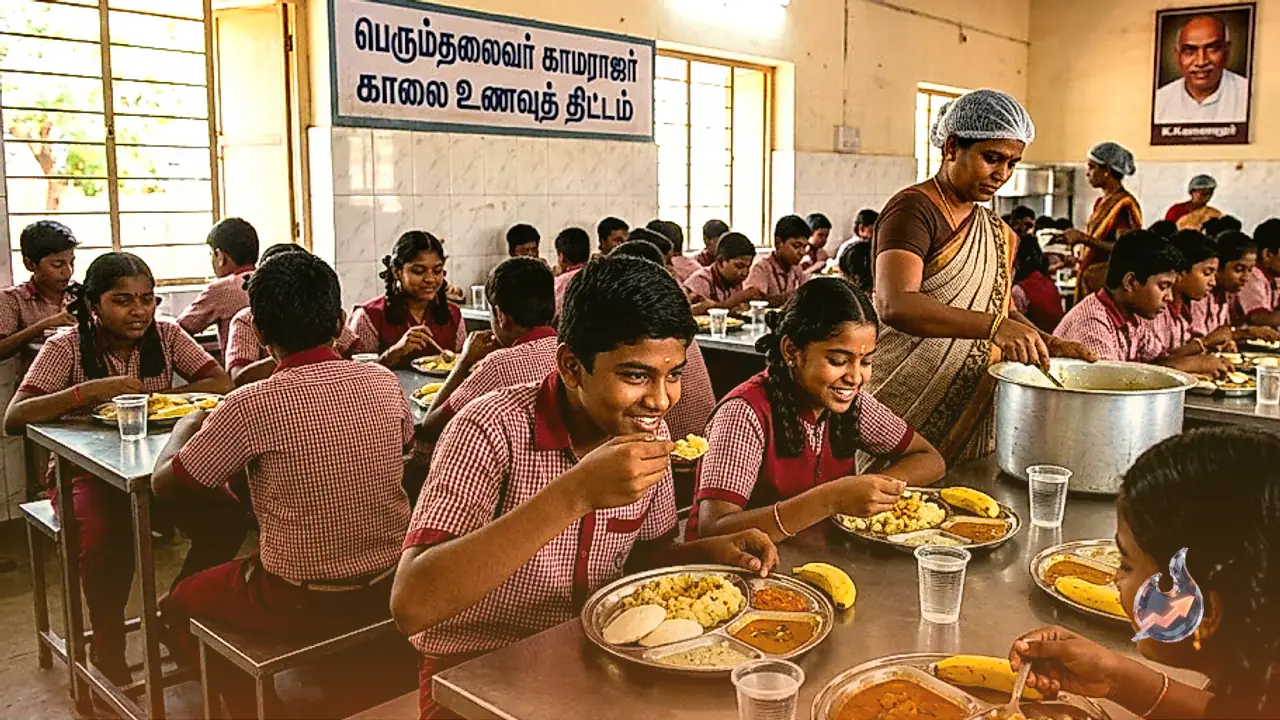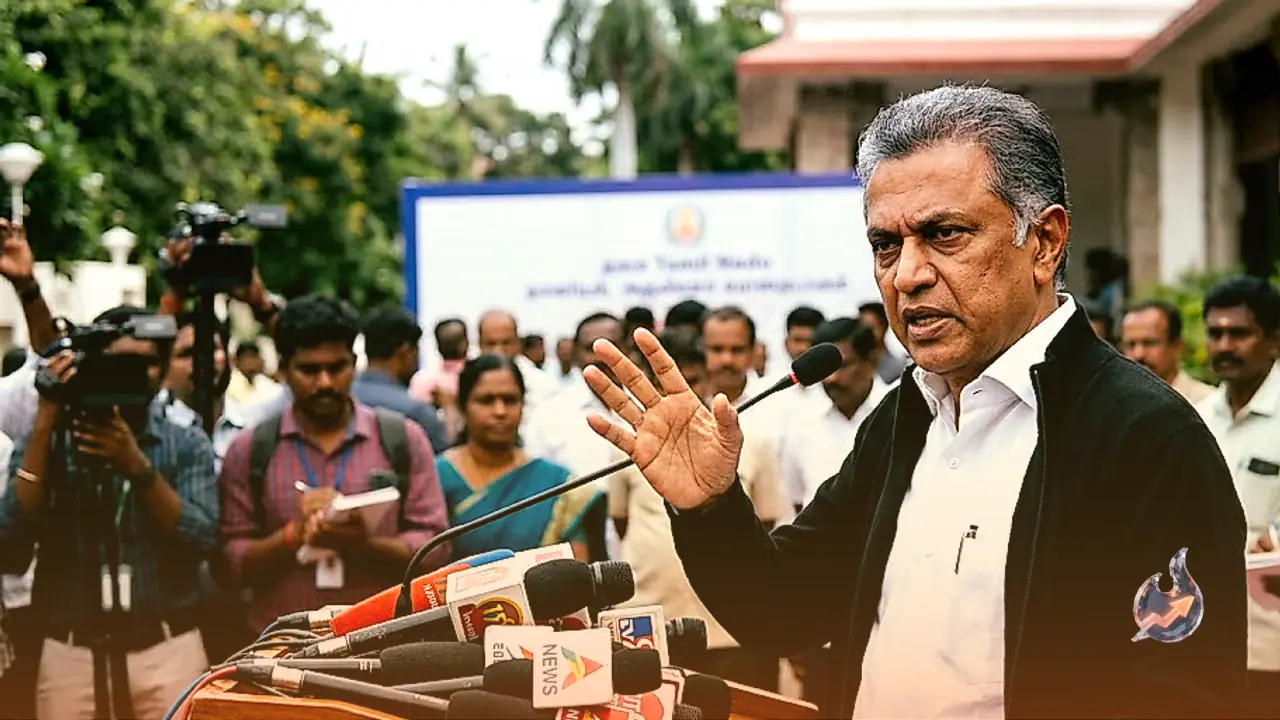


















The Supreme Court has expressed sharp displeasure over the stubborn stance of the Tamil Nadu government regarding the establishment of Navodaya Vidyalayas, sternly advising the state administration to alter its mindset. The apex court asserted unequivocally that if every state starts rejecting policies framed by the central government, the country's entire federal framework will fracture. Backed by this firm warning, the court issued a strict directive ordering the state government to search for suitable land parcels for Navodaya schools in every single district. An application moved by the state seeking the withdrawal of a prior court order was summarily dismissed by the bench. The court granted Tamil Nadu a three-month deadline to complete the identification of land. This ongoing legal dispute stems originally from a 2017 order issued by the Madras High Court, which was subsequently challenged by the state.
Court Expresses Deep Concern Over Federal Structure
During the court proceedings, the bench comprising Justice BV Nagaragupta and Justice Augustine George Masih voiced serious concerns regarding the federal structure of the nation. Making a sharp observation, the bench remarked on whether the federal framework could survive if the central government introduced a policy under the concurrent list tomorrow and every state began proclaiming rejection of that policy. Justice Nagaragupta reminded the state that adherence to cooperative federalism remains vital within any functioning democracy. She emphasized that no state should perceive itself as isolated or detached from the center. A robust bridge of communication must exist between Chennai and New Delhi. The bench stressed that depriving the state's students of access to national-level modern schools is fundamentally unjustified.
Rejection of Plea Seeking Modification of December Order
Senior counsel Jaideep Gupta, appearing on behalf of Tamil Nadu, argued that an application had been filed seeking the recall of the court's earlier order dated December 15. That previous directive had instructed the state to locate land across every district within a span of six weeks. The bench promptly rejected this plea, stating firmly that the court was not inclined to withdraw that order. The judges highlighted that political power within the state had transitioned since the order was originally passed, but noted that a change in government does not nullify the legal effect of a judicial mandate. Regardless of the prevailing political climate, the administration must identify the required land within the stipulated timeframe. Nevertheless, the court clarified that this entire administrative exercise will ultimately remain subject to the final verdict on the pending Special Leave Petition.
Addressing the Language Policy and Hindi Opposition
Opposition to Navodaya Vidyalayas in Tamil Nadu has historically centered around the controversial three-language formula. The state government has consistently argued that the system amounts to an indirect attempt to impose the Hindi language upon the local populace. Addressing this contention with sharp remarks, the court noted that the state's mindset must change first if it continues to argue against establishing schools merely out of an aversion to teaching Hindi on Tamil soil. Defending the state, counsel submitted that Tamil Nadu is not inherently opposed to Hindi, pointing out that the language is already taught in several schools across the region. In response, the court observed that the introduction of Navodaya schools would only strengthen the existing higher education standards in Tamil Nadu rather than diminish the local educational framework in any manner.
Financial Assurances and Collaborative Resolution Proposed
Appearing for the central government, Additional Solicitor General KM Natraj assured the court that the policy implementation would not impose any financial burden on the state exchequer. He clarified that the Tamil Nadu government is solely required to provide the land for the school infrastructure, while all subsequent expenses related to construction and operational management will be borne entirely by the central government. Concerns surrounding language policies can also be addressed through mutual dialogue and administrative cooperation. The Supreme Court advised both parties to forge a collaborative path forward to resolve the deadlock. The bench noted that people residing in Chennai should not feel alienated from Delhi, nor should Delhi feel distant from Chennai, urging both sides to bridge differences. The apex court has scheduled the next hearing of the matter for December 14.
Decades-Old Standoff and the Origins of Navodaya Vidyalayas
The Navodaya Vidyalaya scheme was initially launched under the National Education Policy of 1986. Its primary objective is to deliver high- गुणवत्तायुक्त and modern education to talented children residing in rural and remote regions. Tamil Nadu remains the sole state across the country where not a single Navodaya Vidyalaya has been successfully established to date. The state has steadfastly adhered to a two-language policy consisting strictly of Tamil and English for decades. Language has perpetually remained an intensely sensitive and emotive subject within local state politics. Navodaya schools mandate the instruction of three languages, including Hindi, from class six through class eight. It is precisely this regulatory requirement that has fueled continuous resistance from successive state administrations against the central schooling model. The recent stringent posture adopted by the Supreme Court now presents a major legal and policy challenge for the state government.