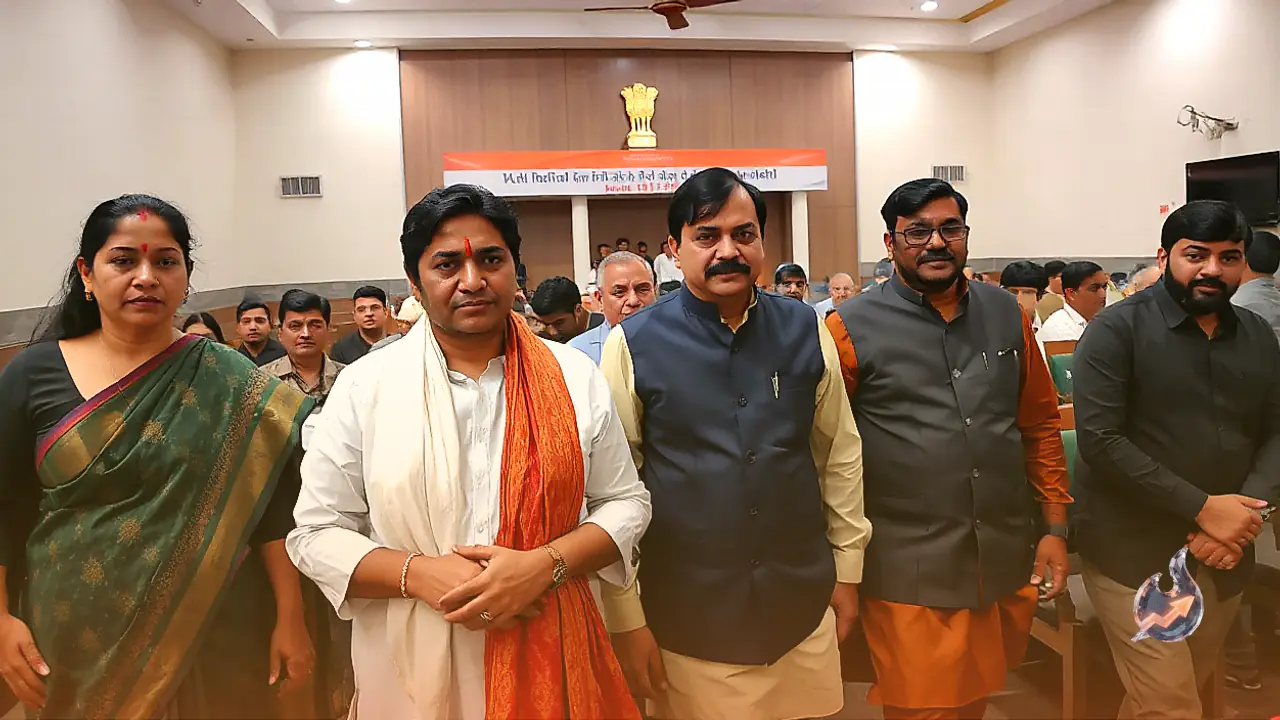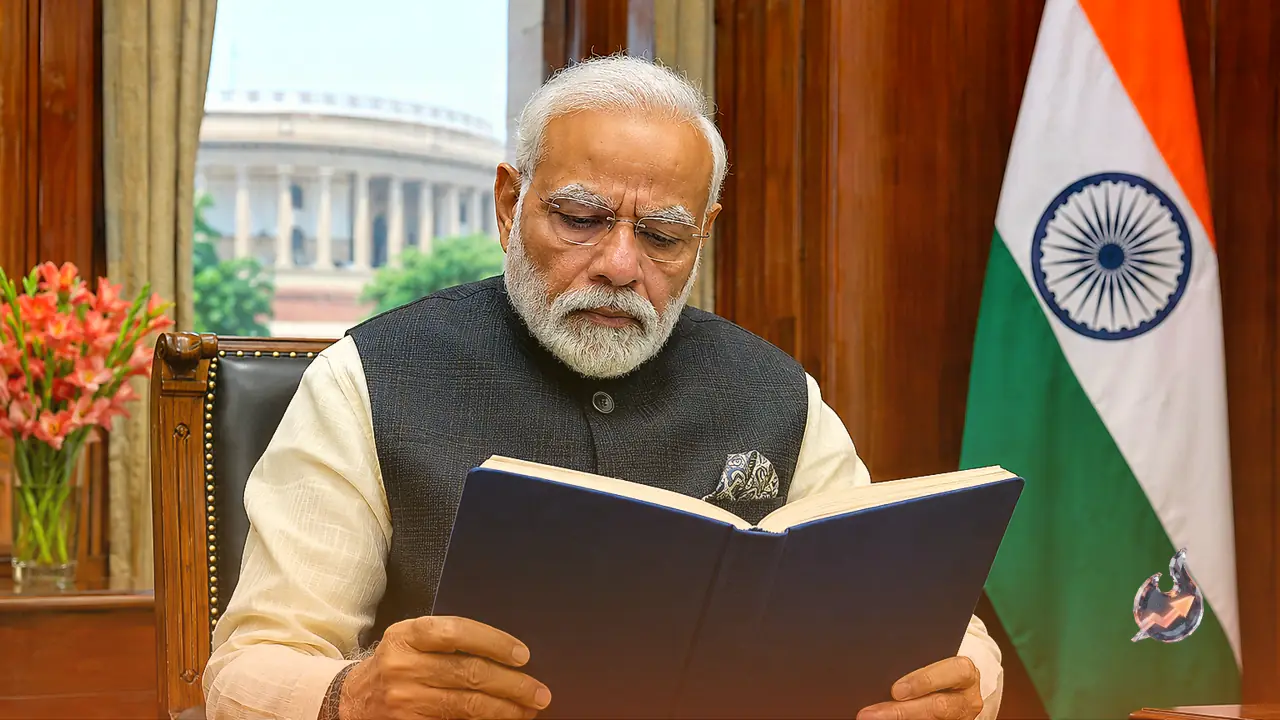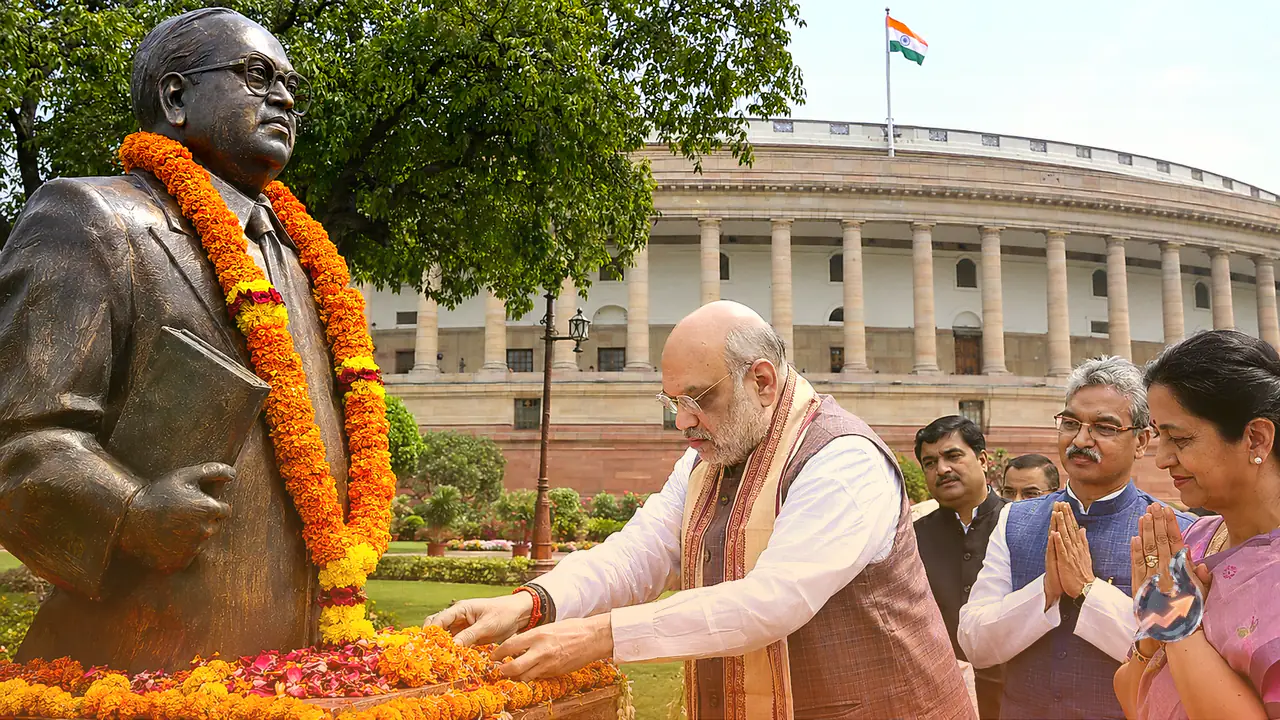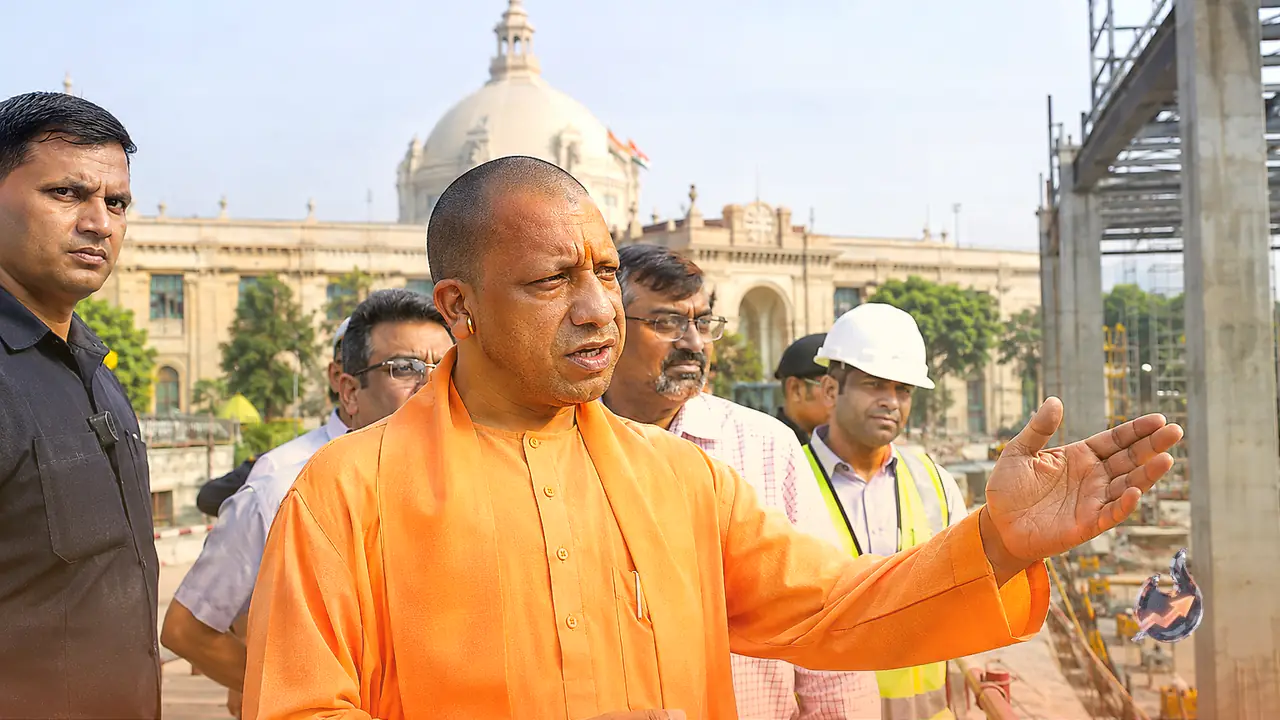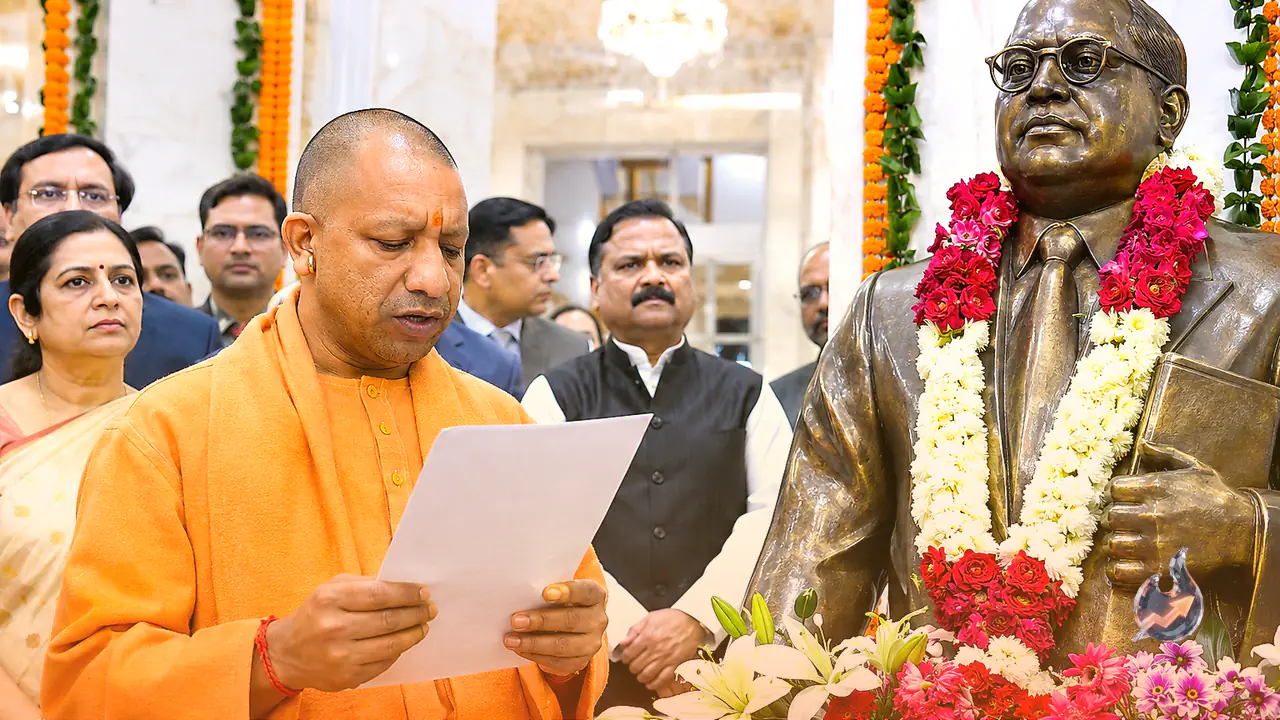

A scheme to beautify statues of figures associated with social justice was launched in Lucknow on Constitution Day. Chief Minister Yogi Adityanath inaugurated the Dr. B. R. Ambedkar Murti Vikas Yojana and also joined a collective reading of the Constitution's Preamble at Lok Bhavan.
A scheme for statues
Adityanath said the scheme is intended to beautify statues of prominent figures who symbolise social justice. He announced its launch in Lucknow on Constitution Day. The scheme is named after Dr. B. R. Ambedkar.
The launch and the reading of the Preamble formed part of the Constitution Day programme. The available information does not specify how many statues will be covered, the deadline for the work or the amount to be spent.
Collective reading at Lok Bhavan
The Constitution's Preamble was read collectively at the Lok Bhavan event. Adityanath also administered an oath based on the Preamble. He described the Constitution as a source of national pride and a guide for 145 crore Indians.
The Chief Minister spoke about recognising duties alongside rights. His message linked the Constitution with pride and guidance while drawing attention to both the rights and the duties of citizens.
What Yogi Adityanath said
In a post on the social media platform X, Adityanath mentioned the launch of the scheme and the reading of the Preamble. He said the Constitution guides 145 crore Indians and that the statue beautification scheme had been launched in Lucknow on Constitution Day.
He also urged people to remain alert to those spreading confusion. Targeting the opposition, he accused Congress of not giving Baba Saheb the Bharat Ratna and of insulting prominent figures. Those allegations were made by Adityanath.
About Lucknow
Lucknow is the capital of Uttar Pradesh and administratively falls within Lucknow district. It was the setting for both the launch of the scheme and the collective reading of the Preamble at Lok Bhavan.
Public reaction
Some people on social media questioned the programme and the positions taken by political leaders. Others criticised the treatment of social groups and raised concerns about everyday economic difficulties.