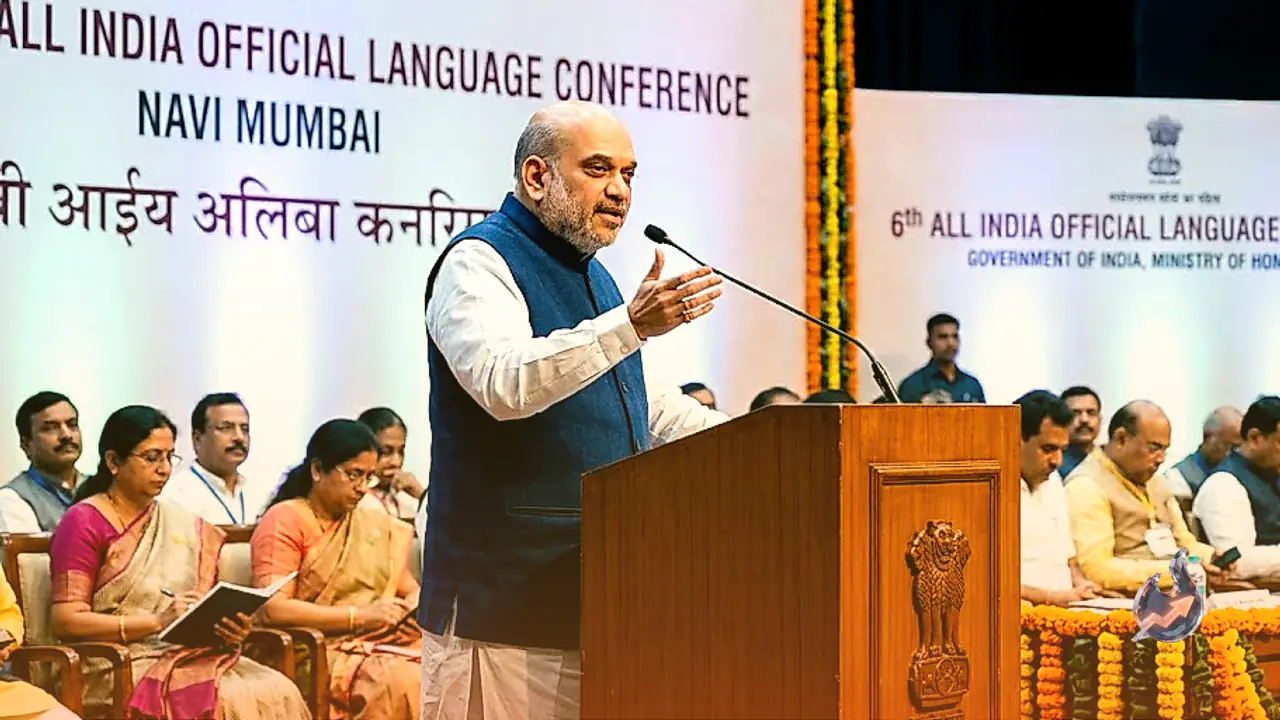





















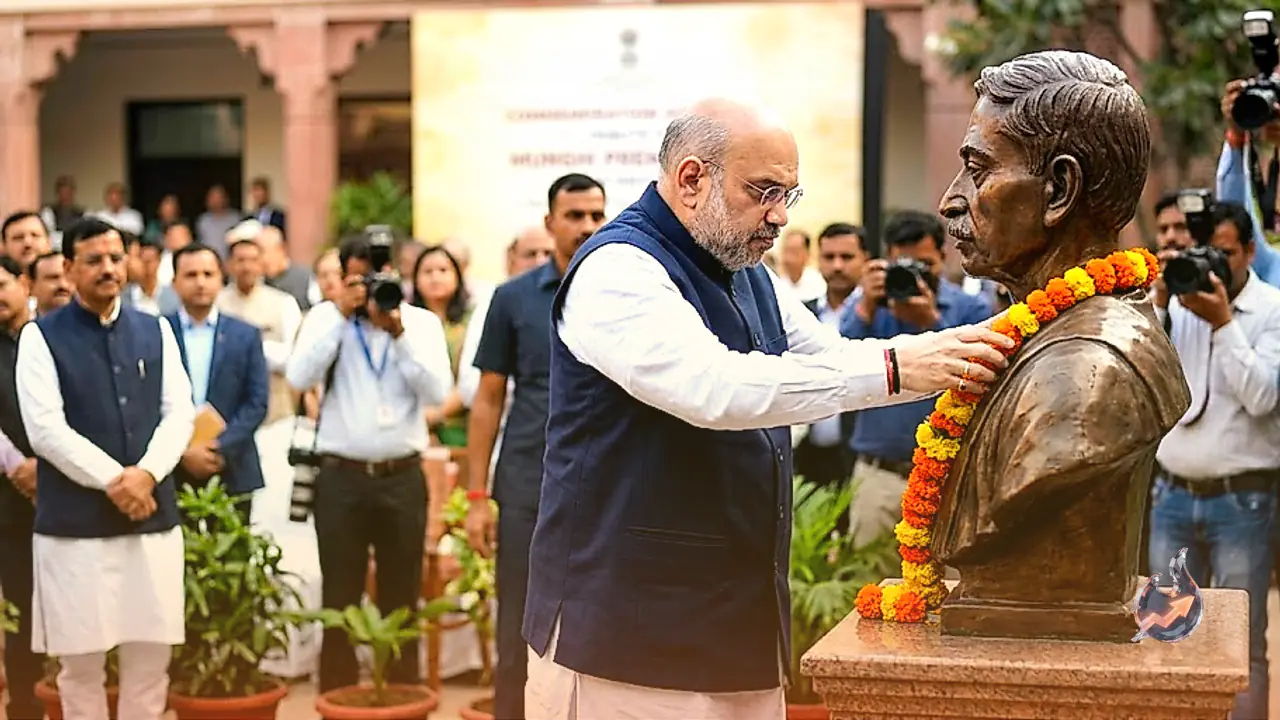

Amit Shah paid tributes to the legendary literary maestro Munshi Premchand on his birth anniversary through a message shared on social media platform X. Emphasizing the timeless impact of his literary works, Amit Shah highlighted that Premchand depicted societal realities and human emotions with such vivid authenticity that his stories and novels remain just as relevant and powerful today. He noted that the celebrated author gave voice to the struggles, exploitation, and pain of marginalized communities while inspiring generations to remain committed to truth, honesty, and their cultural roots.
Literary Heritage and Amit Shah's Message
In his social media tribute, Amit Shah emphasized that Munshi Premchand occupies a unique and revered position in Indian literature. By portraying the raw realities of social inequality, economic hardship, and systemic oppression, Premchand ensured that the voice of the person standing at the very last ladder of society was heard loud and clear. Shah noted that the author's writing style turned ordinary life events into extraordinary literary creations, allowing modern readers to connect deeply with India's social history and human values.
Who Was Dhanpat Rai Srivastava Famous as Munshi Premchand
Munshi Premchand was born as Dhanpat Rai Srivastava in Lamhi village near the historic city of Varanasi in Uttar Pradesh. Widely honored with prestigious titles such as Upanyas Samrat (Emperor of Novels) and Kalam Ke Jadugar (Magician of the Pen), he revolutionized Hindi and Urdu literature by shifting the focus from fantasy and courtly romance to the realistic portrayal of rural and urban working-class life.
Over his prolific literary career, Premchand penned around a dozen and a half major novels. Classics like Sevasadan, Premashram, Rangbhoomi, Nirmala, Gaban, Karmabhoomi, and Godan critically examined social evils such as the dowry system, debt traps, caste discrimination, and the agonizing plight of Indian farmers. In addition, he authored more than 300 short stories, including timeless masterpieces such as Kafan, Poos Ki Raat, Panch Parmeshwar, Bade Ghar Ki Beti, Booldhi Kaki, and Do Bailon Ki Katha, most of which gained immense popularity in both Hindi and Urdu publication circles.
Journalism, Publishing Ventures, and the Mumbai Chapter
Beyond his creative writing, Premchand was a dedicated journalist and editor who used literature as a medium for social awakening. He contributed regularly to leading periodicals of his era, including Zamana, Saraswati, Madhuri, Maryada, Chand, and Sudha. To champion independent journalism, he took over the editing and publication of the newspaper Jagran and the influential literary journal Hans. He even established the Saraswati Press to maintain editorial independence, though financial losses eventually forced its closure.
Seeking to explore new storytelling mediums, Premchand spent nearly three years in Mumbai writing screenplays for the Hindi film industry. While his time in cinema broadened his artistic perspective, his heart remained rooted in literature and publishing, leading him back to focus entirely on writing for the masses.
Final Masterpieces and Unwavering Legacy
Premchand remained dedicated to his literary craft until his final days. His last essay, Mahajani Sabhyata, delivered a scathing critique of unchecked commercialism and economic exploitation, while his final public address, Sahitya Ka Uddeshya, articulated his firm belief that literature must serve as a beacon for human ethics and social justice. His final short story, Kafan, stands as a stark and unsparing portrait of extreme poverty and societal apathy.
Public Reaction
Following Amit Shah's post, social media users actively joined in paying homage to Munshi Premchand. Readers shared classic quotes and highlighted how works like Godan and Nirmala continue to reflect contemporary social challenges, praising the author's fearless commitment to portraying the truth of rural India.