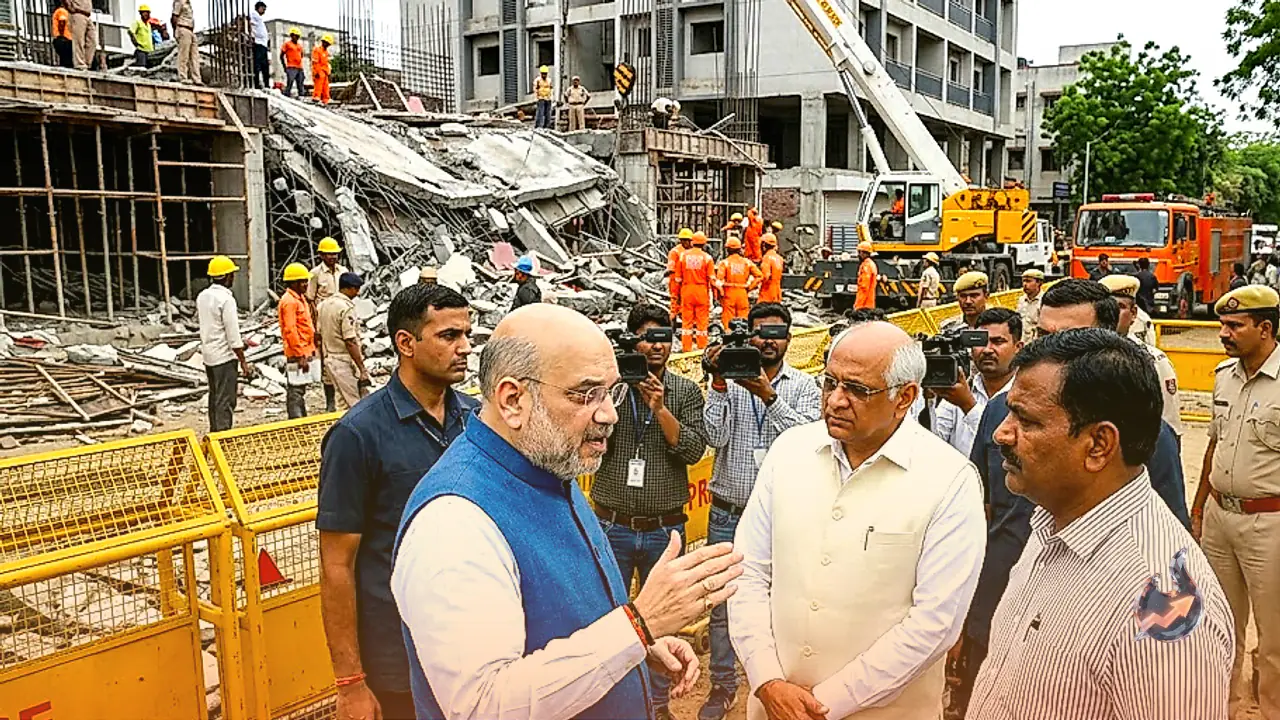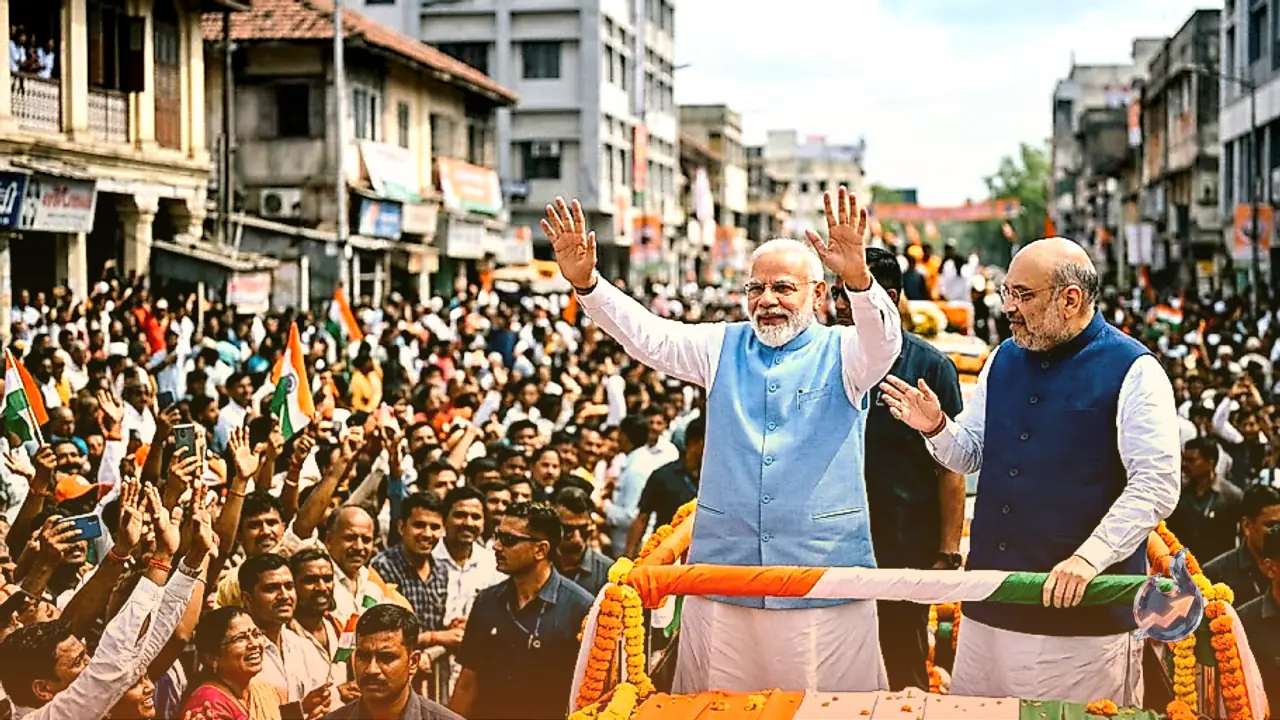
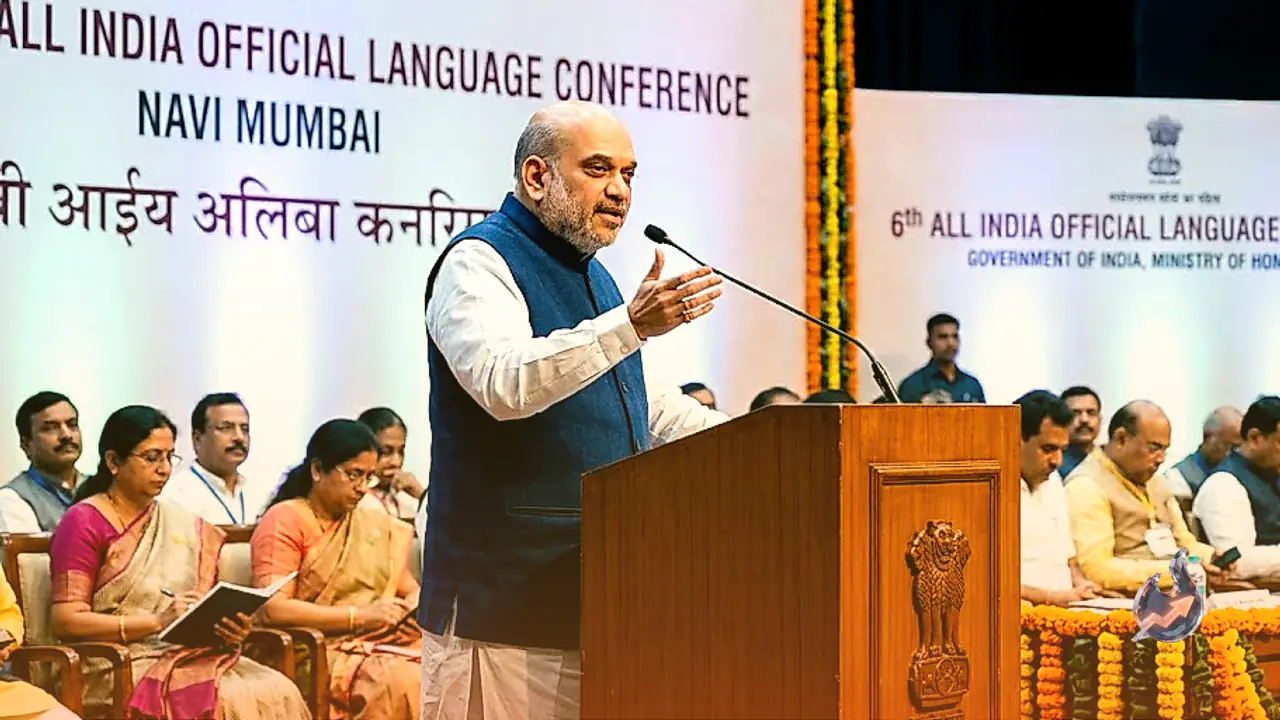














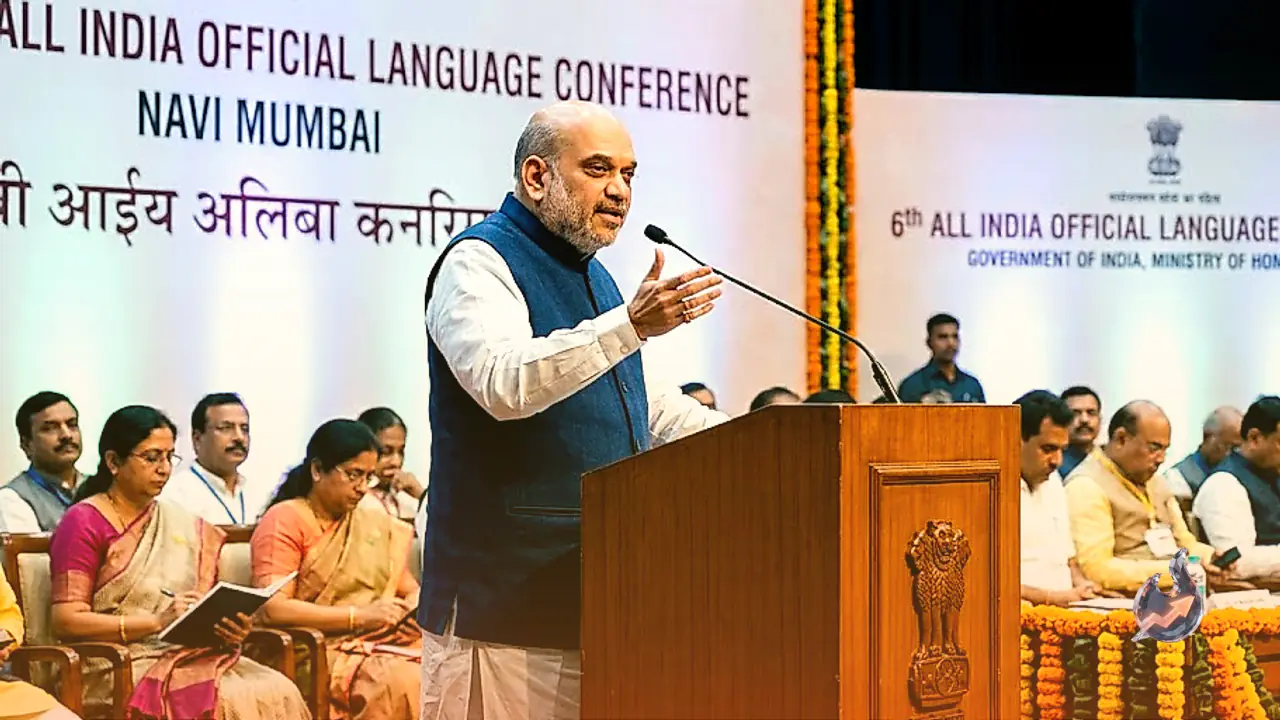

Union Home Minister Amit Shah addressed the sixth All India Official Language Conference and Hindi Diwas celebrations in Navi Mumbai, highlighting Hindi as a primary driver of the country's linguistic unity and national consciousness. He emphasized that the true essence of the nation is reflected in its vast linguistic diversity, which remains its greatest collective strength.
The Crucial Link of Mother Tongue and National Identity
Speaking at the event, Amit Shah remarked that "Vande Mataram" is not merely a song but a deep emotion. He explained that children can only truly comprehend the cultural fabric of India through their own mother tongue. Rather than competing with regional dialects, Hindi works alongside them to bridge linguistic gaps and foster national integration. This perspective aligns with broader national efforts to preserve regional heritages and encourage multilingual education.
Historical Role of Hindi in Connecting the Nation
Amit Shah noted that leaders throughout India's history, from Swami Dayanand Saraswati to Netaji Subhas Chandra Bose, adopted Hindi as a common medium to reach out to the masses. This historical continuity positions Hindi as a vital bridge for national solidarity. By overcoming geographical and regional barriers, the language has consistently served as an instrument of shared national expression and collective dialogue.
Preserving Endangered Languages and Institutional Efforts
The focus on protecting and developing India's native languages is growing increasingly critical as several regional dialects face structural challenges. According to experts, approximately 117 languages in India are currently categorized as endangered because they are spoken by fewer than 10,000 people. This loss of heritage poses a severe threat to the country's unique cultural legacy. Addressing these concerns, high-profile national figures have consistently advocated for the preservation of local mother tongues. During her address at the convocation ceremony of the Mahatma Gandhi Antarrashtriya Hindi Vishwavidyalaya, President Droupadi Murmu emphasized that the true soul of India is expressed through its diverse indigenous languages. Institutional efforts are being mobilized to ensure that these smaller, endangered languages are documented, archived, and kept alive for future generations.
Regional Initiatives and Cultural Convergence
Across the country, multiple states have taken active steps to celebrate this interconnected linguistic network. In Bihar's capital, Patna, a regional Hindi conference was recently organized to foster dialogue among literary scholars. This event also marked the official launch of the book "Lal Pahari: Stree Mahavihar" at the Lok Bhavan, reflecting the continuous growth of regional literature. Furthermore, several state governors have recently reinforced these ideas by describing Hindi as an essential bridge of national unity that brings diverse linguistic communities closer. These combined initiatives, alongside events like World Radio Day 2026, show a coordinated effort to utilize various mass media channels to keep regional dialects active while positioning Hindi as a unifying communication tool across distinct administrative borders.
Public Reaction
The Home Minister's remarks on social media received diverse reactions from the public. While many users supported his emphasis on linguistic pride and cultural unity, some critics pointed to local regional language controversies, while others raised questions regarding the protection of lesser-spoken dialects.