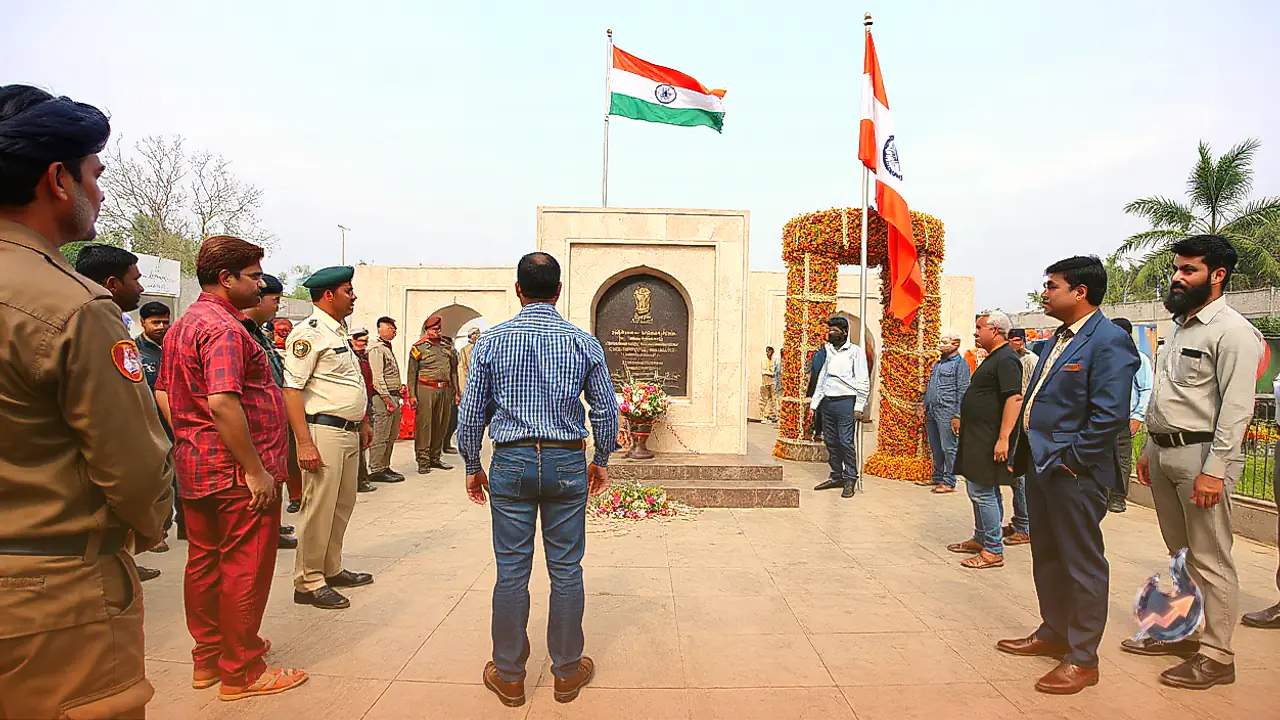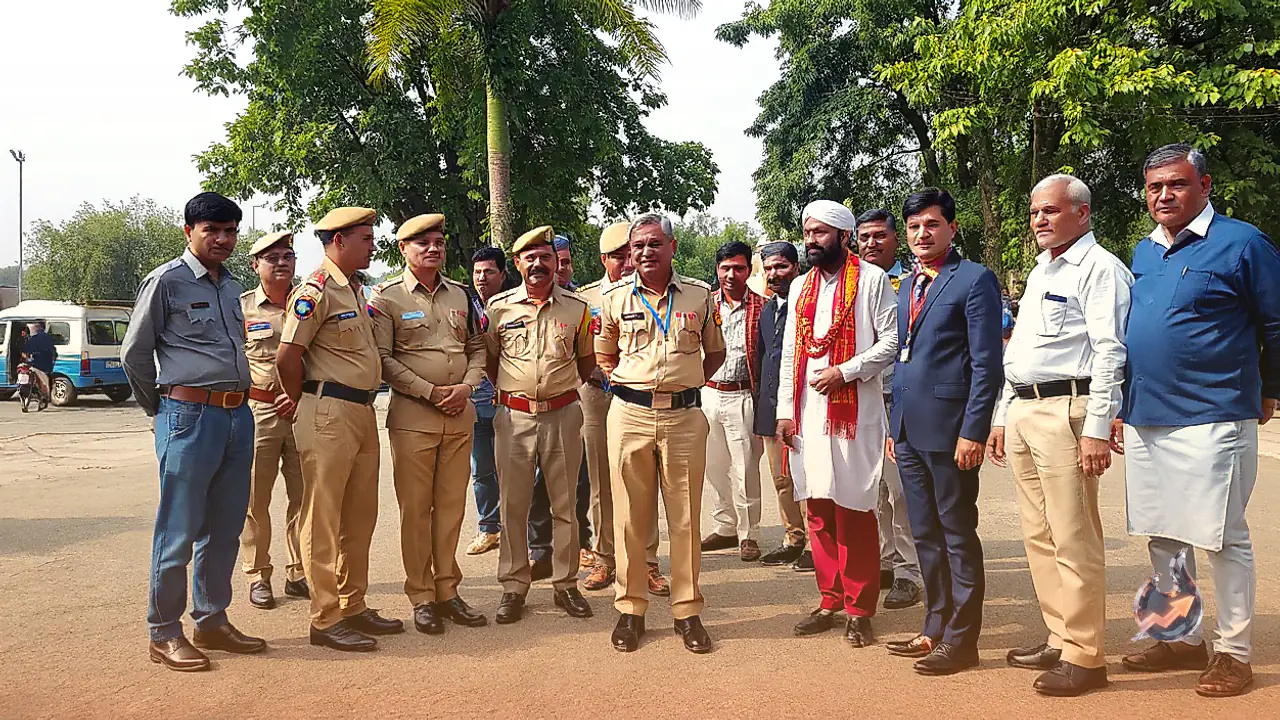

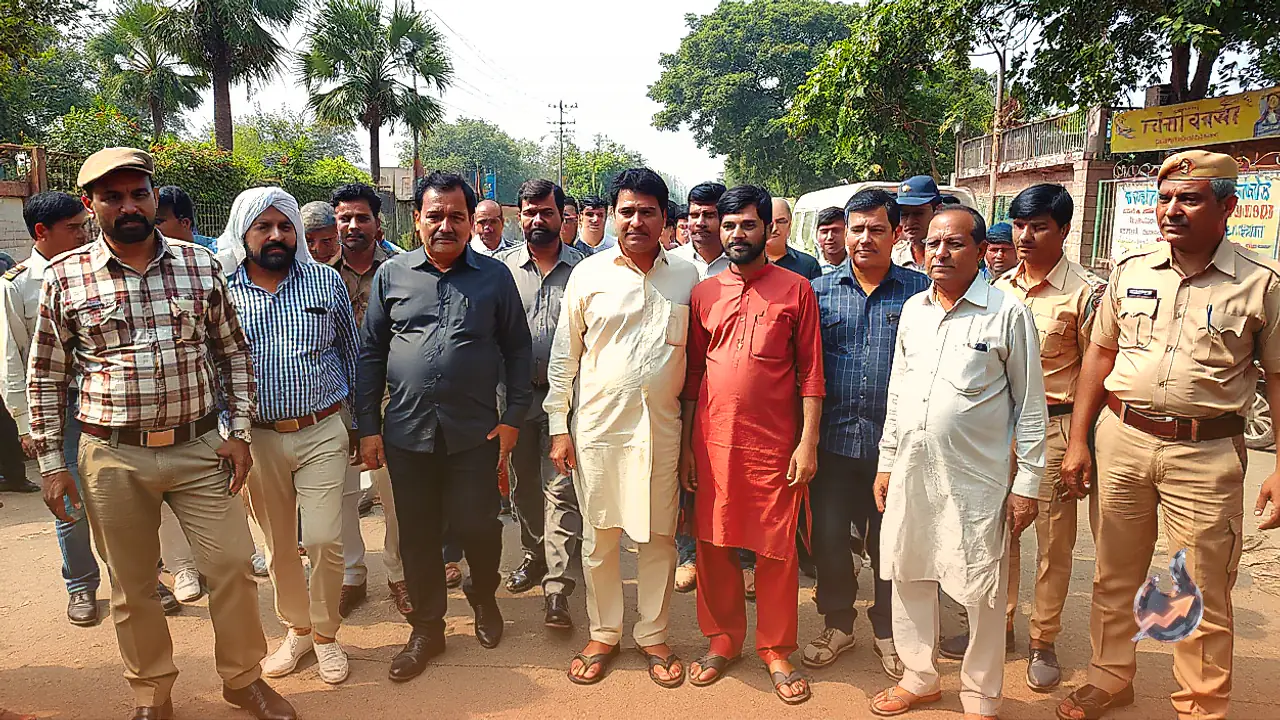














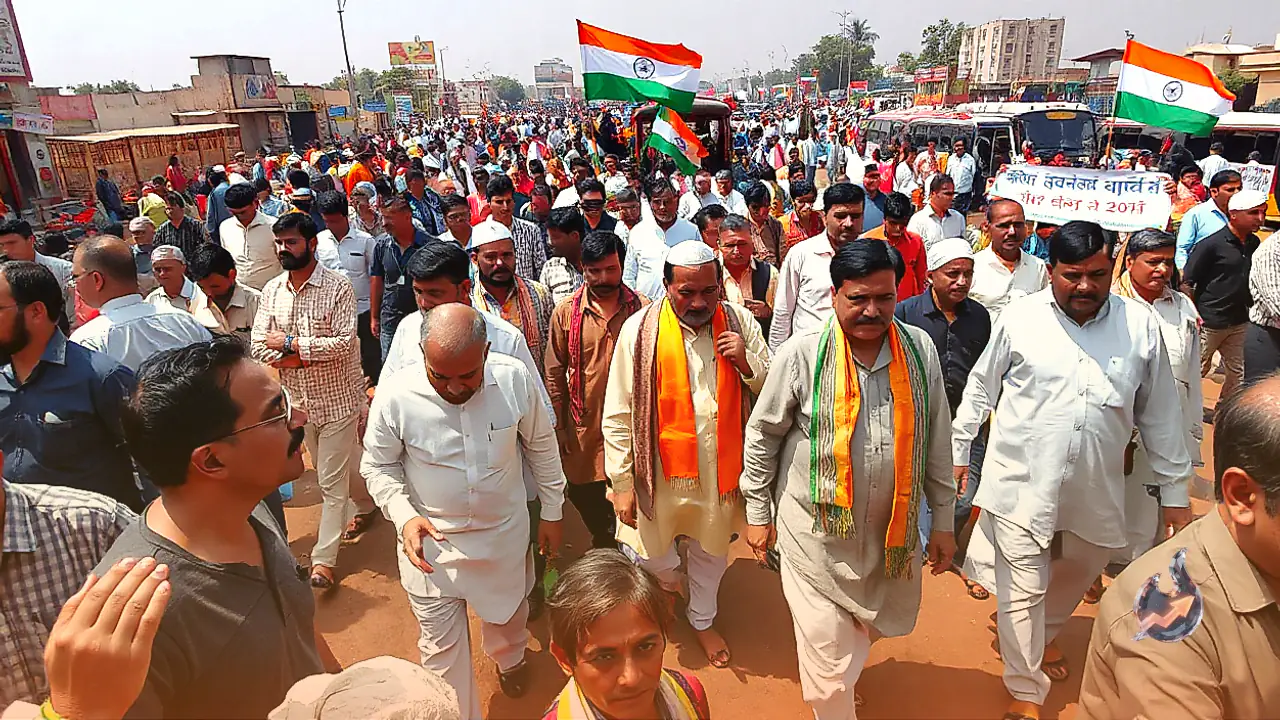

The Bharatiya Janata Party has rolled out its nationwide 'Save Democracy, Remove Anarchy' campaign to counter rival political narratives. As part of this ongoing statewide outreach, Amit Shah traveled to Karnal in Haryana to lead a massive foot march and address a large public gathering. The campaign aims to rally party workers at the grassroots level and challenge what the leadership terms as misleading political agendas.
Padayatra and Public Gathering in Karnal
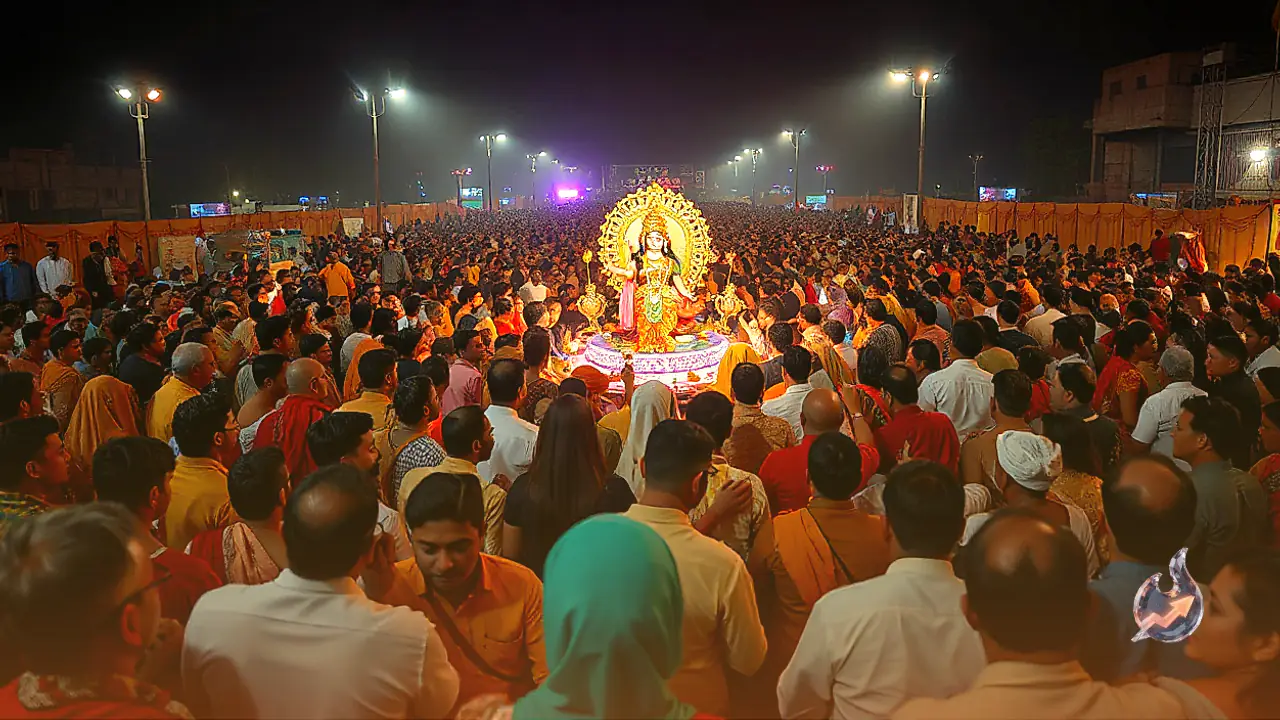
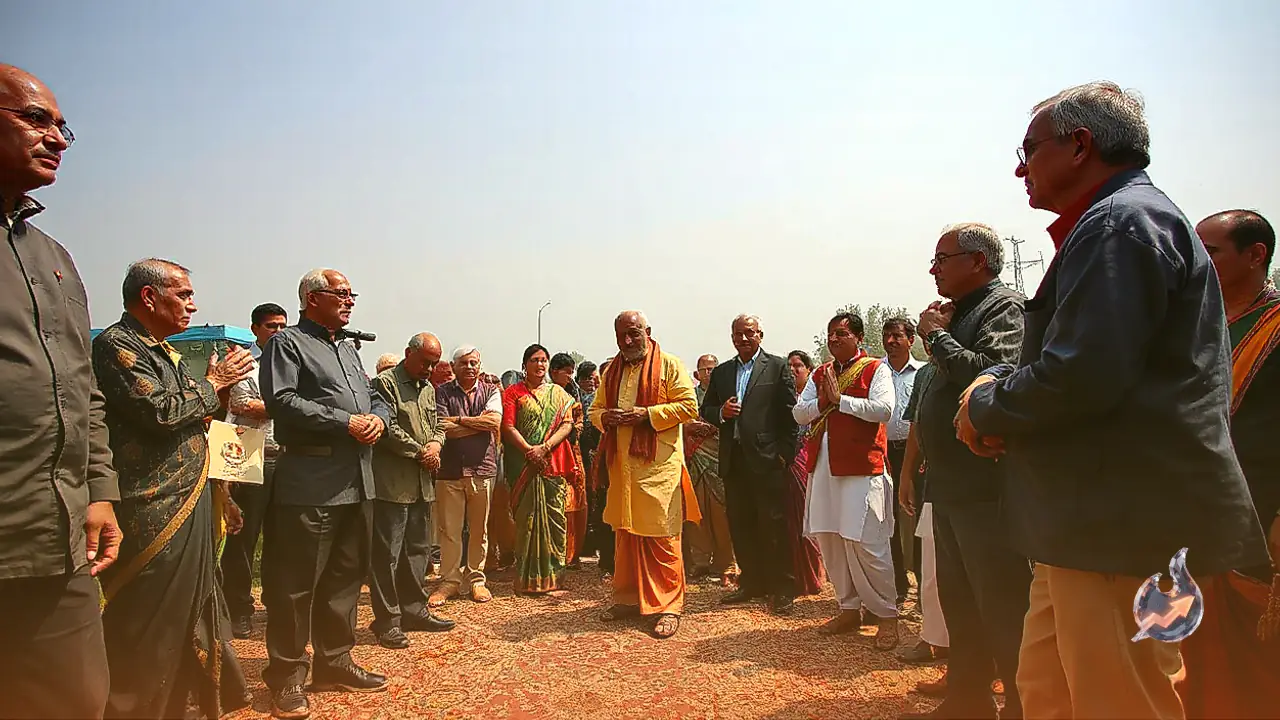
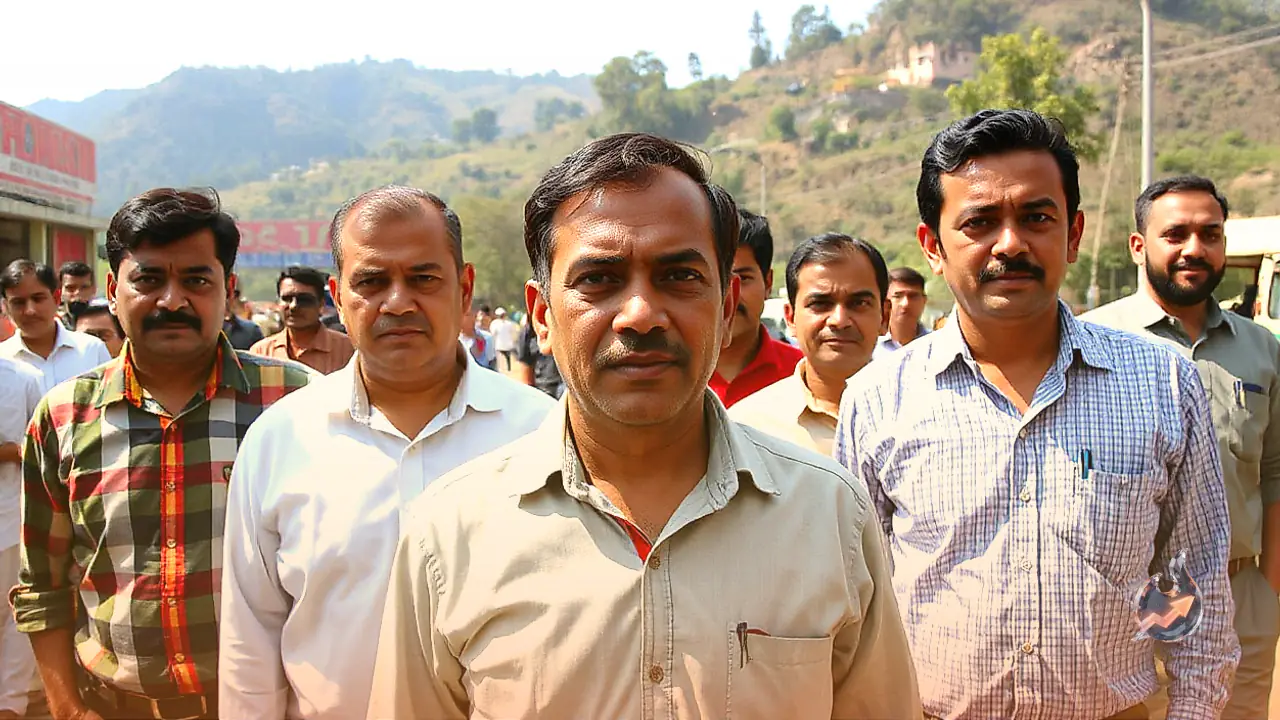
The event in Karnal featured a prominent march where enthusiastic supporters and local leaders walked together to showcase party strength. Following the procession, a public rally was convened where Amit Shah took the stage to address the attendees. He emphasized that the ruling party remains committed to good governance and national development while continuously exposing opposition strategies.
Direct Critique of Opposition Politics
During his address, Amit Shah launched a sharp attack against the opposition, specifically targeting what he described as the false and anarchist mindset of Congress. He asserted that citizens are fully aware of political maneuvers aimed at creating instability and will reject such approaches. Such campaigns are designed to energize the party cadre and reinforce their active presence across different regions.
About Haryana
Haryana is a prominent state located in northern India with Chandigarh serving as its capital city. Geographically, it shares its northern borders with Punjab and Himachal Pradesh, while Rajasthan borders it on the southern and western sides. The Yamuna River defines its eastern boundary alongside Uttar Pradesh, and the national capital Delhi surrounds it from three sides, making its southern region an integral part of the National Capital Region for planned development.
Public Reaction
Reactions from the general public to these political developments have been mixed. While dedicated supporters welcomed the massive outreach effort and praised the leadership, other citizens took to online platforms to raise local grievances and demand answers on specific policy matters.