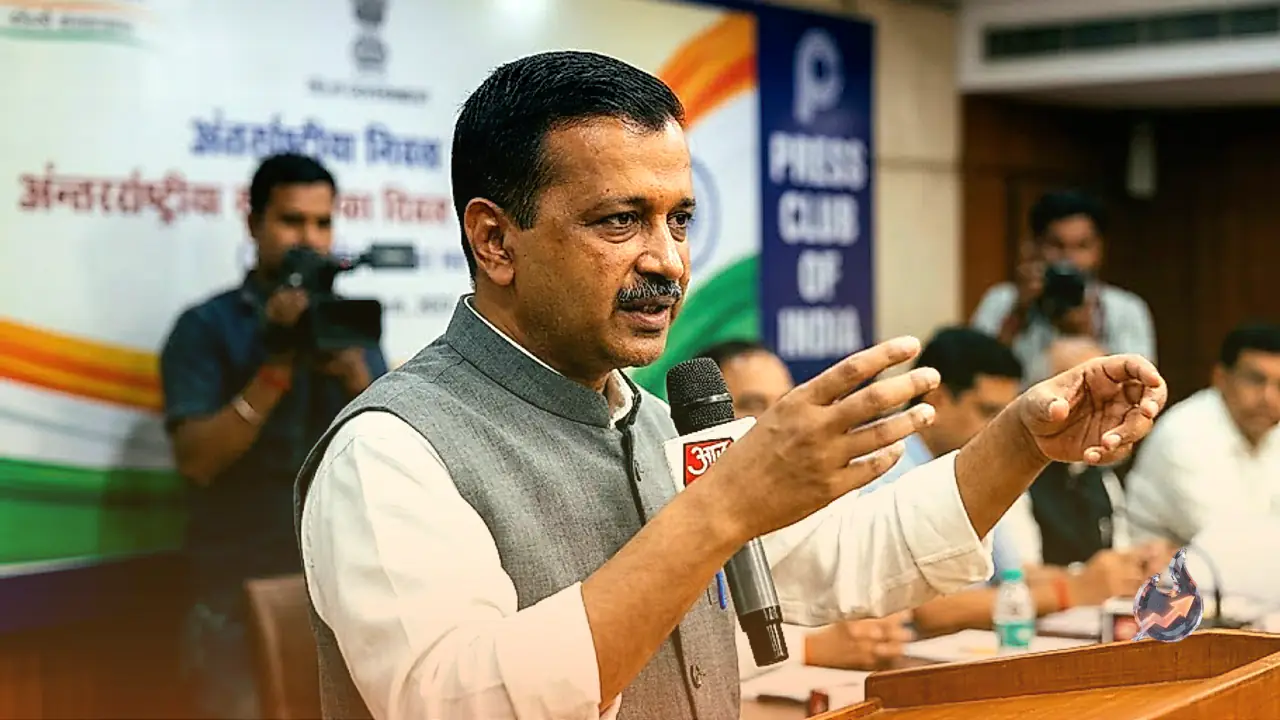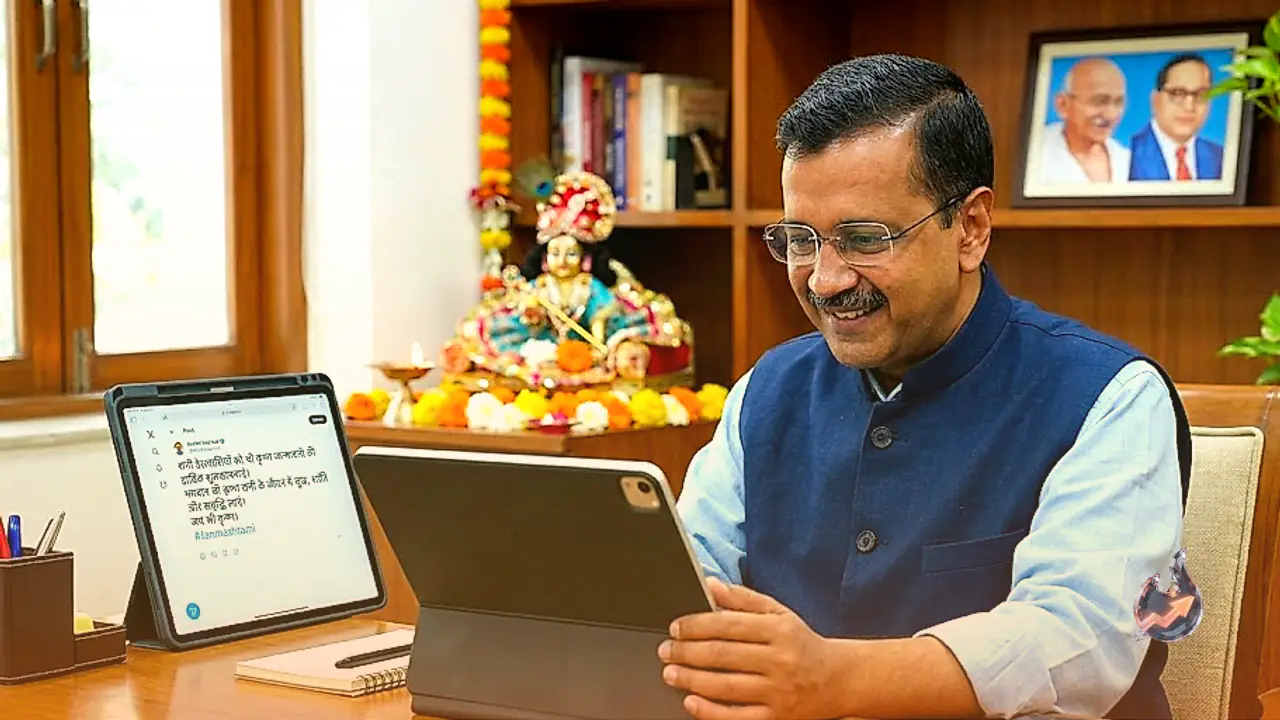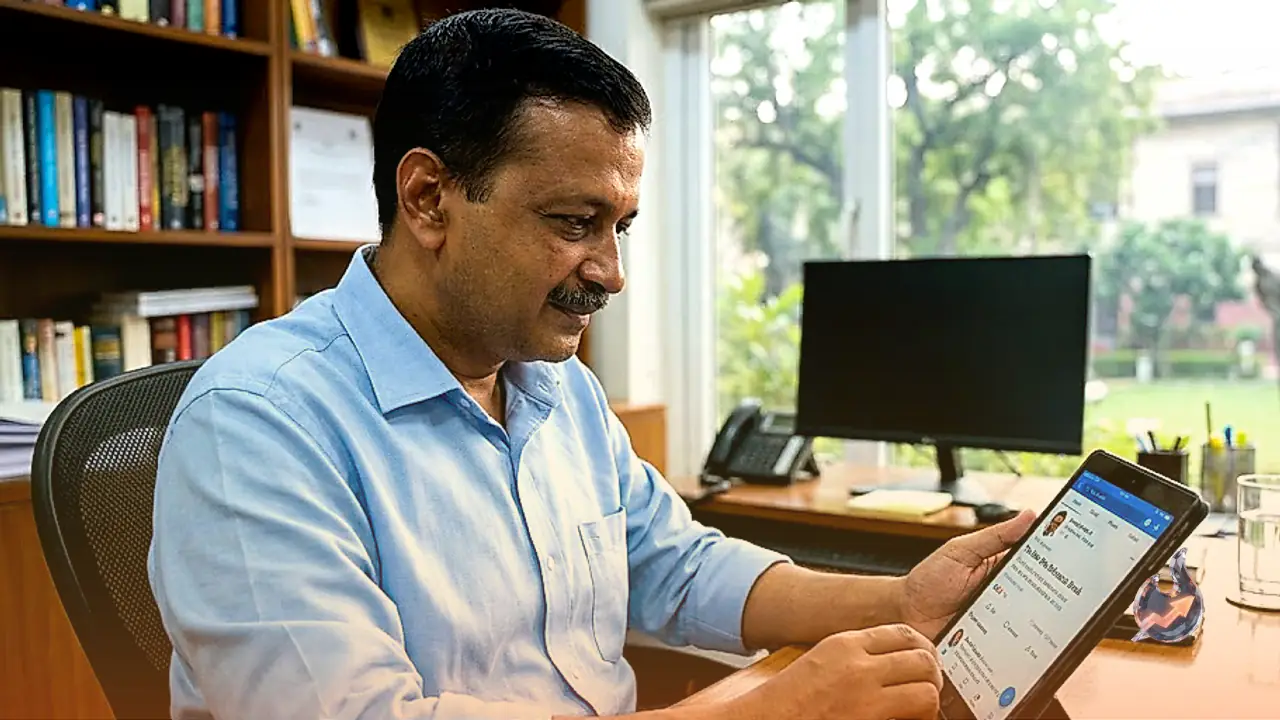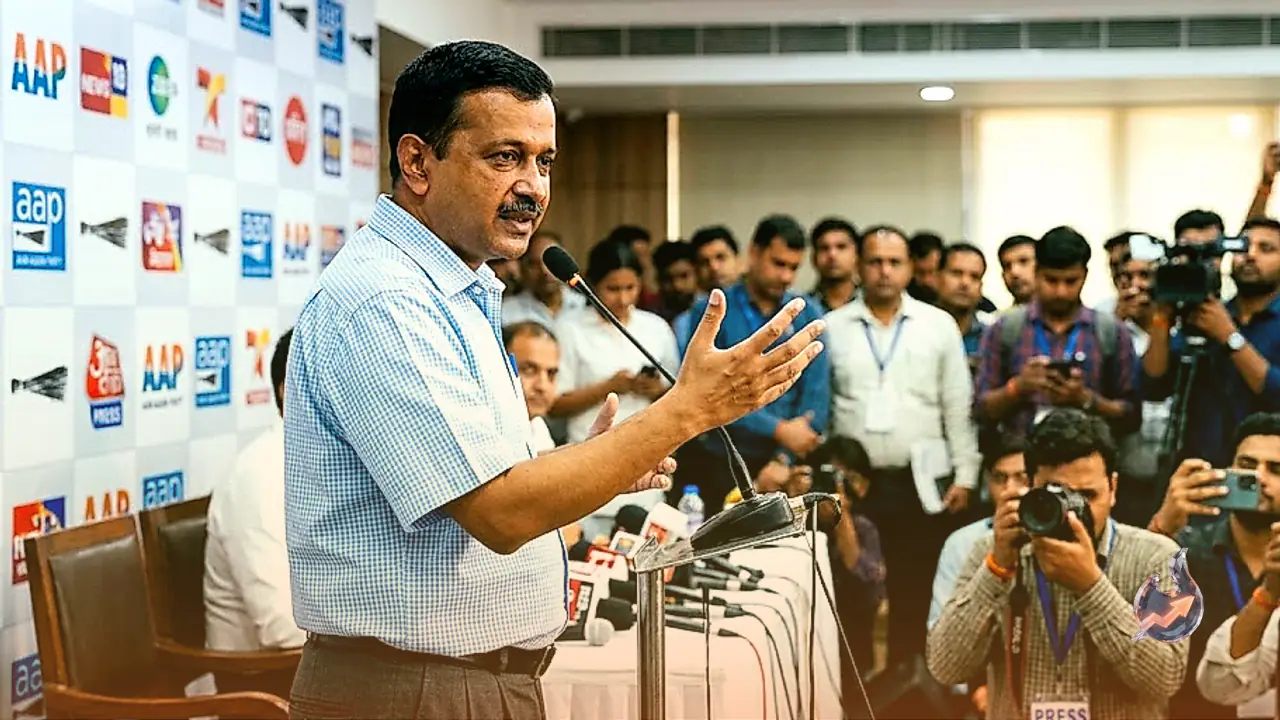






















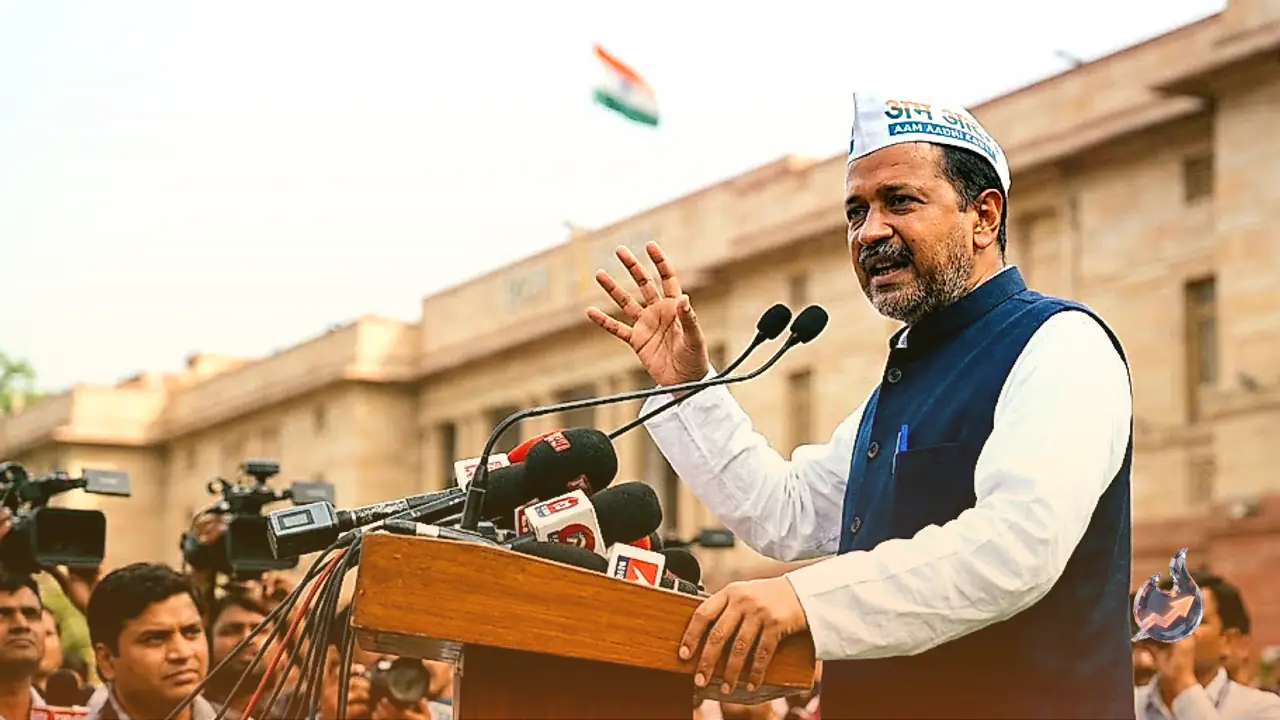

Social media platform X witnessed intense political activity following a sharp public statement released by Arvind Kejriwal. In a concise online message, Arvind Kejriwal targeted an opposing group using strong rhetoric, raising questions about their political authenticity, religious claims, and recent efforts to connect with younger generations.
Direct Attack on Opponents
Posting from his verified social media handle (@ArvindKejriwal), Arvind Kejriwal launched a multi-faceted critique against figures he referred to as belonging to a donation thief party. He asserted that these individuals have consistently presented an unauthentic image to the public regarding their devotion and patriotism. Paraphrasing his primary accusation, Arvind Kejriwal stated that the targeted group had already established a pattern of being fake patriots, fake Hindus, and fake nationalists.
Critique of Youth Outreach and Gen Z Branding
Beyond traditional political accusations, Arvind Kejriwal directed attention toward modern campaign tactics aimed at younger demographics. He pointed out how political figures attempt to adopt contemporary trends to reshape their public perception. Highlighting this shift in strategy, he remarked, "Nowadays they are roaming around posing as fake Gen Z." This comment emphasizes his view that attempts by political groups to project a youth-oriented image are superficial and disconnected from reality.
Evolving Dynamics of Digital Political Discourse
The message highlights the increasing reliance on digital platforms for high-stakes political messaging. By combining traditional political criticisms regarding funding and faith with modern cultural references like Gen Z, the statement reflects how political communication is shifting toward real-time social media commentary. Such statements often aim to redefine public narrative and challenge the credibility of political adversaries in front of a digital audience.
Public Reaction and Social Media Engagement
Following the publication of the post, social media users engaged in extensive discussions across the platform. The post generated varied responses from the online community, with supporters echoing the criticism of fake political messaging. Concurrently, critics and commentators raised questions about broader administrative performance and governance issues, demonstrating the diverse public interpretation of contemporary political statements.