























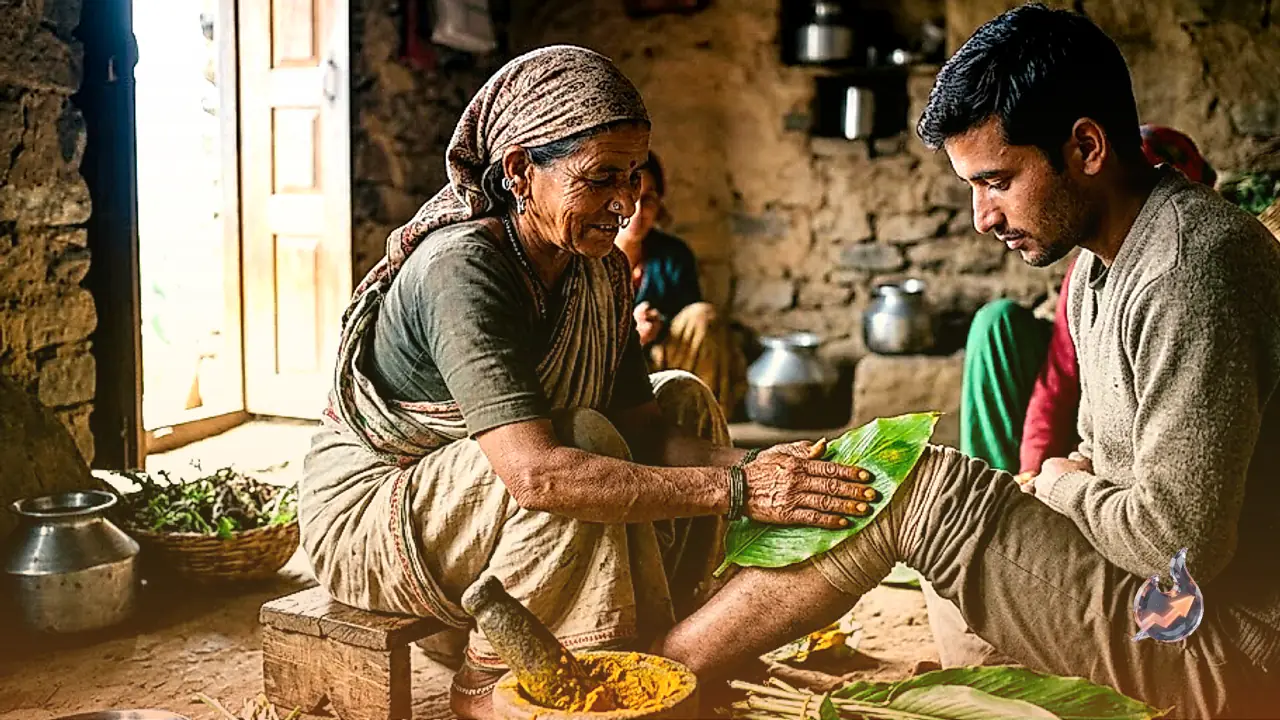

In the beautiful and rugged mountainous terrains of Uttarakhand, traditional lifestyles have always maintained a deep connection with nature. Local residents of these hilly areas frequently incorporate a wide variety of wild and cultivated medicinal plants into their daily routines and dietary practices. In this context, turmeric is valued not only for its vibrant yellow roots, which are widely processed into the familiar spice, but also for its fresh green leaves, which occupy a highly respected place in local households. People living in these remote regions have a long-standing tradition of using these fresh leaves in various local culinary delicacies, traditional decoctions, and soothing home remedies. According to ancient Ayurvedic wisdom and traditional medicine, turmeric leaves are naturally packed with powerful antioxidants, antibacterial agents, and anti-inflammatory properties that work synergistically to support overall physical well-being.
Supporting Digestive Health: Insights from Dr. Aijal Patel
To better understand these traditional practices from a medical perspective, Dr. Aijal Patel has shared crucial insights regarding the plant's therapeutic value. According to Dr. Patel, the primary traditional application of turmeric leaves revolves around relieving digestive discomfort and regulating gastrointestinal functions. The leaves contain highly active natural organic compounds that can assist in streamlining the digestive process and mitigating common stomach ailments. In rural communities, residents often prepare a warm decoction from these fresh leaves or add them directly to cooking pots. This practice not only infuses the food with a distinct, pleasant aroma and flavor but also contributes to maintaining a healthy gut environment. On a scientific level, numerous studies have explored the positive impacts of bioactive compounds found within the broader ginger and turmeric plant families on human digestive wellness.
Combatting Oxidative Stress with Natural Antioxidants
Turmeric leaves are a rich source of diverse natural compounds that exhibit potent antioxidant properties. Daily metabolic activities within the human body inevitably generate oxidative stress, a biological process that damages healthy cells and accelerates aging. The antioxidant molecules present in these leaves function as a protective shield, helping the body neutralize harmful free radicals and minimize cellular damage. Consequently, traditional medicine systems have long regarded every single part of the turmeric plant as a virtual treasure trove of therapeutic benefits. In the culinary culture of Uttarakhand's hills, prioritizing these fresh, locally sourced ingredients is central to preparing wholesome meals that deliver direct health benefits straight from nature without any artificial additives.
Skincare Applications, Wound Healing, and Potential Allergy Risks
When it comes to topical applications, a smooth paste prepared by grinding fresh turmeric leaves has traditionally been utilized as an excellent remedy for skincare. In rural hilly sectors, when someone suffers from a minor cut, a shallow wound, localized skin irritation, or painful swelling, applying this herbal paste to the affected area is a common practice. Researchers have also confirmed that certain active elements present in plants of the turmeric family do possess significant anti-inflammatory and antimicrobial properties capable of fighting off pathogens. However, medical experts urge consumers to exercise extreme caution before applying this paste directly to their skin. Because individual skin sensitivity varies greatly, some people might experience allergic reactions, red rashes, or severe itching upon coming into direct contact with these raw botanical compounds. To avoid such adverse effects, it is strongly recommended to perform a patch test on a small, discreet area of the skin before applying the paste to larger areas or the face.
Immune System Support and Traditional Culinary Integration
The natural compounds found within turmeric leaves are also believed to play a role in supporting the body's immune system. The antioxidants and other active botanical components help strengthen the body’s defenses indirectly. Despite these traditional associations, medical scientists clarify that consuming turmeric leaves alone is not a scientifically proven method for instantly boosting immunity. Building a resilient immune system requires a holistic approach to daily living, which includes eating a well-balanced diet packed with essential nutrients, getting sufficient restorative sleep, participating in regular physical exercise, and maintaining excellent personal hygiene.
From a culinary standpoint, fresh turmeric leaves are highly prized for their unique sensory qualities. In the hills of Uttarakhand, these leaves are utilized to prepare several signature delicacies. They are frequently used to wrap traditional sweets, steamed dishes, and local savory recipes during the cooking process, allowing their signature herbal aroma to infuse deep into the food. Nevertheless, regardless of how these leaves are utilized, it is absolutely essential to wash them thoroughly to remove dirt and use them in moderate, appropriate quantities.
Crucial Medical Advice for Safe Consumption
While the traditional benefits of turmeric leaves are widely celebrated, more extensive scientific research and clinical studies are required to fully validate and standardize their therapeutic health claims. Every human body reacts differently to natural herbs and botanical remedies. Pregnant women, infants, young children, individuals with a known history of severe allergies, and patients who take daily prescription medications should strictly avoid consuming herbal decoctions or remedies made from turmeric leaves without consulting a qualified medical professional first. Seeking advice from a healthcare specialist remains the safest and most reliable way to explore any natural home remedy.