



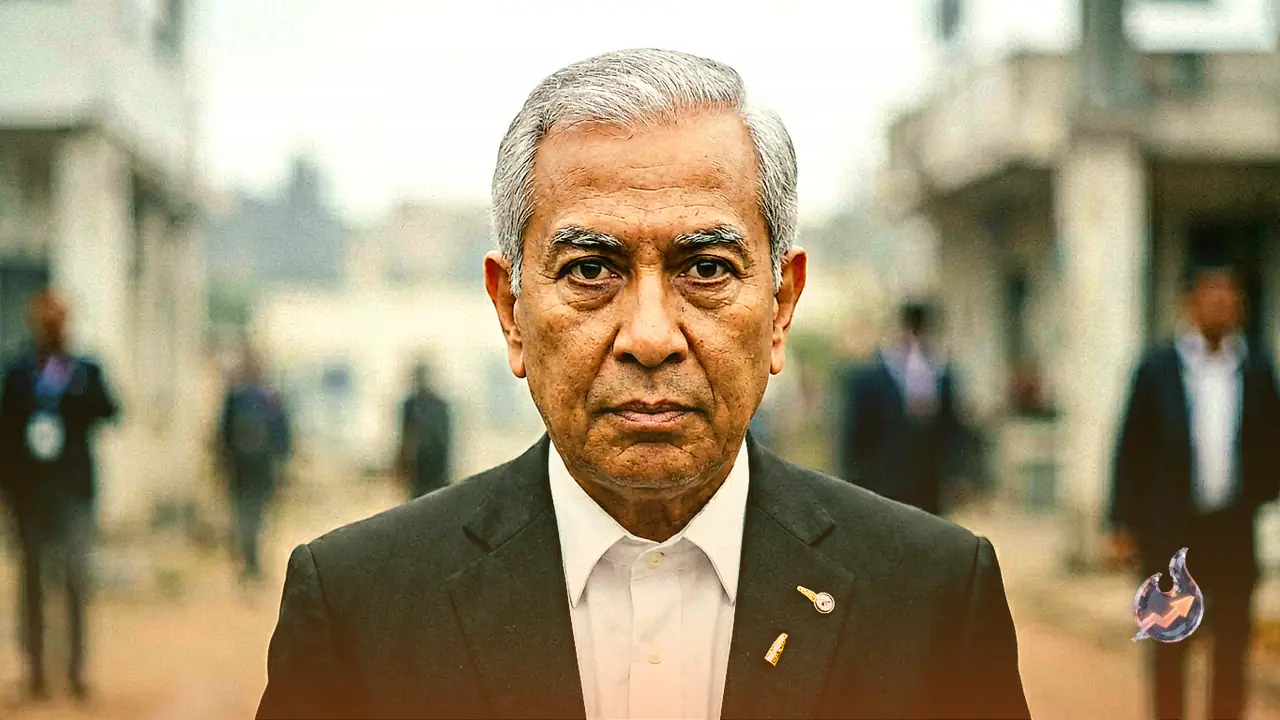



















The Narcotics Control Bureau (NCB) has achieved a significant operational breakthrough by securing the extradition of fugitive drug kingpin Virender Singh Basoya from the United Arab Emirates (UAE). Basoya, who was wanted in India for his key role in a high-profile multi-crore cocaine smuggling network, was brought back to face legal proceedings.
Extradition of High-Profile Fugitive
Indian security agencies had launched an international tracking operation against Virender Singh Basoya following his connection to a massive cocaine bust. To target international traffickers hiding overseas, the NCB coordinated closely with authorities in the UAE, successfully apprehending the fugitive and arranging his return to India.
Zero Tolerance Policy Against Narcotics
Following the successful return of the fugitive, Union Home Minister Amit Shah highlighted the achievement on social media platform X. Shah stated that the Modi government maintains a strict zero-tolerance stance against narcotics. He emphasized that law enforcement agencies are actively pursuing drug syndicates, tracking kingpins operating beyond national borders, and systematically dismantling their operational ecosystems.
Strengthening Cross-Border Enforcement
This extradition reflects growing international coordination between Indian law enforcement agencies and overseas authorities. Officials expect that bringing key operatives back to face trial will significantly disrupt the logistical and financial pipelines of transnational drug trafficking networks.
Public Reaction
The announcement generated extensive discussion on social media platforms. While many citizens commended the government's decisive action against overseas syndicates, several commentators stressed the importance of curbing domestic drug distribution and maintaining tighter surveillance at major ports and local hubs.