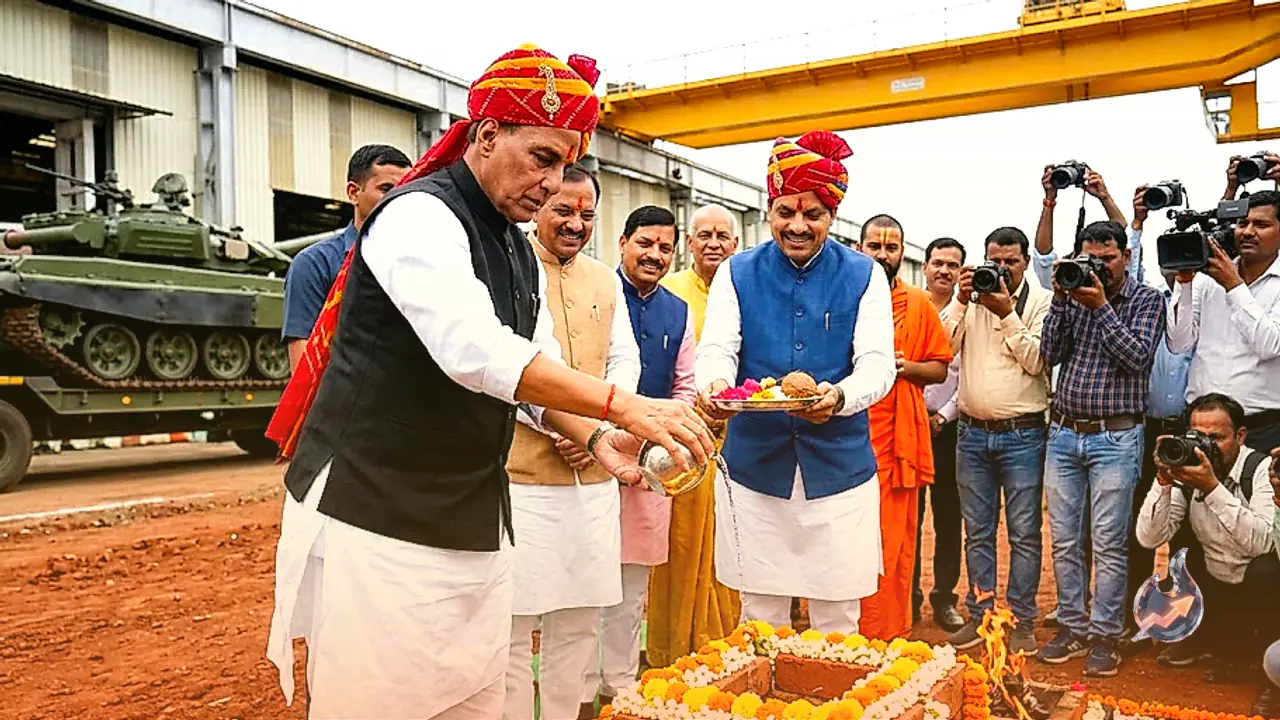

























India has accelerated strategic efforts to establish itself as a global hub for defence manufacturing and exports. Defence Minister Rajnath Singh reaffirmed the government's commitment to reducing reliance on foreign supply chains and bolstering domestic defence capabilities. He emphasized that the primary priority is to achieve self-reliance across the entire lifecycle of military hardware, ranging from initial manufacturing to overhaul, maintenance, and technical upgrading within the country. The establishment of a new overhaul facility in Jabalpur, Madhya Pradesh, serves as a crucial milestone in realizing this national objective.
Jabalpur Overhaul Facility and the Self-Reliance Roadmap
Achieving self-reliance in the defence sector requires more than just fabricating new weaponry; maintaining and upgrading existing military assets is equally vital. The establishment of the new overhaul facility in Jabalpur is a strategic step toward building comprehensive domestic sustainment infrastructure. Through this center, military equipment and defence systems used by the armed forces will undergo deep maintenance and technical overhauls locally. This initiative significantly reduces dependency on foreign original equipment manufacturers and eliminates lengthy turn-around delays during equipment servicing.
Defence Minister Rajnath Singh stated that the national goal is to turn India into a global defence manufacturing and export hub. He noted that reducing dependence on foreign supply chains while expanding self-reliance in arms production, overhaul, and upgradation remains the top priority. This transition is expected to save substantial foreign exchange while providing major production orders to domestic defence enterprises and micro, small, and medium enterprises.
India's Growing Footprint in Defence Production and Exports
Over the past eleven years, India's defence exports have experienced unprecedented growth. Indigenously developed defense platforms, such as the Tejas light combat aircraft and the Akash missile defence system, are attracting strong interest in international markets. The domestic defence manufacturing ecosystem is rapidly transitioning from merely meeting local armed forces requirements to emerging as a globally competitive exporter.
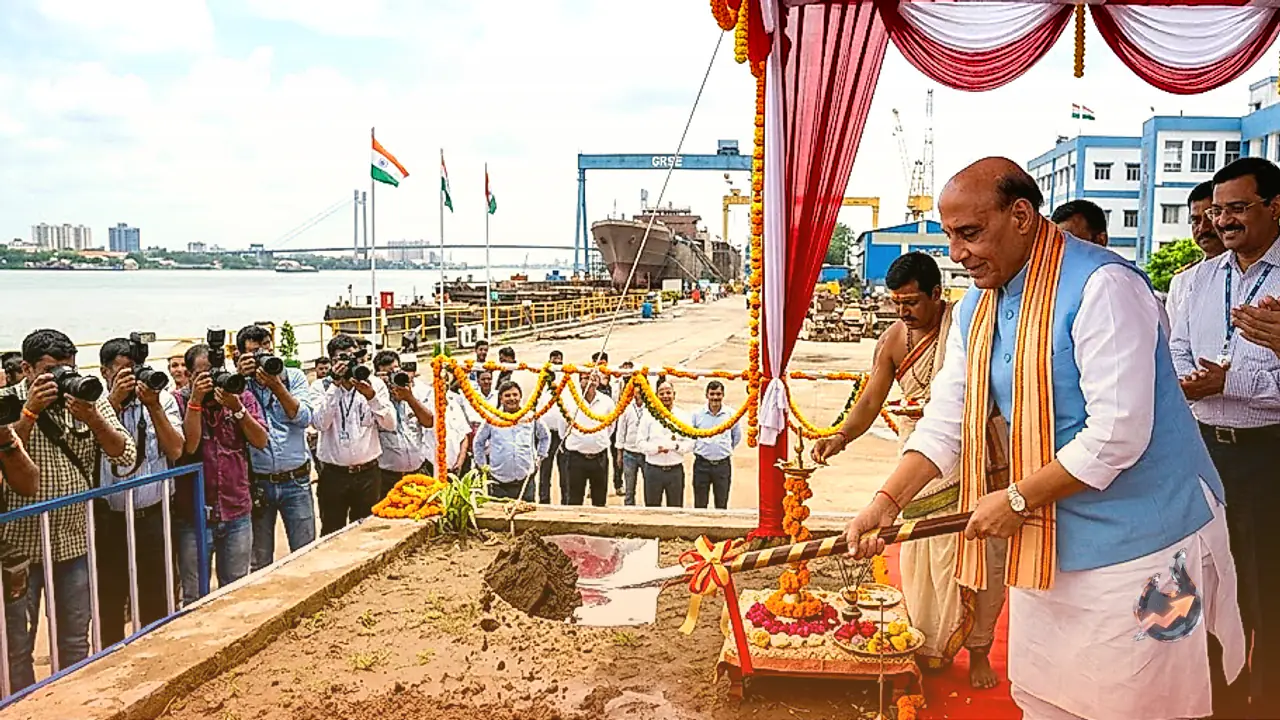
Naval ship construction and maritime infrastructure development form another cornerstone of this manufacturing expansion. Foundation stones were laid for five major shipbuilding projects in Bengal, aimed at enhancing indigenous naval construction capabilities and positioning India as a global shipbuilding destination. Through these initiatives, the government aims to strengthen its manufacturing ecosystem and secure a prominent role in international supply chains alongside major industrial economies.
Strategic and Industrial Significance of Jabalpur
The city of Jabalpur in Madhya Pradesh holds immense historical, administrative, and strategic significance. Widely recognized as the judicial capital and cultural center of the state, Jabalpur hosts the High Court of Madhya Pradesh, the State Judicial Academy, and the State Institute of Science. Beyond its judicial and educational prominence, the city possesses a rich military and industrial legacy.
Jabalpur is home to a major Indian Army cantonment and a substantial cluster of Indian Ordnance Factories that have produced military vehicles, arms, and ammunition for decades. The city also serves as the headquarters for the West Central Railway zone. With its existing industrial framework, skilled workforce, and transport connectivity, Jabalpur provides an ideal environment for the new overhaul facility to flourish and strengthen the broader defence ecosystem.
Manufacturing Growth and Future Outlook
Under Prime Minister Narendra Modi's economic vision, industrial manufacturing has been accorded top priority to drive national economic expansion. Defence manufacturing occupies a central role within this broader industrial growth framework. To remain competitive on the world stage, domestic production strategies are prioritizing technological innovation, strict quality standards, and advanced engineering capabilities.
Sustaining this momentum presents several structural tasks. Ensuring consistent quality and operational reliability is essential to gaining international market confidence. Furthermore, expanded investments in research and development will be necessary to eliminate reliance on critical foreign components and master next-generation defense technologies.
Public Reaction
The Defence Minister's announcement generated varied reactions across public discussion platforms. Numerous citizens praised the push toward defence self-reliance and indigenous capability building, while others raised points regarding engineering standards, recruitment policies, and the pace of domestic technological development.