

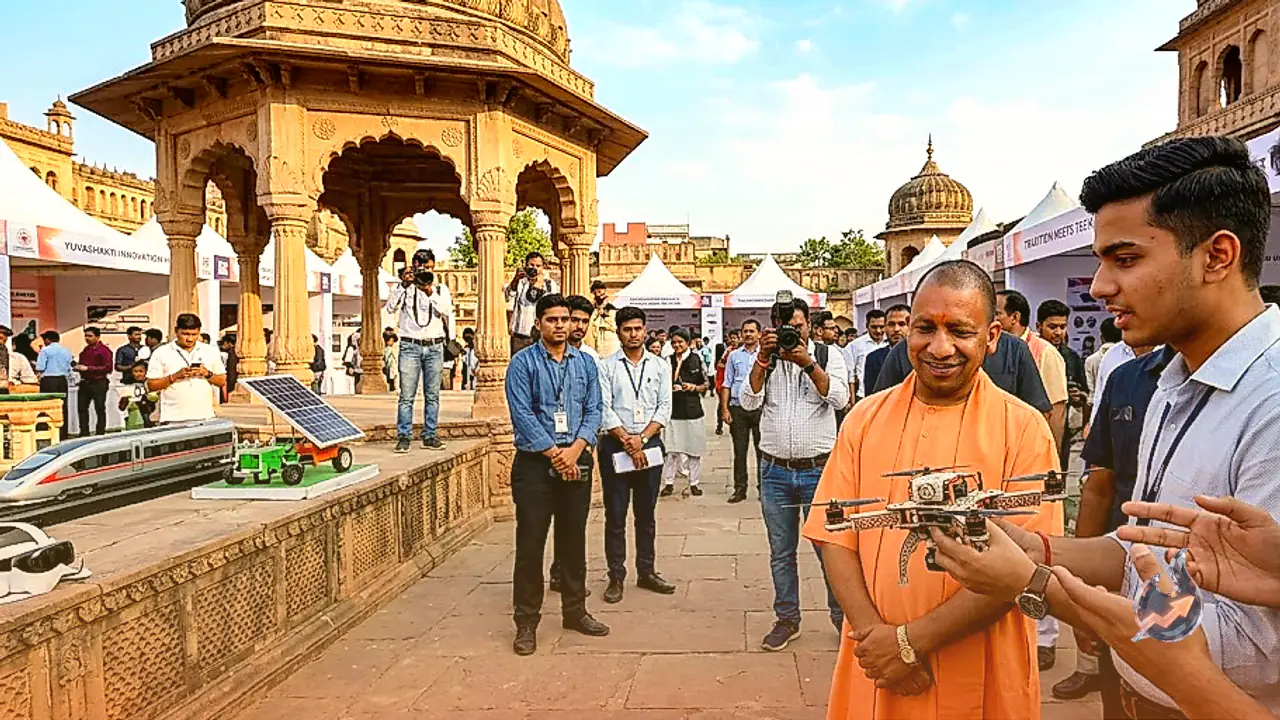
















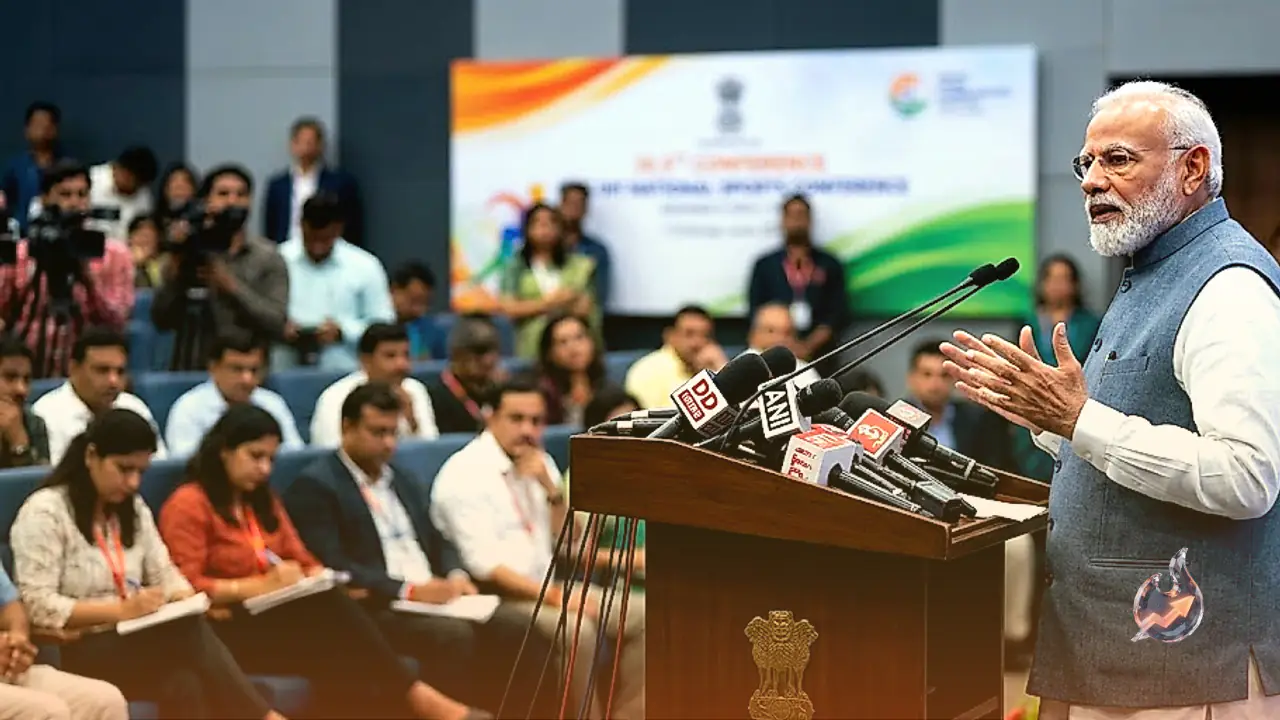

Narendra Modi initiated a public conversation on social media by asking citizens whether they have observed a noticeable shift in societal attitudes toward sports. The statement has triggered a broader discussion regarding the evolution of athletic culture in India, the state of grassroots infrastructure, and emerging global perspectives surrounding sports and entertainment.
Growing Focus on Grassroots Infrastructure and State Support
The post comes at a time when sports development in India is undergoing significant structural discussions. Over recent years, several state initiatives have reshaped how athletics are fostered at the local level. For instance, Odisha has gained widespread recognition for sponsoring national teams, including hockey, and transforming traditional grounds into modern training hubs. Meanwhile, sports enthusiasts and experts continue to emphasize the necessity of expanding district-level infrastructure, providing quality coaching, and integrating sports science to support young athletes effectively across all regions.
Global Perspectives and Concerns Over Commercialization
While interest in sports participation continues to grow, international studies highlight complex societal challenges associated with modern sports culture. According to a Pew Research Center survey conducted on October 2, 2025, an increasing number of Americans view legal sports betting as a harmful trend for both sports and society as a whole. The findings reflect growing concerns globally regarding the impact of heavy commercialization and gambling integration on the integrity of athletic competition, contrasting sharp differences between promoting healthy sports participation and managing commercial sports ventures.
Public Reaction
The online post drew widespread engagement from citizens who expressed a mix of optimism and constructive criticism. While many commentators praised ongoing efforts to build a national sporting culture and highlighted successful state-led models, others pointed out organizational challenges at regional athletic events and called for greater transparency in sports administration funding.