

















Firaq Gorakhpuri remains one of the most iconic figures in Urdu literature, whose poetic genius left an indelible mark on Indian letters. Born on August 28, 1896, in Gorakhpur, Uttar Pradesh, his real name was Raghupati Sahay, though he earned world renown under his literary pen name. Raised in an educated and prosperous family, Gorakhpuri led an extraordinary life defined by academic brilliance, political sacrifice, and literary achievements. Choosing patriotism over personal comfort, he turned down prestigious British administrative posts under the Imperial Civil Service (ICS) and Provincial Civil Service (PCS) to join Mahatma Gandhi's freedom struggle. After suffering imprisonment for his anti-colonial activities, he dedicated his life to teaching and poetry, eventually becoming the very first Urdu writer to be honored with the prestigious Jnanpith Award.
Early Life, Academic Excellence, and Premchand's Mentorship
Growing up in Gorakhpur, Gorakhpuri was immersed in an intellectually stimulating environment from a young age. His father, Gorakh Prasad, was a keen lover of literature who composed poetry himself, creating an atmosphere that deeply inspired young Firaq. Under this household influence, Gorakhpuri began learning Urdu and Persian early in childhood. He completed his early schooling in Gorakhpur before moving to Allahabad for higher studies.
Gorakhpuri proved to be an exceptionally brilliant student, securing the fourth rank across the entire state in his Bachelor of Arts (BA) examination. Alongside his academic achievements, his passion for literature and creative writing flourished. In 1916, at the age of 20 while pursuing his BA degree, he penned his very first ghazal. During this period, he encountered the renowned author Munshi Premchand, who was also residing in Gorakhpur at the time. Premchand recognized the extraordinary poetic potential in young Gorakhpuri and took active steps to encourage his talent. He forwarded Gorakhpuri's early compositions to Dayanarayan Nigam, the editor of the prominent literary magazine 'Zamana'. This vital introduction marked the beginning of Gorakhpuri's poetry reaching a widespread reading public.
Sacrificing Top Civil Service for the Freedom Movement
Upon completing his education, Gorakhpuri's exceptional merits earned him selection into government administration. He cleared both the Provincial Civil Service (PCS) and the highly coveted Imperial Civil Service (ICS). During the colonial era, securing an ICS position was regarded as a monumental accomplishment, guaranteeing elite social status, substantial financial security, and high prestige. However, Gorakhpuri's devotion to the nation far outweighed any prospects of personal career advancement.
During this period, the Indian independence movement was gathering momentum under the leadership of Mahatma Gandhi, who called for the Non-Cooperation Movement against British colonial rule. Deeply moved by Gandhi's patriotic appeal, Gorakhpuri made the bold decision to decline his appointment to the civil services and plunge directly into the freedom struggle. This defiance incurred the wrath of the colonial administration; he was arrested for his political activism and served approximately one and a half years in prison. Following his release from jail, Jawaharlal Nehru associated him with the organizational work of the Indian National Congress, where Gorakhpuri served for a period as an Under Secretary at the Congress headquarters.
Academic Tenure at Allahabad University and Historic Jnanpith Honor
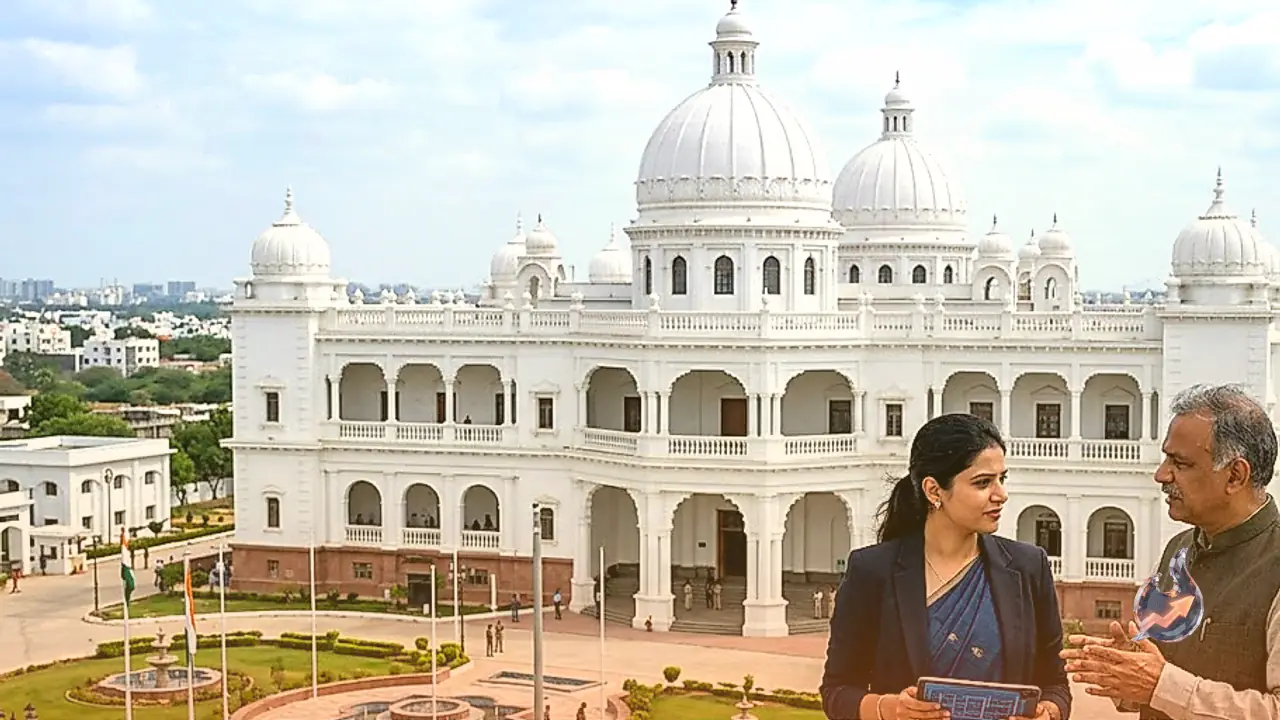
After his active engagement in national politics, Gorakhpuri chose to step back from political life around 1930 to dedicate his energy to education and literary creation. He joined the faculty of Allahabad University, where he taught English literature for decades as a respected professor. Possessing a deep command over Hindi, Urdu, and English, he brought a unique scholarly depth to both his teaching and his literary works.
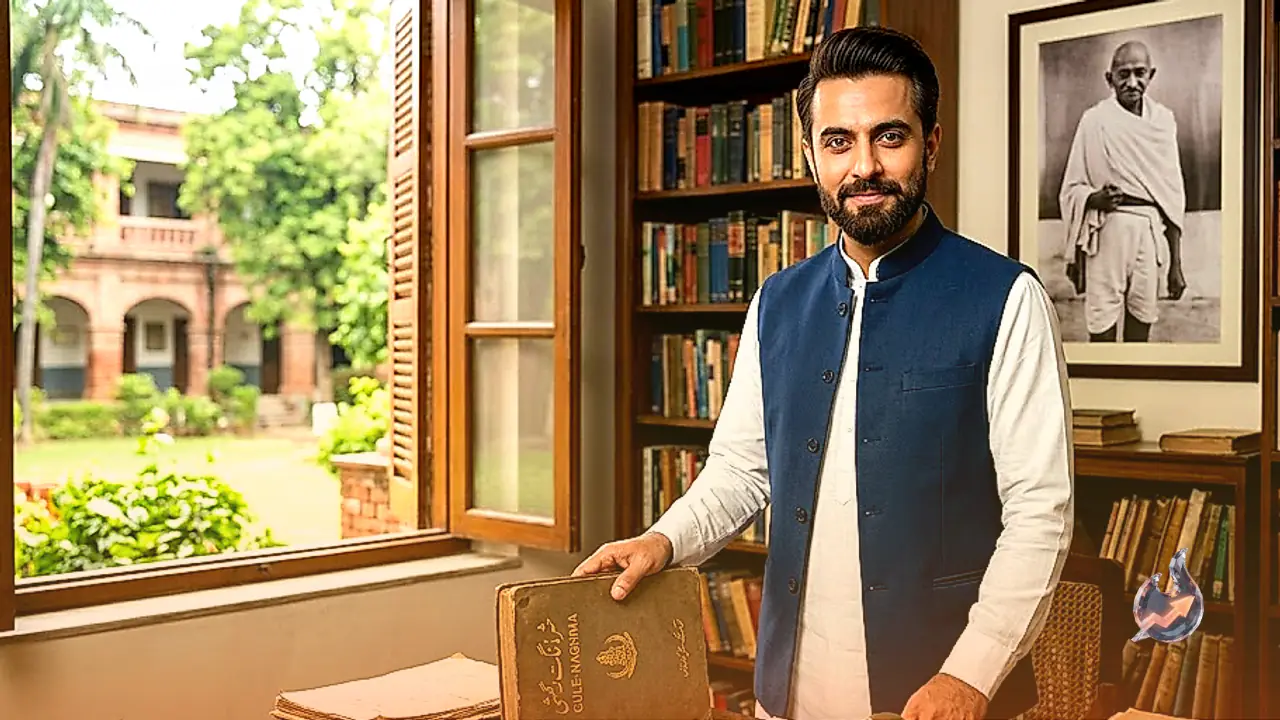
Gorakhpuri's poetry transcended traditional themes of romantic longing, capturing human relationships, societal realities, life's philosophy, and the genuine emotions of the common people. In addition to ghazals, he excelled in writing nazms, rubais, and various other poetic forms. His immense contribution to Indian letters earned him widespread recognition. In 1960, he was conferred the Sahitya Akademi Award for his celebrated poetry collection 'Gule-Naghma'. Later, in 1969, he was bestowed with the nation's highest literary distinction, the Indian Jnanpith Award, making him the first Urdu author in history to receive this prestigious honor.