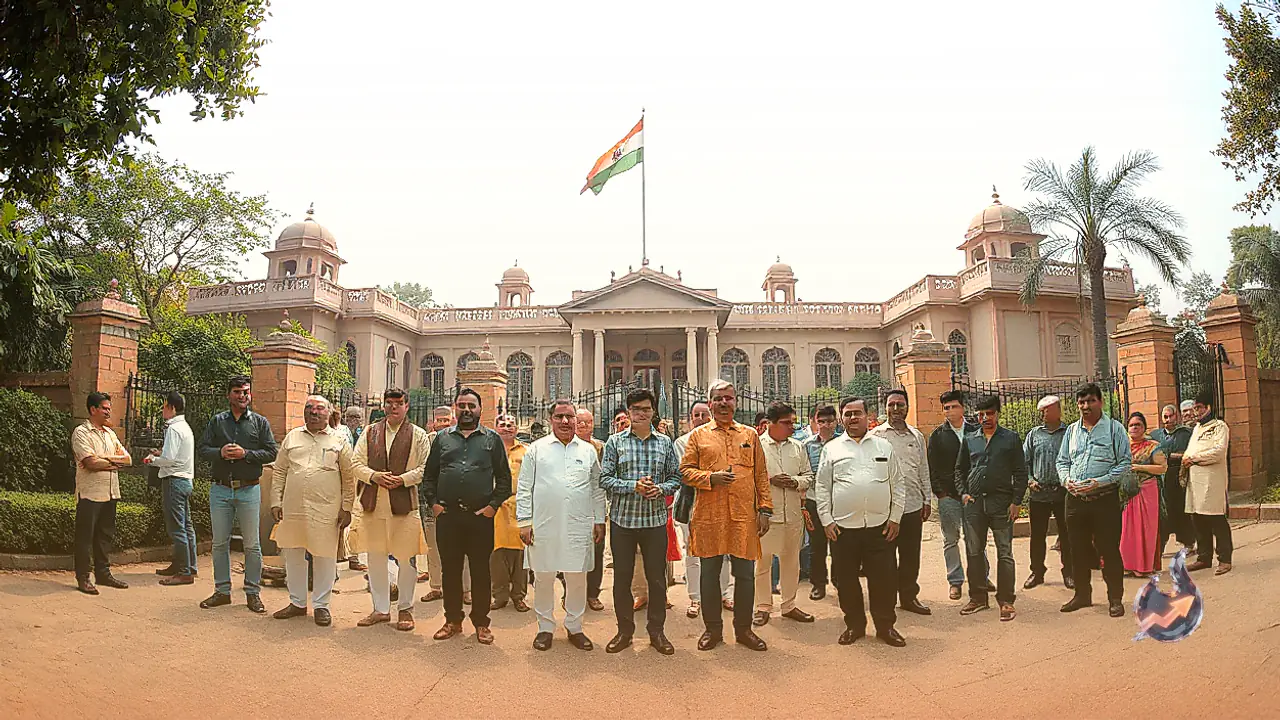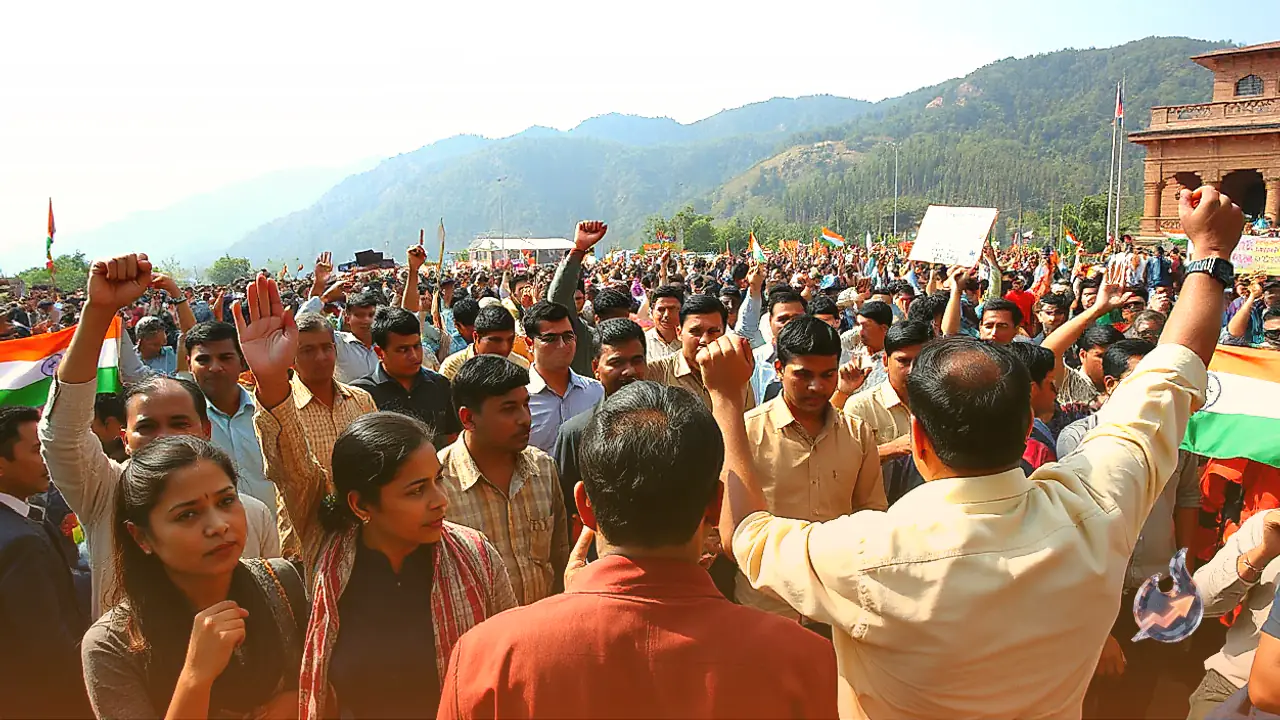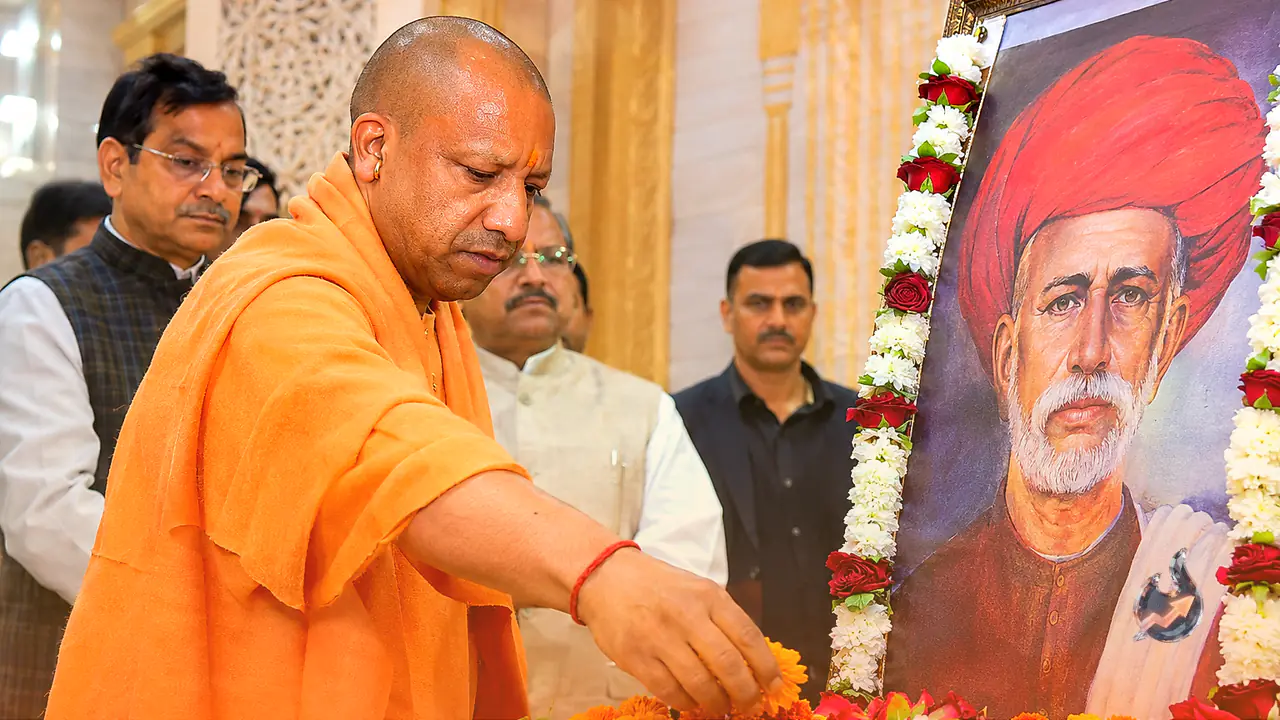

The first CII Banaras Biennale 2026 has opened in Kashi. Yogi Adityanath announced its launch in a post on X, describing the event as an attempt to bring economic life and faith into closer alignment. The post stated the idea behind the initiative but gave no details about its duration, activities, participants or financial goals.
The initiative presents Kashi through both its religious identity and its economic life. However, the available information does not explain what events the Biennale will host or which sectors it intends to involve. For now, its stated features are that this is the first edition and that it aims to connect the economy with faith.
What the post said
Adityanath’s post said the first edition had been launched in Kashi, the city associated with Baba Vishwanath. He described the event as an effort to create a strong link between the economy and faith. The post congratulated the Confederation of Indian Industry and its team on the initiative and wished the programme success.
It did not describe the Biennale’s organising structure, the roles of participating institutions, the activities available to visitors, or any projections for investment or employment. Without those details, it is not possible to assess the event’s potential economic effect. The message so far is that the organisers want to bring economic activity together with Kashi’s religious identity. Details of the programme and participation will be needed to understand how that idea will take shape.
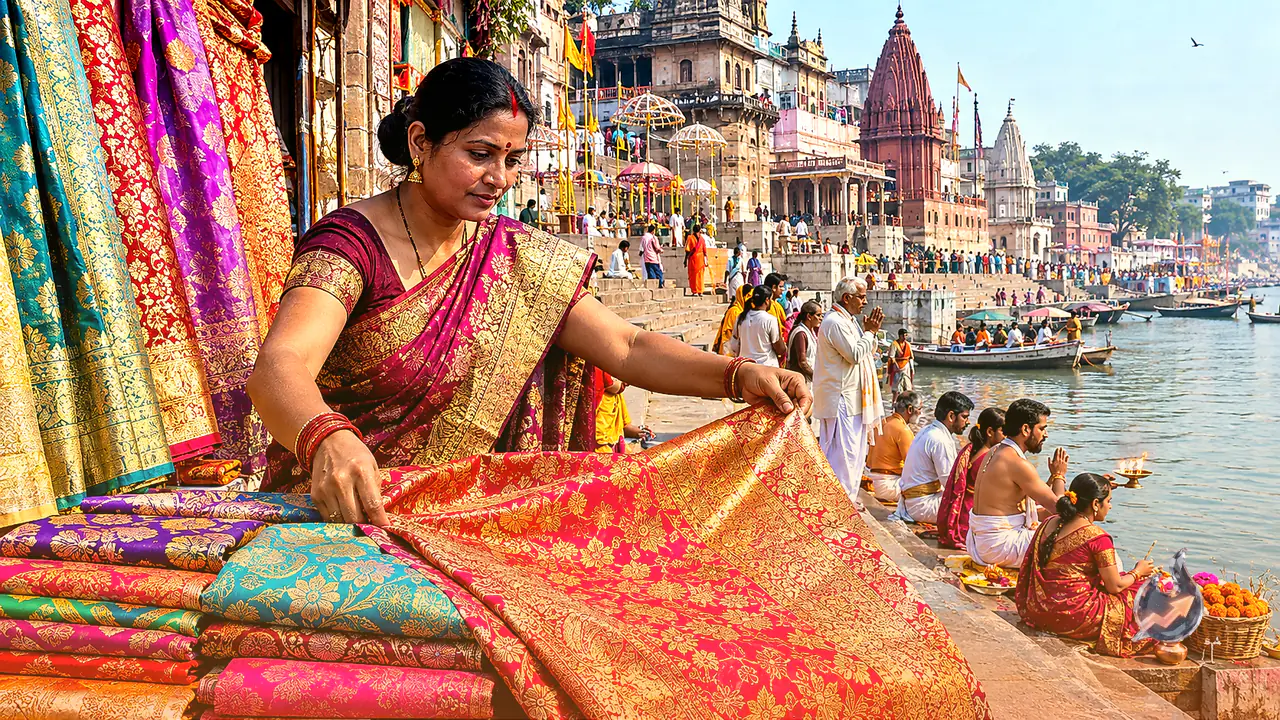
Connecting faith and the city’s economic identity
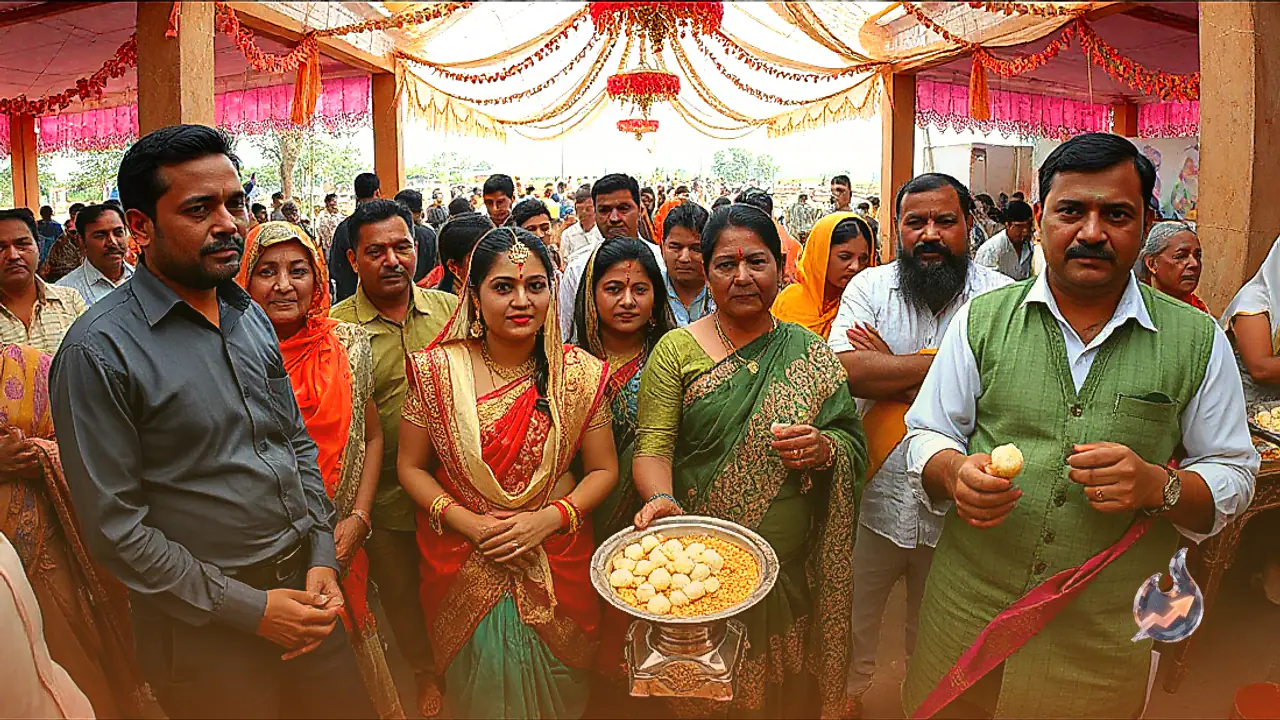
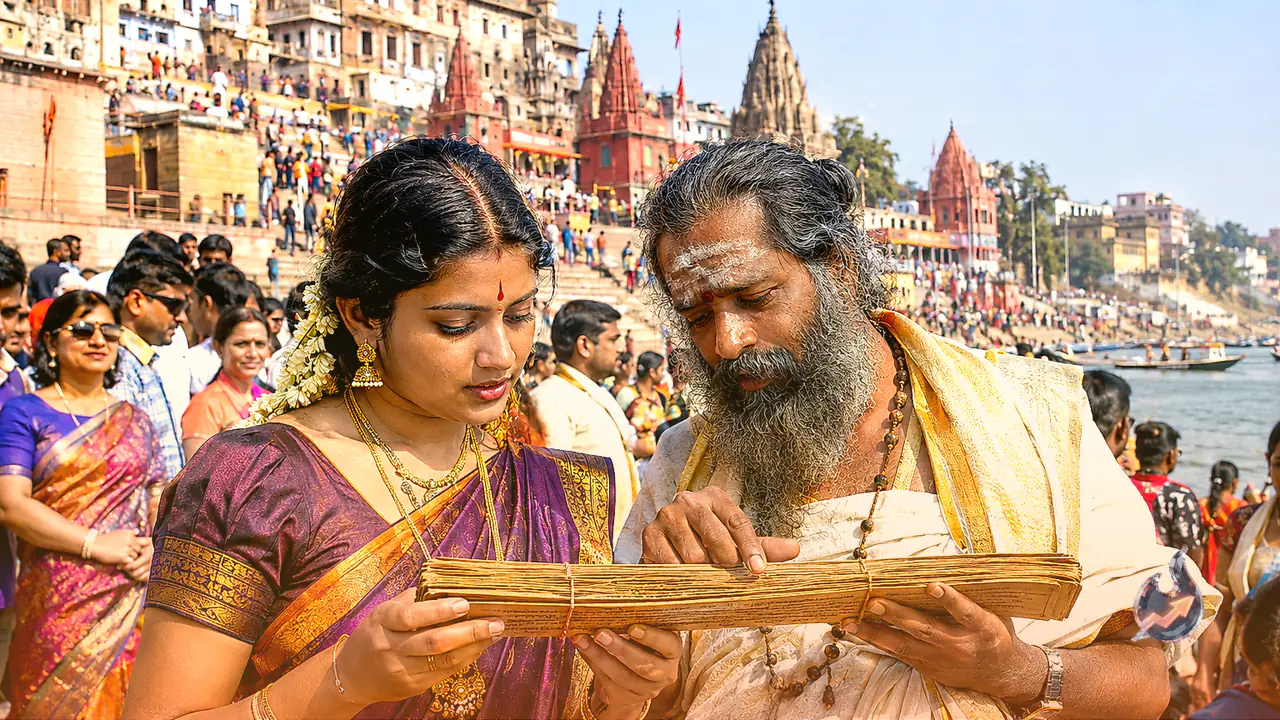
Religious observances and public events are a visible part of Kashi’s identity. Background headlines supplied with the post refer to plans for 11 lakh lamps, cow dung lamps and a 3D laser show for Dev Deepawali on November 24. Another describes Ganga ghats illuminated by lakhs of lamps and Guru Sharananand Maharaj taking part in lamp offerings. These are not described as Biennale events, but they offer context for the scale of public religious observances in the city.
Against that setting, the idea of bringing economic life and faith together could give Kashi a different kind of public presentation. The post does not say what activities will connect the two, however. It also makes no claim about how much the event might change business, tourism or local income. Those outcomes cannot be assessed until the organisers publish a plan and the actual programme is known.
About Kashi
Kashi is a historic city located in present-day Varanasi. It lies on the northern bank of the Ganga in southeastern Uttar Pradesh, between the points where the Varuna and Asi rivers meet the Ganga. The river bends here from south to north. Banaras was an older commonly used name for the city, while Varanasi is its official name.
What to watch for next
After the launch, the Biennale’s value will depend on how its stated idea translates into specific activities. The public post did not provide dates, venues, a programme or a process for public participation. The most useful next details for readers will be the full schedule and information about the participating organisations and people.
Public replies to the post do not show a clear pattern of support, criticism or questions about the Biennale. Several responses concerned other religious and political subjects, so they cannot establish public opinion about this event.