






















The Lok Sabha has officially passed the Public Examinations (Prevention of Unfair Means) Amendment Bill, 2026, marking a major legislative move to curb exam paper leaks and fraudulent practices across India. The passage came following an intense, marathon debate in Parliament featuring sharp exchanges between government ministers and opposition leaders.
Strict Penalties and Provisions of the Anti-Paper Leak Law
The amended legislation significantly escalates punishment for individuals and organized syndicates involved in compromising competitive and public recruitment exams. Under the new provisions, convicted offenders face stringent jail terms of up to 10 years along with heavy financial penalties reaching up to Rs 10 crore. Education Minister Pralhad Joshi emphasized during the parliamentary discussion that the primary objective of this bill is to systematically dismantle the entire paper leak ecosystem operating in the country.
Rajnath Singh Welcomes Parliamentary Approval
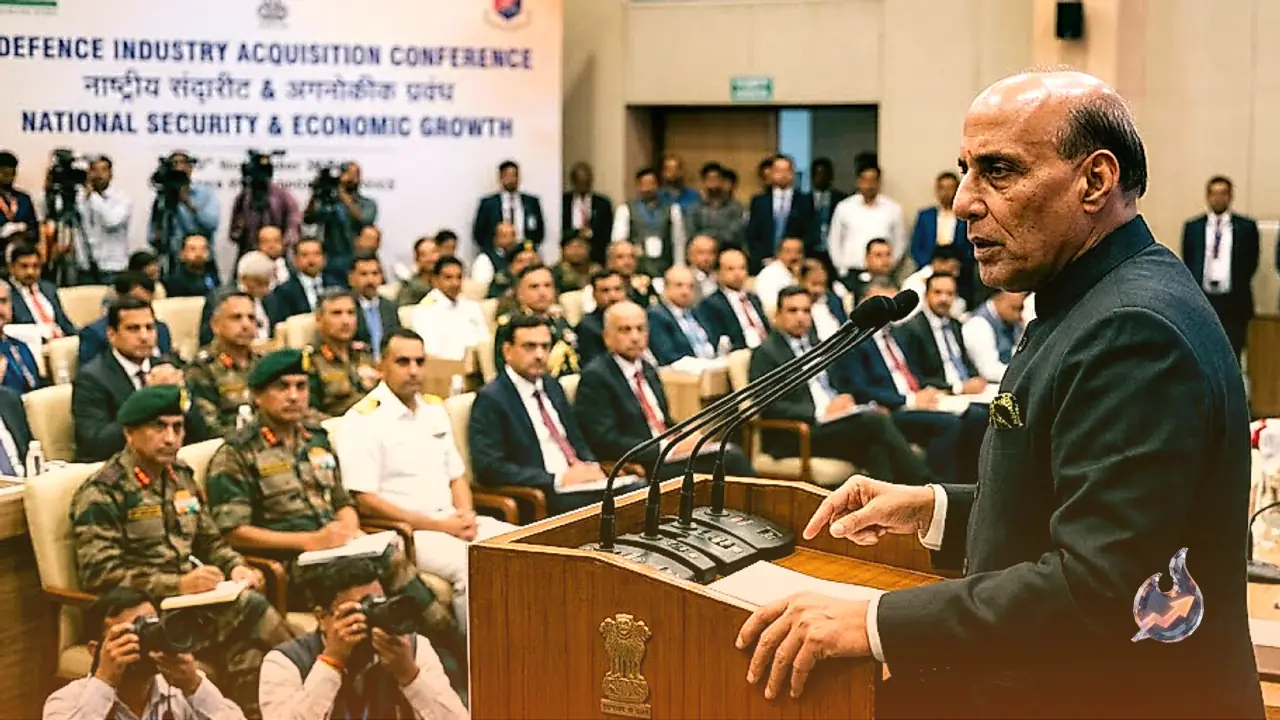
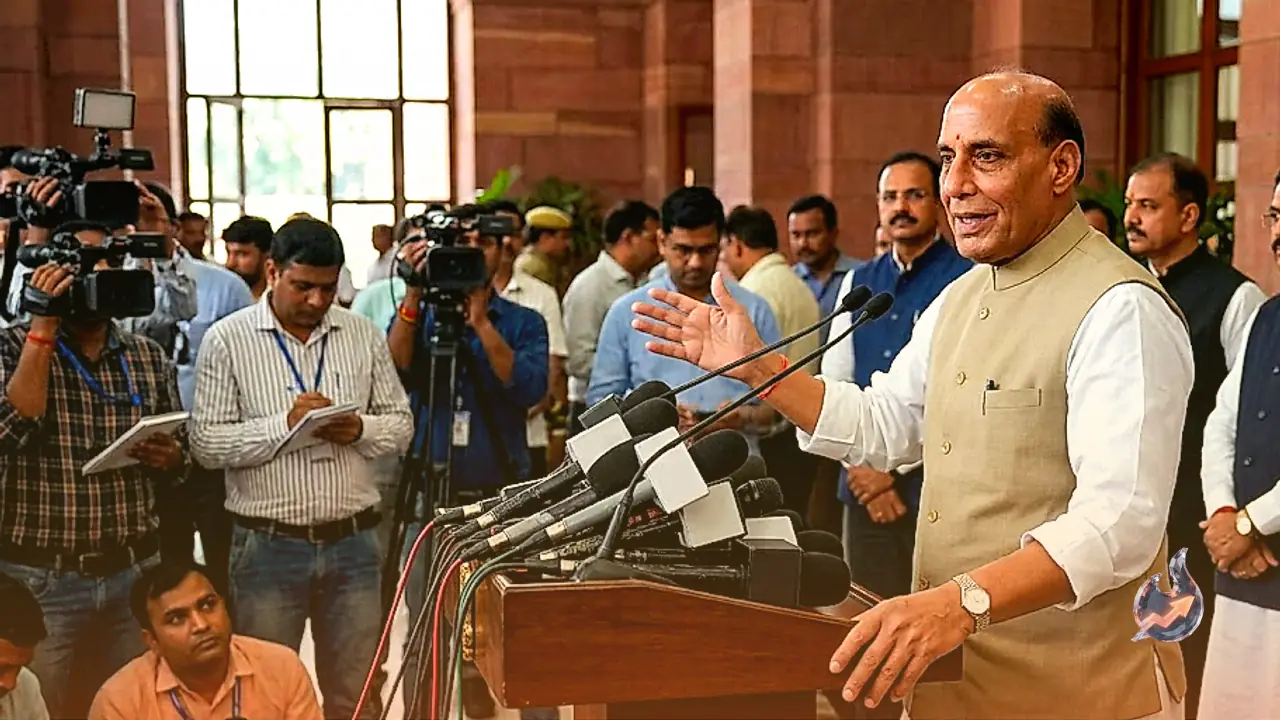
Welcoming the clearance of the legislation in the Lower House, Defence Minister Rajnath Singh shared his thoughts on social media. Expressing delight over the passage of the Public Examinations (Prevention of Unfair Means) Amendment Bill, 2026, he highlighted that the extensive parliamentary debate paves the way toward fortifying the credibility and integrity of the national examination framework. He also extended his appreciation to the members of Parliament across political parties who participated in the deliberations.
Parliamentary Showdown and Opposition Debates
The legislative proceedings saw high drama as opposition leaders, including Rahul Gandhi, raised critical questions regarding student protests and ongoing recruitment controversies. The discussion sparked heated arguments between treasury and opposition benches regarding the timing, scope, and implementation strategy of the new anti-leak regulations. Despite the sharp pushback and procedural hurdles, the government successfully pushed the bill through the House.
Public Reaction and Student Concerns
The passage of the bill has drawn a varied response from the public and student communities. While many citizens appreciated the introduction of severe legal deterrents against corruption in exams, several commentators emphasized that stringent laws must be backed by fundamental structural reforms and effective ground-level execution to truly safeguard student futures.