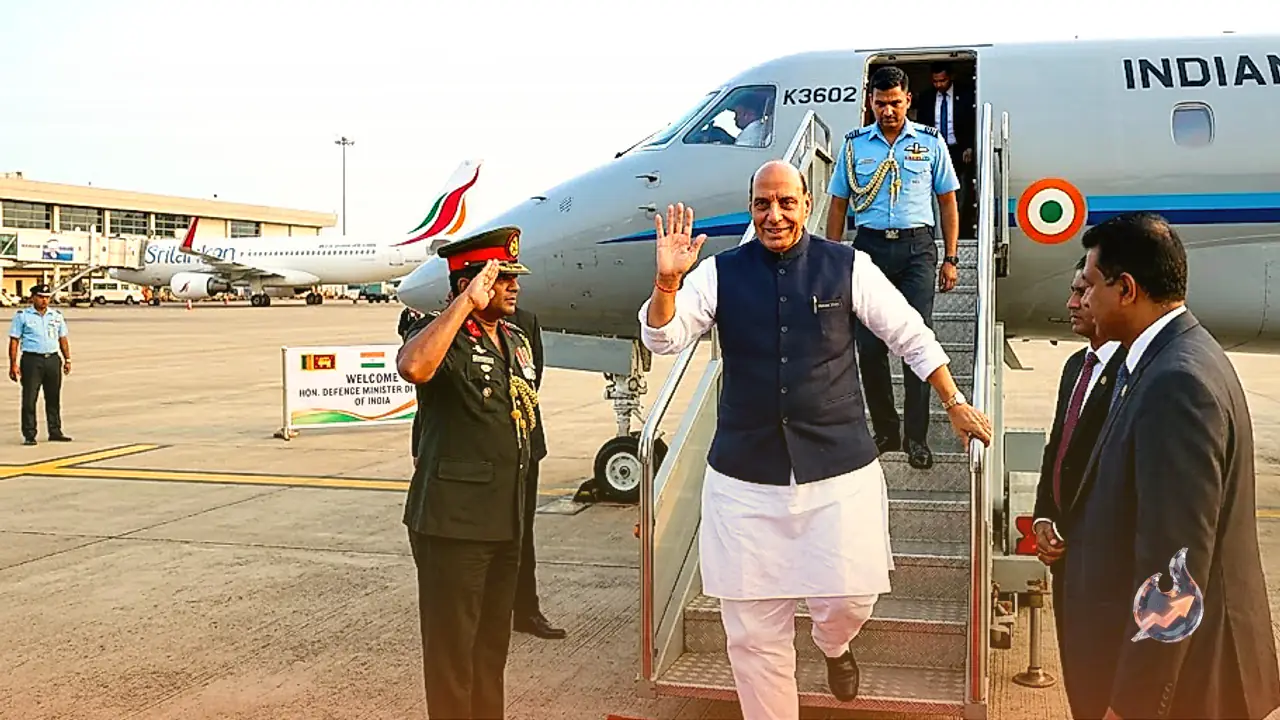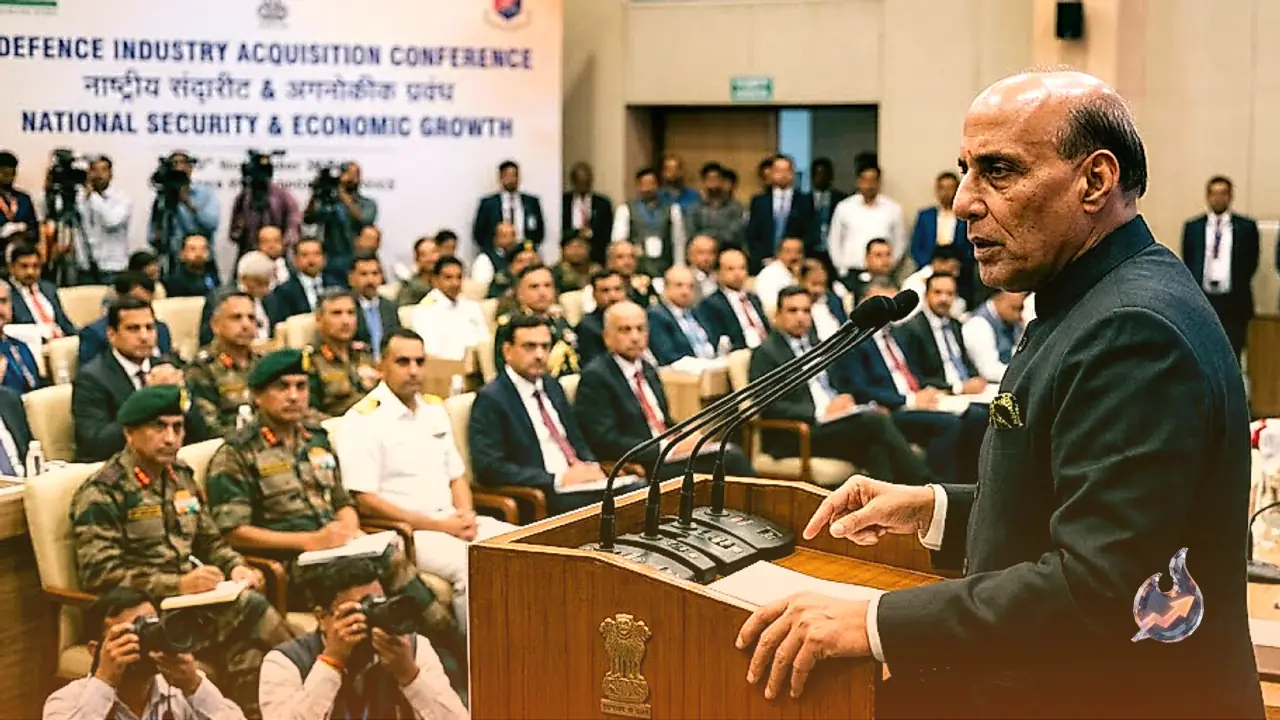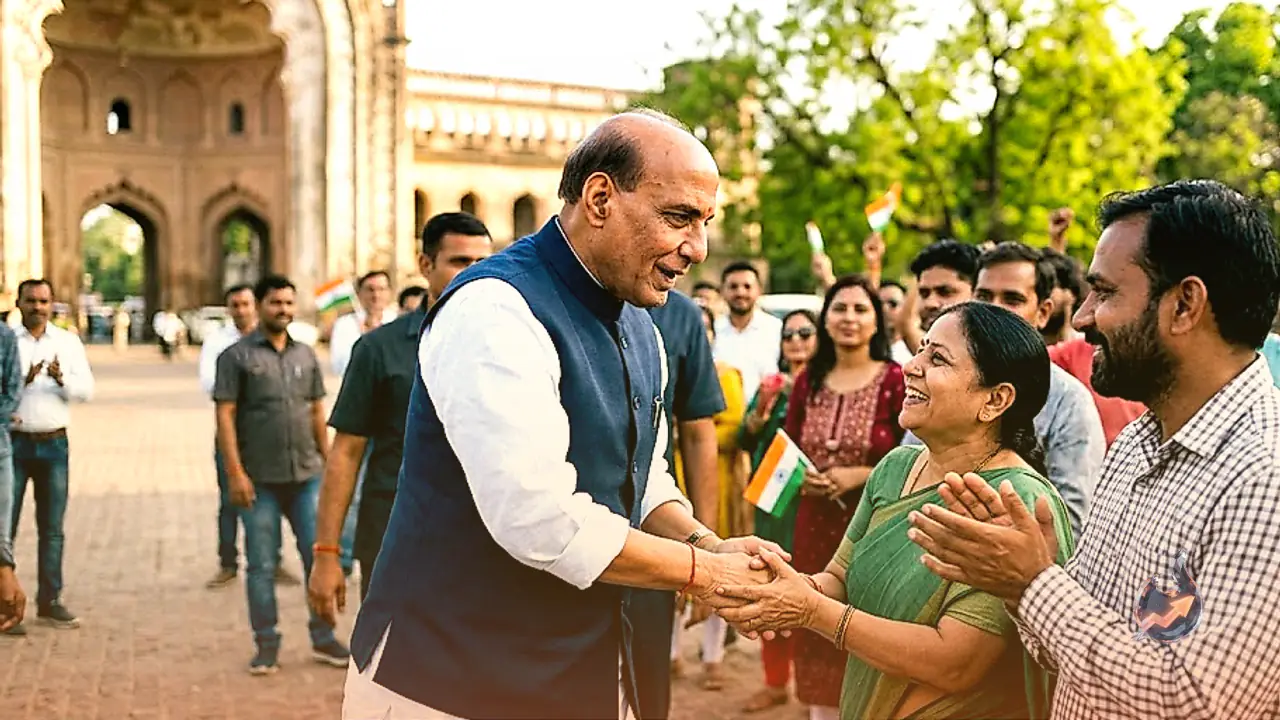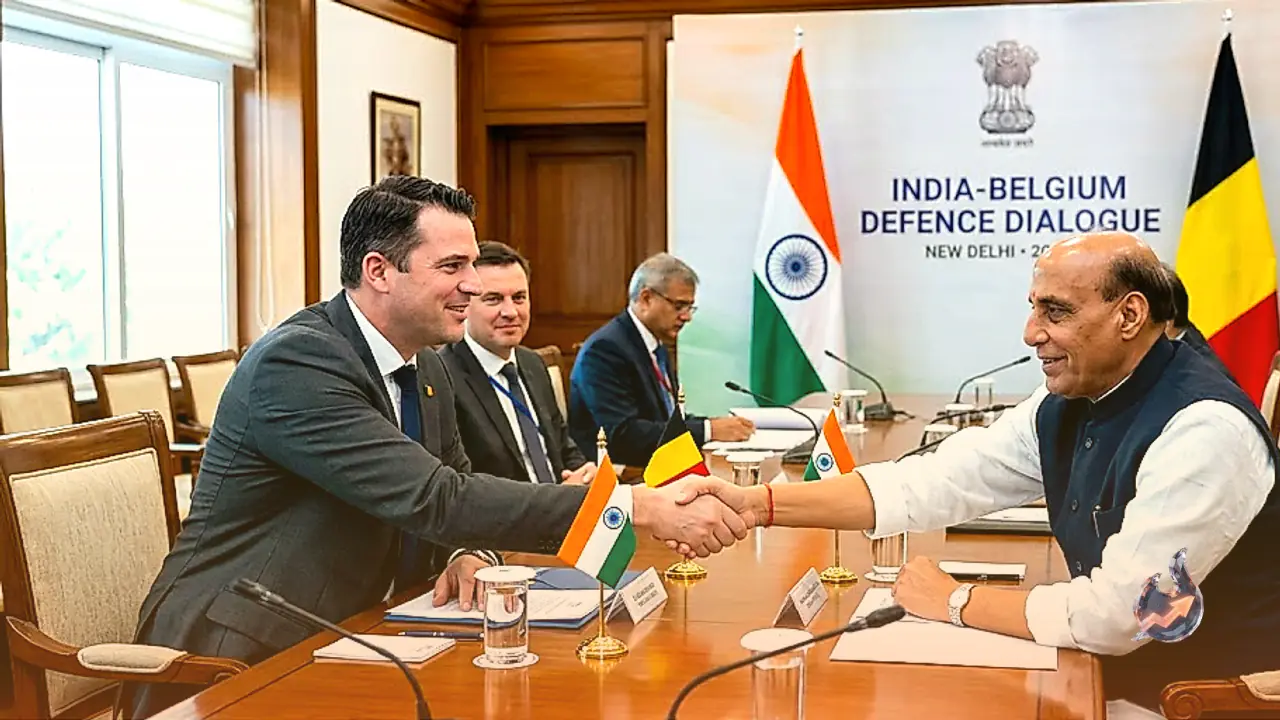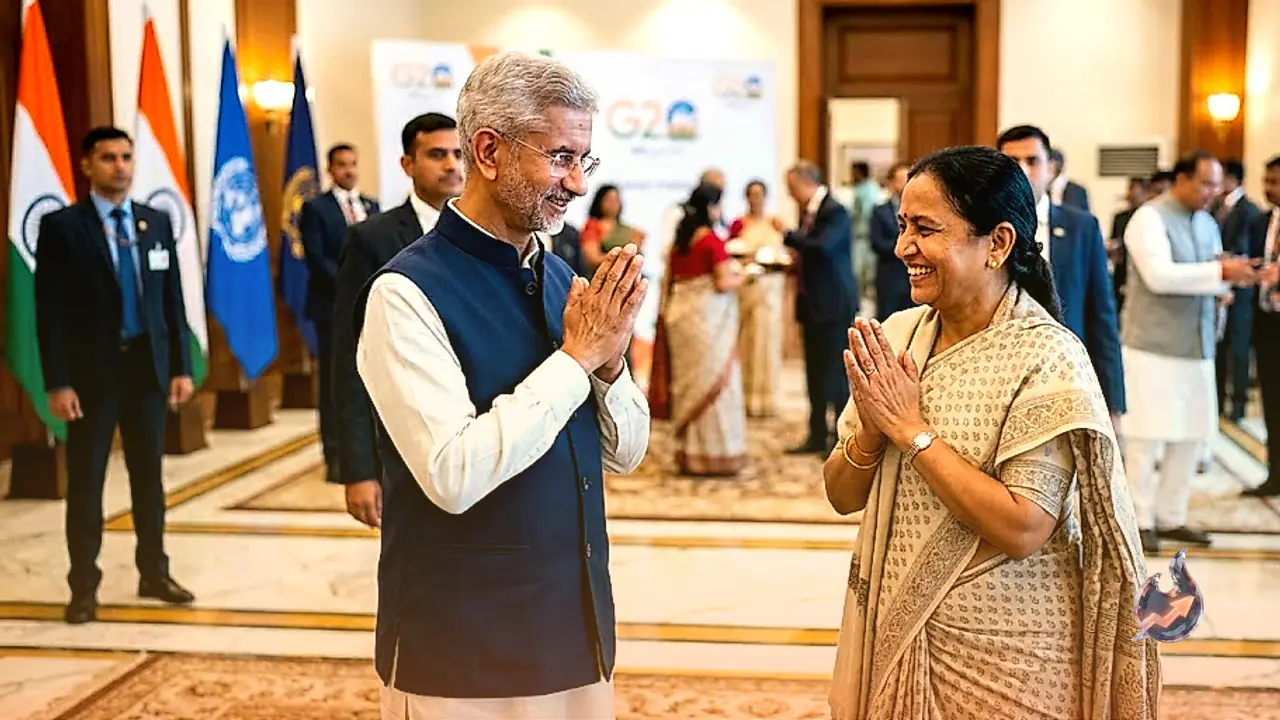

















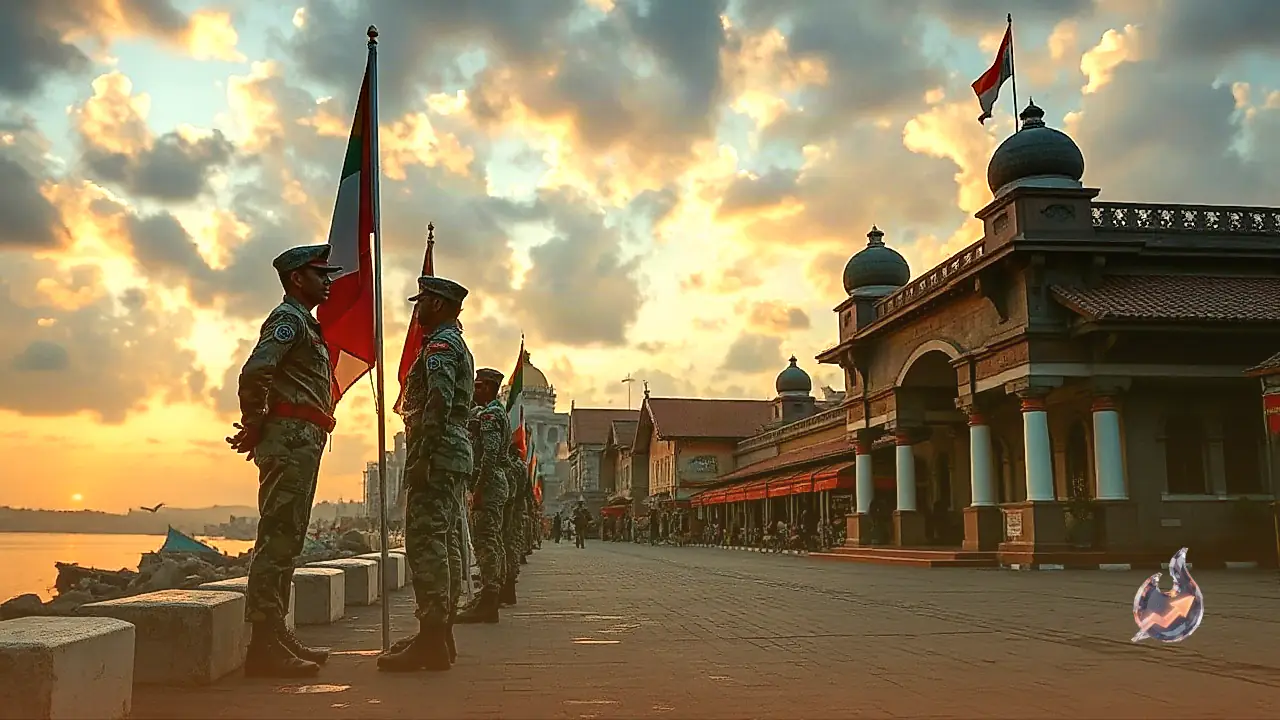

During an official interaction in Sri Lanka's capital, Colombo, Defence Minister Rajnath Singh engaged warmly with members of the Indian diaspora. Highlighting the historical and cultural bond shared between India and Sri Lanka, he praised the non-resident Indian community for their persistent efforts in fostering mutual trust and friendship between the two nations. He emphasized that the diaspora serves as a vital bridge connecting both societies across borders.
Indian Community as a 'Sethu' Between Nations
Speaking at the event and sharing his thoughts via an official social media post, Rajnath Singh formally described the Indian community as the 'Sethu' or bridge connecting India and Sri Lanka. He noted that the diaspora plays a pivotal role in strengthening bilateral cooperation, promoting cultural exchanges, and building economic ties. Reaffirming India's unwavering support, he stated that New Delhi will always stand firmly alongside Sri Lanka in times of need.
Diplomatic Relations and the 'Neighbourhood First' Vision
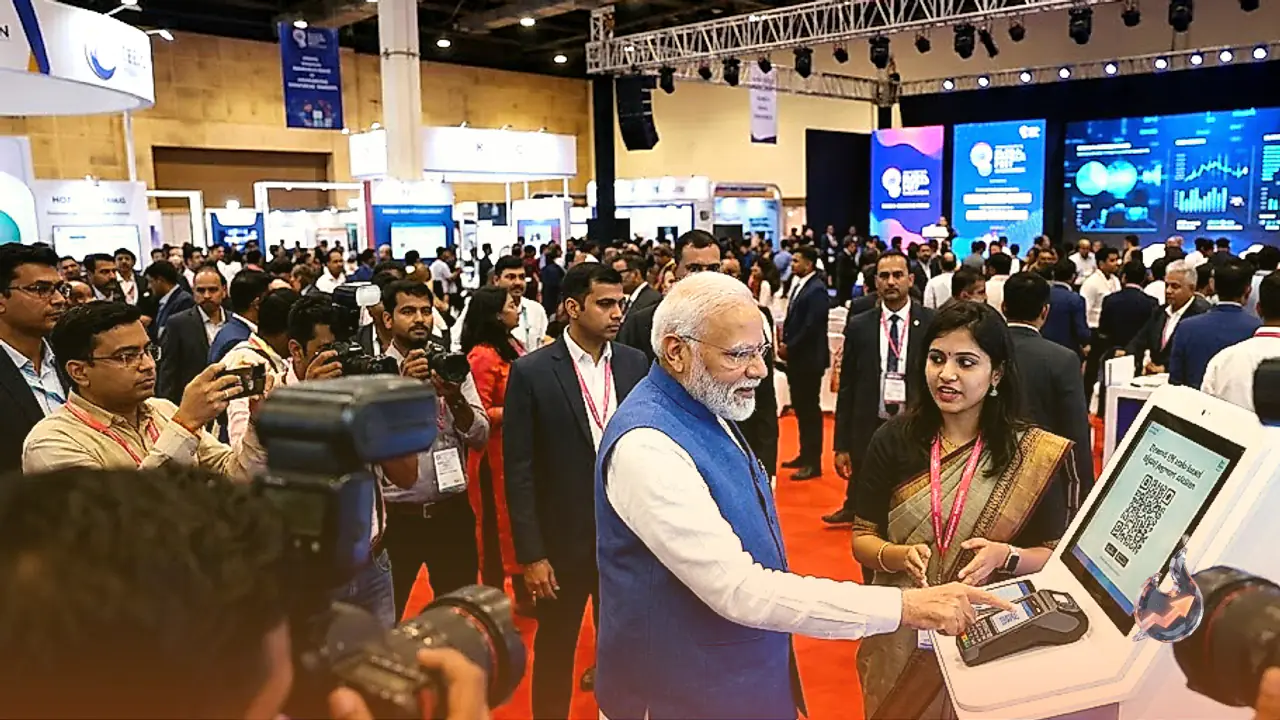
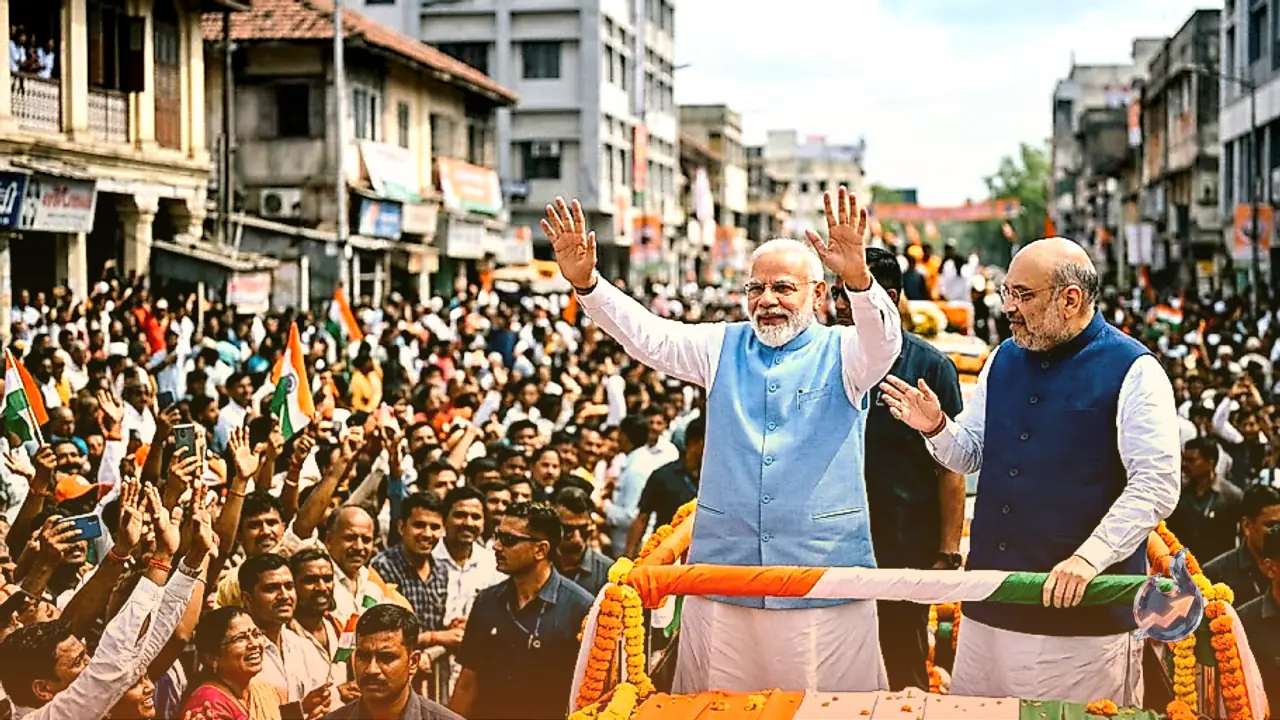
This engagement aligns closely with India's overarching 'Neighbourhood First' policy, which prioritizes stable, cooperative, and mutually beneficial relationships with neighboring countries. The visit echoes a previous high-level interaction on June 11, 2019, when Prime Minister Narendra Modi addressed the Indian community in Colombo during his visit to Sri Lanka. Both leaders have consistently underscored the importance of geographical proximity, shared heritage, and maritime security collaboration between the two South Asian neighbors.
Social and Economic Impact of the Diaspora
The Indian diaspora in Colombo and other parts of Sri Lanka contributes significantly across diverse sectors including commerce, education, healthcare, and technology. By maintaining strong cultural links and facilitating bilateral trade and tourism, the community helps solidify economic cooperation while serving as informal ambassadors of Indian culture and values abroad.
Public Reaction
The interaction generated widespread discussions online. While many observers and social media users welcomed the message of solidarity and acknowledged the strong cultural ties linking both nations, others raised questions regarding the tangible outcomes of diplomatic promises and long-term economic strategies in the region.