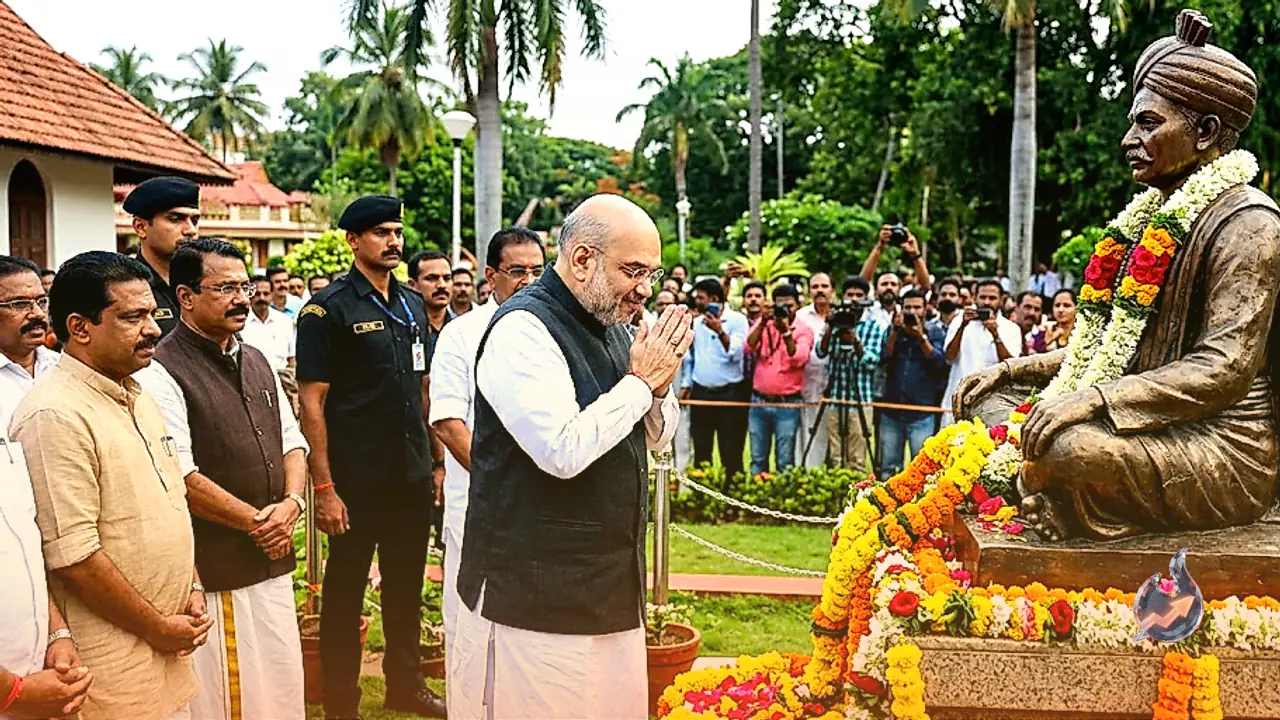





















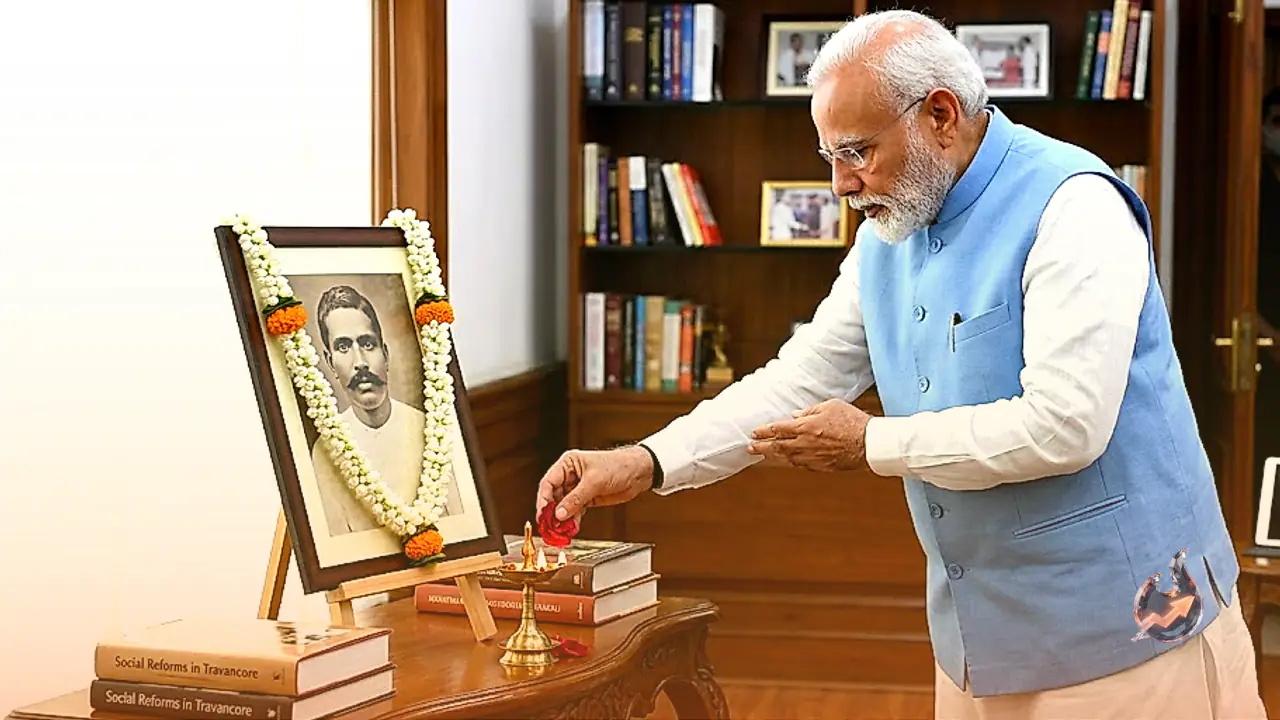

In a social media post shared on the platform X, Narendra Modi paid rich tributes to the eminent social reformer Mahatma Ayyankali on the occasion of his birth anniversary. Writing his message in Malayalam, he remembered Mahatma Ayyankali as a formidable advocate for social justice and equality in India, highlighting his lifelong dedication to championing the rights and dignity of marginalized communities across the region.
Advocating for Educational Equality and Social Reform
In his tribute message, Narendra Modi underscored the historic role Mahatma Ayyankali played in opening doors to educational opportunities for underprivileged and marginalized sections of society. Recognizing education as the most potent instrument for social empowerment, self-reliance, and structural reform, the reformer fought courageously during his era to guarantee that children from backward backgrounds gained access to formal schooling. His pioneering struggles dismantled longstanding barriers and laid a strong foundation for equal learning rights and social mobility for future generations.
Focusing on Farm Workers and the Upliftment of the Poor
The tribute also highlighted Mahatma Ayyankali's relentless endeavors aimed at elevating the living conditions of agricultural laborers and impoverished families. He actively organized and campaigned for the rights, fair treatment, and economic dignity of agrarian workers, standing firm against social discrimination in rural society. His vision of an inclusive social order, rooted in human dignity and collective welfare, continues to serve as a vital guide post for modern social development policies.
Public Reaction
Following the publication of the tribute on social media, members of the public responded with messages reflecting on Mahatma Ayyankali's historical contribution to social justice and education reform. While many users expressed appreciation for honoring the iconic reformer, others utilized the platform to voice their thoughts on various contemporary governance matters, educational access, and public welfare issues.