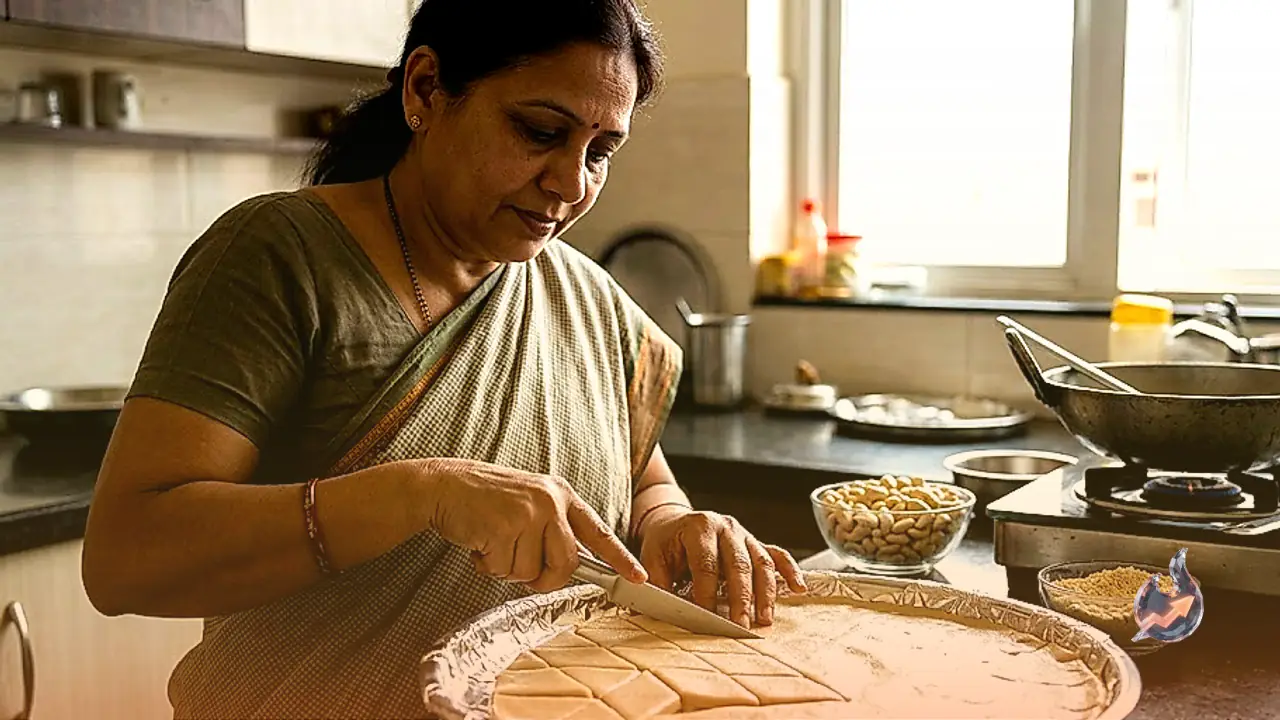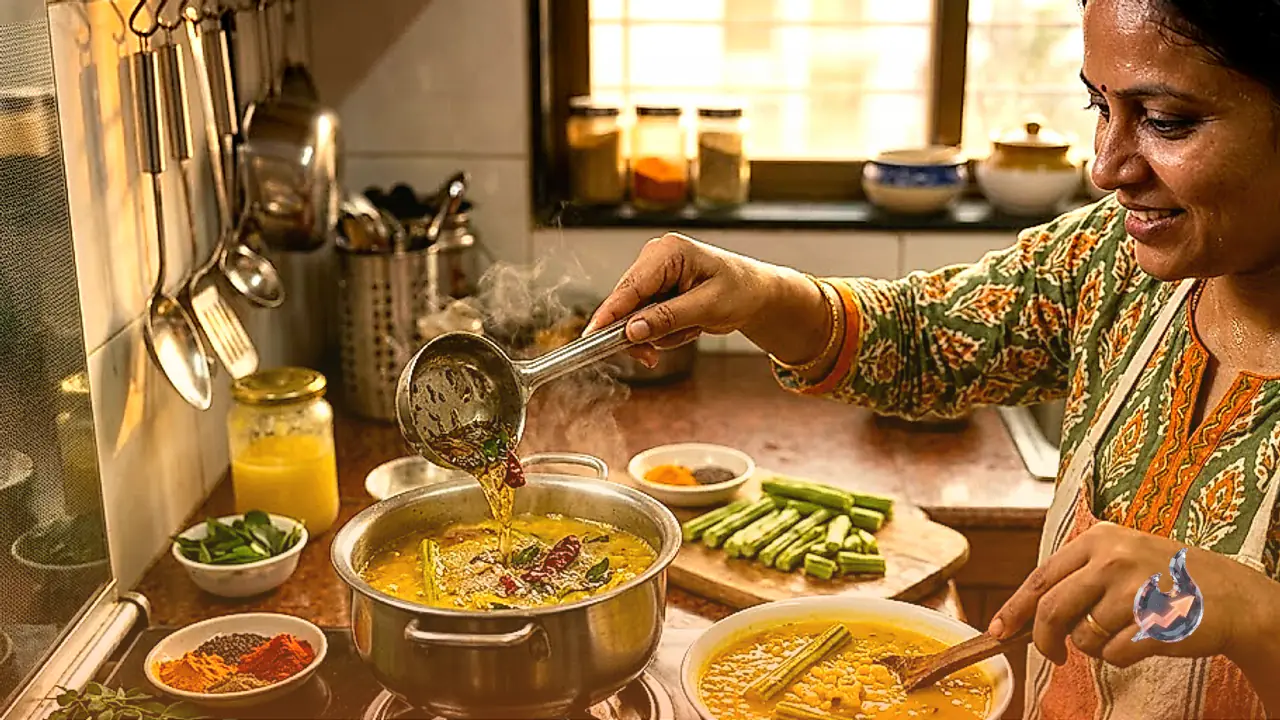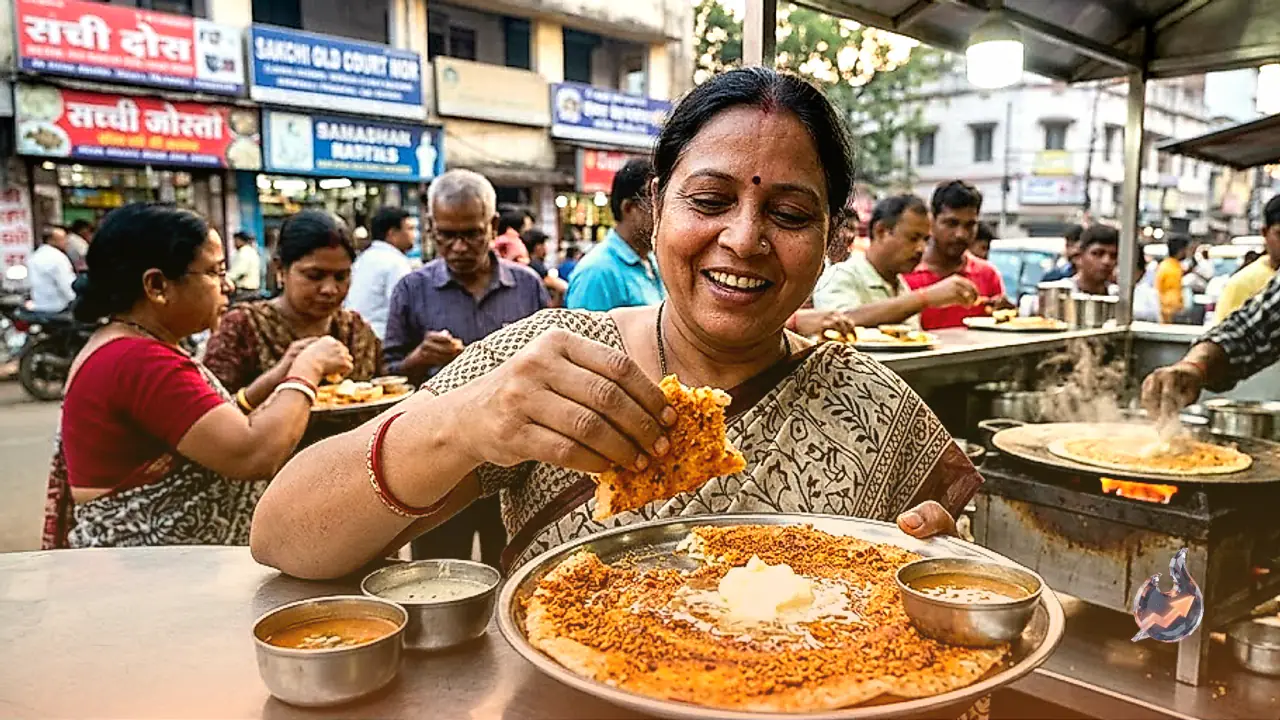























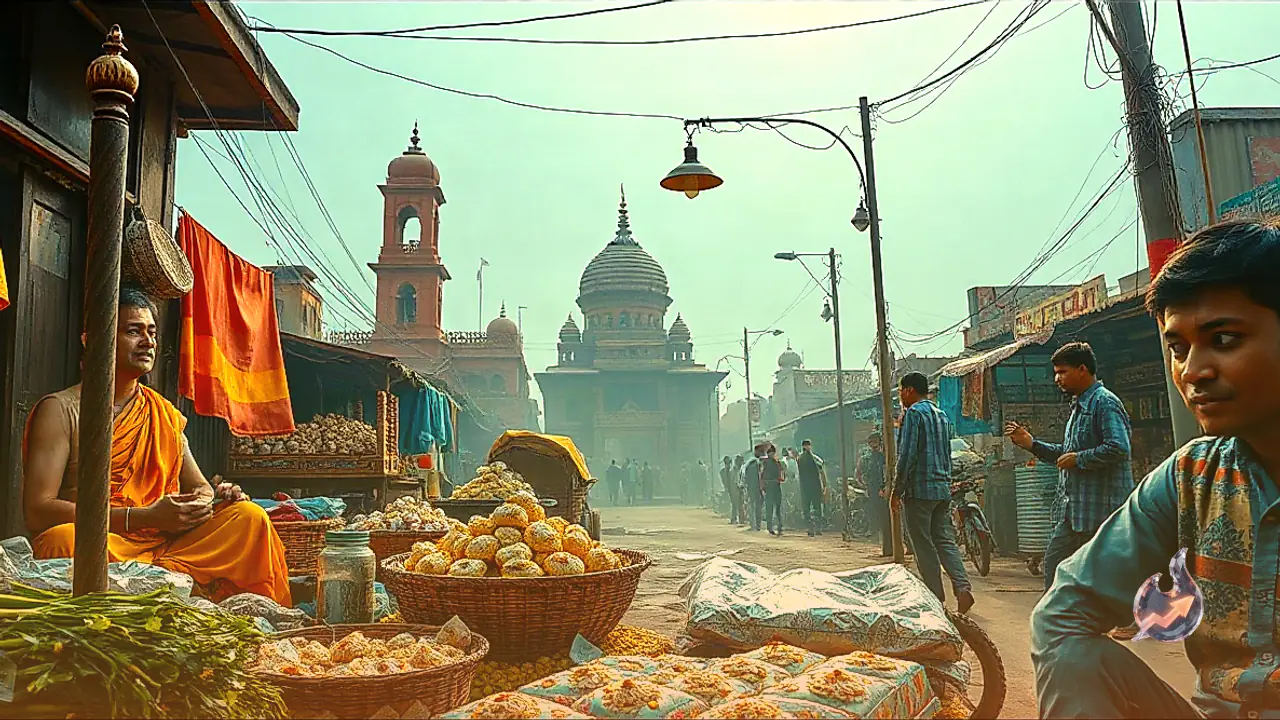

With the arrival of the sacred Shravan and Bhadrapad months, the rich fragrance of traditional Anarsa sweets has enveloped markets across Bihar. As the season of religious fasts and cultural festivities commences, the demand for this iconic sweet increases rapidly in households throughout the region. Devotees remain immersed in prayer during this auspicious time, while sweet vendors gear up to cater to the two-month-long surge in demand.
Cultural Significance of Anarsa During Sawan and Bhadrapad Festivals
The monsoon period marks the beginning of several major traditional festivals observed primarily by women. Important occasions such as Sawan Somwari, Teej, Karma, and Jitia involve elaborate rituals and religious fasts. A defining feature of these celebrations is the seasonal availability of specific offerings, flowers, and fruits that mature during this period. Anarsa stands out as a unique seasonal delicacy whose demand peaks throughout the two months of Shravan and Bhadrapad. Presenting Anarsa during these religious ceremonies is considered highly traditional and customary.
Market Dynamics and Pricing Across Major Bihar Districts
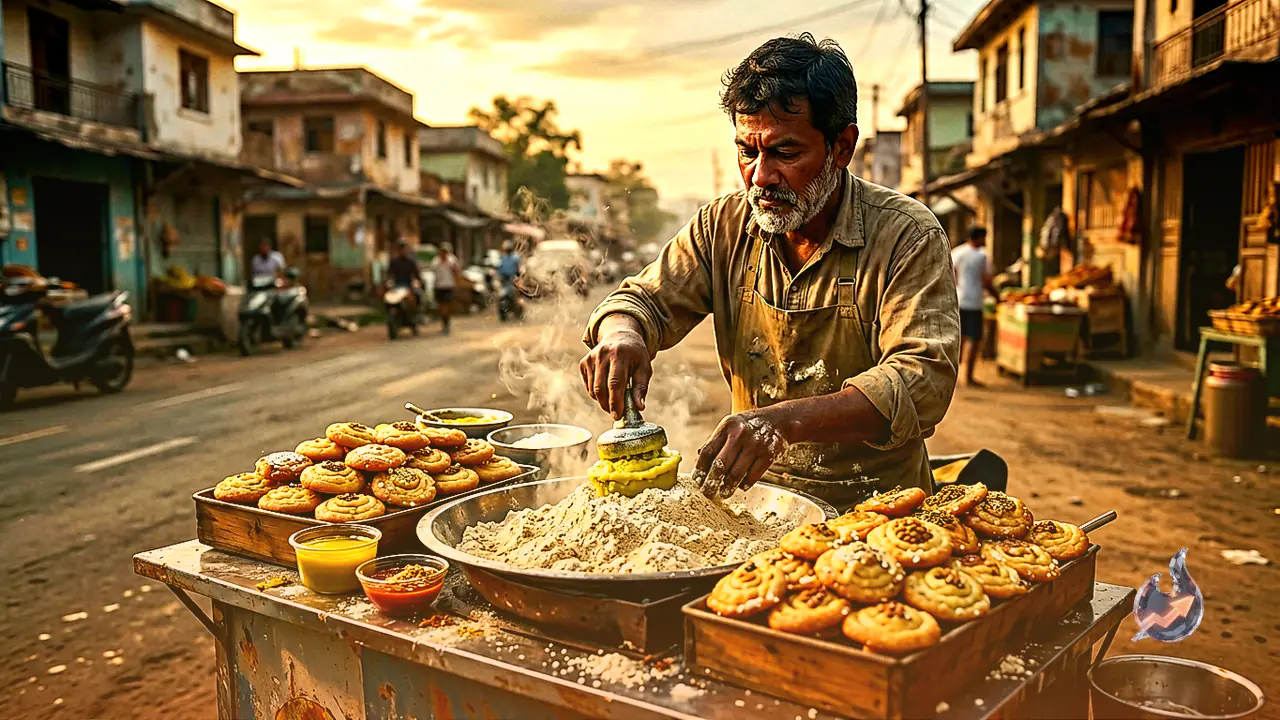
Sweet shops across key districts in Bihar are witnessing high footfall for Anarsa. Commercial hubs including Patna, Gayaji, Nalanda, and Nawada feature prominent displays of this sweet. In Jehanabad district, Ambedkar Chowk emerges as a major center for seasonal food businesses. While winter months bring the rich aroma of Tilkut to Ambedkar Chowk around Makar Sankranti, the monsoon season transforms the market with the appealing scent of freshly fried Anarsa.
Vendors offer Anarsa in two distinct varieties to suit different customer preferences. The basic version is prepared using raw rice flour, sugar, water, white sesame seeds, and ghee or cooking oil. This standard plain Anarsa is sold at a starting price of ₹5 per piece. The premium variant is stuffed with rich khoya and dried fruits, which commands double the price, selling at ₹10 per piece.
Local confectioner Raunak Keshari, who operates a seasonal shop at Ambedkar Chowk, notes that his business shifts from making Tilkut during Makar Sankranti to crafting Anarsa as Shravan begins. He explains that because consumer demand remains extremely high for two straight months, production is scaled up accordingly to ensure every household can include Anarsa in their festive celebrations.
Step-by-Step Recipe to Prepare Classic Anarsa at Home
Preparing authentic, crispy Anarsa at home requires following a structured culinary method. Begin by soaking raw rice in water for several hours. Once thoroughly soaked, drain the water completely and spread the rice evenly on a clean white markin cotton cloth. Allow it to air-dry briefly so that superficial moisture evaporates while retaining essential internal hydration.
After partial drying, transfer the rice into a grinder and process it until it turns into a fine, smooth flour. Pass the ground flour through a fine sieve to eliminate any coarse particles. Next, mix powdered sugar into the flour and gradually sprinkle small amounts of milk while kneading the mixture into a pliable dough.
Divide the kneaded dough into small portion balls and let them rest for a short duration. Use a clean plastic sheet as a working surface to shape the dough patties smoothly. If making stuffed Anarsa, place a filling of khoya and chopped dry fruits inside each ball before sealing and rolling it over white sesame seeds. Finally, heat pure ghee or vegetable oil in a deep frying pan and fry the patties on medium flame until they attain a golden, crisp texture. The recipe allows easy customization of ingredient quantities based on household requirements.