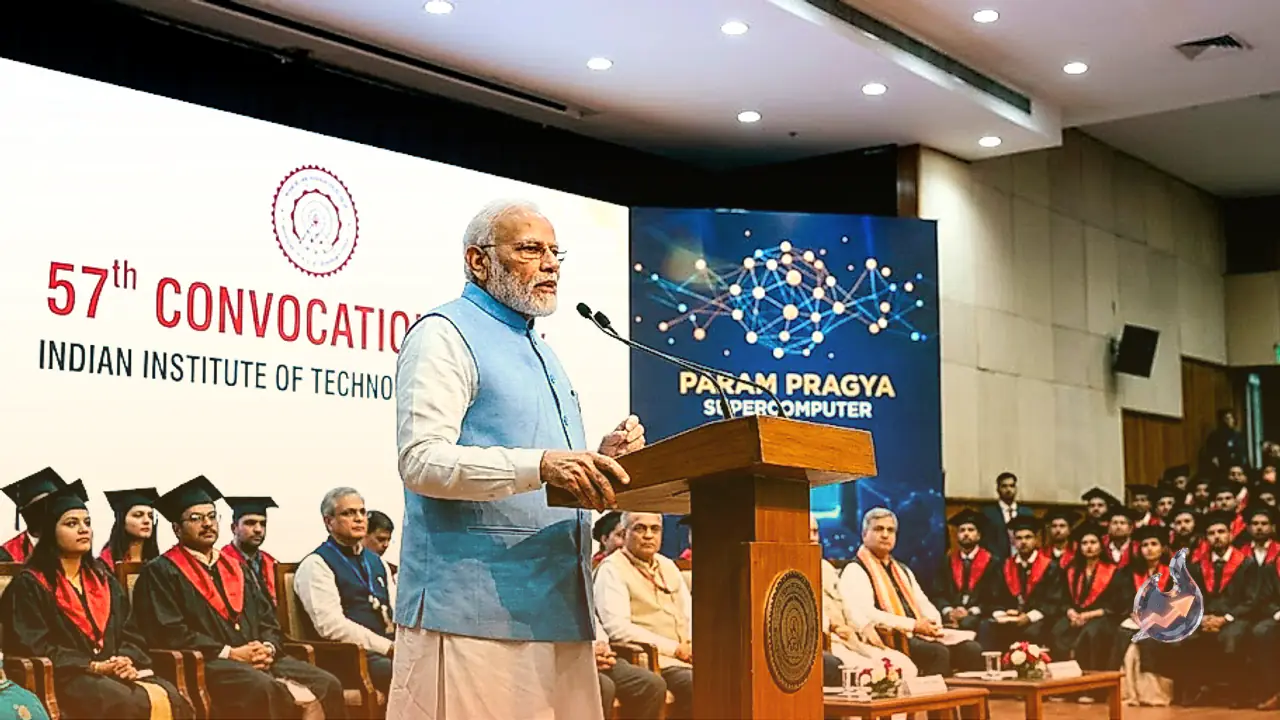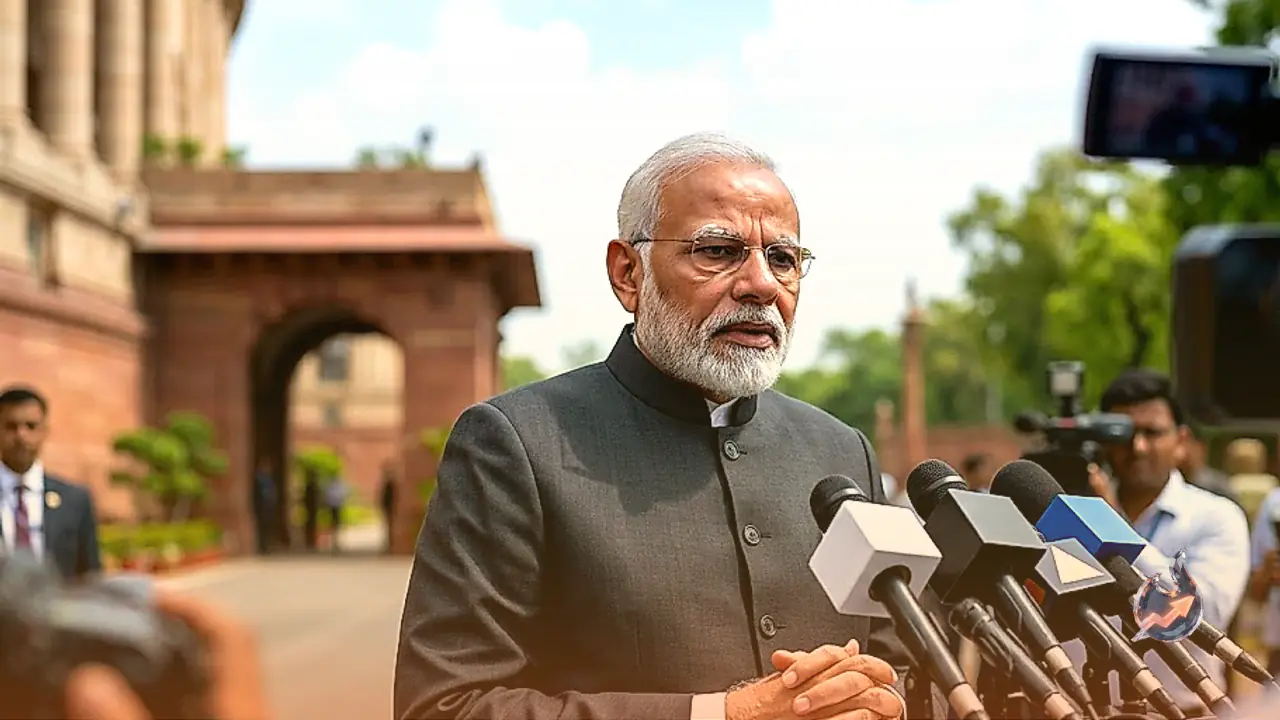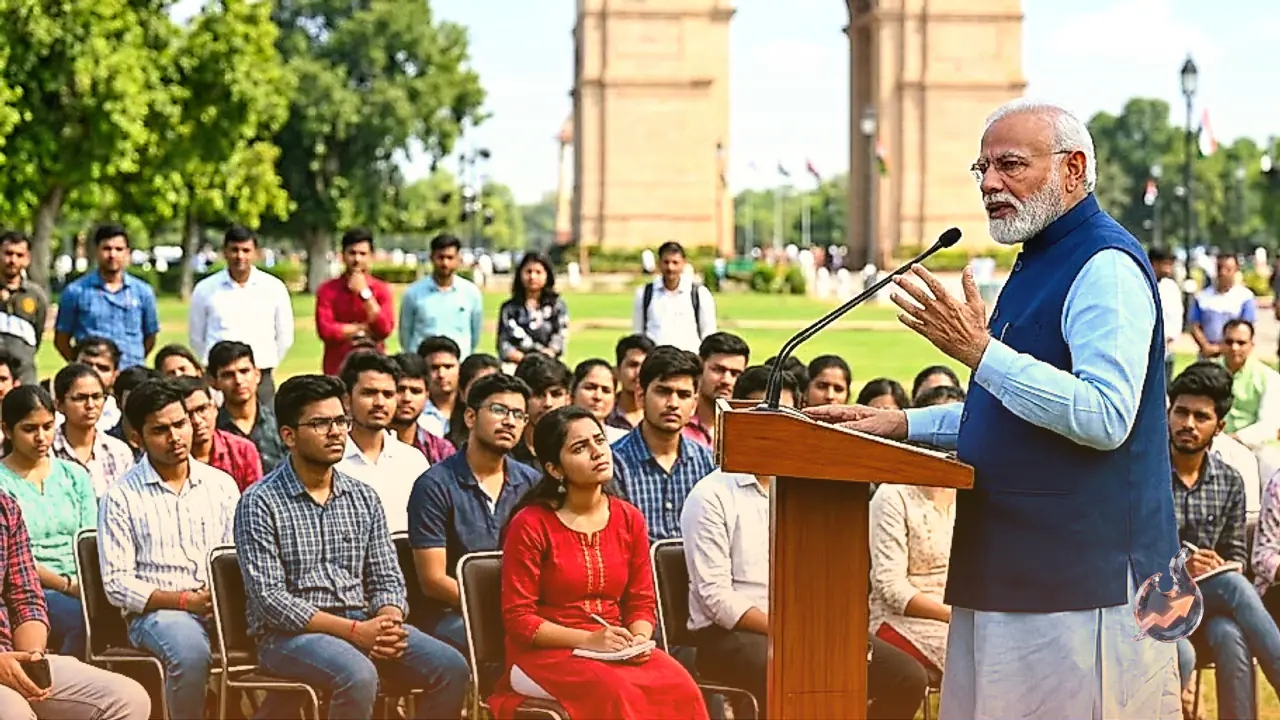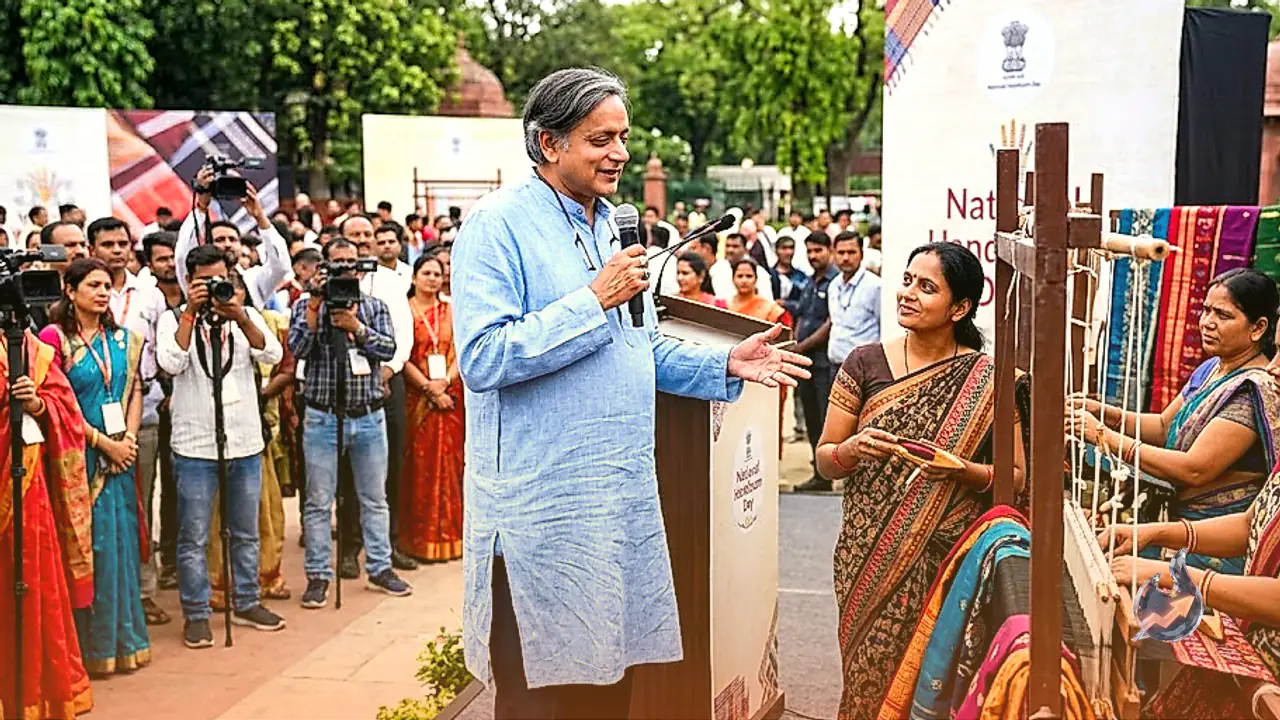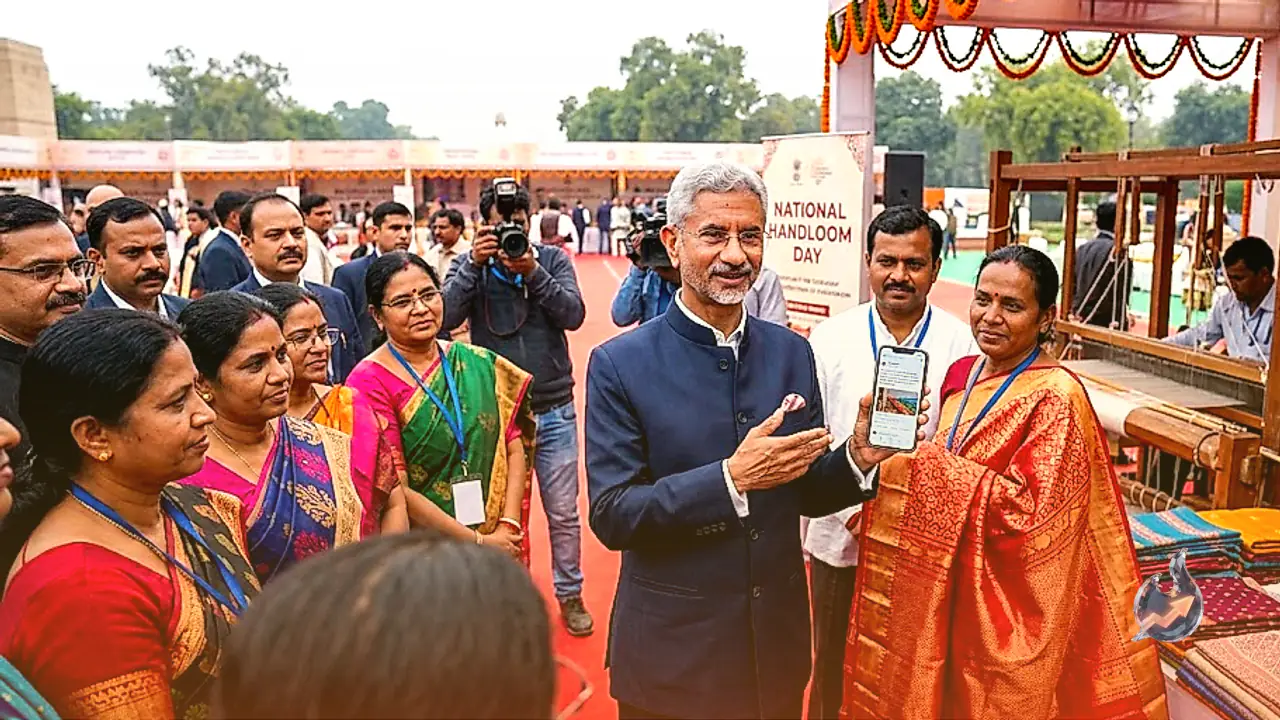


















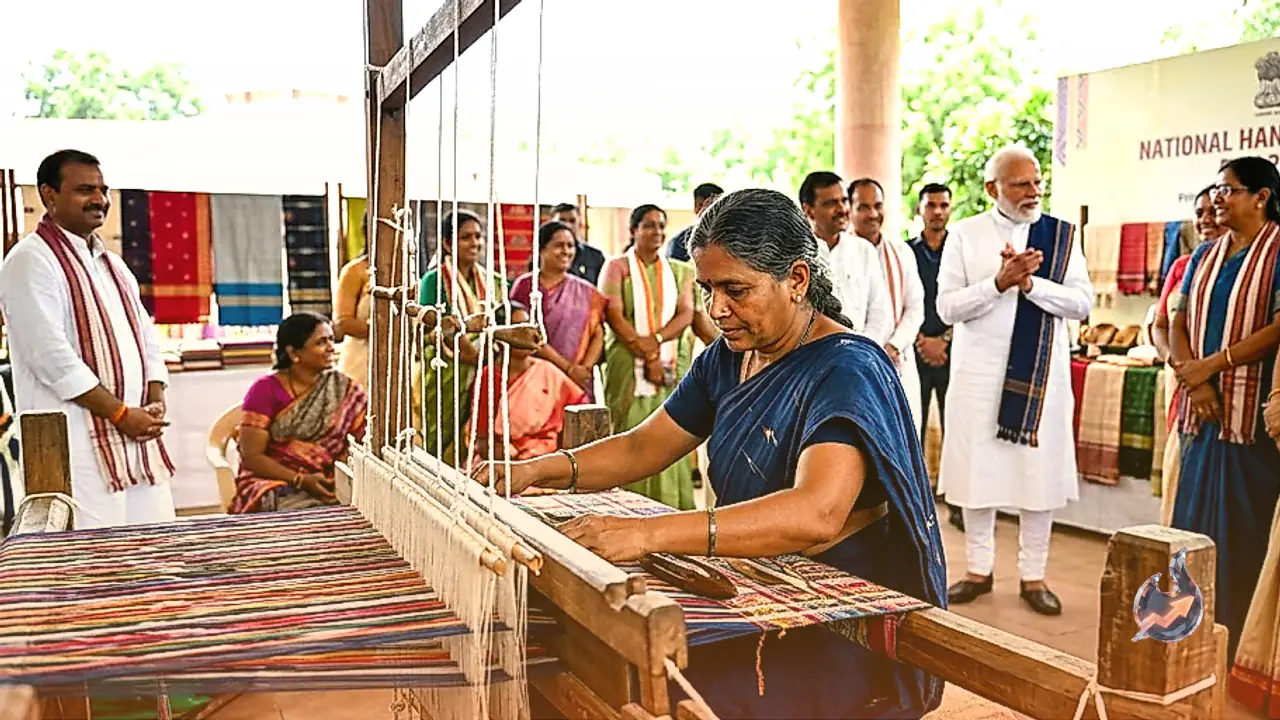

India is celebrating its 12th National Handloom Day on August 7, 2026, honoring the country's rich textile heritage and the millions of skilled artisans who keep it alive. Extending warm greetings to the nation, Prime Minister Narendra Modi commended the extraordinary creativity, craftsmanship, and dedication of India's weaving community. He noted that weavers have preserved and enriched the nation's diverse cultural traditions across generations.
Message to Citizens and Support for Weavers
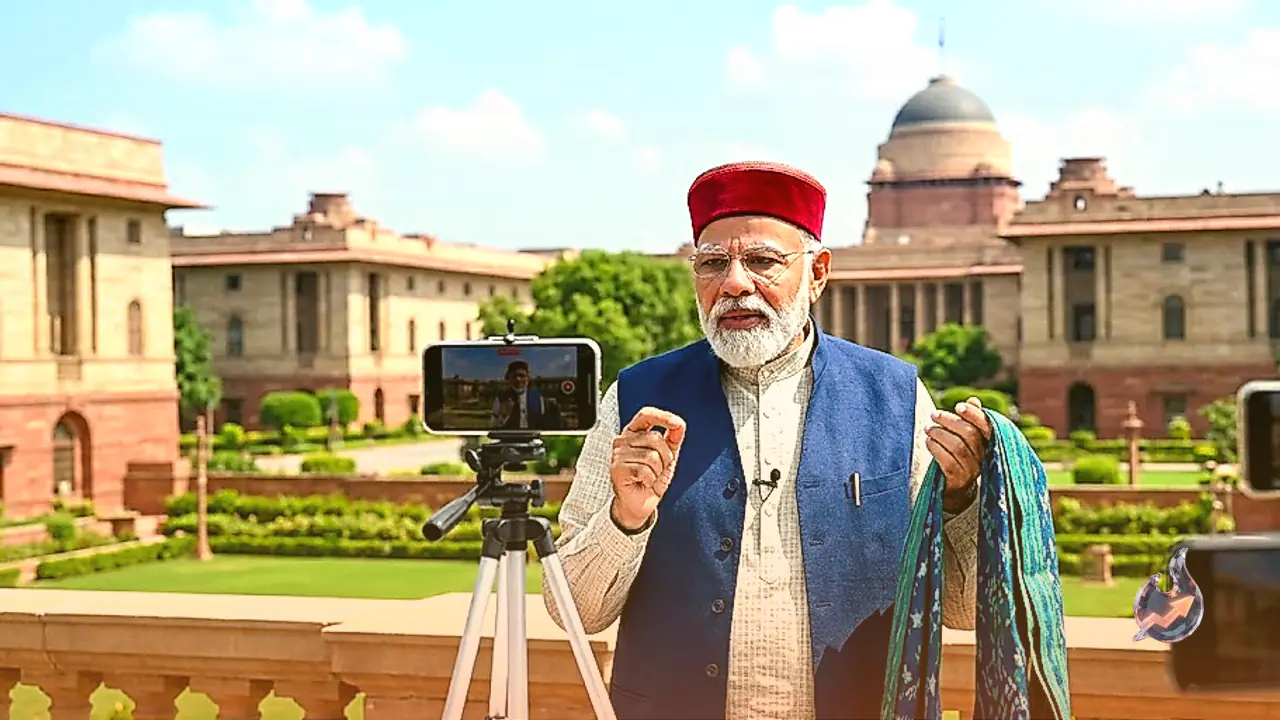
In a special video and social media appeal, Narendra Modi urged people across the country to show active support for local artisans by purchasing authentic handloom goods. He encouraged citizens to post photos, videos, and outfit reels showcasing their favorite handloom attire to celebrate the occasion. Reaffirming official commitment to the sector, Modi stated that the government will continue providing sustained support to empower weavers and strengthen the 'Vocal for Local' initiative aimed at building a self-reliant India.
Historical Context of August 7
The date August 7 holds immense historical importance in India's freedom struggle. On this day in 1905, the Swadeshi Movement was formally launched at the Town Hall in Kolkata to protest the British partition of Bengal. The movement urged citizens to boycott imported foreign goods and rely solely on indigenous products and handloom textiles. In 2015, August 7 was officially designated as National Handloom Day to commemorate this historic movement and honor the contribution of indigenous weavers to the country's economic and cultural life.
Economic Role and Modern Revival
The handloom sector represents a vital pillar of India's rural economy and remains the second largest provider of employment in the country after agriculture. Millions of women and rural artisans depend on handloom weaving for their livelihoods. Over the past 12 years, targeted initiatives have focused on improving market access, delivering credit facilities, upgrading technology, and establishing direct digital links between weavers and global buyers to preserve traditional craftsmanship.
Public Reaction
The message sparked wide engagement across digital platforms, with users sharing traditional handloom outfits and supporting local craftsmen. Several commenters noted that to maximize financial benefits for artisans, consumers should buy directly from weaving hubs like Kaithoon for Kota Doria fabrics rather than urban retail outlets. Others highlighted the need for safer workplaces and enhanced public infrastructure for rural women weavers.