





















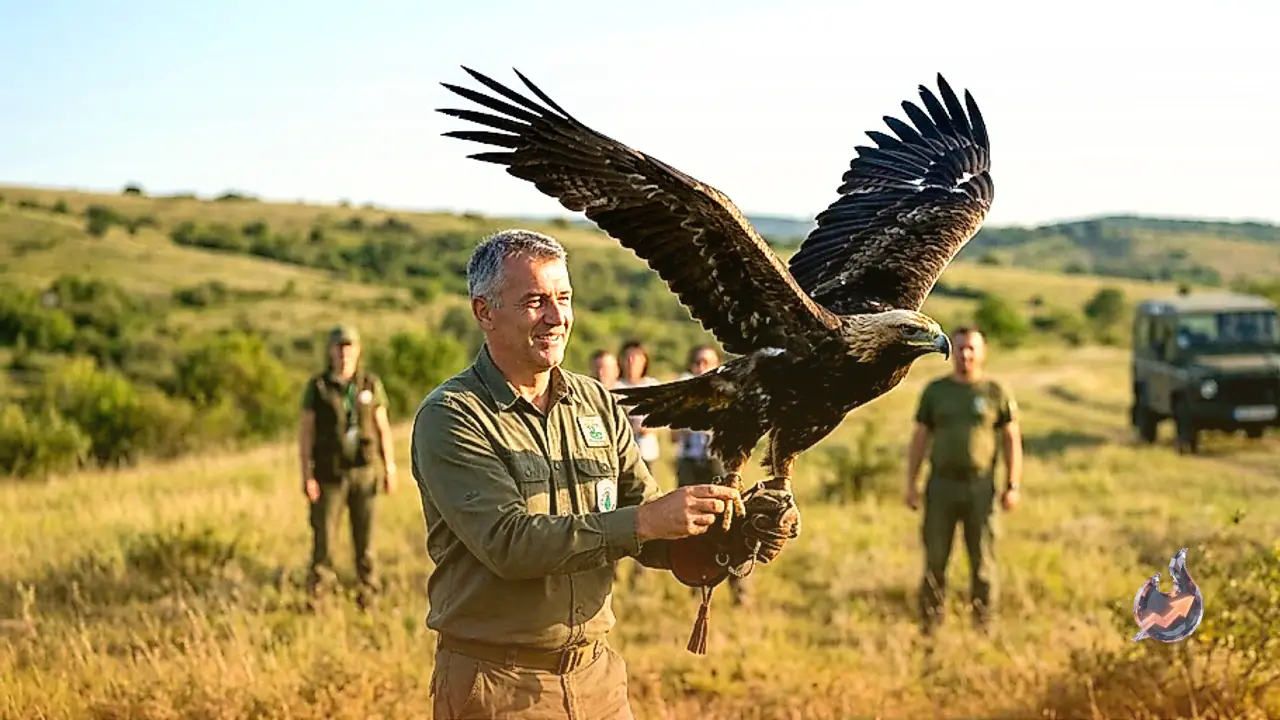

In an extraordinary international wildlife rescue operation, a rare eastern imperial eagle named Feliks has been released back into his natural habitat in Serbia following months of captivity and cross-border rehabilitation efforts. The protected bird was captured by poachers in Syria last year after wandering away from his nesting grounds. After recuperating for over six months at a wildlife sanctuary in Lebanon, he was brought home aboard a Serbian military transport aircraft and finally returned to the wild once restored to full health.
The Migration Journey and Syria Abduction
Feliks first fledged from his nest in July 2025. Experts from the Bird Protection and Study Society of Serbia (BPSSS) had fitted him with a satellite tracking unit to monitor his movement for conservation studies. As the young raptor began flying towards the Middle East, conservationists monitored his trajectory with mounting concern. Uros Stojiljkovic of the BPSSS noted that the team became worried upon seeing the bird head into a volatile and unsafe zone.
In October, the tracking signal abruptly ceased transmitting. While experts initially suspected a hardware failure in the satellite unit, subsequent investigation revealed that Feliks had been abducted by poachers who intended to put the rare raptor up for sale on the illegal market.
Refusing Ransom and the Border Crossing
Weeks after the signal vanished, a partner wildlife organization based in Lebanon alerted Serbian conservationists that the captors were demanding a financial ransom for Feliks' release. The Serbian organization firmly rejected the ransom attempt. Uros Stojiljkovic explained that paying ransom directly supports and funds illegal wildlife smuggling chains, making compliance impossible on ethical grounds.
Protracted negotiations eventually secured the eagle's release without payment. During the transfer, refugees transported Feliks inside a potato sack across the Nahr al-Kabir river along the northern border connecting Syria and Lebanon. Upon arrival in Lebanon, Feliks was transferred to a specialized wildlife center in Beirut, where he underwent rehabilitation for more than six months.
Repatriation via Military Plane and Zoo Rehabilitation
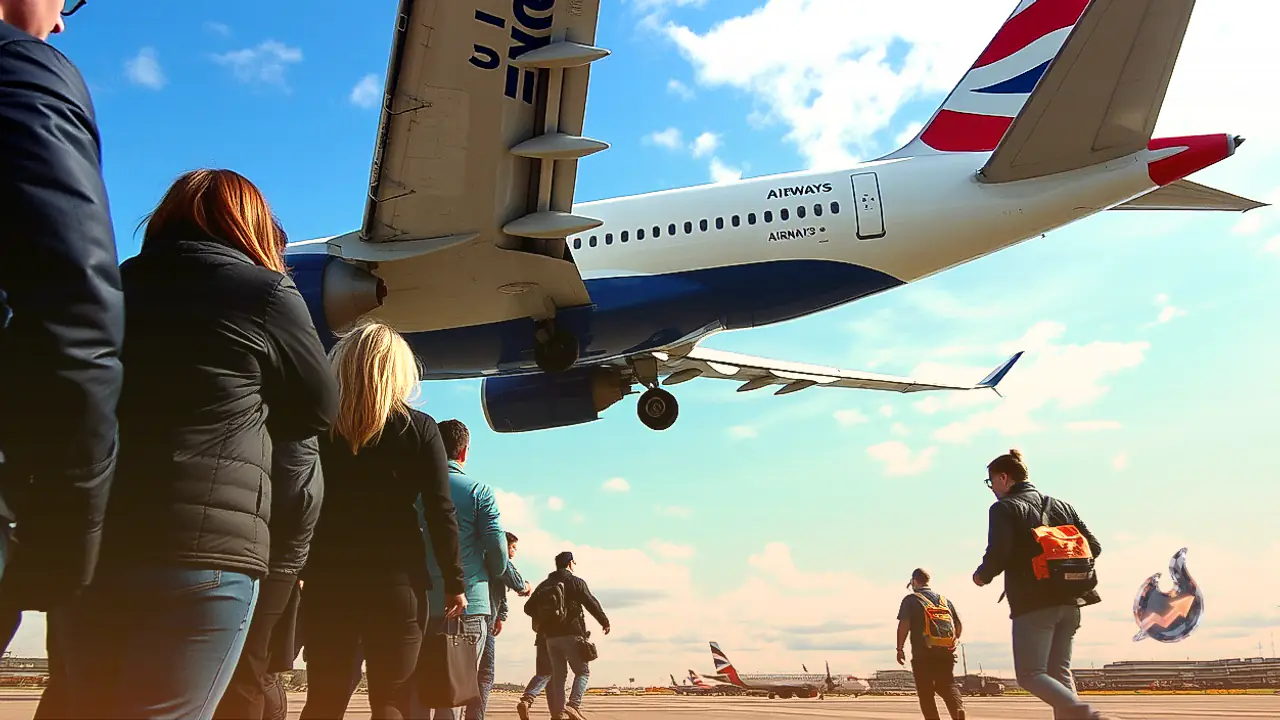
In June, Serbian peacekeepers completing their deployment in Lebanon escorted Feliks back home on a military transport plane. Upon arrival in Serbia, he was immediately placed in the shelter at Palic Zoo. Zoo director Sonja Mandić stated that the bird arrived exhausted following the demanding flight on the military aircraft, prompting daily health checkups and nutritional monitoring by veterinarians.
After spending over a month under careful veterinary observation, Feliks was formally freed into the wild on Thursday. Milan Ružić, executive director of the BPSSS, expressed hope that Feliks will quickly regain his full strength, survive nature's adversities, establish his own territory, and produce offspring. Wildlife experts will continue tracking his movements remotely over the coming weeks.
Conservation Milestones in Serbia
The eastern imperial eagle is a strictly protected and critically endangered bird species. An adult eagle commands an impressive wingspan of six feet (2 meters). Targeted conservation initiatives led by the BPSSS since 2017 have successfully revived the species in Serbia, boosting the local population from a single breeding pair in 2017 up to 29 pairs this year.