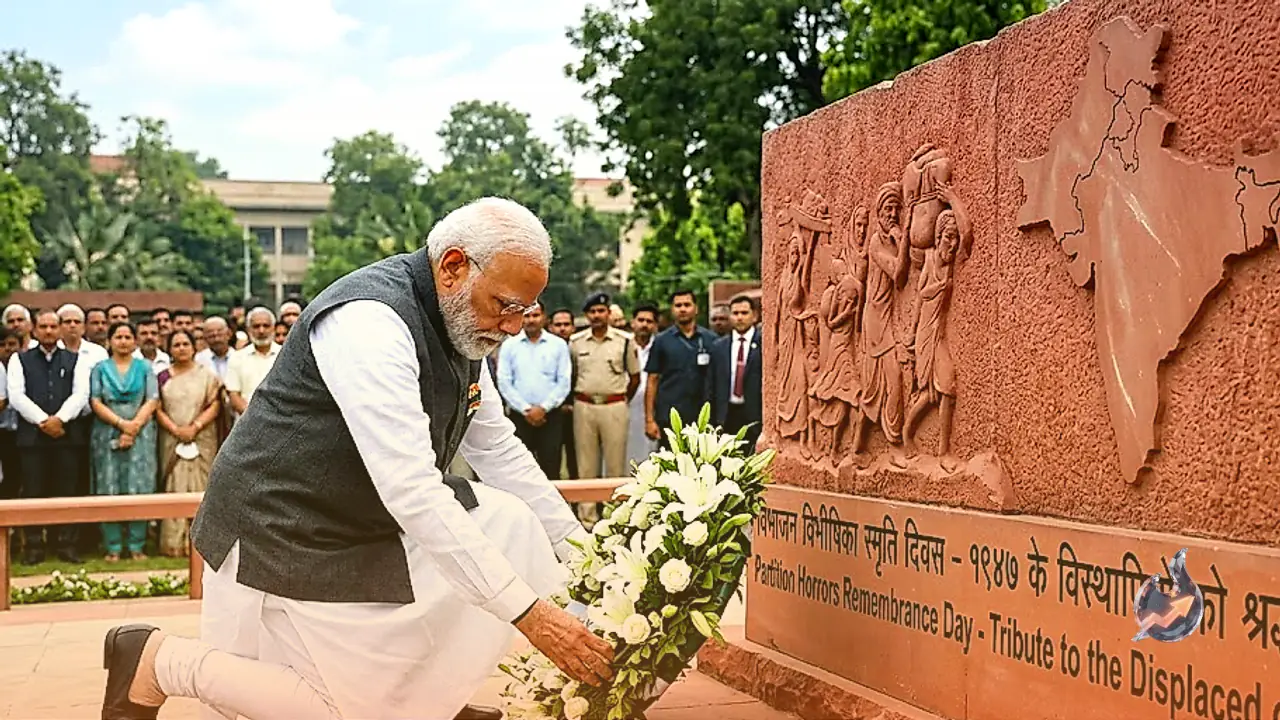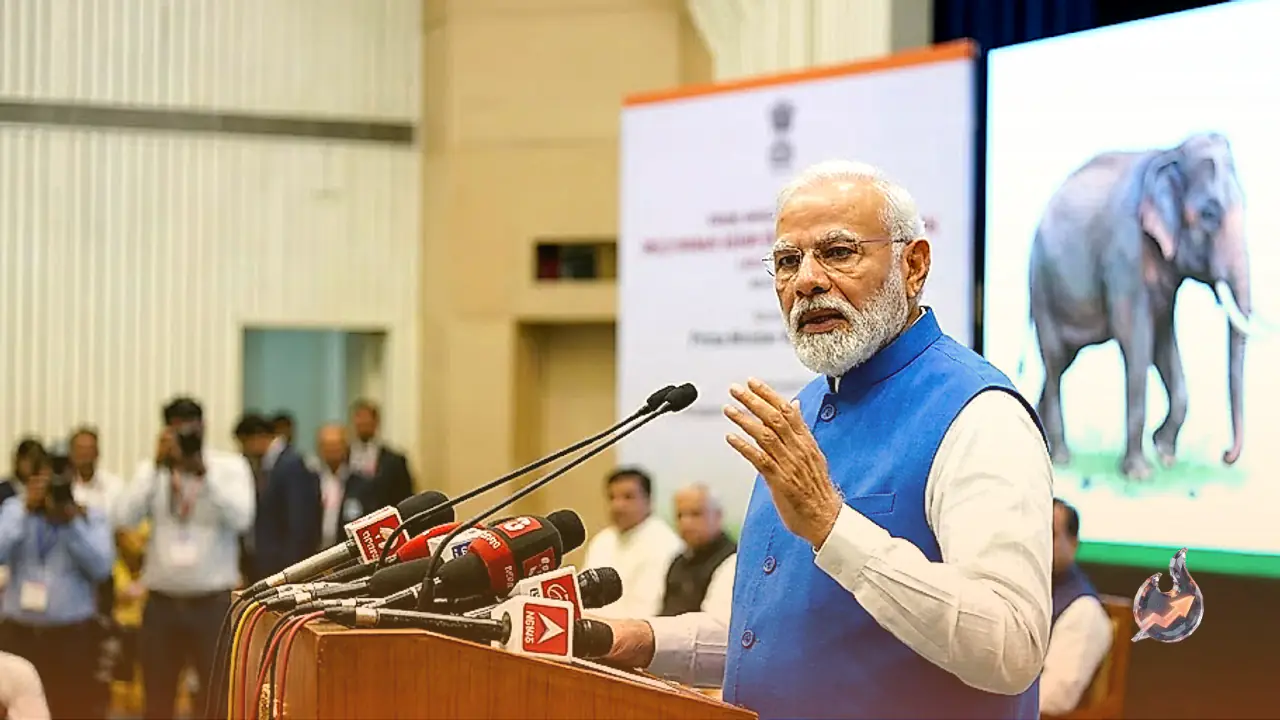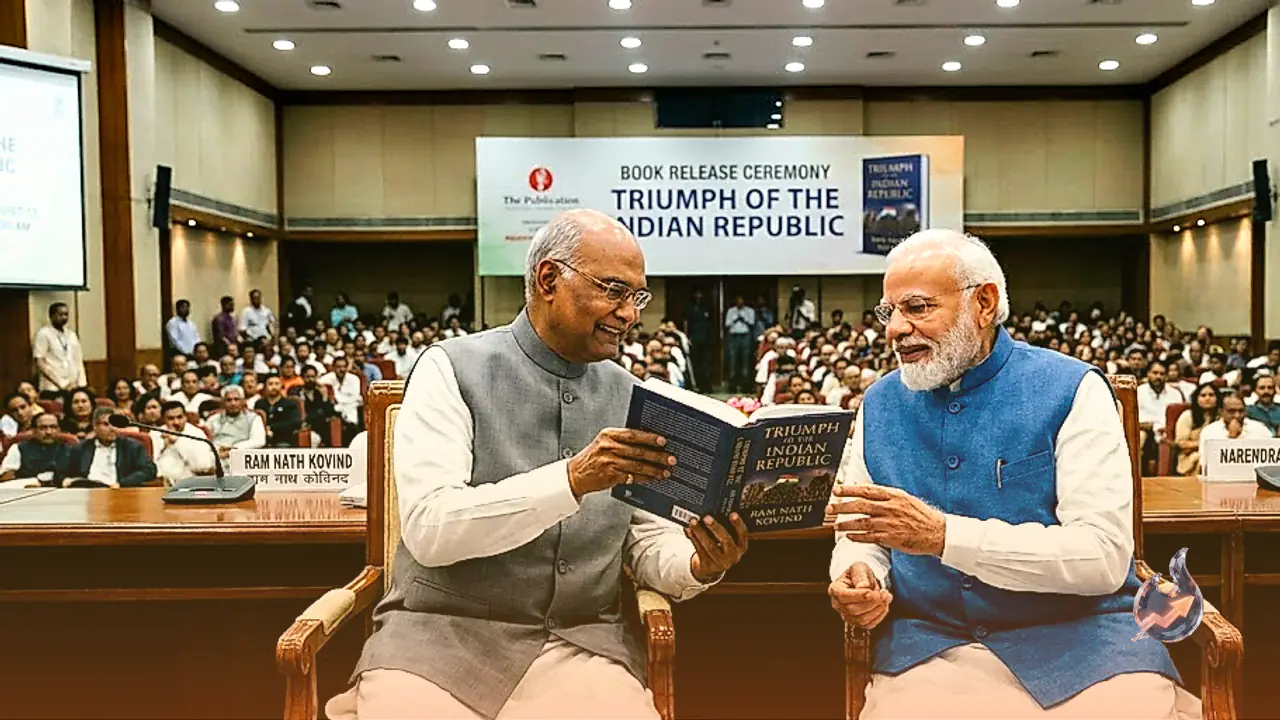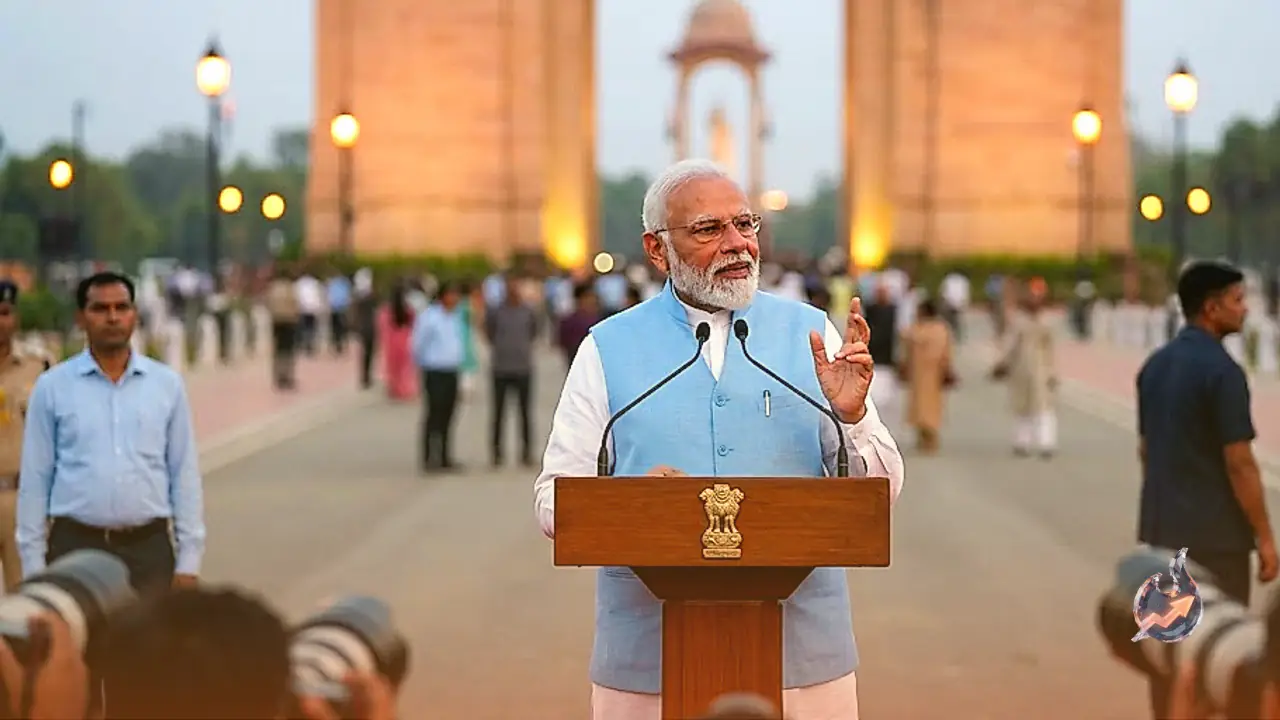























On August 16, top national leaders paid rich tributes to former Prime Minister Atal Bihari Vajpayee on his death anniversary (Punya Tithi). Prime Minister Narendra Modi, along with Home Minister Amit Shah and Union Minister Kiren Rijiju, remembered the iconic statesman for his visionary leadership, commitment to public service, and foundational efforts in building a strong India. In a dedicated message shared on social media platform X, Prime Minister Modi highlighted that Vajpayee dedicated his entire life to the service of the nation and that his guidance continues to drive the vision for a developed India.
Tributes from Prime Minister Narendra Modi and Top Leaders
Prime Minister Narendra Modi commemorated Atal Bihari Vajpayee as an extraordinary statesman blessed with remarkable vision and unwavering dedication. He noted that Vajpayee's inspiring words, strategic decisions, and focus on good governance strengthened the nation and inspired generations of Indians. Joining the nation in paying respects, Union Minister Kiren Rijiju and Home Minister Amit Shah also highlighted Vajpayee's lasting legacy, emphasizing that his spirit of service and development vision remain guiding principles for governance today.
Who Was Atal Bihari Vajpayee
Atal Bihari Vajpayee was an eminent Indian statesman, poet, and writer who served as the Prime Minister of India from 1998 to 2004, having previously held the office briefly for thirteen days in 1996. He holds a historic place in Indian politics as the first Prime Minister outside the Indian National Congress to complete a full five-year term in office. A co-founder and senior leader of the Bharatiya Janata Party (BJP), Vajpayee began his public life as a full-time volunteer (pracharak) with the Rashtriya Swayamsevak Sangh (RSS). Throughout his long career, he harmonized cultural nationalism with political moderation and democratic pluralism.
Key Milestones and National Impact
Among the defining achievements of Vajpayee's leadership was the execution of the Pokhran-II nuclear tests in May 1998, which established India as a declared nuclear-armed state on its own terms. Beyond strategic defense, his administration prioritized major national infrastructure programs, economic reforms, and good governance initiatives. Vajpayee consistently advocated that empowering individual citizens was the true path to empowering the nation, a philosophy that continues to influence contemporary public policy.
Public Reaction
Citizens across social media platforms paid homage to the late leader, recalling his legendary parliamentary speeches, his pivotal role in making India a nuclear power, and his steadfast focus on putting the nation first above partisan politics.