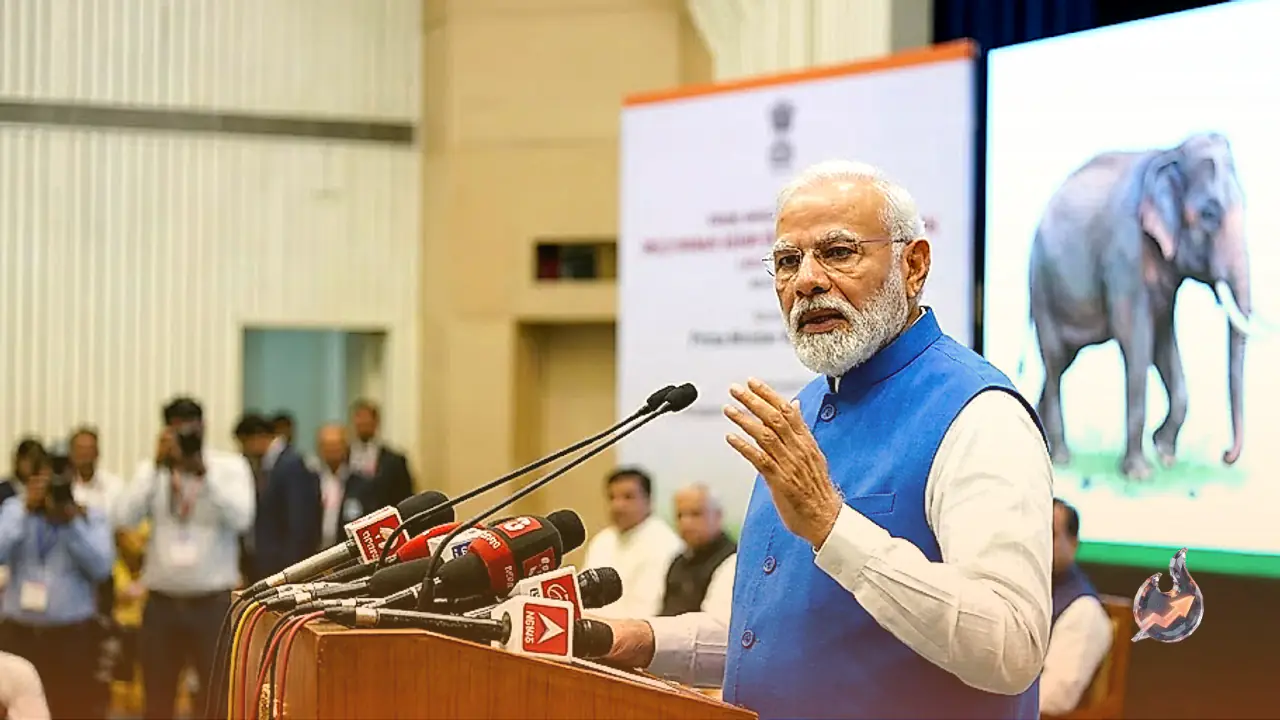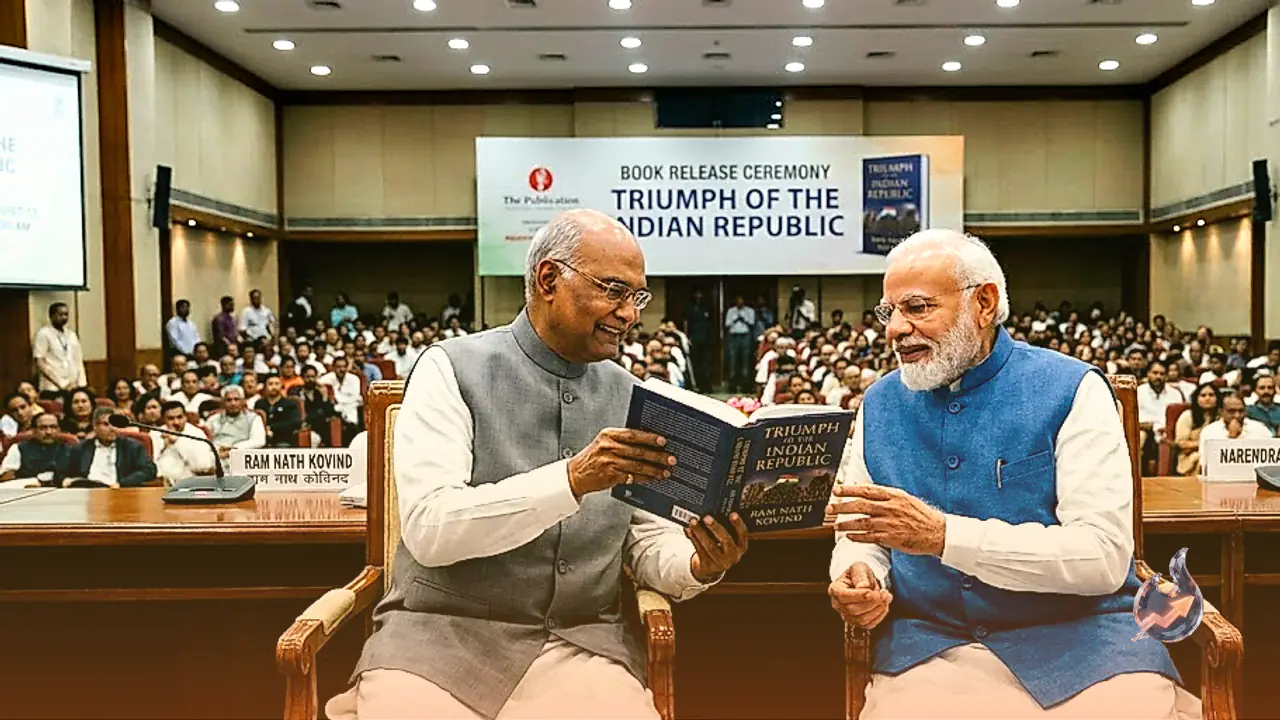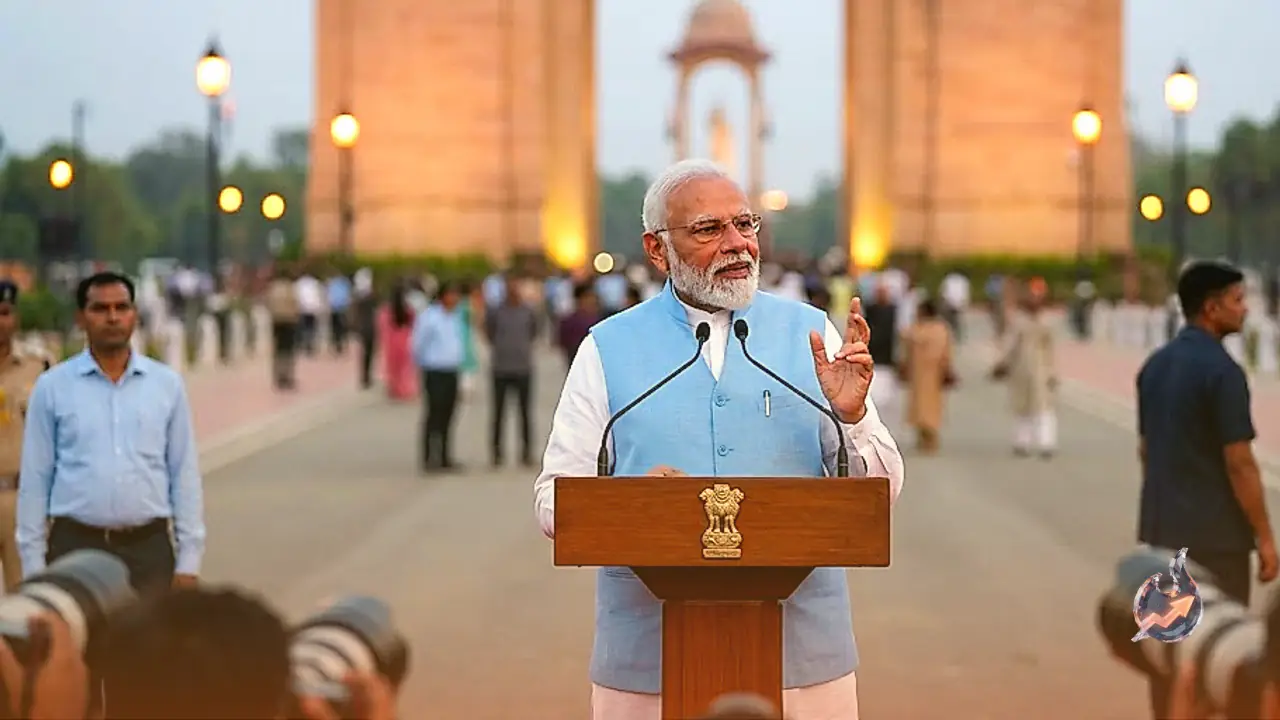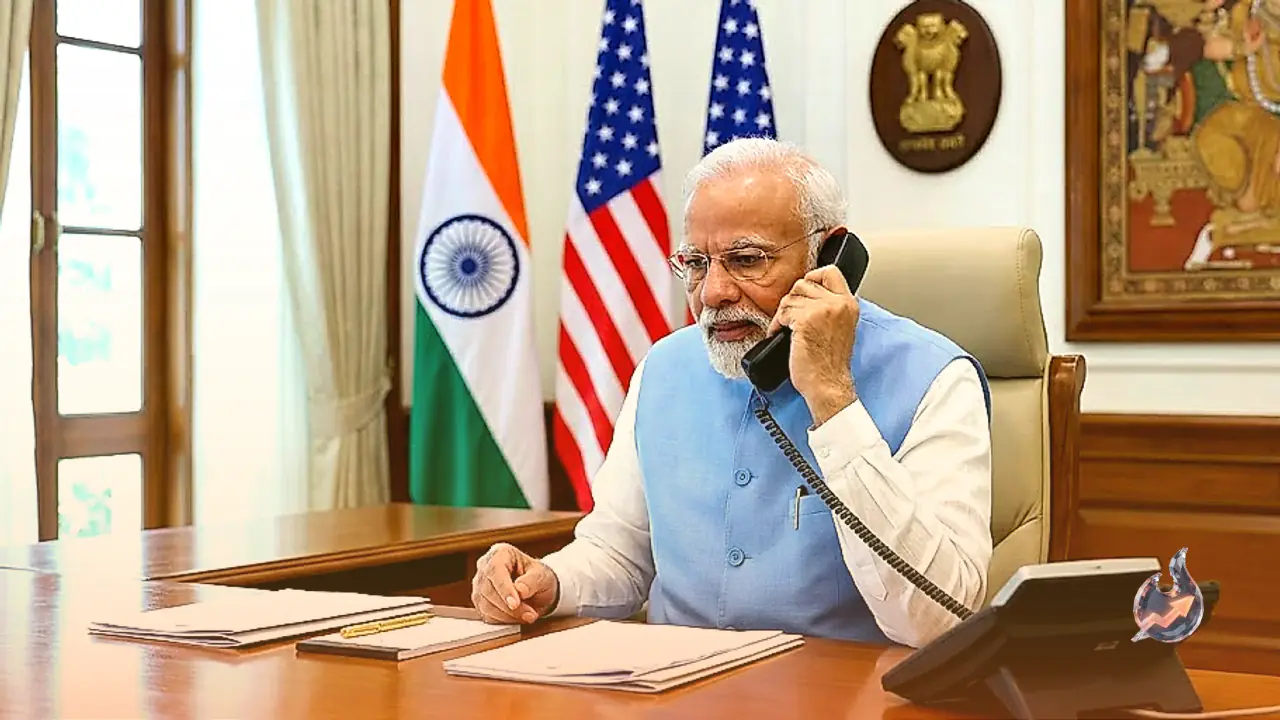



















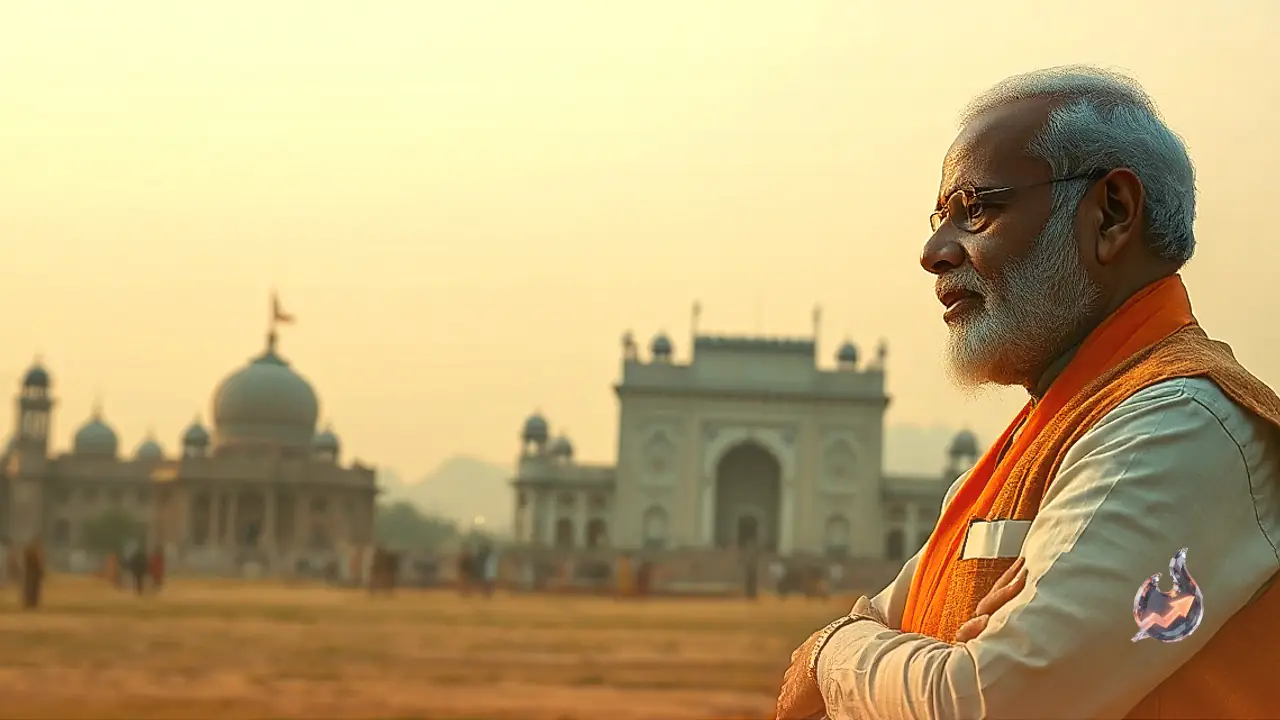

Narendra Modi shared a meaningful Sanskrit verse from the ancient epic Valmiki Ramayana on his official social media handle on X. The post highlights the importance of human initiative, hard work, and continuous effort over passive reliance on fate, emphasizing that individual perseverance can overcome any adversity. As soon as the verse was posted, it sparked widespread engagement and generated diverse discussions across the digital community.
Meaning and Core Message of the Sanskrit Shloka
The verse "Daivam Purushakarena Yah Samarthah Prabadhitum, Na Daivena Vipannarthah Purushah So Avaseedati" underlines the supreme value of human effort, traditional known as Purushartha. It conveys the fundamental principle that a person who possesses the capability to counter adverse destiny through determined effort does not yield to despair even when fate turns unfavourable. The central message encourages individuals to rely on their own internal strength, continuous dedication, and action rather than waiting passively for fortune to favor them.
Historical Context from Ayodhya Kanda
This passage originates from the Ayodhya Kanda section of Maharishi Valmiki's Ramayana. In the epic narrative, this assertion is made by Lakshmana during a critical moment when Lord Rama receives the decree of fourteen years of exile. Moved by righteous anger at the unexpected turn of events, Lakshmana rejects passive submission to fate, asserting that human courage, effort, and action are far greater than fatalistic acceptance. The verse stands as a timeless reminder of maintaining fortitude and proactive resolve during challenging times.
Public Reactions
The social media update drew varied responses from the public. A substantial section of users welcomed the philosophical reflection, praising the timeless message of resilience, hard work, and self-reliance. At the same time, other users responded by bringing up everyday socio-economic concerns, raising questions regarding public infrastructure, employment, and local administrative issues.