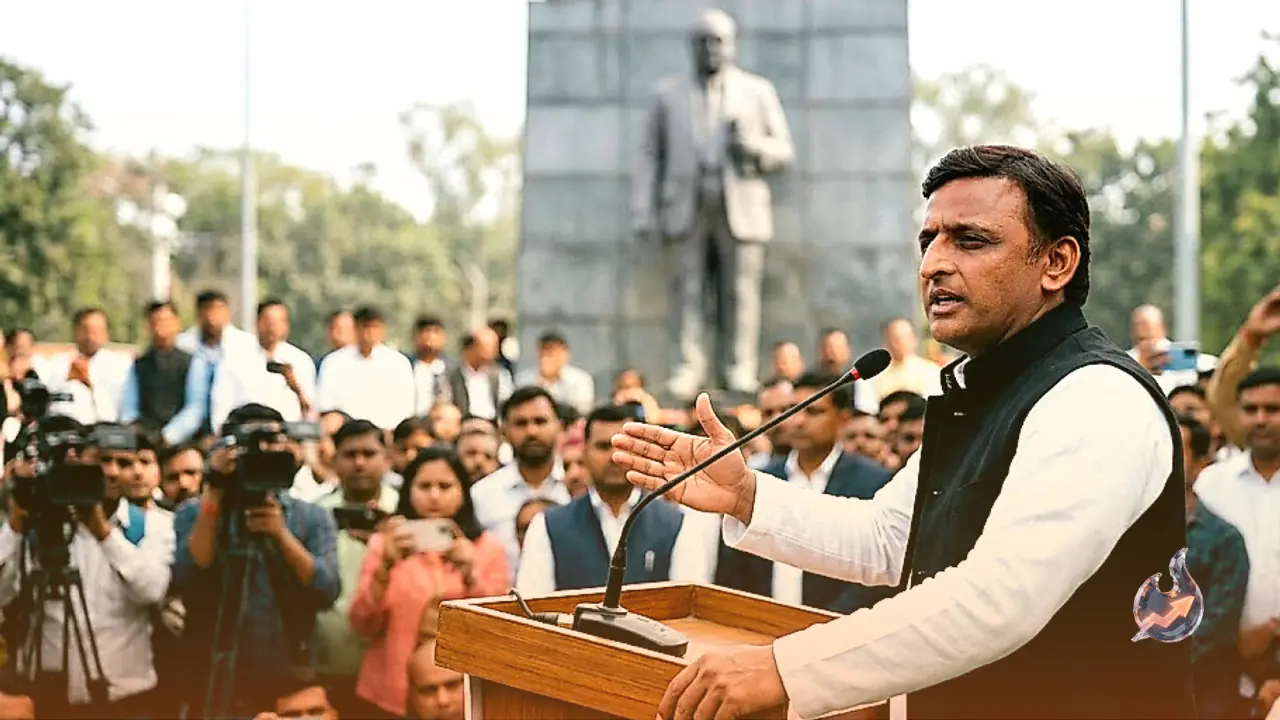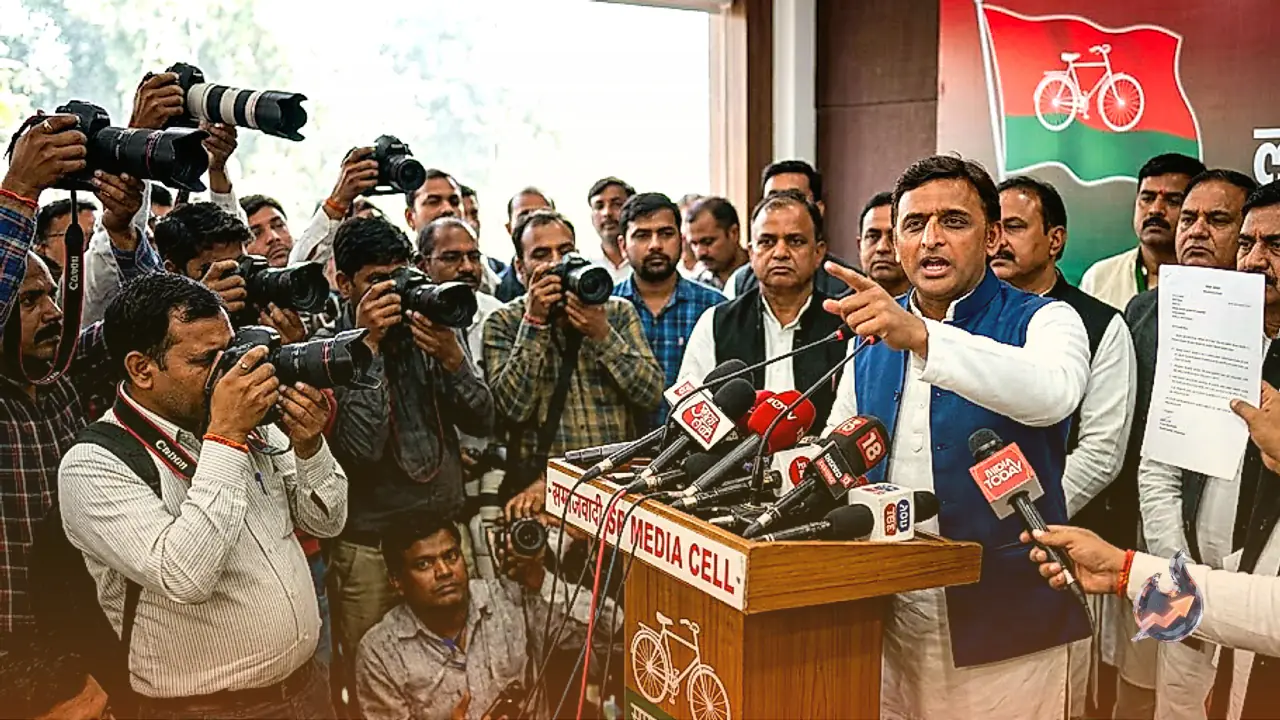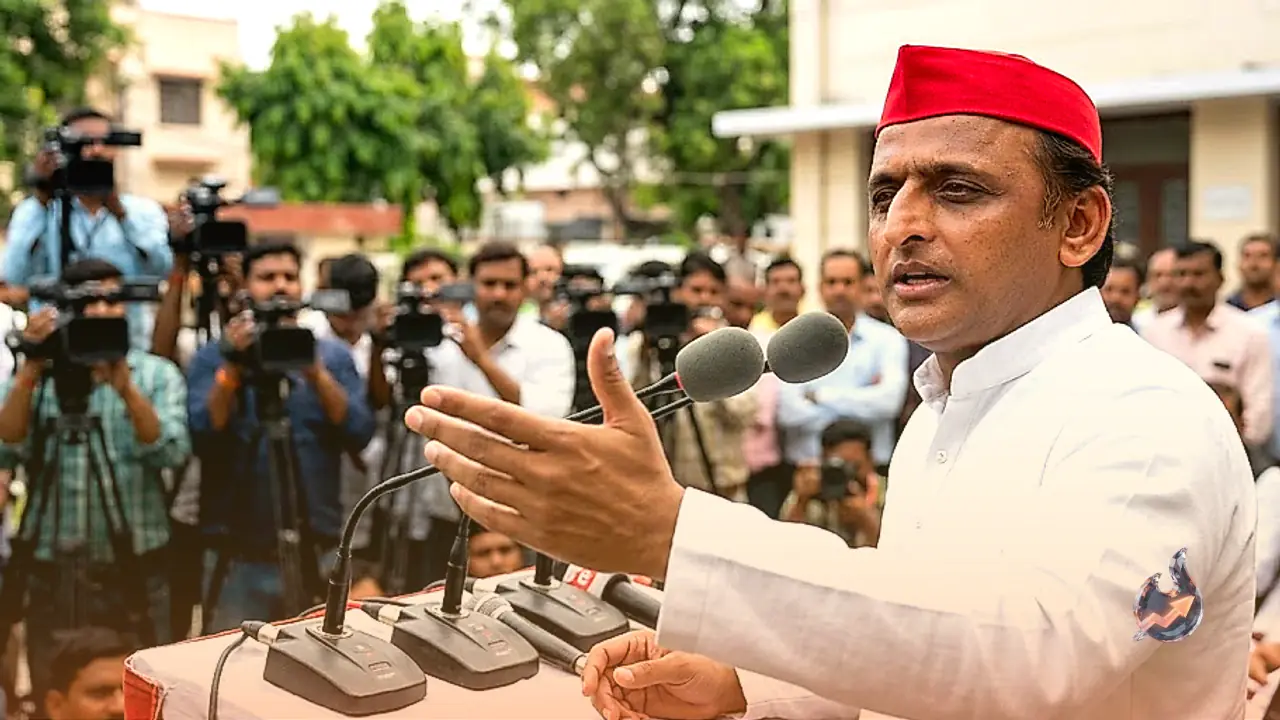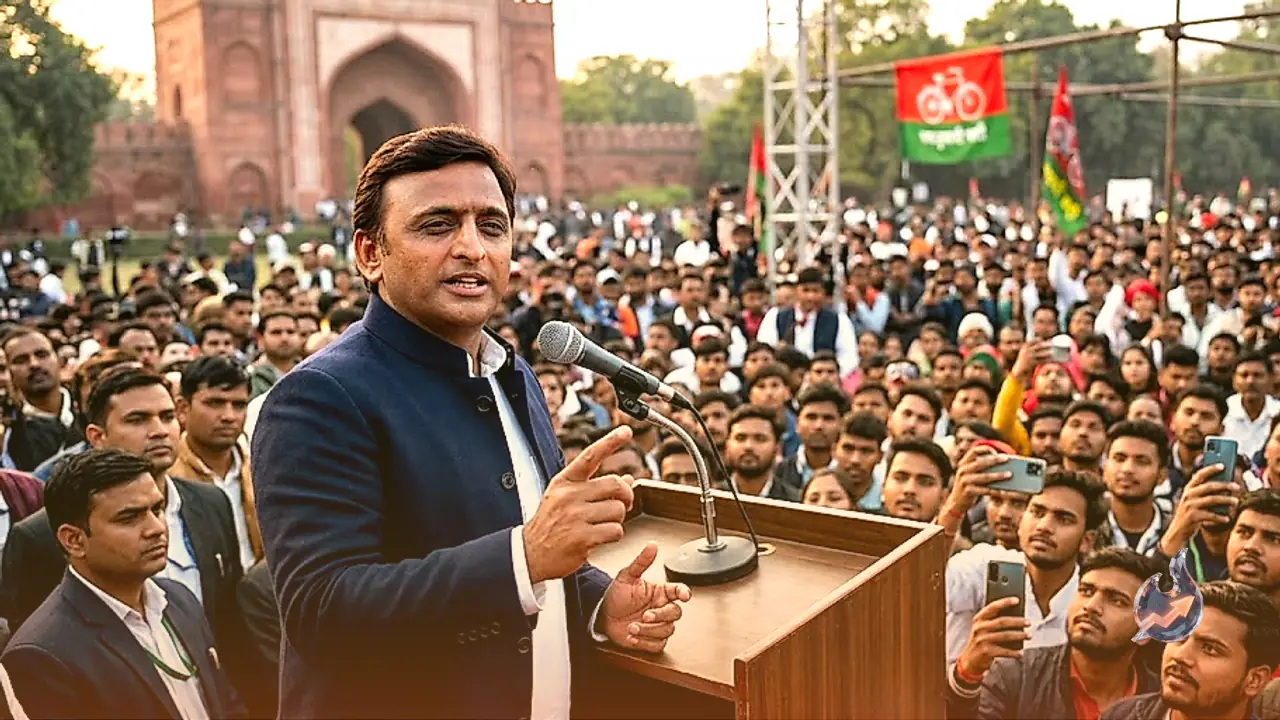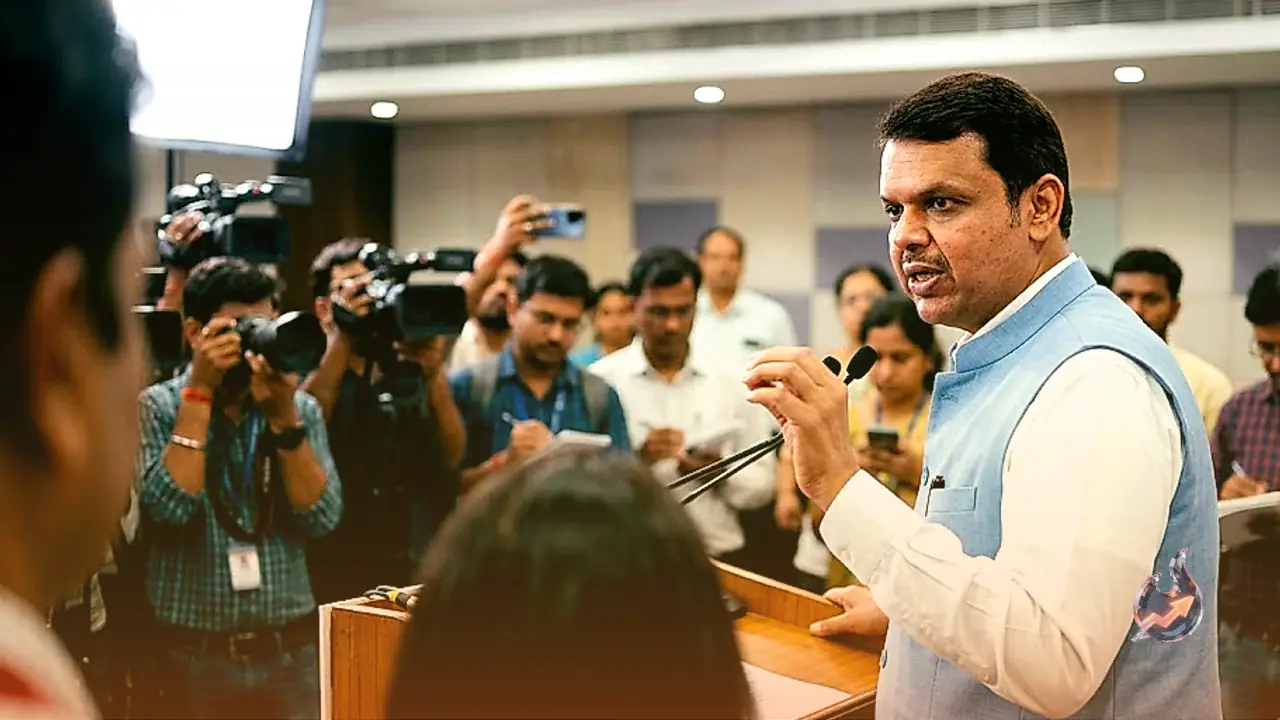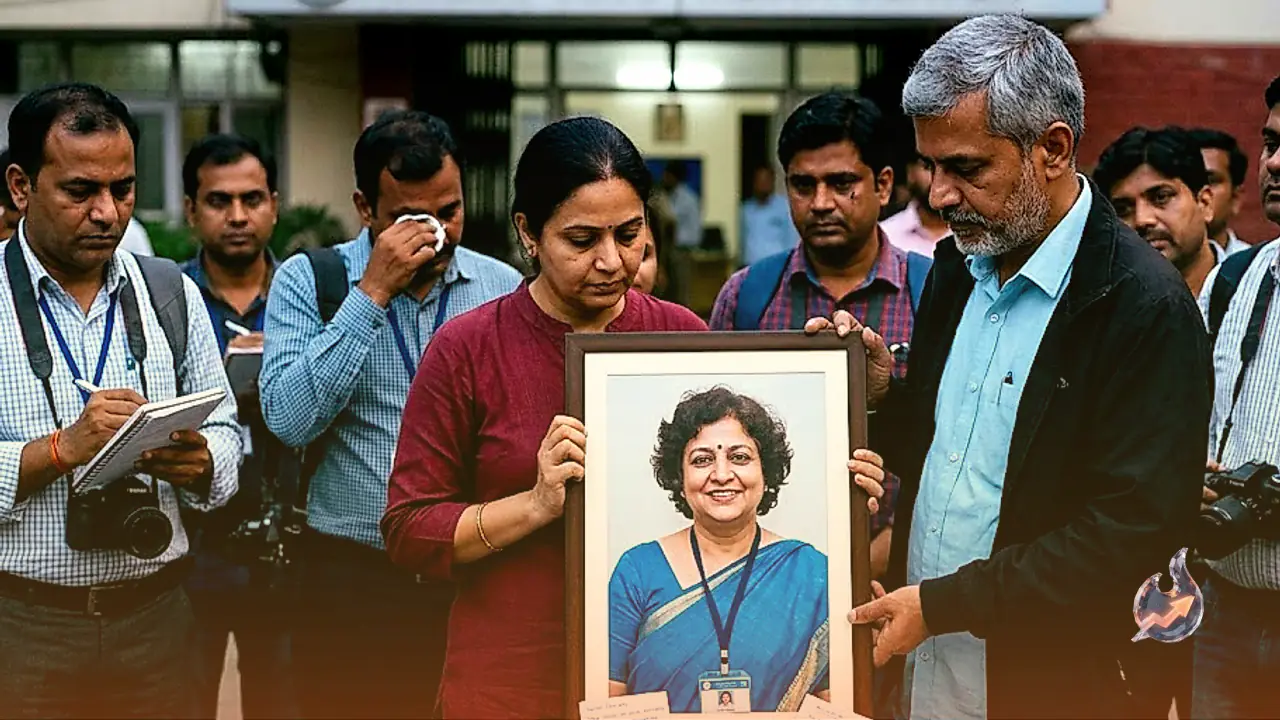

















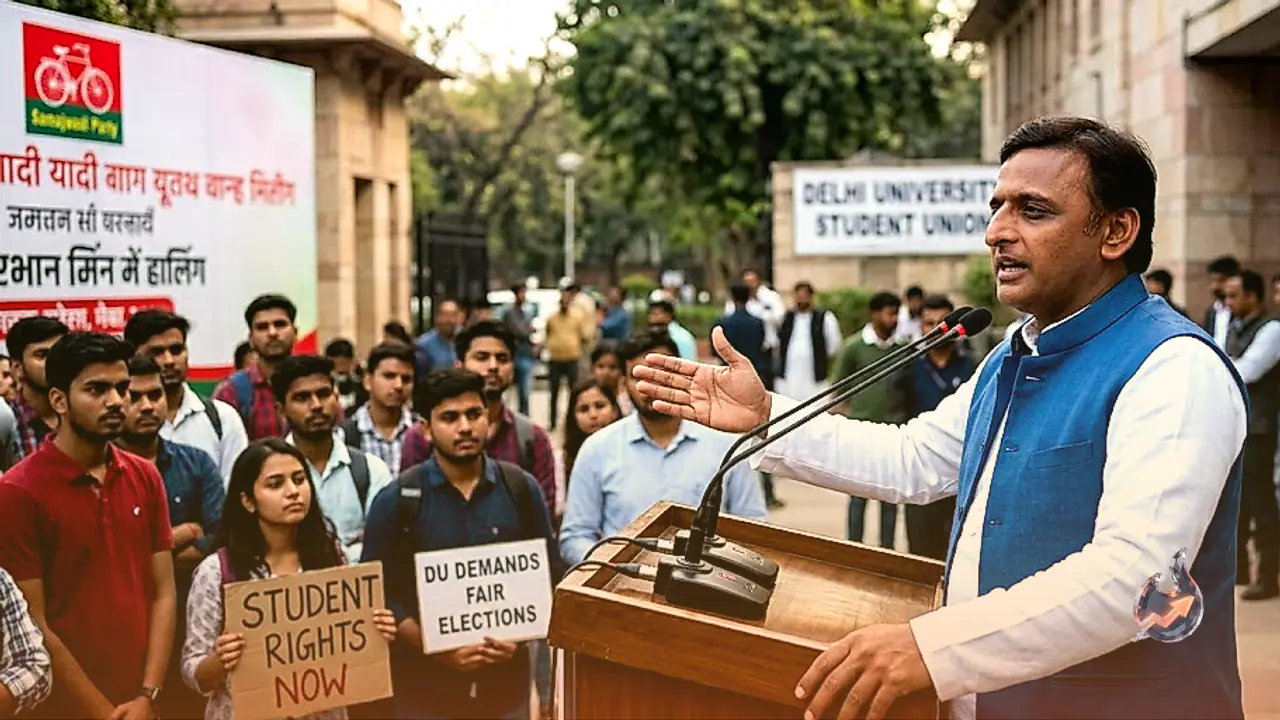

The recent Delhi University Students Union elections have reignited political debate beyond academic campuses, spilling into national discourse over youth alignment and electoral credibility. Samajwadi Party leader Akhilesh Yadav brought campus politics into sharp focus by challenging the ruling party's standing among younger demographics, arguing that widespread student discontent has severely eroded the party's influence among voters entering the political arena.
Akhilesh Yadav Criticizes Election Conduct and Youth Reach
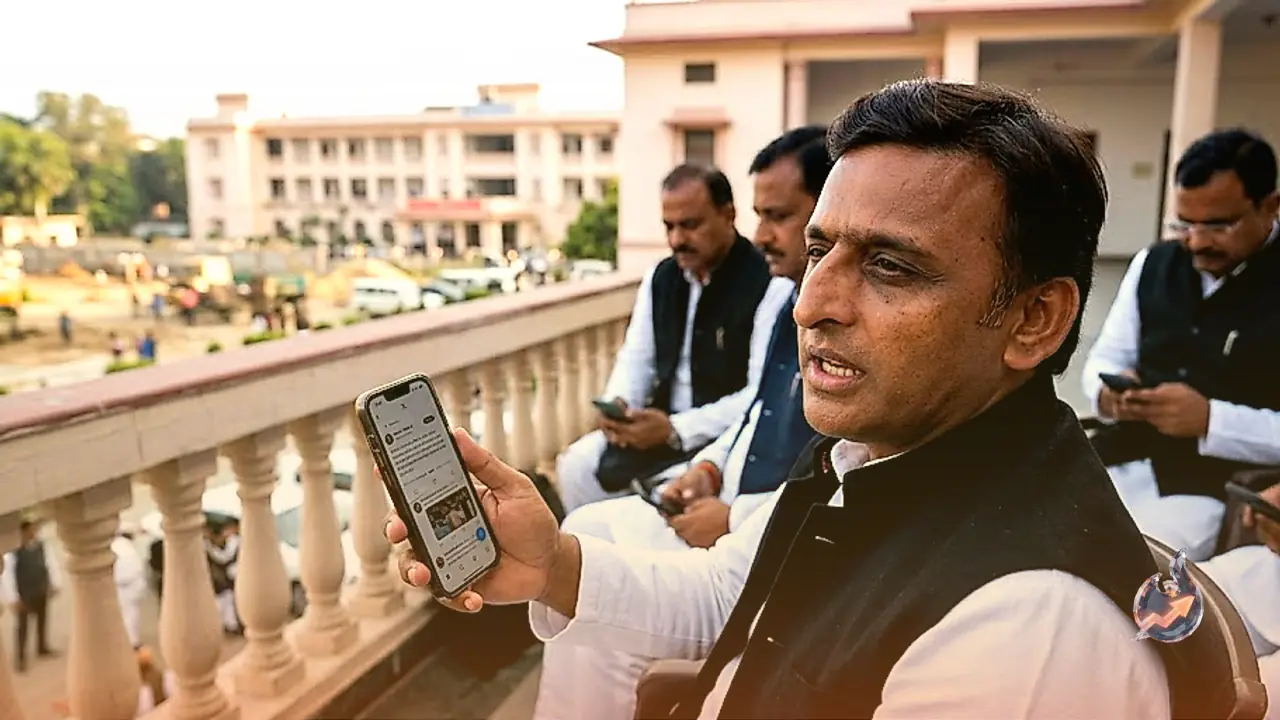
Expressing his views on the digital platform X, Akhilesh Yadav stated that the younger generation has unequivocally demonstrated the extent of resistance against the Bharatiya Janata Party. He claimed that this mounting opposition reached a level where irregular tactics had to be deployed to secure victory in the Delhi University student union elections. Pointing to the performance of independent candidates, he questioned the ruling party's claim of being the world's largest political organization, arguing that falling behind unaligned contenders highlights fragile support among university students and effectively marks a total defeat across major posts.
The Broader Context of Student Agitations and Political Positioning
The sparring over university outcomes arrives against the backdrop of heightened tensions surrounding youth-led protests across the national capital and northern universities. Demonstrations at Jantar Mantar drew significant public attention, particularly when family members of several political leaders were seen participating in the demonstrations. The political narrative around young activists had already grown heated following sharp remarks by actor and parliamentarian Kangana Ranaut, who faced substantial backlash for labeling protesters a 'gutter generation' before subsequently issuing a clarification regarding her stance. In contrast, Rashtriya Swayamsevak Sangh chief Mohan Bhagwat had delivered a conciliatory message to party circles, asserting that the new generation is far from anti-national and often displays greater honesty. Meanwhile, Panjab University president Ankit Bidhan contended that student protests were infiltrated by anti-social elements while maintaining that youth remain aligned with the government. Regional leaders such as Bahujan Samaj Party chief Mayawati also intervened during these tensions, cautioning young protesters against allowing mainstream political formations to hijack their independent movements.
Public Reaction
The public responded to the remarks with polarized opinions across digital forums. While some observers backed the allegations regarding institutional pressure and student unrest, critics dismissed the statement as routine post-defeat rhetoric and suggested that opposition parties focus on internal organization and grassroots regional alliances rather than social media commentary.