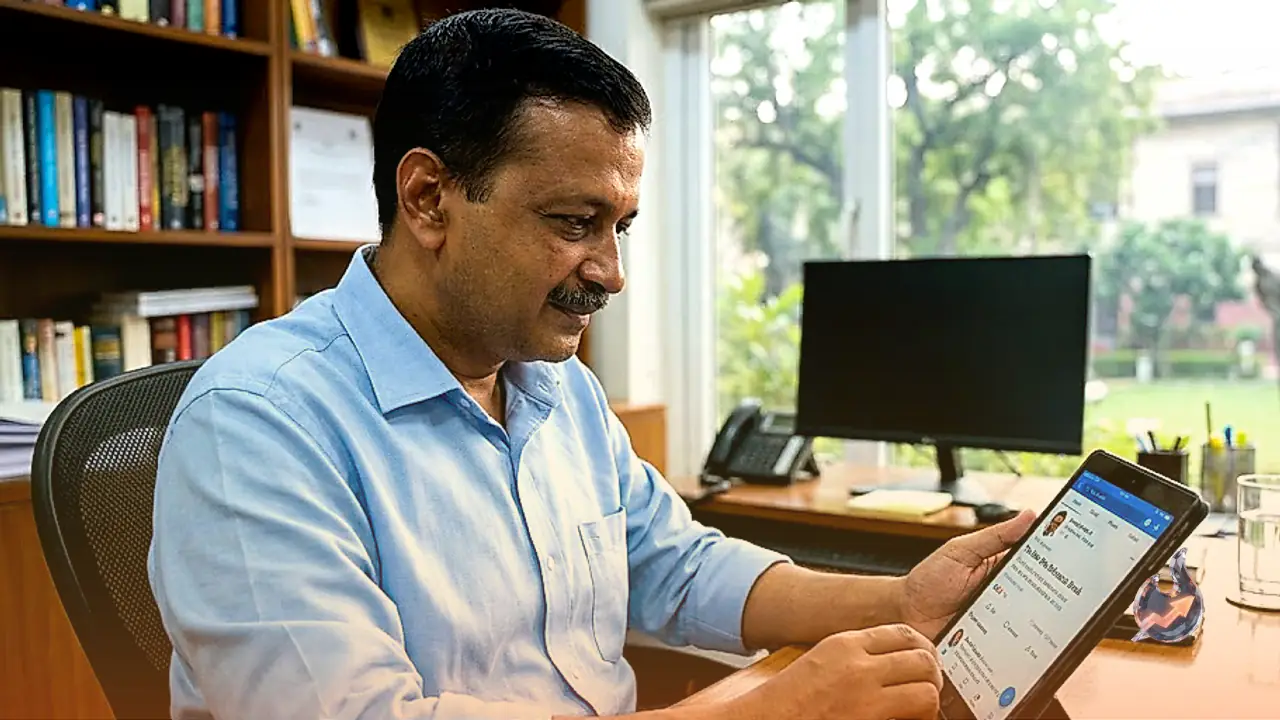



















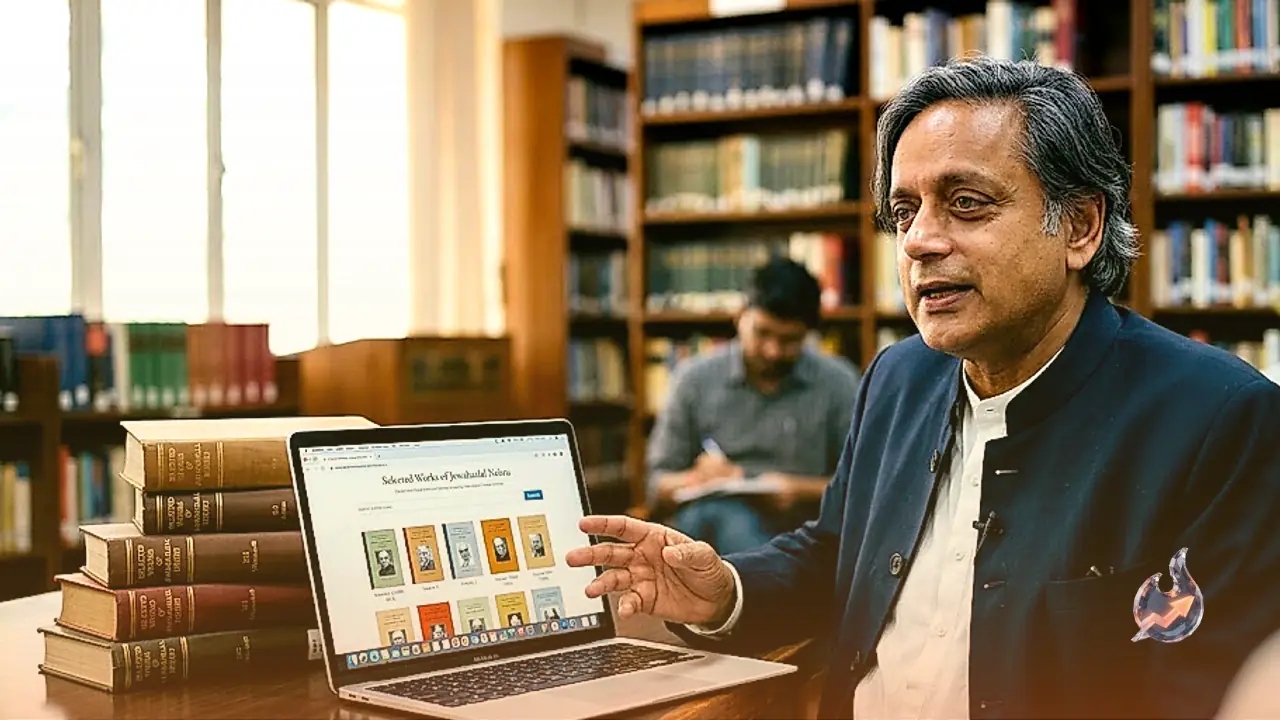

Congress MP Shashi Tharoor has highlighted a comprehensive digital repository of historic documents for history enthusiasts, researchers, and the general public. Writing on social media platform X, Tharoor shared that the complete 100-volume collection titled 'Selected Works of Jawaharlal Nehru', covering the years from 1903 to 1964, has been uploaded online. The entire archive is fully searchable and accessible for free download by anyone interested in studying modern Indian history.
Features of the 100-Volume Digital Archive
Spanning over six decades from 1903 to 1964, the 100 volumes contain a vast collection of letters, speeches, writings, and official records associated with India's first Prime Minister. Tharoor described the online platform as an absolute treasure trove for anyone fascinated by historical developments. A key functional aspect of this digital repository is its built-in search functionality, enabling students and scholars to quickly locate specific dates, topics, or key terms across all 100 volumes without having to manually scan physical texts.
Relevance to Fact-Checking and Public Discourse
Beyond its academic value, Tharoor pointed out the practical utility of having such primary historical documents readily available. He noted that the searchable archive serves as a useful tool for verifying facts and conducting political analysis. In an era where historical narratives and claims are frequently debated on digital platforms, having direct access to authenticated primary sources allows readers to independently verify claims and counter misinformation with documented evidence spanning the 1903-1964 era.
Public Reaction
The announcement generated substantial interest among social media users and history enthusiasts. Many users welcomed the initiative, praising the portal as a well-crafted and valuable digital resource for academic research. Meanwhile, several commentators suggested that similar open-access digital archives should also be created for other prominent freedom fighters and national leaders, such as Netaji Subhash Chandra Bose, to help the public explore diverse perspectives of Indian history.