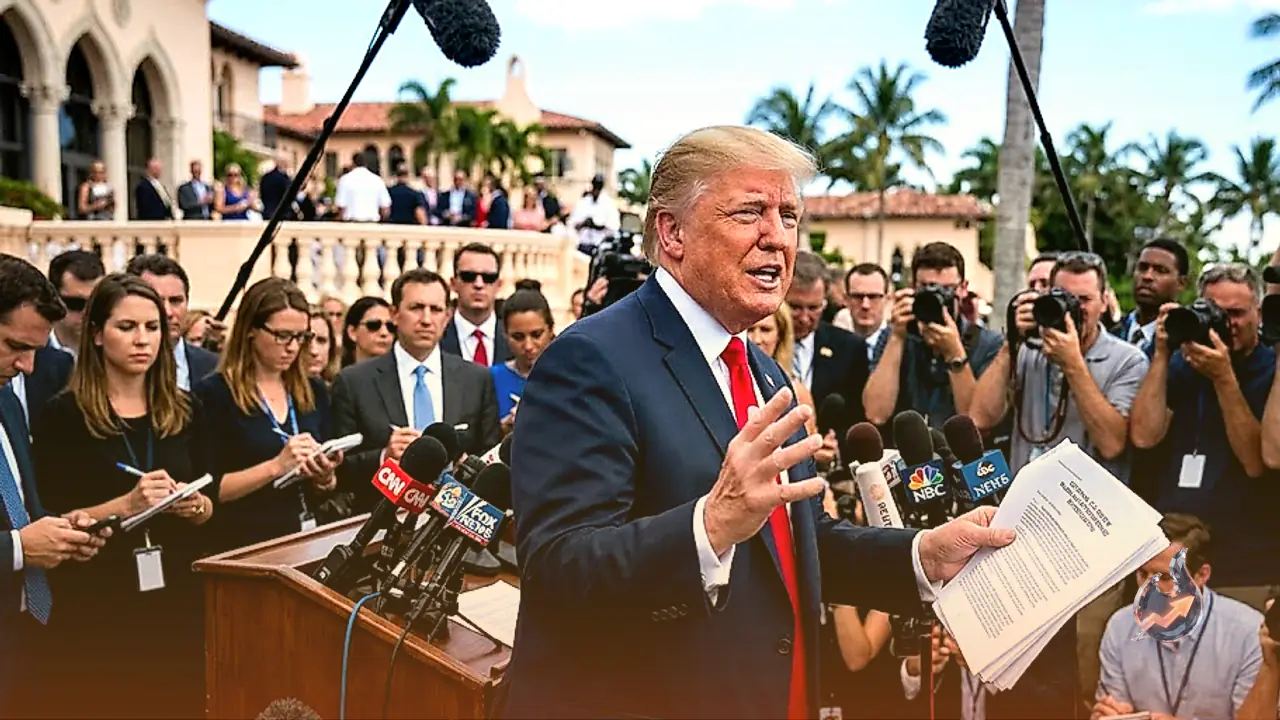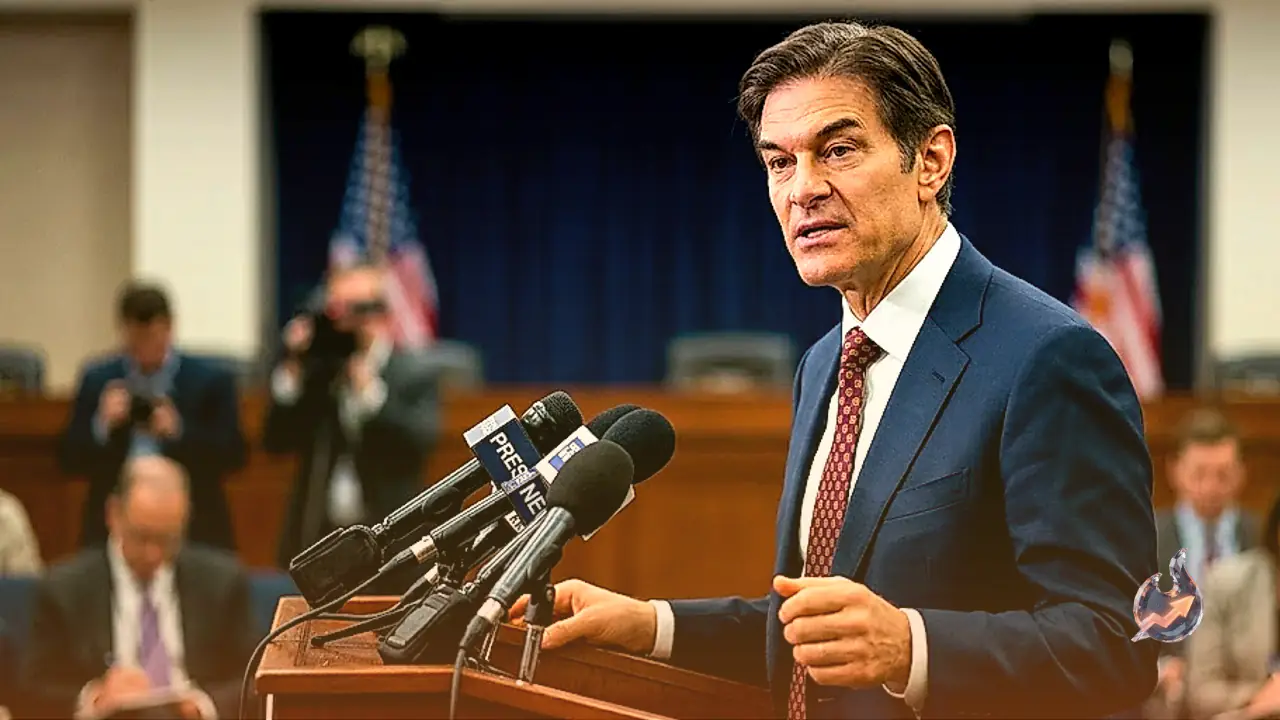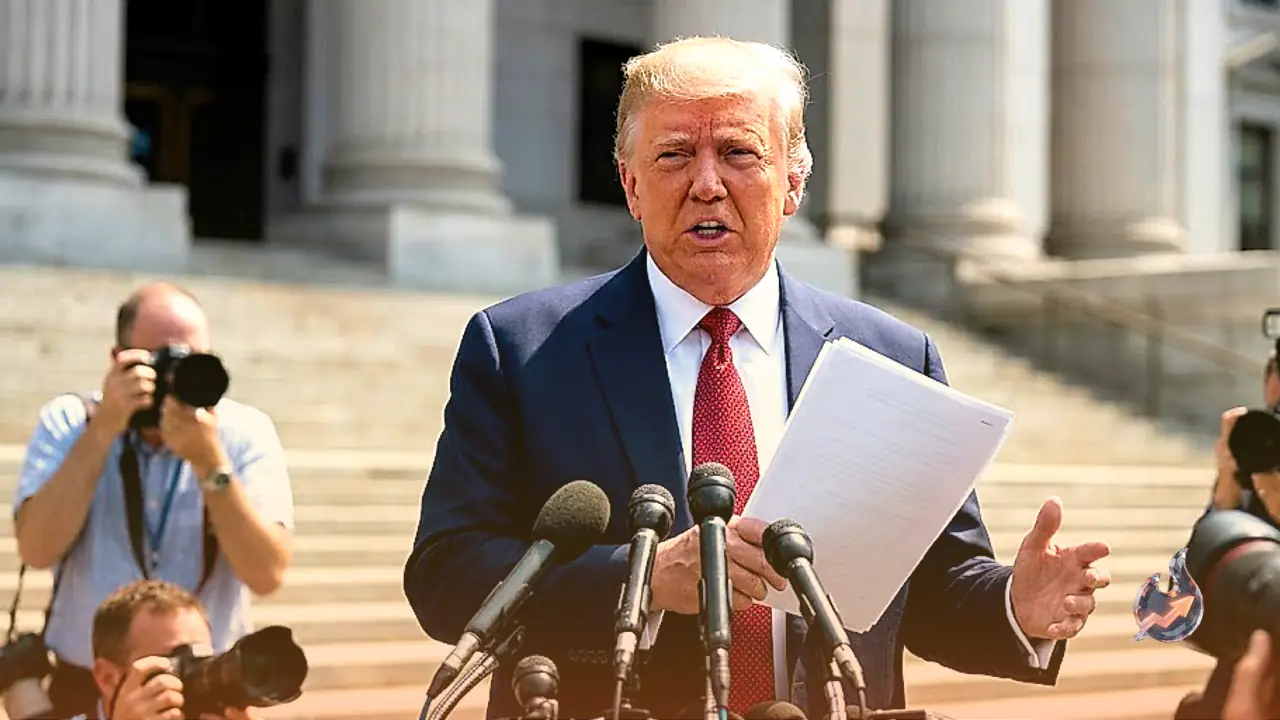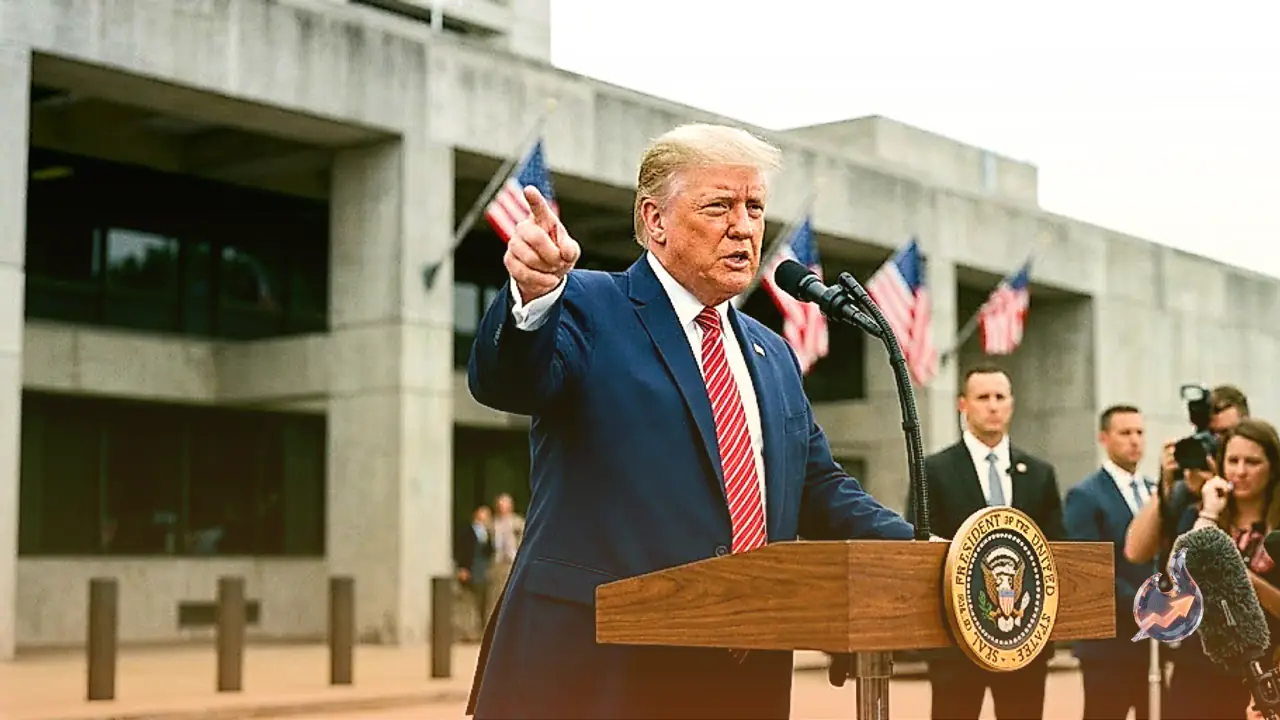




















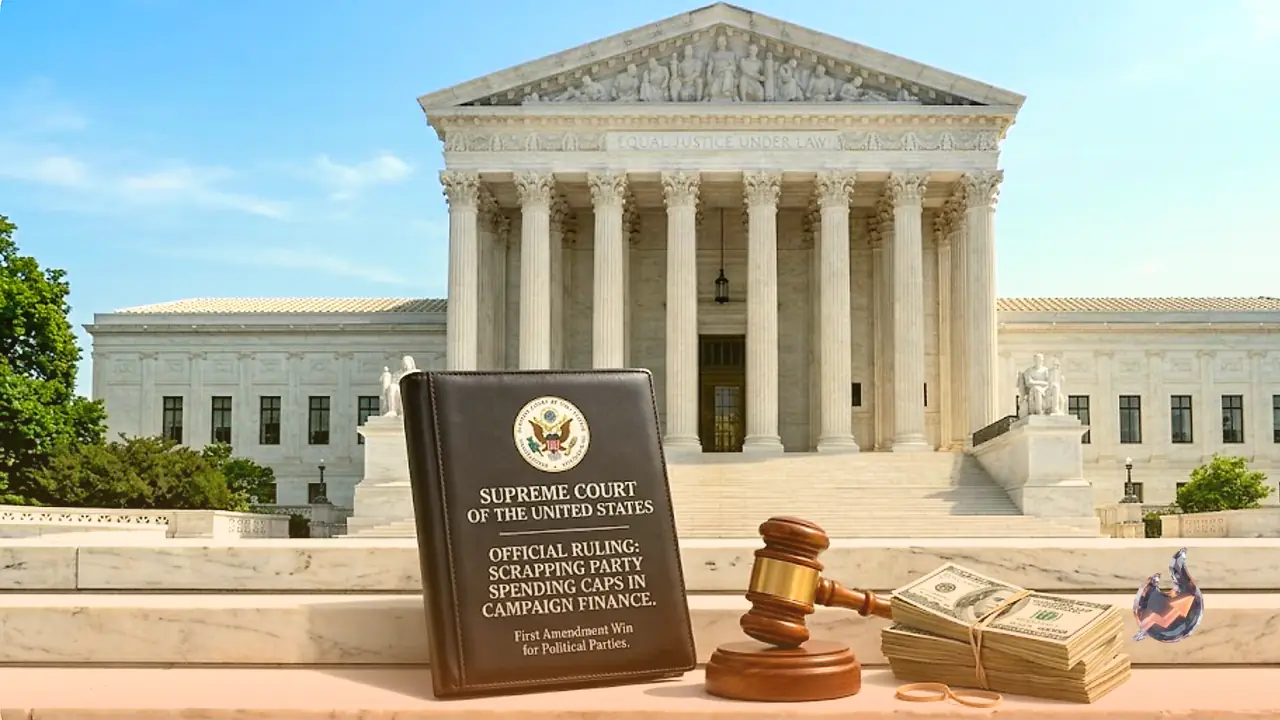

The United States Supreme Court has struck down long-standing restrictions on political party spending and coordinated campaign expenditure, delivering a ruling that fundamentally reshapes campaign finance law in America. Donald Trump swiftly celebrated the decision on Truth Social, calling it a major victory for Republicans and the First Amendment.
What the Supreme Court Decided
The ruling dismantles caps that had for years prevented political parties from spending unlimited sums in coordination with their candidates. Those limits existed to stop parties from functioning as uncapped fundraising operations for individual campaigns. With the restrictions now lifted, political parties can pour far greater resources into electoral contests without running afoul of federal campaign finance law.
The Court grounded its decision in First Amendment reasoning, treating political spending as a form of protected speech. Coordinated expenditure between a party and its candidate, the Court held, falls within that constitutional protection and cannot be capped by federal law.
Trump Celebrates on Truth Social
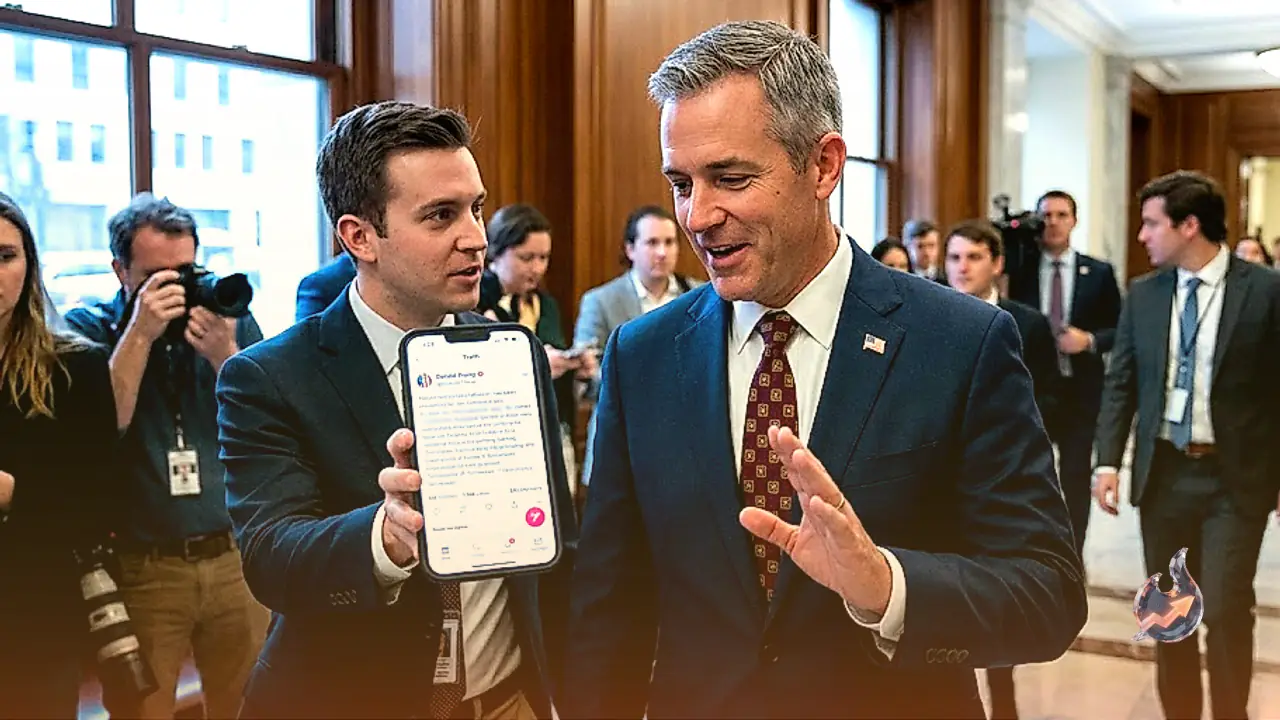
Posting on Truth Social, Donald Trump greeted the ruling with open enthusiasm. He wrote:
The Supreme Court just took restrictions off political spending! A BIG WIN FOR REPUBLICANS and, more importantly, The First Amendment!
While Trump framed the decision as a constitutional milestone rather than simply a partisan advantage, the immediate practical beneficiaries are expected to be Republican campaign infrastructure, which has long pushed for looser coordinated spending rules.
The First Amendment and Political Money
American courts have long wrestled with where protected speech ends and corrupting political influence begins in campaign finance. Through a succession of rulings, the Supreme Court has increasingly held that spending money on political campaigns constitutes expression protected by the First Amendment. This latest decision applies that logic to coordinated party-candidate spending, removing a category of restriction that campaign finance reformers had defended for years as essential to preventing outsized donor influence in individual races.
The Broader Supreme Court Landscape
The ruling arrives amid a particularly consequential stretch of Supreme Court decisions. In recent months, the Court has limited the use of race in drawing electoral district boundaries, narrowed key provisions of the Voting Rights Act, and earlier ruled that Trump's sweeping emergency tariffs were illegal. That tariff ruling had prompted sharp public criticism from Trump directed at individual justices. The campaign finance decision, however, aligns cleanly with Republican preferences and drew immediate praise from Trump.
What Changes for American Elections
With coordinated spending restrictions removed, political parties can now work far more closely with their candidates' campaigns, directing money in ways previously barred by federal law. Political strategists expect the ruling to significantly reshape how parties structure their electoral operations and allocate resources in future election cycles, making the party apparatus a considerably more powerful force in individual races.