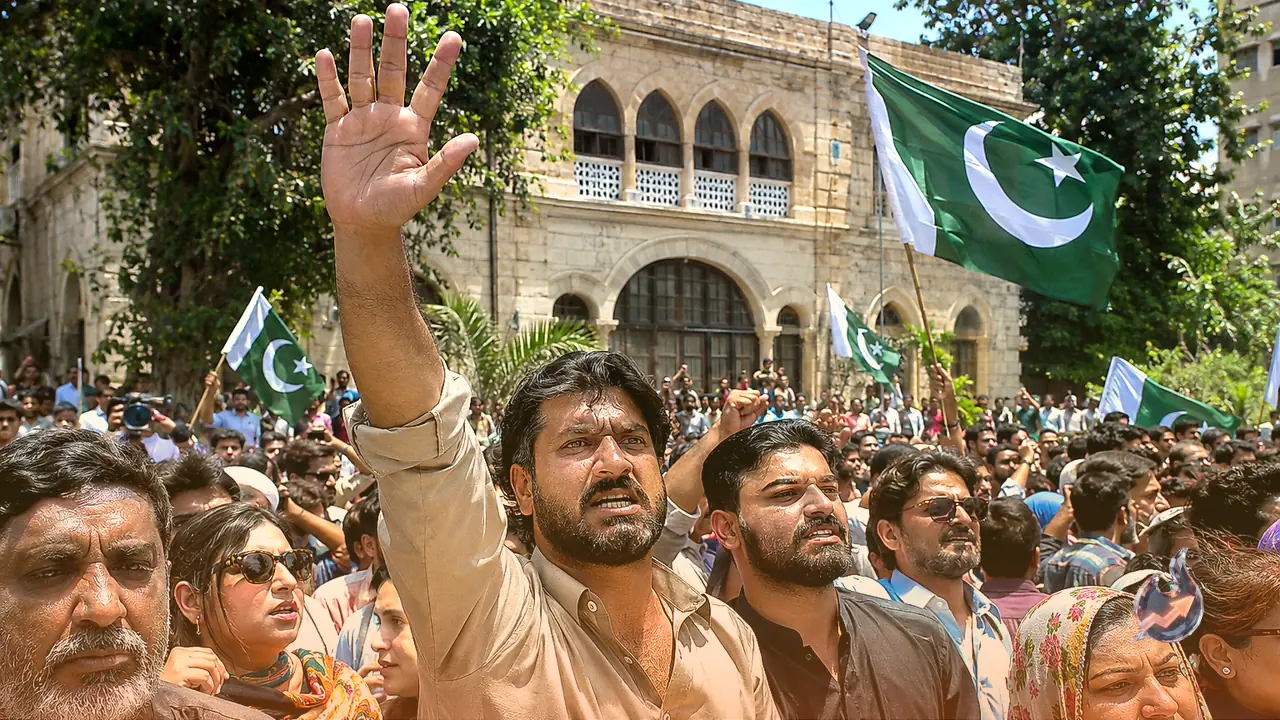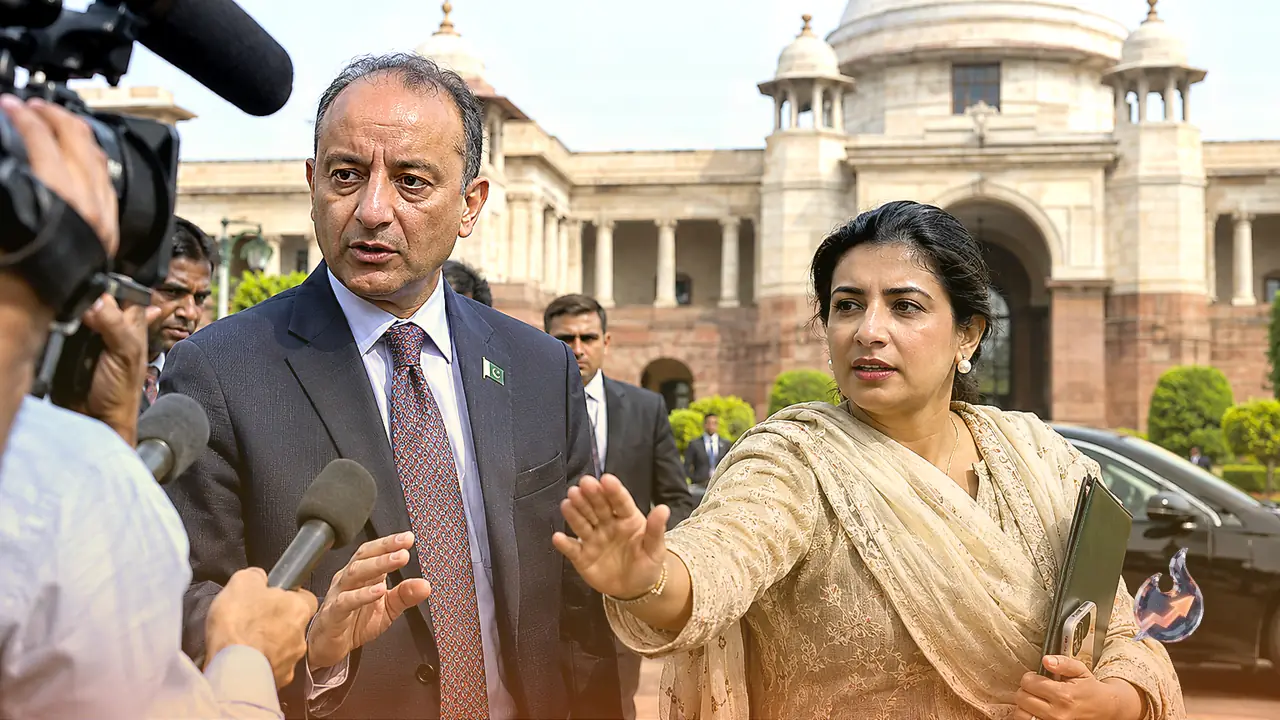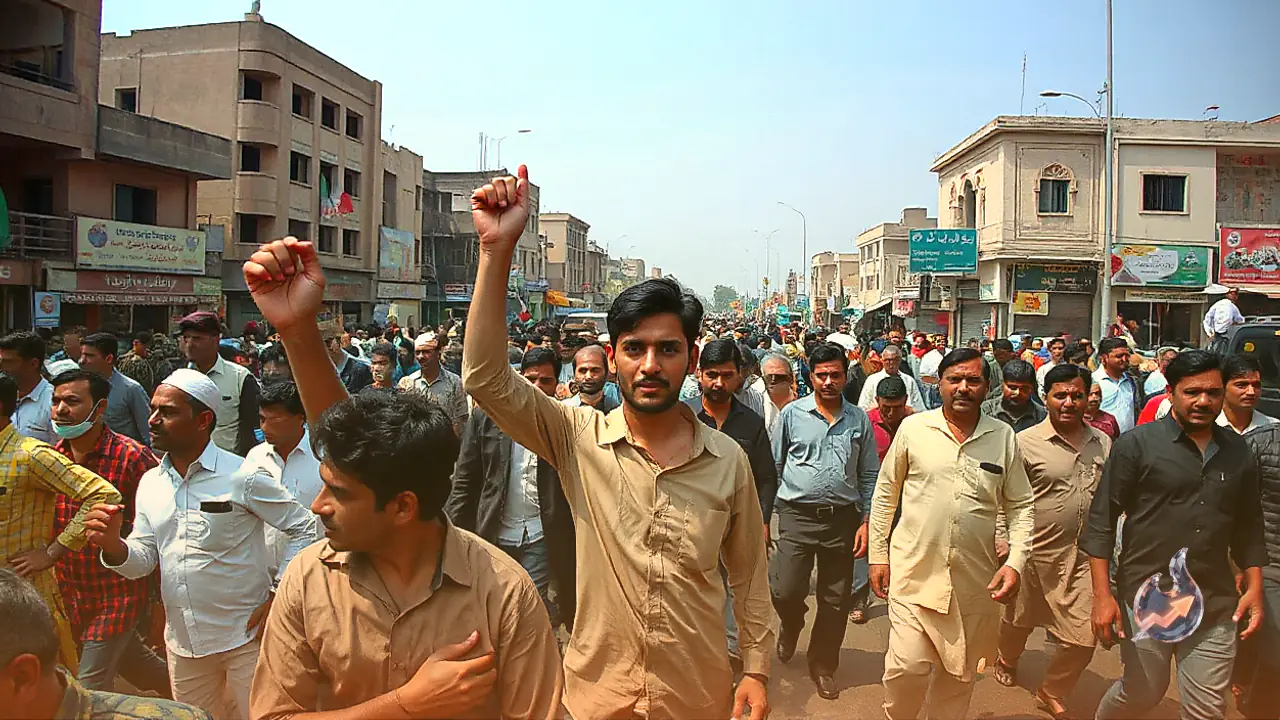

While Pakistan often projects strength on the global stage, the reality is that the nation's security apparatus remains under severe strain. Persistent internal uprisings and domestic attacks mean that hosting foreign guests requires such heavy security protocols that the pace of life in the capital Islamabad and Rawalpindi comes to a complete standstill. In light of upcoming visits by delegations from Saudi Arabia and Turkey, the government declared a local holiday in both cities on Friday.
Road closures and suspended metro services
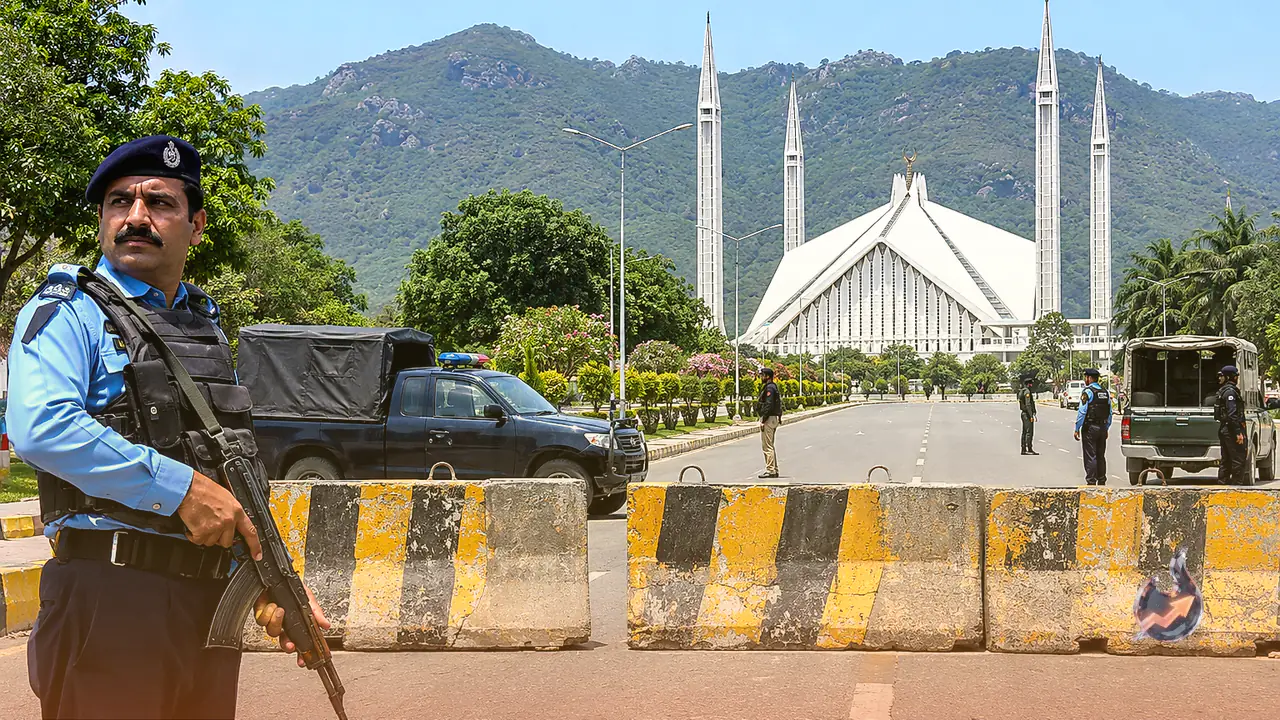
As part of these security measures, several major roads in the capital were sealed off, metro bus services were suspended, and the movement of heavy vehicles was strictly prohibited. A similar situation unfolded previously when Islamabad hosted peace talks between Iran and the United States. This recurring disruption has sparked questions over whether it is necessary to disrupt the daily routines of ordinary citizens to such an extent merely to host international events.
High-level discussions on the Mecca agreement
The administrative actions stem from high-level talks scheduled in Islamabad between Saudi Arabia, Turkey, and Pakistan concerning the Mecca agreement. To safeguard the foreign delegations, the administration implemented special arrangements spanning from November 26 to November 28.
Traffic diversions and restricted zones
Friday marked a local holiday in Islamabad and Rawalpindi, affecting the usual flow of commerce and education. Routes surrounding the Red Zone, including Serena Hotel, Nadra Chowk, Ayub Chowk, and Express Chowk, were blocked off, with commuters directed toward alternative pathways. Public transport suffered significant setbacks alongside road closures. Metro and electric bus operations running from 7th Avenue to the Pak Secretariat were temporarily halted. Heavy commercial vehicles were barred from entering, and the Faizabad bus terminal was also shut down.
Heavy military and police deployment
The restrictions extended beyond urban transit, as Trail-3 and Trail-5 of the Margalla Hills were closed to the general public. The government placed the overarching security framework under the direct oversight of the military. Furthermore, Rangers personnel and approximately 2,000 police officers were deployed across the twin cities to maintain strict control.
Contrasting approaches to major global events
By contrast, when examining large-scale international events hosted elsewhere, India successfully organized the G20 summit in New Delhi in September 2023. That landmark gathering brought the President of the United States, the Prime Minister of the United Kingdom, and numerous other global leaders to the national capital. India has similarly managed other major summits with global leaders in attendance without causing disruption to the general public. Traffic routes were managed through strategic diversions, yet commercial markets remained open, and no shutdown orders were issued for schools or colleges.
Questions over administrative capability
The simultaneous implementation of sudden holidays, road barricades, halted bus networks, and restricted heavy vehicle access for foreign visits directly impacts working professionals, business owners, students, and daily commuters. True administrative capability in hosting international guests is measured not only by the security provided to foreign dignitaries but equally by the ability to maintain normalcy for everyday citizens, an area where Islamabad consistently falls short.