
In Pakistan, democratically elected governments have seldom held the true keys to power, with the military remaining the ultimate authority behind the state apparatus. The current administration led by Prime Minister Shehbaz Sharif operates under a hybrid model, where real authority rests firmly in the hands of Army Chief Field Marshal Asim Munir. Policies and administrative directions stemming from the military leadership have increasingly sparked intense political friction, with critics accusing top brass of sowing divisions that threaten the nation's fragile federal structure. At the center of this brewing storm is a controversial proposal to alter the internal map of Pakistan by splitting its four primary provinces into smaller administrative units.
Thousands Take to the Streets in Karachi
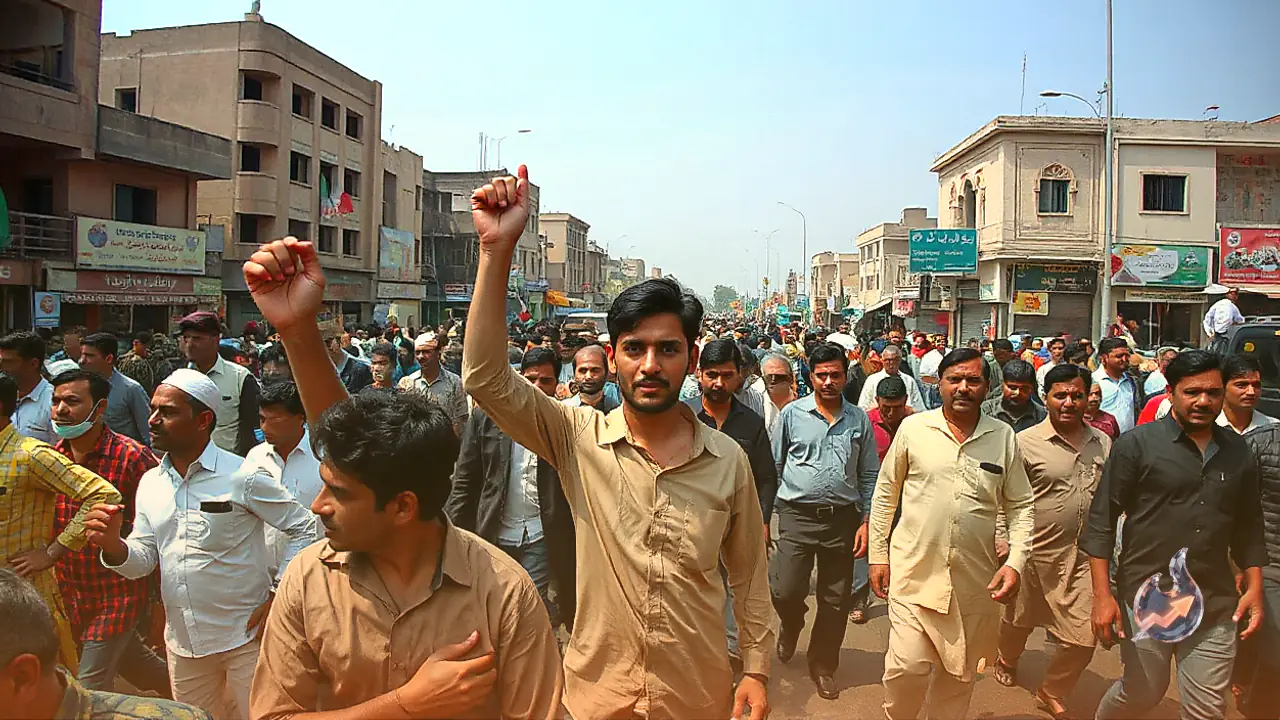
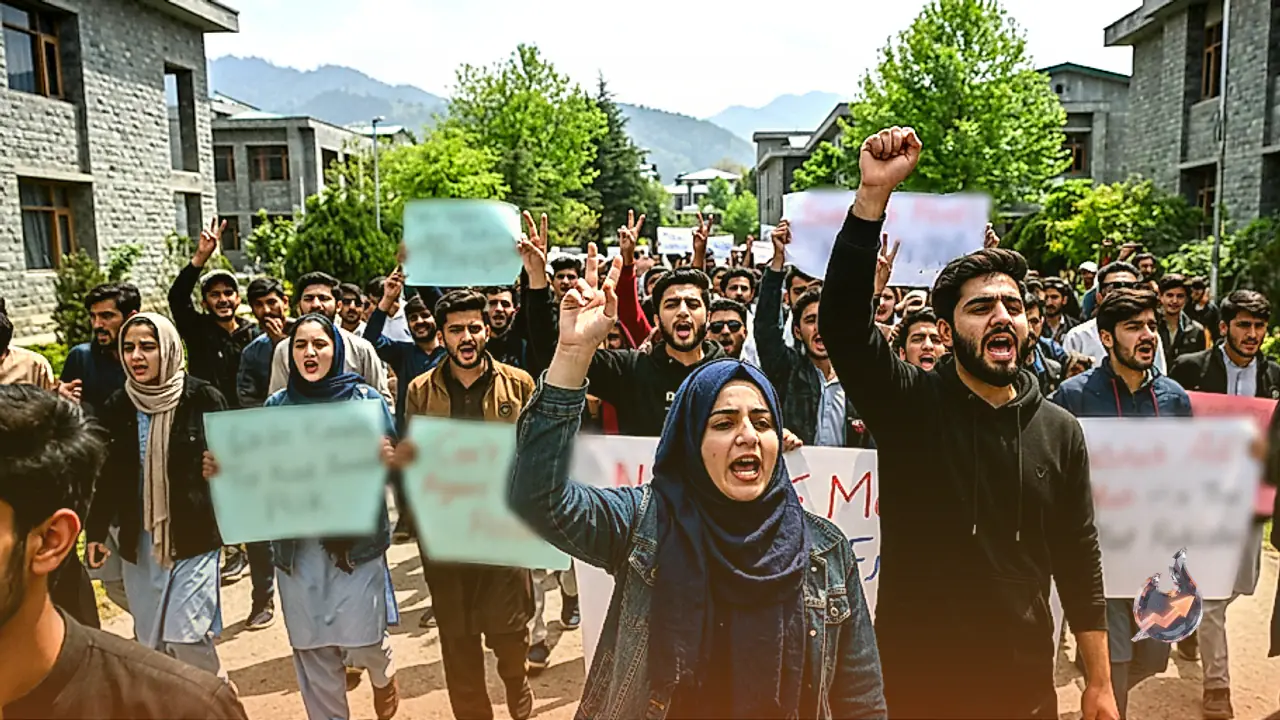
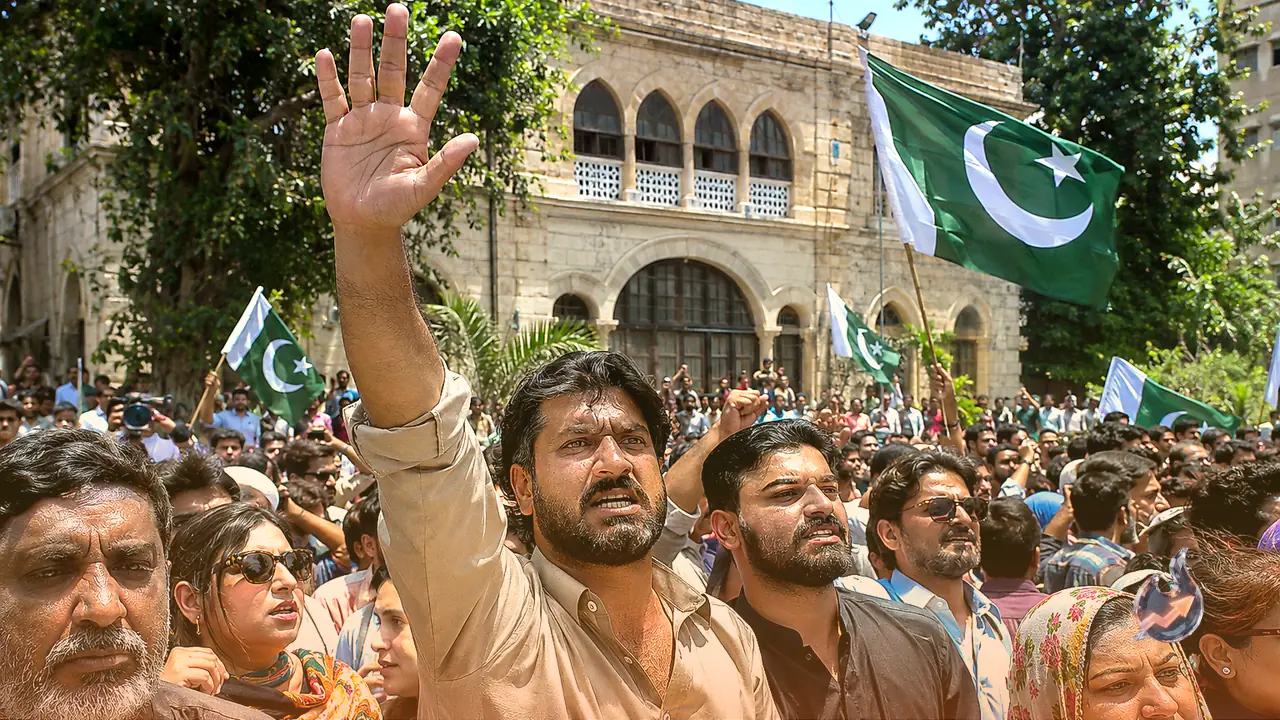
The heartbeat of Pakistan, Karachi, witnessed a massive surge of public anger as thousands of citizens poured onto the streets to protest the potential division of Sindh province. Demonstrators gathered in large numbers to register their vehement opposition to any scheme aimed at carving up the region into new administrative zones. Protesters issued a direct ultimatum to the authorities, declaring that if the controversial restructuring plans are not immediately abandoned, the demonstrations will escalate significantly across the region. The populace made it clear that any tampering with the historical boundaries of Sindh will meet fierce resistance.
Jiye Sindh Rahbar Committee Leads the Charge
According to reports detailing the local mobilization, the large-scale protest in Karachi was organized under the banner of the Jiye Sindh Rahbar Committee. The demonstration drew participation from a diverse coalition of Sindhi political leaders, active political workers, legal professionals, and concerned members of civil society. Participants chanted slogans demanding the preservation of Sindh's current geographical and administrative integrity. They maintained that decisions regarding the future of the province must strictly align with the aspirations and consent of the local population rather than being dictated from the top.
Preserving History, Culture, and Identity
Speakers and participants at the rally emphasized that Sindh is much more than a mere administrative territory, possessing deep roots in a rich history, ancient culture, and enduring civilization. Attempts to slice the province apart under the guise of administrative efficiency are wholly unacceptable to the local inhabitants. The crowd also strongly rejected the notion of holding a referendum specifically aimed at forming new administrative units. Community leaders argued that such proposals serve hidden political agendas designed to fracture regional solidarity.
Call for Federal Intervention and Restraint
Protesters directed urgent appeals toward the federal government under Prime Minister Shehbaz Sharif and relevant national institutions, urging them to halt any measures that heighten political tension and social division. They warned that forcing administrative changes without local consent would compel them to resist through constitutional, legal, and democratic means. Should the need arise, organizers promised to expand the agitation throughout the length and breadth of Sindh province to protect their regional autonomy.
The Debate Over Splitting Four Major Provinces
Discussions surrounding the potential division of Pakistan's four major provinces, namely Punjab, Sindh, Khyber Pakhtunkhwa, and Balochistan, into a dozen or more administrative units have gained considerable momentum. This controversial proposal is widely linked to Army Chief Asim Munir, although no formal blueprint has yet been made public by the military establishment. Proponents of the restructuring argue it would improve governance, decentralize power, and bring government services closer to ordinary citizens. However, political analysts caution that implementing such a sweeping change would fundamentally alter Pakistan's federal framework and further concentrate power within the military.
Political Fallout and Rising Tensions
The administrative restructuring debate has ignited a broader national conversation concerning the role of the military, the distribution of federal power, and provincial autonomy. Political observers note that the centralization of decision-making under the current military leadership is driving regional alienation. As protests grow, the friction between regional nationalist groups and the federal-military nexus threatens to plunge several parts of the country into prolonged political instability.
Bilawal Bhutto-Zardari Issues Severe Warning
Weighing heavily into the controversy, Pakistan Peoples Party (PPP) Chairman Bilawal Bhutto-Zardari previously voiced sharp opposition to the rumored division. During a public event, he cautioned that forcing the partition of Sindh could drive desperate citizens to take up arms, leading to grave and bloody consequences. Bilawal stressed that forcefully carving up provinces would inevitably foster deep societal divisions, deepen regional animosities, and create volatile conflict zones.
Constitutional Processes and Democratic Norms
While clarifying that his party is not inherently opposed to the creation of new provinces, Bilawal insisted that any such major decision must strictly adhere to the constitution, the law, and the explicit consent of local inhabitants. He pointed out that the Constitution of Pakistan already outlines a clear legal mechanism for creating new administrative units, rendering talks of a referendum an unconstitutional bypass of established norms. He added that referendums in Pakistan's history have often been manipulated for undemocratic goals, elevating the Sindh division issue into a defining test of the nation's democratic resilience.