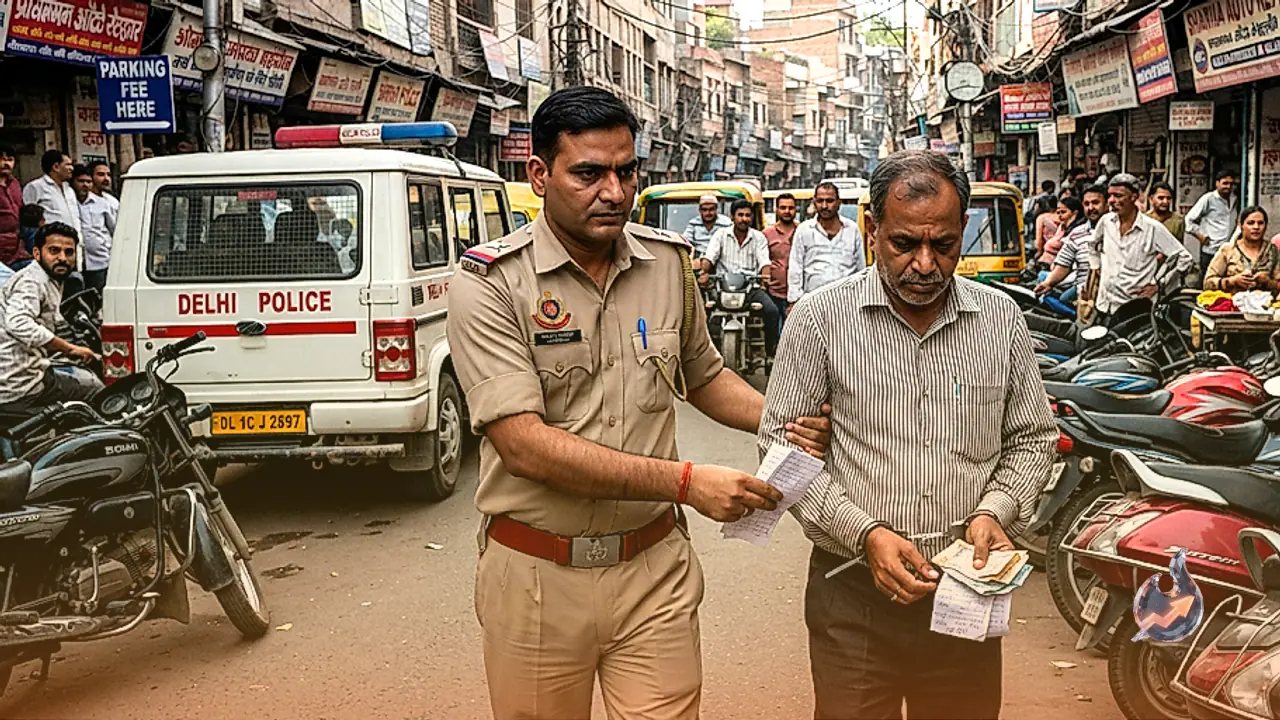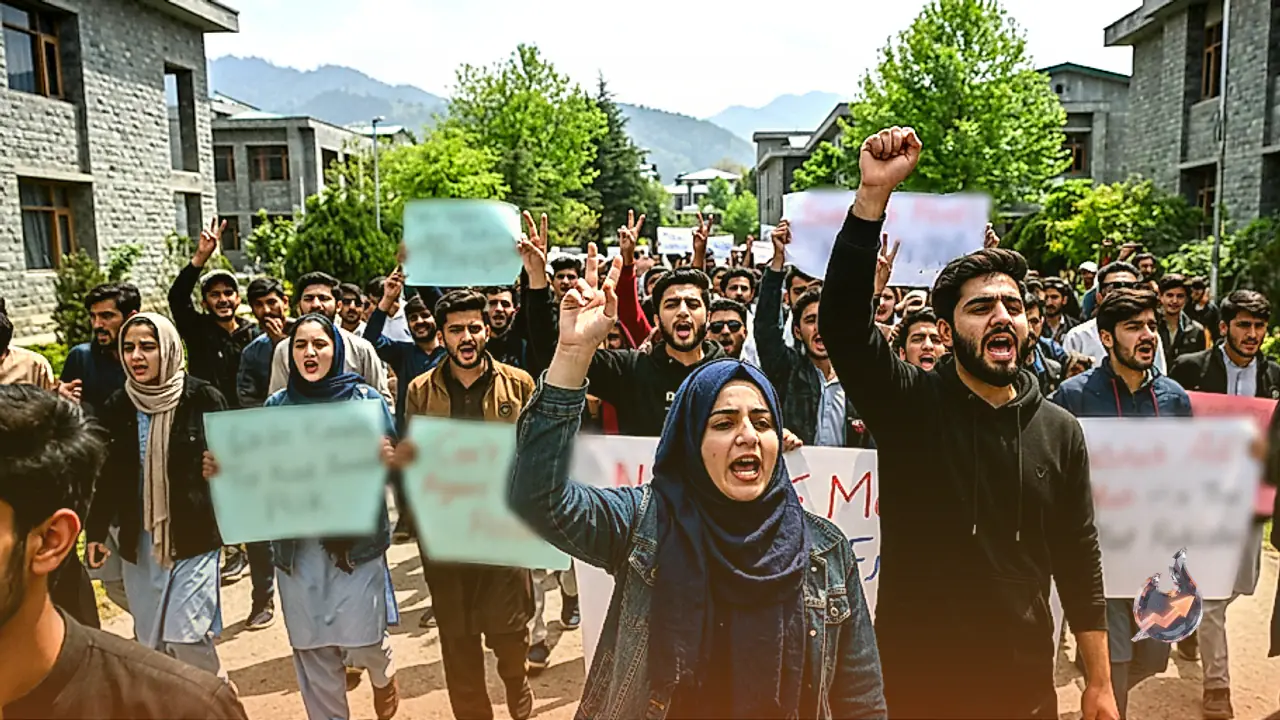

The ongoing discussions regarding the creation of new states and the division of Sindh have sharply escalated political tensions across Pakistan. Amidst this volatile atmosphere, Pakistan Peoples Party Chairman Bilawal Bhutto-Zardari has adopted a fiercely aggressive stance against his own central government and the military-controlled establishment. He issued an open and stern warning that if any attempts are made to partition Sindh through coercion or through a referendum, the consequences will be severe and enduring. According to him, such actions would cause blood to flow in the streets of Karachi, leading to serious accountability. Bilawal further claimed that the resulting fire would be so intense that it would take thirty full years just to extinguish it. To reinforce his argument, he invoked religious perspectives, asserting that no mortal possesses the authority to dictate what will happen, as the sole power to ordain events belongs strictly to Allah. This high-stakes political development comes at a time when public debates surrounding the partitioning of Pakistan into multiple administrative zones have intensified significantly.
This is not a threat, but an alarm bell for future danger
Clarifying his fiery remarks, Bilawal emphasized that his statements should not be interpreted as a mere political threat, but rather as an urgent alarm bell regarding an impending crisis. He directly targeted the governance system managed jointly by the central administration and the military. In his view, if the government attempts to impose a division of Sindh through the use of force or by orchestrating a referendum, the situation will spiral completely out of control. Once matters deteriorate to that extent, restoring normalcy will become nearly impossible. Federal Interior Minister Mohsin Naqvi also came under heavy criticism from Bilawal. He warned that a time might come when the Interior Minister himself would be forced to seek his assistance to manage the unfolding crisis, though he made it clear that he would refuse to take up the responsibility of restoring order by that time.
Rejection of referendum proposals regarding Sindh's partition
The PPP chairman firmly dismissed any proposal aimed at conducting a public referendum on the bifurcation of Sindh. He labeled the entire exercise as a fake referendum and accused the government of attempting to deceive the general public. He questioned why the Pakistan Muslim League-Nawaz or PML-N is not pursuing this controversial agenda through the Punjab Assembly instead. He criticized the administration for wasting public funds on what he termed a completely futile and meaningless exercise. Bilawal pointed out that the Constitution of Pakistan already outlines a clear and established legal procedure for carving out new administrative states. Implementing such structural changes requires constitutional amendments and broad-based political consensus, rather than relying merely on a referendum or seeking interpretations from a constitutional court.
Direct attacks on Interior Minister Mohsin Naqvi and other cabinet members
Expanding his critique beyond the Interior Minister, Bilawal launched sharp verbal assaults on Defense Minister Khawaja Asif, Mustafa Kamal, and Attaullah Tarar. He accused these ministers of clashing with him simply because he chooses to speak the unvarnished truth. Bilawal specifically questioned a recent statement made by Mohsin Naqvi, wherein the minister had spoken about the total collapse of Pakistan's existing governance system. Challenging his authority, Bilawal asked by what right Naqvi was publicly declaring that the country's system had collapsed. He noted that Naqvi also serves as the chairman of the Pakistan Cricket Board or PCB, using his dual roles to question the propriety of making sweeping political comments outside one's domain.