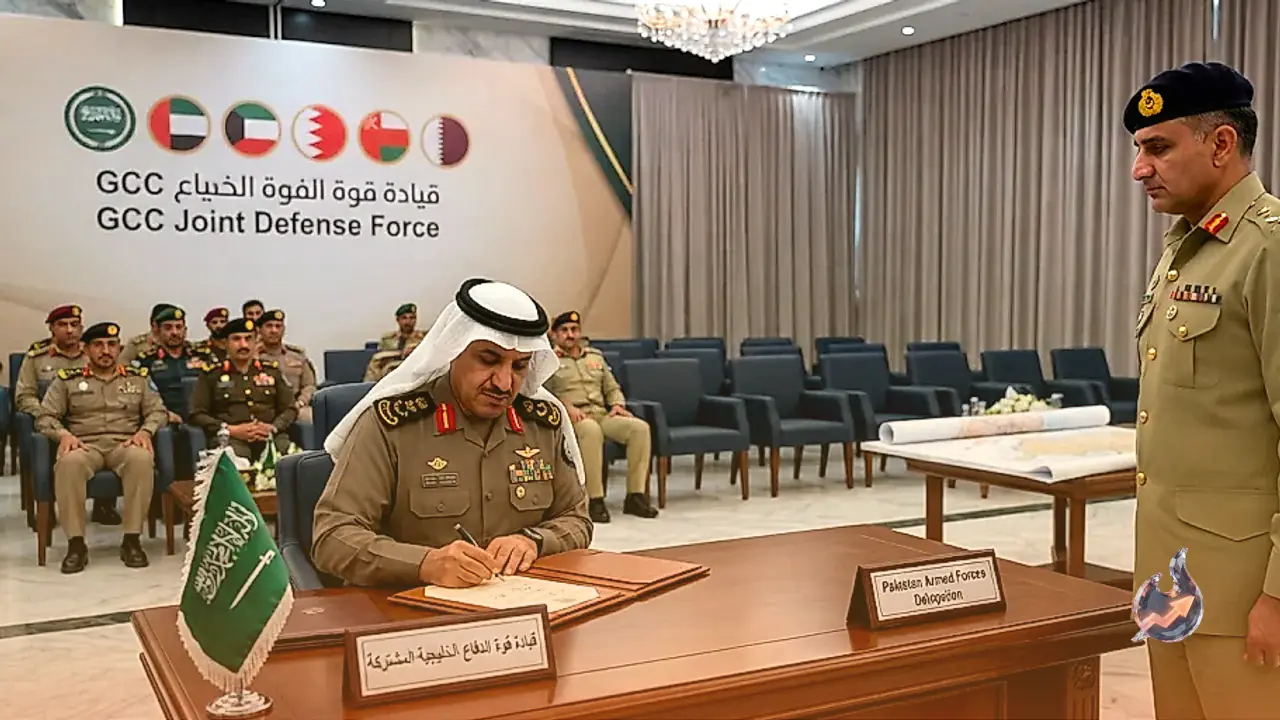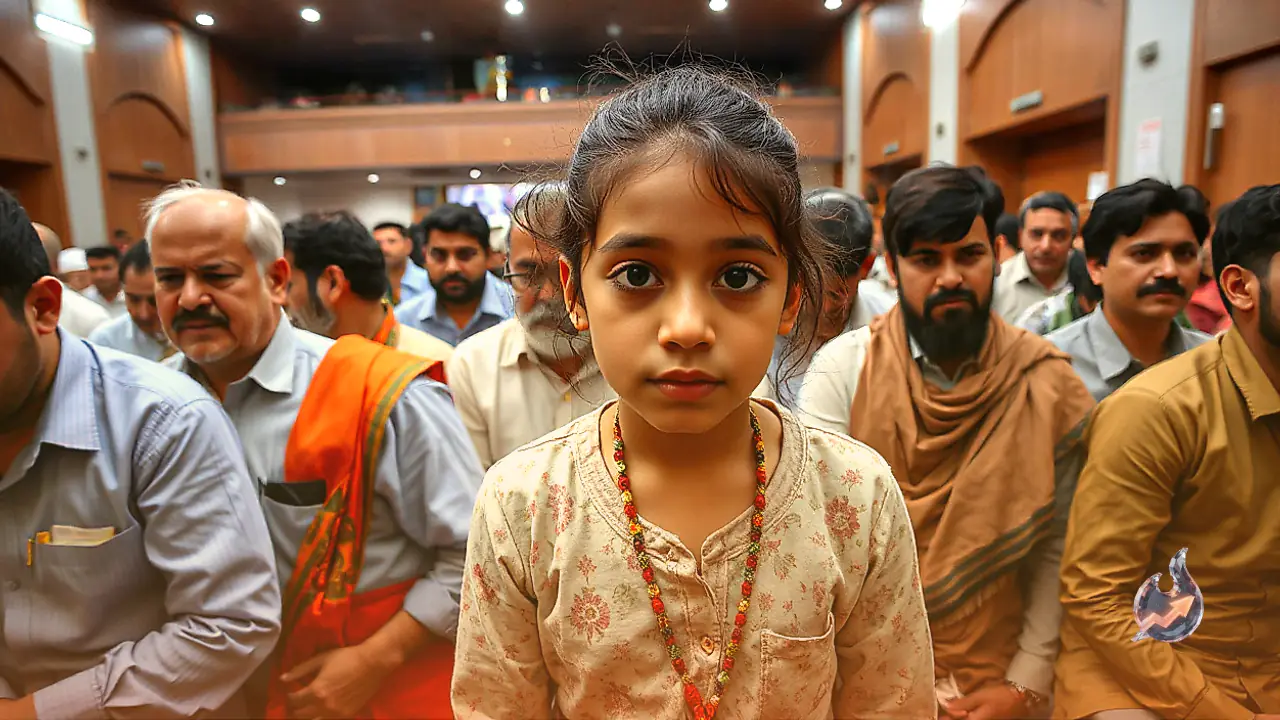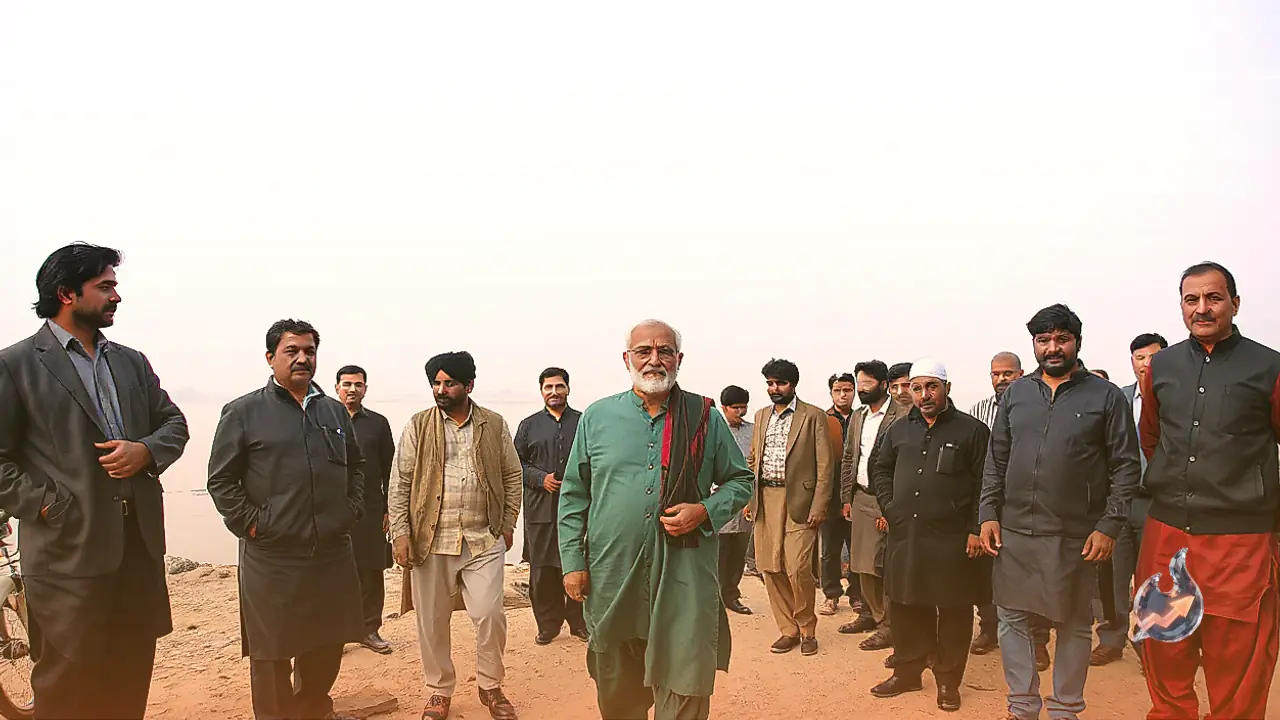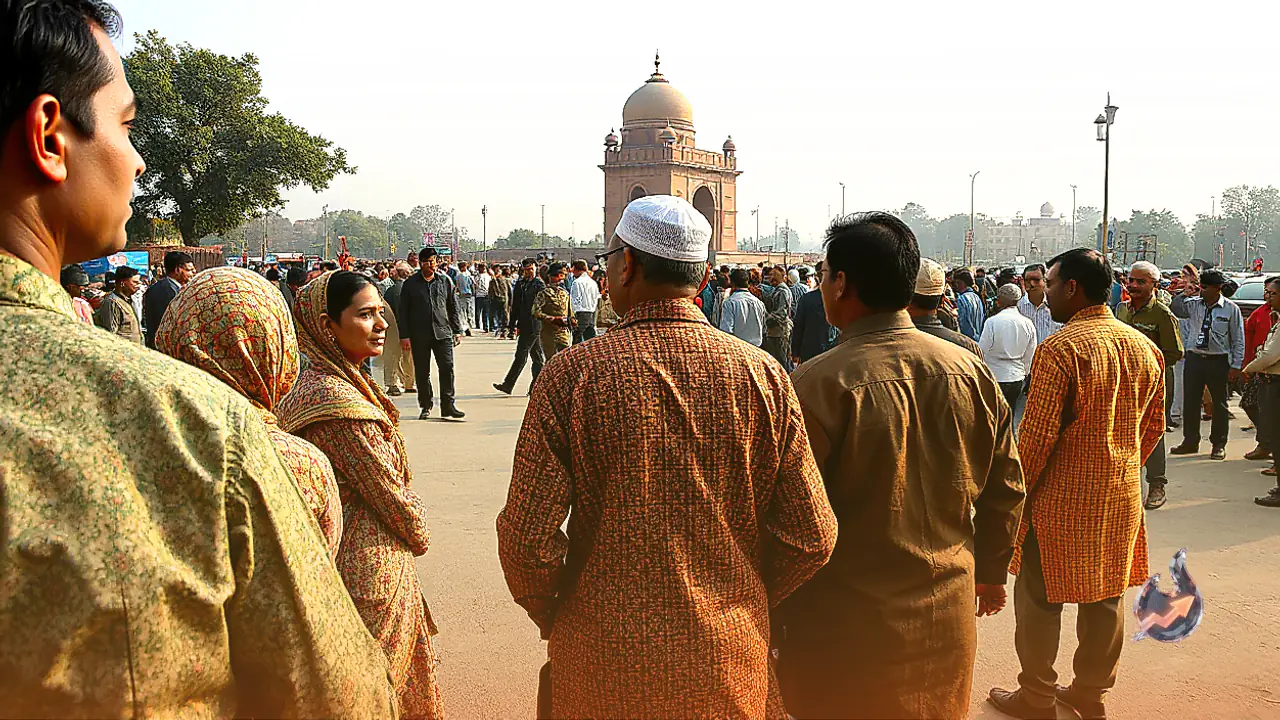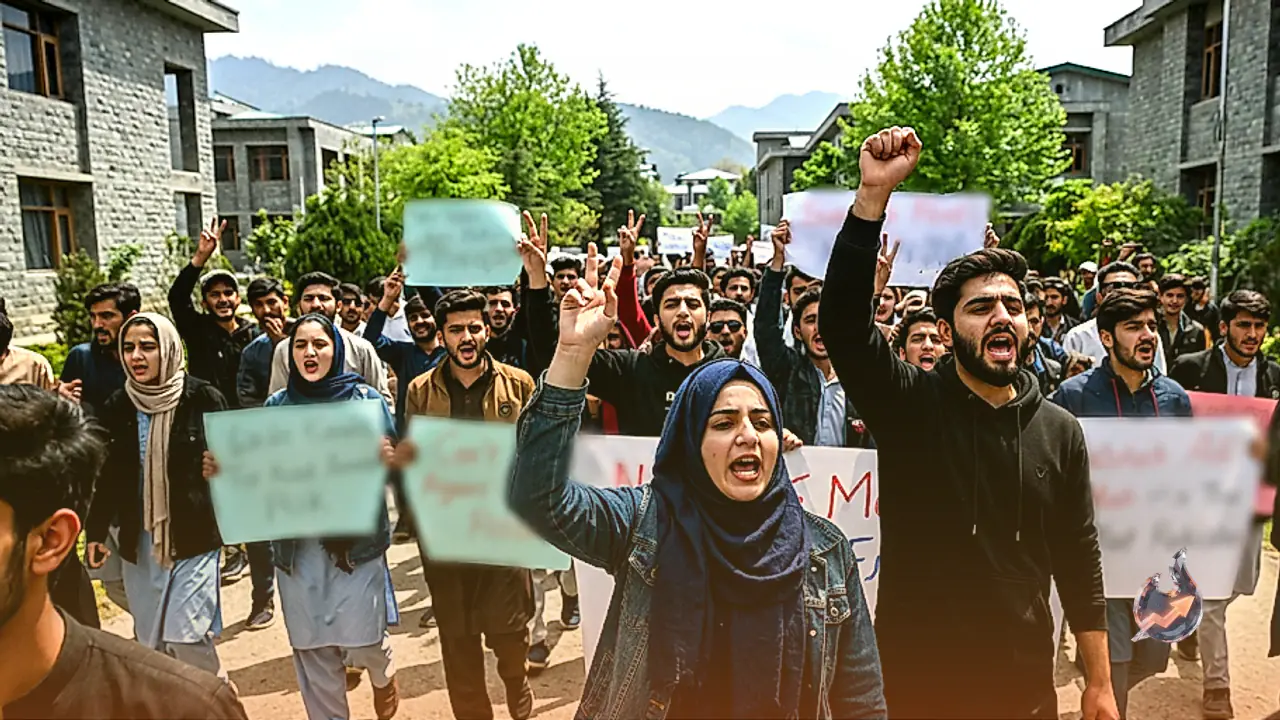

Tensions have escalated sharply in Pakistan-occupied Kashmir as anger against the administration and the military has spread directly into colleges and universities. Students across cities such as Muzaffarabad, Mirpur, Kotli, and Dhierkot have taken to the streets and campuses to voice their dissent. The protesting Gen-Z students have accused the Pakistani military of resorting to high-handedness against ordinary citizens, heavy-handed police crackdowns, and exerting intense political pressure. They maintain that local residents deserve fundamental rights and accountability for official actions. This wave of student unrest has intensified following a fresh call by the Jammu Kashmir Joint Awami Action Committee (JKJAAC), uniting students from various urban centers in simultaneous demonstrations and signaling that anti-establishment sentiment has firmly taken root among the younger generation.
Protests Sweep Campuses From Kotli to Mirpur
A large gathering of students assembled at Kotli University, raising direct accusations against security forces for continuous pressure and harsh treatment of civilians. The demonstrators demanded accountability for violence stemming from official actions and insisted that the local population be granted basic rights. Similar scenes unfolded in Mirpur, where the sixth student expo was underway at Mirpur University. While such events typically focus on academics, student achievements, and educational endeavors, the atmosphere shifted as political slogans echoed through the venue in support of ongoing movements demanding rights for the people of PoK. In Dhierkot, students persisted with demonstrations accusing the Pakistani army of atrocities, refusing to back down despite heightened security surveillance throughout the area.
Heavy Police Deployment Outside Muzaffarabad Colleges
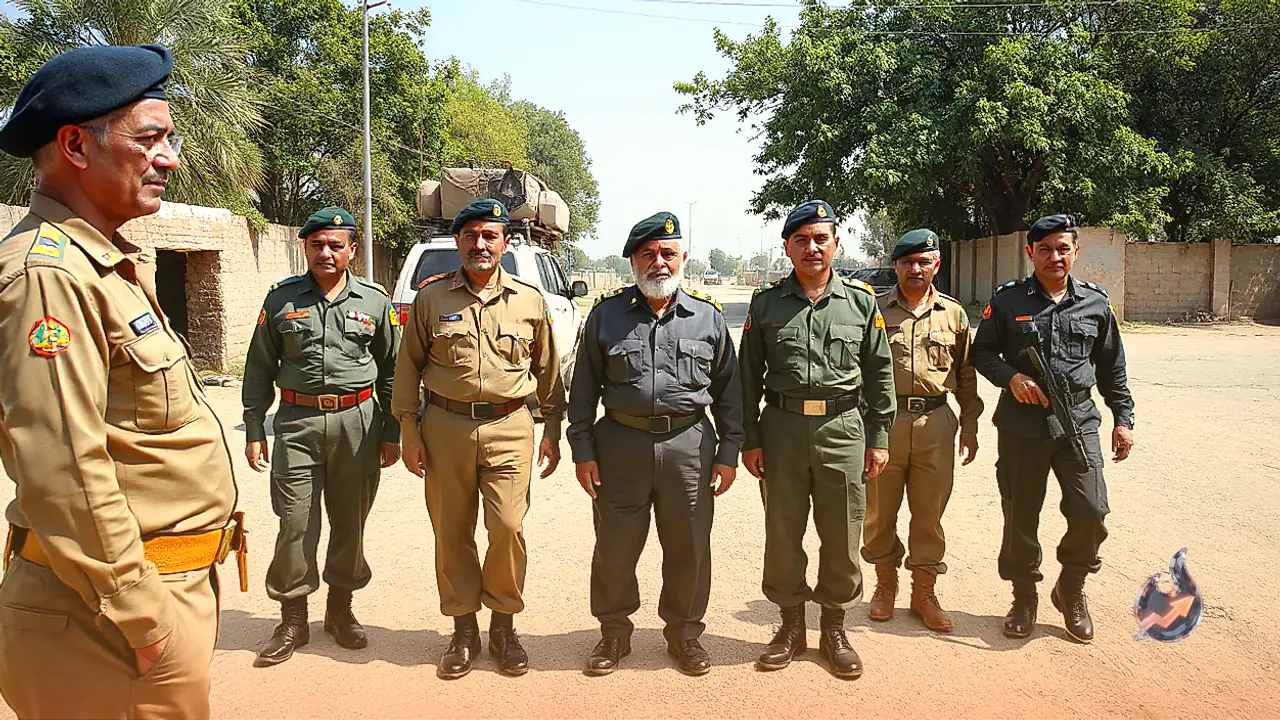
In response to the growing student protests, local authorities have significantly reinforced security measures. Outside the Muzaffarabad Degree College in the PoK capital, a heavy deployment of police personnel has been established in an effort to prevent student crowds from spilling onto main thoroughfares and to contain the spread of demonstrations. This heightened security comes amid months of sustained unrest against the government and security forces across PoK. Since mid-2026, repeated clashes have broken out between demonstrators and security forces under the leadership of the Jammu Kashmir Joint Awami Action Committee. Although authorities imposed bans on the committee under anti-terrorism laws in June, the influence of its core demands and the resulting protests remains undiminished.
Core Grievances Fueling the Outrage
The widespread movement across PoK is driven by a complex set of grievances. Demonstrators are actively demanding comprehensive political reforms, including the abolition of reserved assembly seats, an end to the economic neglect of the region, and the removal of restrictions on communication services. Participants in the movement allege systemic discrimination against the local population and claim that security forces are being deployed aggressively to suppress public dissent and silence civilian voices.
Outrage Intensifies Following Fatalities in Rawalakot
Public anger deepened significantly following violent clashes in Rawalakot in November. Those confrontations resulted in multiple deaths among protesters and left dozens injured, serving as a major catalyst that amplified the entire movement. With students now joining the protests en masse, the coordinated demonstrations across colleges and universities in multiple cities highlight the extent to which anti-government sentiment has permeated the youth demographic.