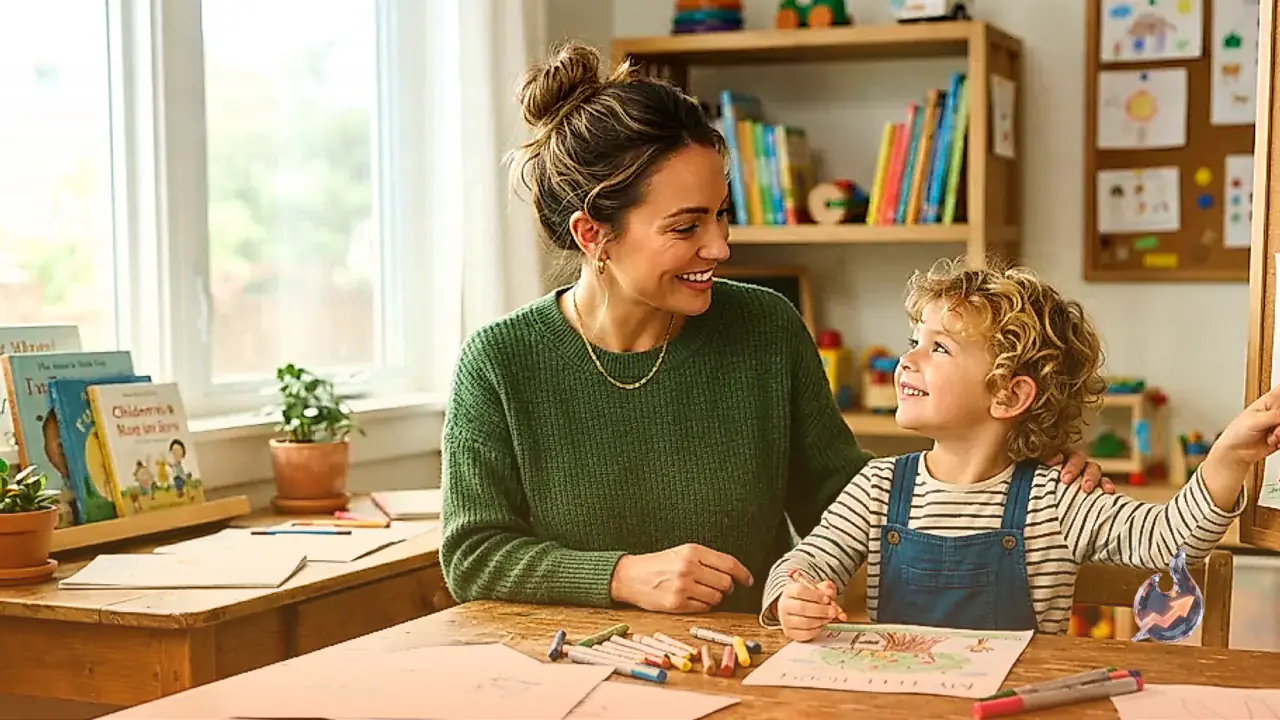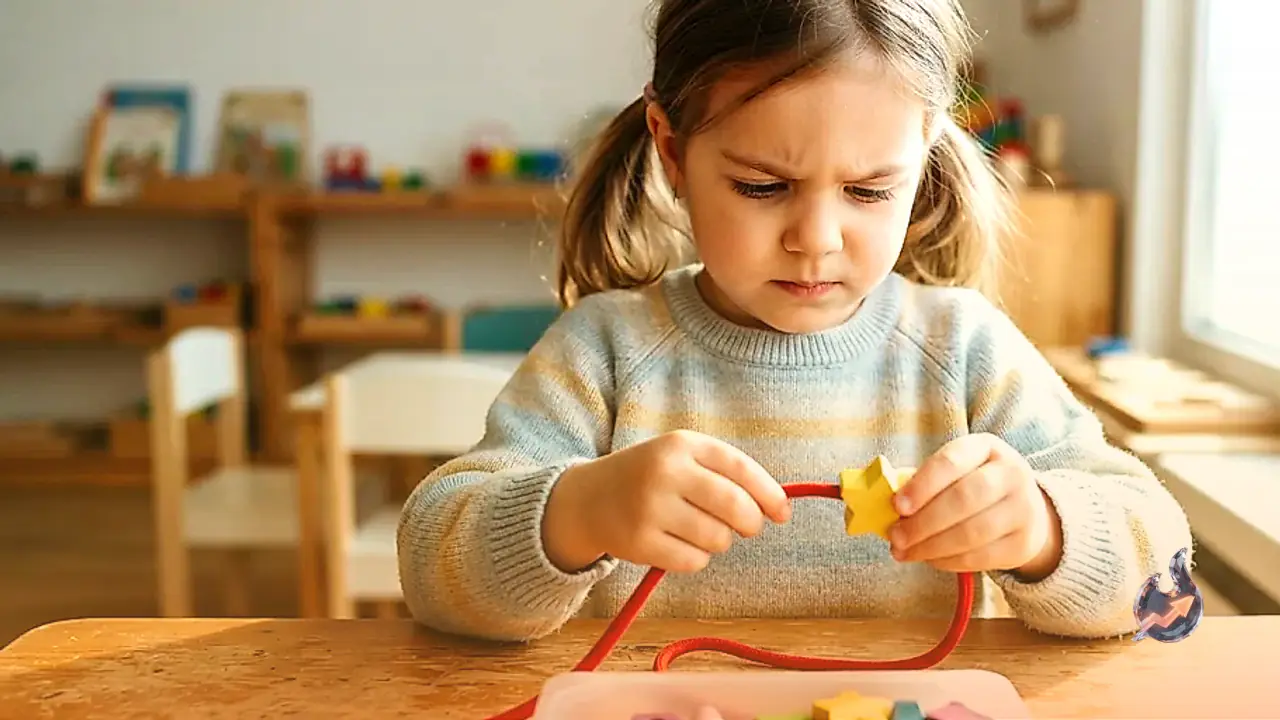

Does your child question every little thing you say, frequently asking why things are done a certain way or expressing disagreement with your decisions? Many parents immediately assume that their child is becoming stubborn or simply refusing to listen to authority. However, looking at the situation through the lens of child psychology and parenting experts, a child who debates and voices disagreement instead of quietly saying yes every single time is often demonstrating that they live in a secure, open, and trustworthy environment.
It is frequently observed that children do not argue simply to rebel, but rather to express their autonomy, understanding, or underlying frustrations. If parents calmly discuss these matters with them and encourage them to articulate their thoughts clearly, it can actually make the parenting journey much smoother and more effective.
The Real Meaning Behind Arguments and Disagreements
According to child psychology experts and parenting specialists from better family therapy backgrounds, this behavior is often viewed as a hallmark of good parenting. They believe that when a child feels secure enough to voice an opinion or question a rule without fear, it does not automatically mean they are being disrespectful or rebellious. There are several positive reasons underlying such backtalk.
Children only voice their disagreements openly when they possess an internal trust that sharing their perspective will not result in harsh scolding or a withdrawal of affection. Furthermore, questioning and reasoning demonstrate the active development of a child's cognitive abilities. It shows that instead of accepting things blindly, the child wants to understand the underlying rationale. As children grow older, they naturally begin recognizing their own preferences, dislikes, and opinions. Voicing disagreement can simply be the early foundational link of that independent thinking process.
The Connection to Healthy Upbringing
There is a common traditional belief that a good child is one who obeys every instruction instantly without question. However, experts argue that in households where children are given the space to express their thoughts, they tend to grow up much more confident. If a child is able to present their viewpoint logically at home, a major reason behind it is likely that you chose to listen and explain rather than suppress them. Nevertheless, there remains a thin line between respectful disagreement and outright rudeness. Voicing one's thoughts is acceptable, but maintaining mutual respect is equally crucial.
How Parents Can Handle This Behavior
If your child frequently engages in arguments, instead of reacting with anger or dismissing their concerns every time, you can adopt a few straightforward approaches
- Listen completely first: Instead of interrupting midway, try to understand precisely what point the child is stuck on or what reasoning makes sense to them.
- Explain reasons in a calm tone: Rather than relying on rigid statements, explain the rationale or decision in simple language so they understand the background.
- Establish boundaries and respect: Allow the child the freedom to form opinions, but clearly communicate that raising their voice or using disrespectful language is unacceptable.
- Appreciate sound logic: When the child presents a genuinely sensible and mature argument, praise their thought process to help boost their self-esteem and confidence.
So the next time your child expresses disagreement over something, instead of feeling immediately overwhelmed, pause for a moment to consider whether their question is actually a sign of better cognitive development, and whether it shows they are learning to form their own opinions while trusting you completely.