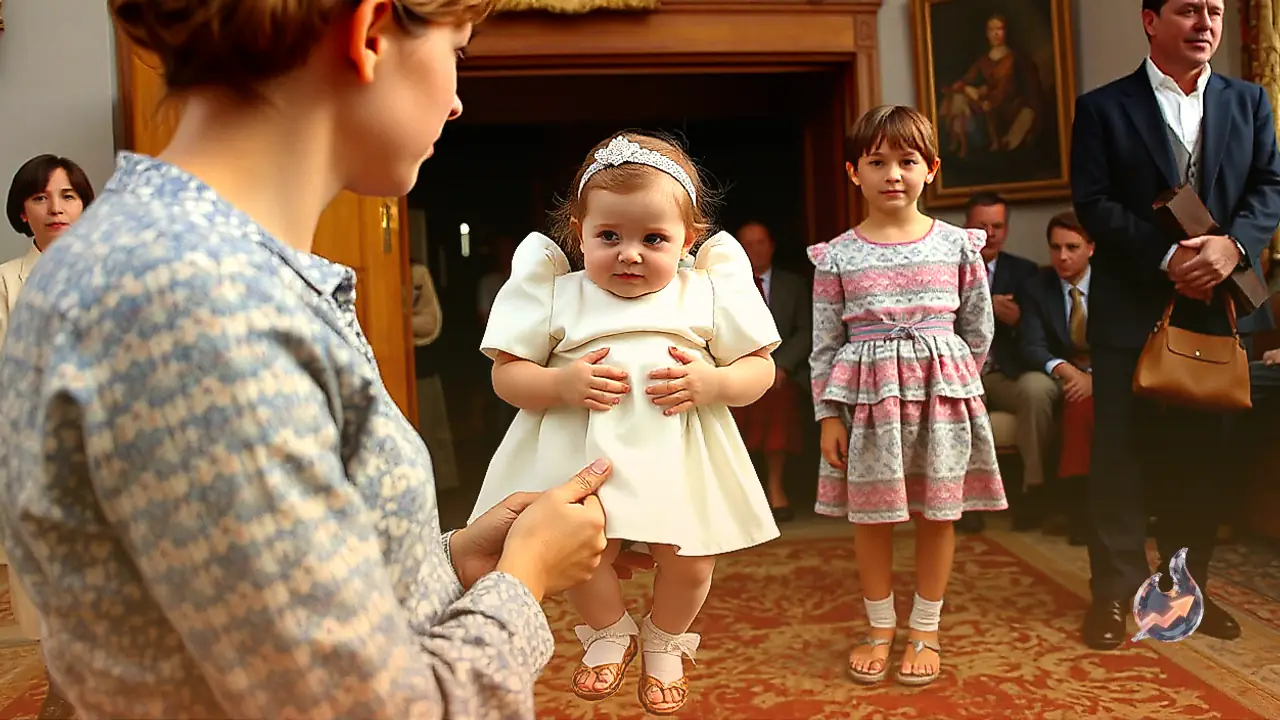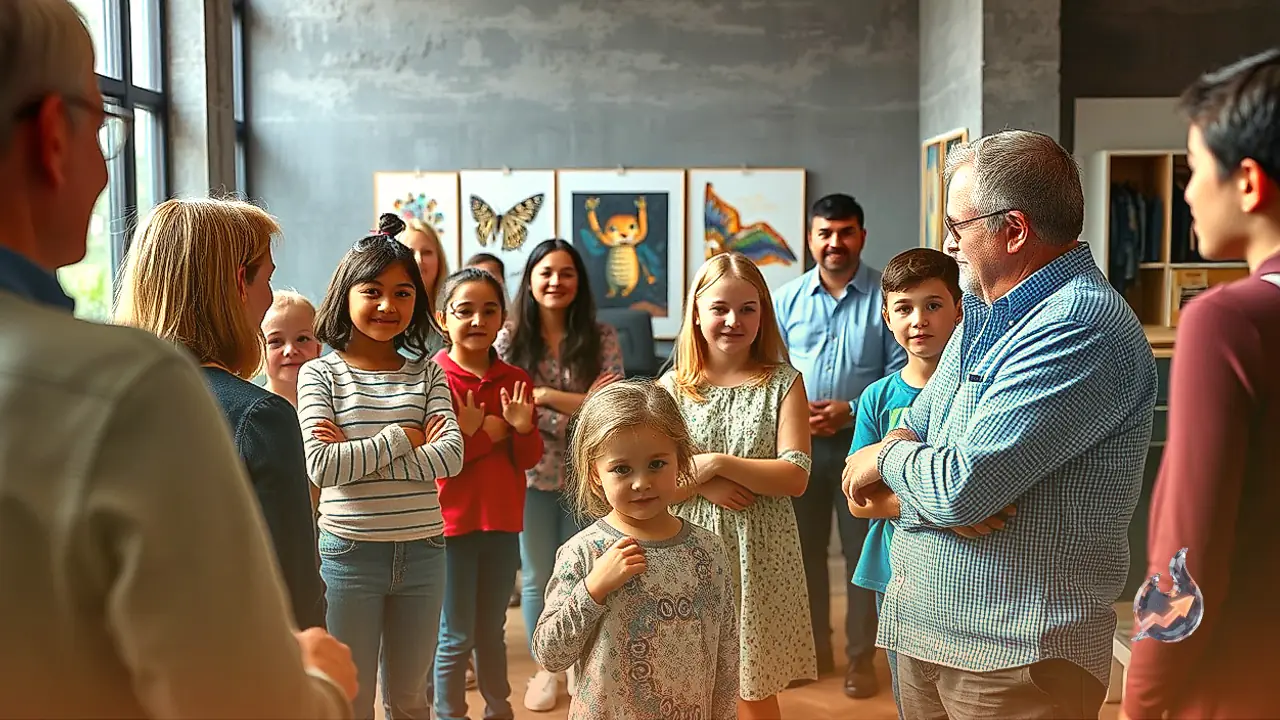























In many households, when parents step out with children or host visitors, basic social etiquettes are taught on the spot. Visitors arriving at home prompt expectations that youngsters will respectfully bow, fold hands, or say namaste. Yet, situations frequently arise where the child stubbornly turns away, acts shy, or retreats into a quiet room. In such moments, parents often feel insulted or deeply embarrassed in front of their extended family and friends.
If your child also ignores guests or avoids offering greetings, there is no need to panic or yell at them. Child psychologists point out that this issue is extremely common, often stemming from shyness, hesitation, or social anxiety. To help parents navigate these moments without resorting to forced behavior, several practical parenting approaches can be adopted to encourage good habits gently.
Avoid Pressuring Them in Front of Others
When a child is reluctant to greet a guest, refrain from putting pressure on them or scolding them in front of everyone. Forcing the issue will only deepen the child's fear, anxiety, or resentment toward social gatherings and relatives. If they are unwilling to greet at that specific moment, it is better to handle the situation smoothly with a smile and move on.
Offer Alternative Ways to Acknowledge People
Not every child feels comfortable speaking up or joining hands for a traditional greeting. Parents can provide alternative choices, such as asking if they would prefer giving a smile, a high-five, or simply waving goodbye instead of a formal greeting. This grants children the freedom to express themselves comfortably without experiencing unnecessary pressure.
Set an Example Through Your Own Actions
Children naturally replicate what they observe adults doing around them. Whenever someone visits your home or you step outside, enthusiastically greet people in front of your child. When youngsters continuously watch you displaying polite behavior, they unconsciously absorb and adopt the habit over time.
Talk Calmly After Guests Leave
Once the relatives have departed, take some quiet time to converse with your child in a relaxed environment. Ask them what makes it difficult for them to interact with certain people and whether they felt shy or uneasy about something. Acknowledge their feelings and explain lovingly that greetings are simply a way to show affection and respect toward loved ones.
Prepare Children Mentally in Advance
Before visiting a relative or hosting guests at home, give your child a gentle heads-up about who is coming. Let them know beforehand so they can mentally adjust to the upcoming social interaction. When children are aware of who to expect, their hesitation and nervousness decrease significantly.
Parents should remember that a child ignoring relatives is not always an act of misbehavior. Often, it stems from a need for personal space or hesitation around unfamiliar faces. With adequate patience, proper guidance, and warmth, parents can easily help children overcome this initial social hesitation.