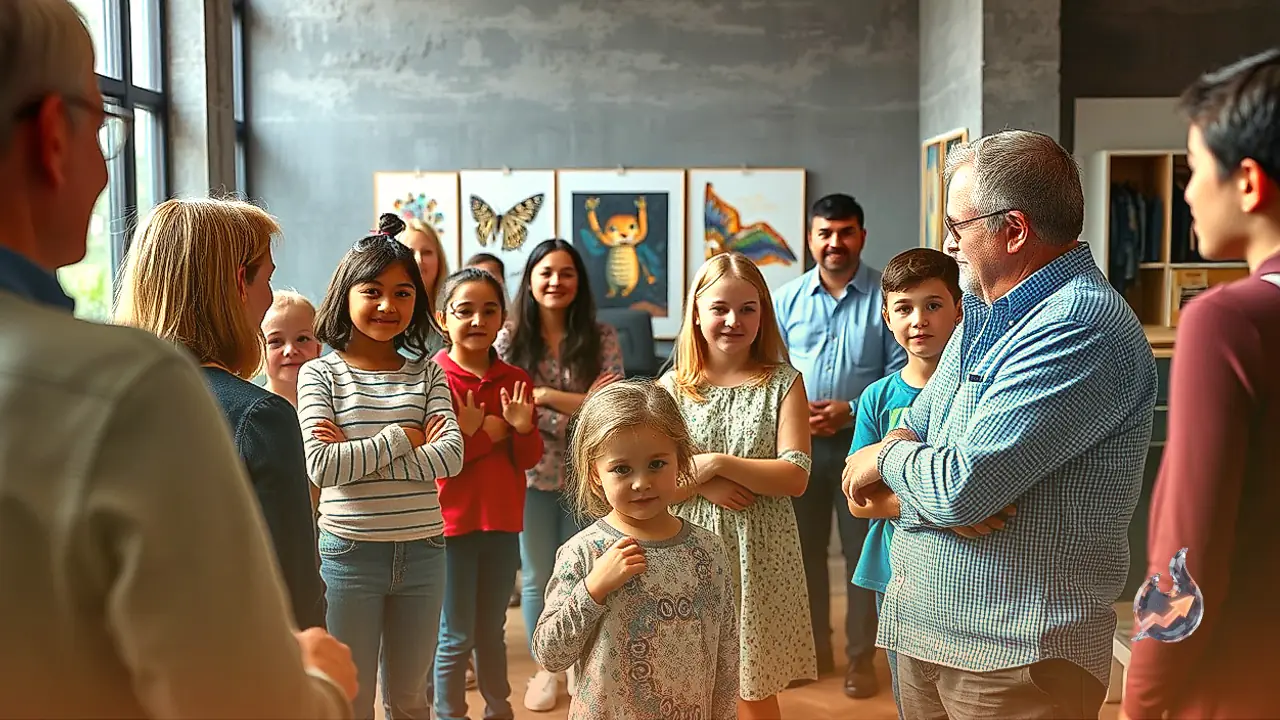

















In households everywhere, an everyday pattern frequently unfolds when a boy scrapes his knee and instantly runs crying to his mother, while his sister bypasses everyone else to carry her wishes directly to her father. For the young boy, a mother’s comforting presence often becomes the ultimate refuge from stress, whereas the daughter finds in her father an encouraging listener who readily validates her stories and ambitions. Families frequently identify the son as a dedicated mother’s boy and the daughter as her father’s little princess. Yet observing these traditional bonds naturally raises a fundamental question about whether biological predispositions govern these cross-gender allegiances or whether they reflect deeper psychological processes shaped by societal habits and domestic routines.
Child psychology offers a nuanced explanation of these dynamics, showing that parental affinity is far more complex than a mere matter of gender pairings. Rather than operating on innate templates, a child’s closeness to an individual parent is heavily influenced by the degree of emotional safety provided, the unique behavioral patterns exhibited by each caregiver, how attuned the adults are to changing developmental needs, and the overall emotional atmosphere maintained inside the household. When these psychological elements combine, they determine which parent becomes a child’s preferred sanctuary during moments of joy, vulnerability, or frustration.
The Core Foundations Of The Mother And Son Bond
During the opening stages of life, an infant’s survival and emotional world revolve almost exclusively around the primary caregiver, which in most traditional arrangements remains the mother. Tasks such as feeding, interpreting diverse cries, soothing distress, and offering steady physical touch establish the bedrock of human bonding. As the growing child experiences repeated confirmation that his mother promptly responds to fright or physical discomfort, an enduring foundation of reassurance is built into his psyche.
Developmental psychologists label this pattern secure attachment, a concept emphasizing reliable emotional responsiveness over casual displays of affection. Secure attachment does not mean simply indulging a child; it requires being consistently present and emotionally available whenever fear or difficulty surfaces. Crucially, this dynamic is not genetically preprogrammed as an exclusive mother-son bond. Should a father actively engage in routine early-care tasks, comforting routines, and reciprocal emotional communication from the very beginning, the child develops an equally robust, resilient, and protective attachment directly with him.
How Fathers Shape Confidence In Their Daughters
On the other side of the family dynamic, the relationship established between a father and his daughter exerts an immense influence on the child's developing sense of self. A young girl flourishes when her father invests time in listening to her experiences, expresses genuine joy over her milestones, and offers calm guidance during moments of uncertainty. Consistent paternal appreciation provides a protective psychological buffer, helping her cultivate healthy self-esteem and independent thinking as she matures.
Scientific evidence underscores distinct behavioral patterns in paternal communication. An empirical study published in 2017 within the journal Behavioral Neuroscience found that fathers systematically engage in more open emotional discussions when interacting with their young daughters. Conversely, when fathers spend time with their sons, they naturally steer interactions toward energetic physical play and rough-and-tumble games. This observable divergence in interactive style naturally encourages daughters to lean into emotional dialogue with their fathers, reinforcing an affectionate and communicative bond.
The Social Scripting Of Emotional Expression
Beyond natural family rhythms, prevailing cultural narratives around gender expectations play a significant role in organizing child-parent loyalties. In countless traditional households, young girls are given ample leeway to articulate their fears, cry openly, and request comforting reassurance without judgment. In stark contrast, young boys are frequently pressured from an early age to project physical fortitude, suppress vulnerability, and avoid visible tears under the guise of growing tough.
Faced with expectations to remain guarded in front of the outside world and their fathers, young boys instinctively turn to their mothers as a judgment-free harbor where vulnerability carries no stigma. This cultural divide in emotional permission significantly shapes the expressive pathways of sons and daughters, making their developmental trajectories appear distinct even when their underlying emotional needs are fundamentally identical.
Do Parents Gravitate Toward The Child Who Resembles Them
Inside the parental psyche, another subtle force operates through the mechanism of identification. Mothers and fathers frequently detect reflections of their own behavioral traits, quirky preferences, or natural temperaments in a particular offspring, creating an immediate sense of shared identity. Experimental findings suggest that under specific conditions, mothers may exhibit a modest behavioral preference toward their daughters, while fathers occasionally demonstrate a closer alignment with their sons.
Researchers attribute this phenomenon to same-gender identification, wherein adults more easily project their own lived memories, aspirations, and developmental challenges onto an offspring of the identical gender. Nevertheless, it is critical to recognize that these findings were documented primarily within limited testing frameworks, such as specific economic allocation tasks, consumer choices, and preference rankings. They do not imply that parents deliberately discriminate or withhold genuine love from their opposite-gender children. Instead, they illustrate how natural human biases and reflexive self-recognition can subtly guide parental interactions without deliberate intent.
Family Diversity And Insights From 1997 Research
Far from rigid categorizations, real-world family life presents endless variations that defy simplistic gender formulas. There are countless homes where daughters view their mothers as their closest confidantes, and just as many where sons share their deepest aspirations, anxieties, and plans exclusively with their fathers. A comprehensive research review published in 1997 confirmed that there is no immutable, universal law governing parent-child attachments along gender lines.
Ultimately, a child’s loyalties align with whichever caregiver listens with patience rather than interruption. The child naturally gravitates toward the adult who does not belittle delicate emotions, avoids harsh condemnation for mistakes, and chooses constructive explanation over reactive anger. Emotional receptivity, attentive presence, and everyday kindness remain the decisive factors determining genuine closeness, completely transcending conventional gender expectations.
Avoiding The Dangers Of Favoritism And Unequal Standards
While showering children with warmth and dedicated care is the essence of good parenting, developing chronic favoritism toward one child poses severe risks to family harmony. If a household repeatedly overlooks a son’s bad behavior with permissive excuses such as boys will be boys, while holding a daughter to strict expectations of maturity and restraint, the consequences are invariably destructive. This lopsided treatment fuels feelings of inadequacy and resentment in the slighted sibling, while planting the seeds of lifelong rivalry between the children.
Raising well-adjusted children demands conscious parental vigilance against gender-based assumptions, ensuring that every child receives equal measures of respect, empathy, and constructive boundaries. Sons and daughters alike thrive when they enjoy unconditional access to the affection and guidance of both their mother and their father, without feeling pressured to favor one over the other. The psychological stability gained from this balanced, secure foundation during early years provides the vital grounding every child needs to emerge as a confident, resilient, and socially capable adult.