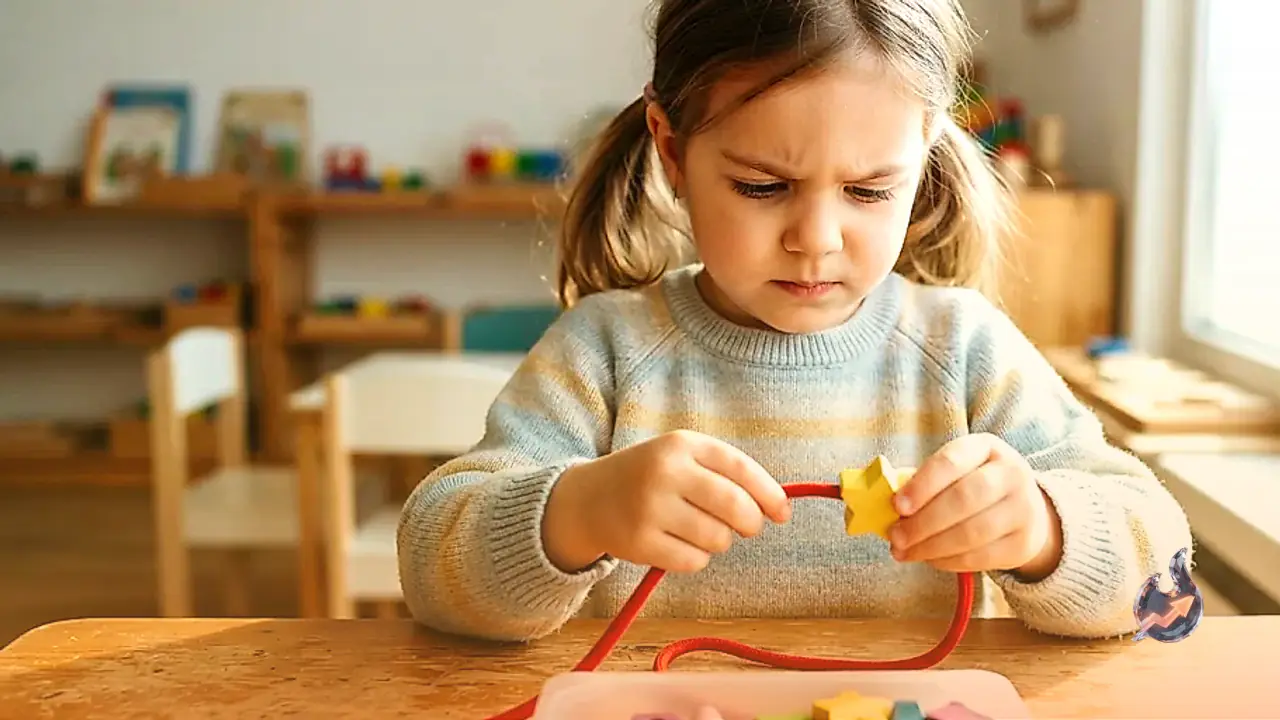

When a child faces defeat on the playground, encounters a disagreement with a close friend, or breaks into tears over a demanding homework assignment, the immediate instinct of most parents is to step in and fix the issue. Parents naturally find it distressing to see their children upset, often rushing to offer comfort through rewards, quick solutions, or by taking over the task entirely. While this response stems from parental care, constantly intervening and taking decisions on behalf of children can hinder their ability to develop self-reliance. Industrialist Harsh Goenka recently brought this crucial aspect of child-rearing into the spotlight, sparking an engaging national conversation among parents and educators.
Striking a Balance in Modern Parenting: Harsh Goenka's Message
On November 28, industrialist Harsh Goenka posted a thought-provoking message alongside a video shared on X, drawing attention to the pressing need to prepare children for real-world adversities. In his post, Goenka pointed out that today's generation of children is becoming increasingly unaccustomed to facing discomfort. He argued that the fundamental duty of parents is not to make life entirely effortless and comfortable for their offspring, but to equip them with the resilience required to navigate life's inevitable challenges.
The video cited everyday scenarios—such as dealing with sports losses, managing peer friction, and handling school academic pressures—to question the habit of resolving every hardship instantly. The message emphasized active listening and giving children the space to discover their own solutions. While many social media users echoed Goenka's view on building resilience, others noted that holding back when a child is visibly distressed is a complex emotional challenge for any parent.
Active Listening: The First Step in Understanding Children
When a child approaches a parent with a problem, jumping straight into giving advice or making calls to resolve it can be counterproductive. In many instances, children simply need a safe outlet to process their emotions and express what they are experiencing.
Parents are encouraged to listen patiently before reacting. Asking open-ended questions—such as what bothered them the most and how they would like to be supported—opens up healthier channels of dialogue. Interrupting a child to issue immediate judgments can result in missing key details. A calm, receptive listening approach helps parents discern whether a situation is merely a passing frustration or an indicator of a deeper underlying concern.
Involving Children in Daily Micro-Decisions
Decision-making skills do not develop overnight; they require consistent practice through daily activities. Giving children a voice in small routine choices helps build their problem-solving confidence early in life.
Parents can involve children in decisions like how to arrange their study space, how to organize toys after playtime, or when to complete pending school assignments. Offering two manageable options—such as choosing whether to pack their school bag first or arrange their clothes—allows them to exercise autonomy. These choices should align with the child's age and cognitive readiness. The goal is not to demand adult-level wisdom, but to foster active participation in everyday responsibilities.
Handling Failure and Defeat in Sports and Games
Experiencing loss in sports or competitive games often triggers strong emotional reactions in children. Dismissing their sorrow with statements like "there is no reason to cry" invalidates their emotional experience. A more constructive approach begins by acknowledging their hard work and validating that the outcome was disappointing for them.
Once the child has calmed down, parents can guide the conversation toward self-reflection. Inquiring about what went well during the game and what could be improved next time shifts the focus away from winning or losing toward continuous learning, rule adherence, and teamwork. Children need to understand that achieving top rank in every effort is not the sole objective; attempting sincerely and learning from setbacks is what truly builds character.
Navigating Peer Conflicts and Social Dynamics
Friction between friends is a natural part of growing up. When minor disputes arise, parents can support their child by first understanding their perspective and then helping them articulate their feelings to their peers.
Practicing potential conversations through role-play at home enables children to state clearly what hurt them or how they would prefer to interact in the future. However, persistent harassment, threats, physical violence, or intentional social isolation should never be dismissed as routine peer conflict. In such circumstances, prompt intervention involving school authorities and responsible adults is essential.
Handling School-Related Issues and Teacher Feedback
If a child expresses distress regarding a situation at school or an interaction with a teacher, parents should give the matter serious attention while gathering all relevant facts. Understanding the timeline, the specific statements made, and the surrounding environment is vital before drawing conclusions.
When necessary, parents should initiate a calm, collaborative dialogue with educators. While children should be encouraged to take responsibility and rectify their mistakes, abusive treatment or physical aggression must never be accepted as acceptable teaching methods. A parent's role is neither to blindly accept every outcome nor to lodge reflexive complaints, but to act thoughtfully in the best interest of the child's safety and development.
Scaffolding Independence: Fading Assistance Step by Step
Gradually withdrawing parental support as a child masters a skill—a concept known in educational psychology as scaffolding—provides a practical roadmap for fostering independence. Initially working alongside the child and then stepping back builds competence without creating overwhelm.
For instance, if a child struggles to pack their school bag, a parent can initially assist by creating a physical checklist together. On subsequent occasions, the child can follow the checklist independently while the parent conducts a final review. If something is missed, rather than taking over the job, the parent can ask guided questions to help the child identify the missing item. Tasks involving physical safety naturally require sustained supervision, and responsibilities should always scale with the child's age and maturity level.
Recognizing Individual Needs and Learning Profiles
Parenting strategies cannot follow a one-size-fits-all approach. What comes effortlessly to one child may present a significant hurdle for another. Children vary widely in their capacity to process information, maintain attention, adjust to new social environments, or tolerate sensory stimuli such as noise.
Mistaking these individual learning needs for laziness or obstinacy can be detrimental. Some children benefit from breaking complex instructions into smaller steps, while others require additional time or quiet spaces to process tasks. Providing tailored assistance does not undermine a child's effort; rather, it offers the structural support required for them to thrive at their own pace.