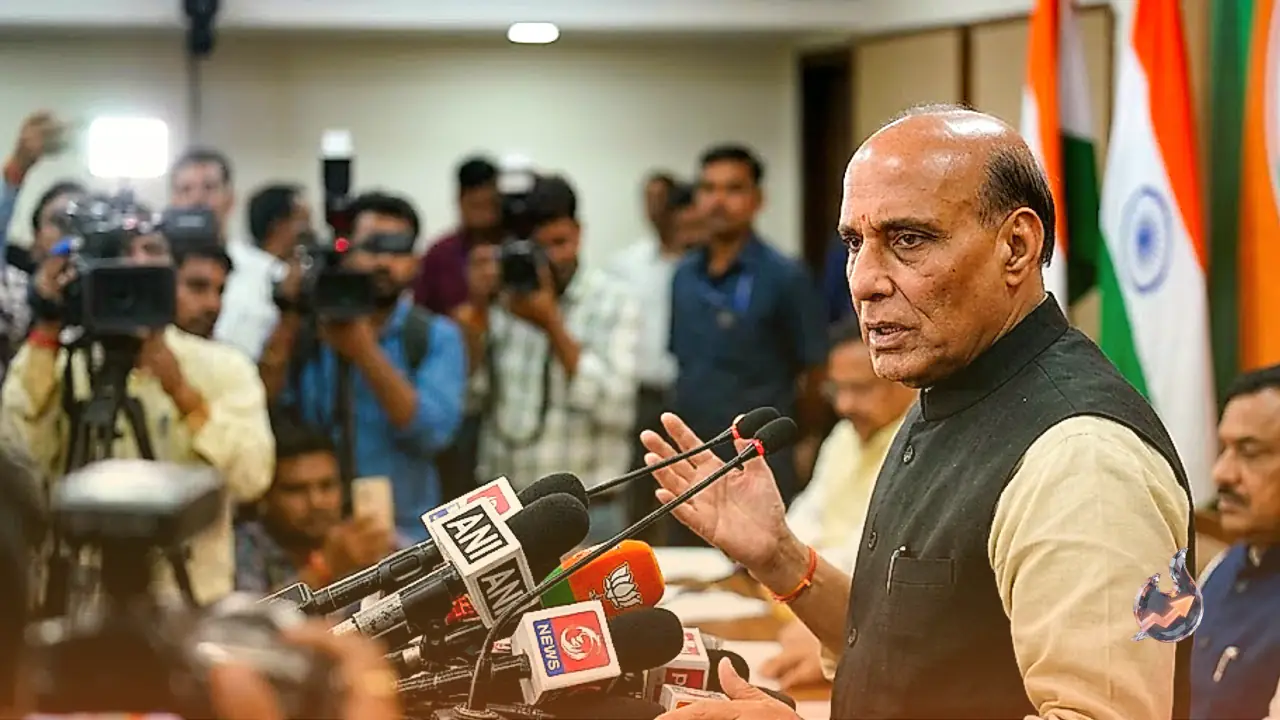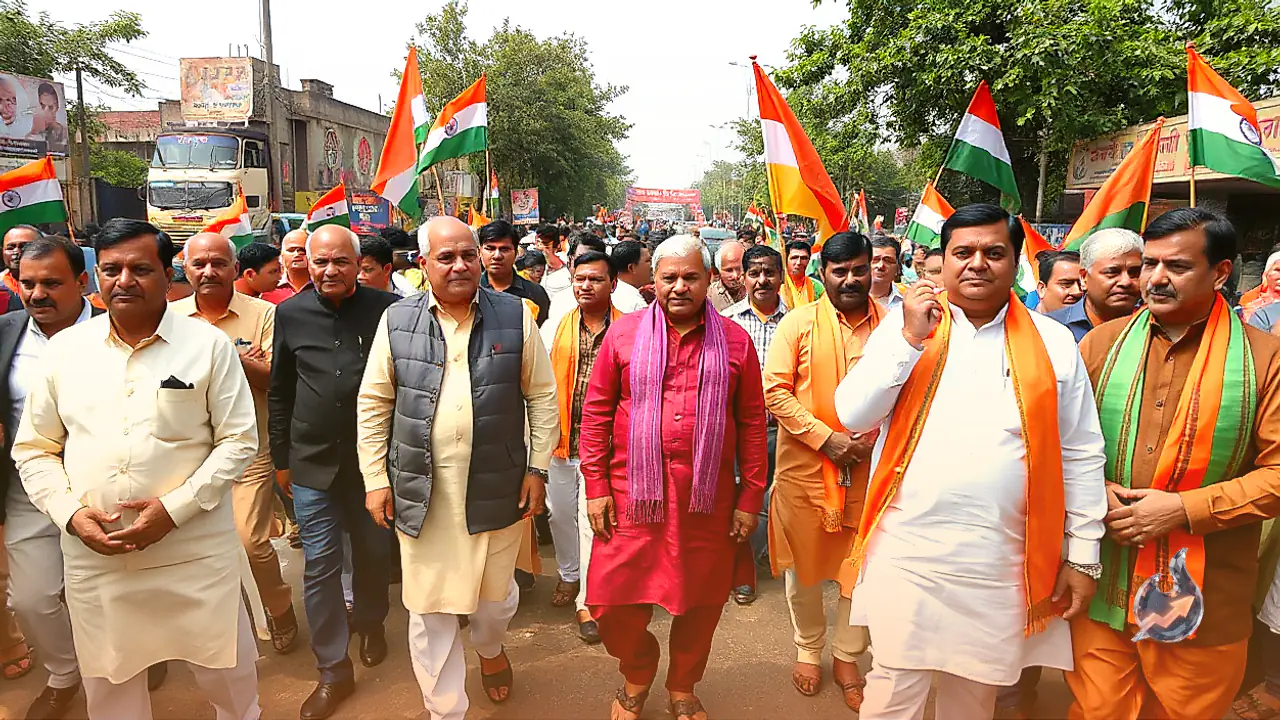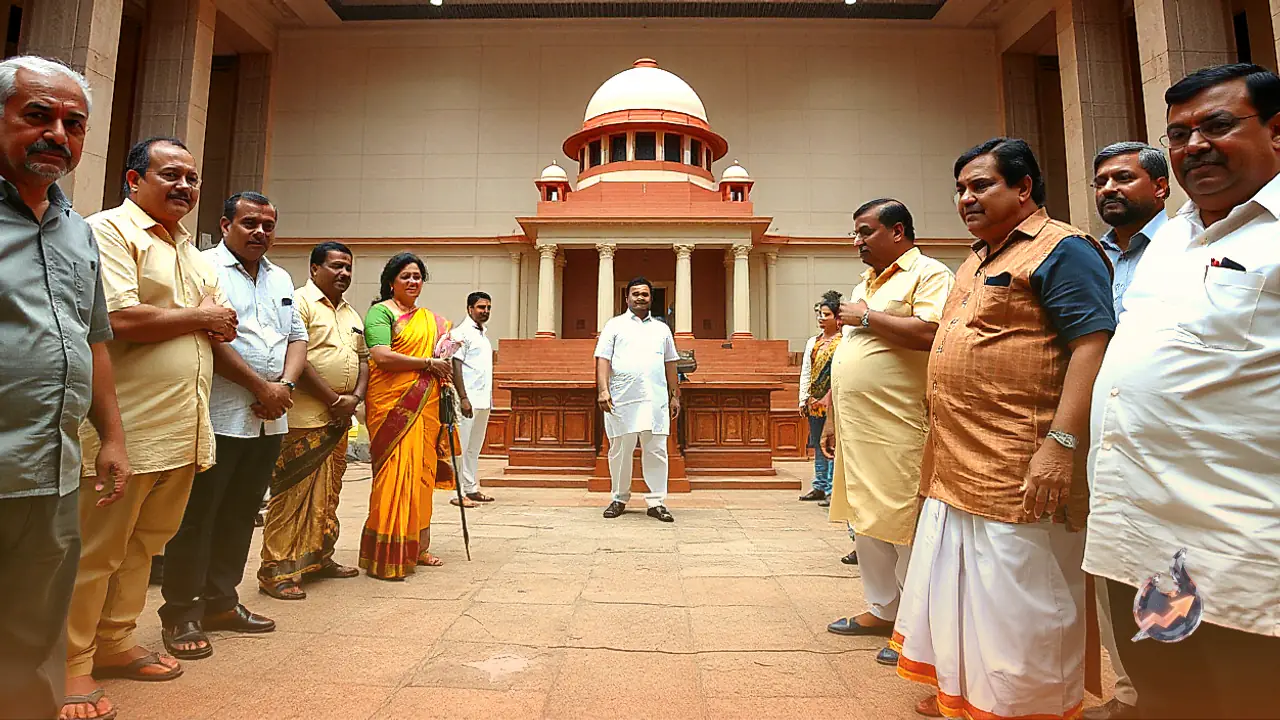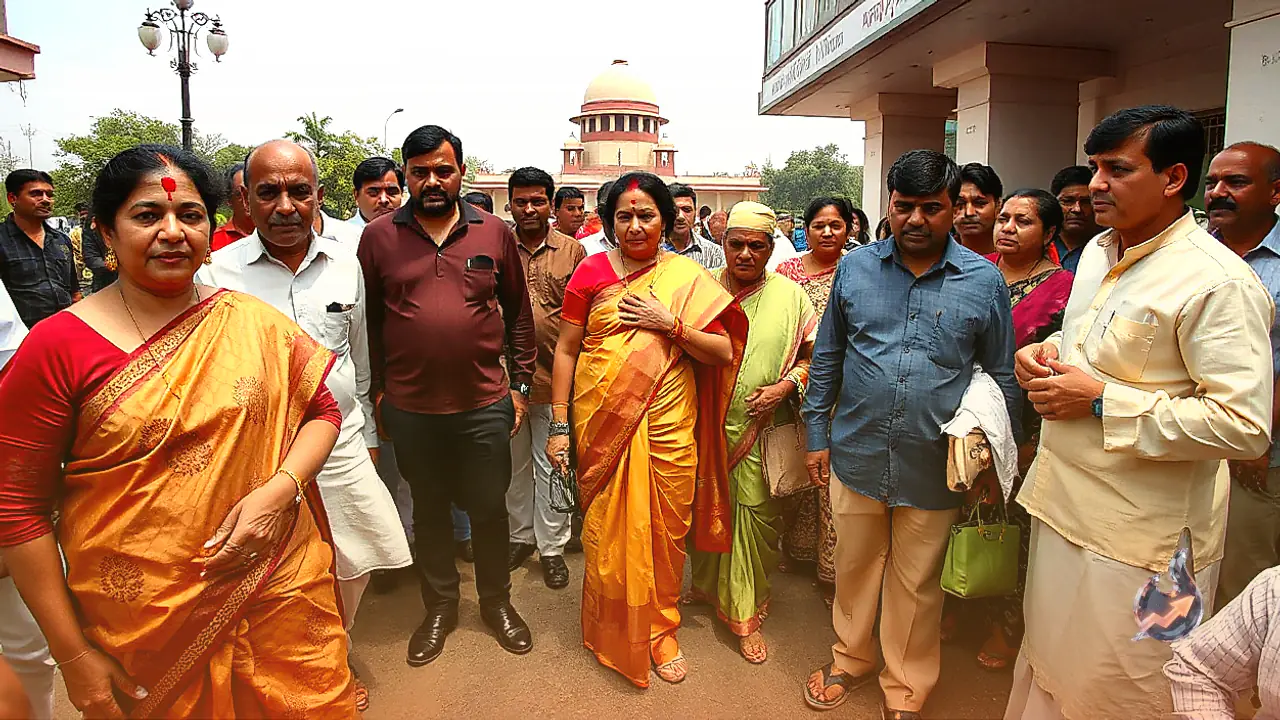


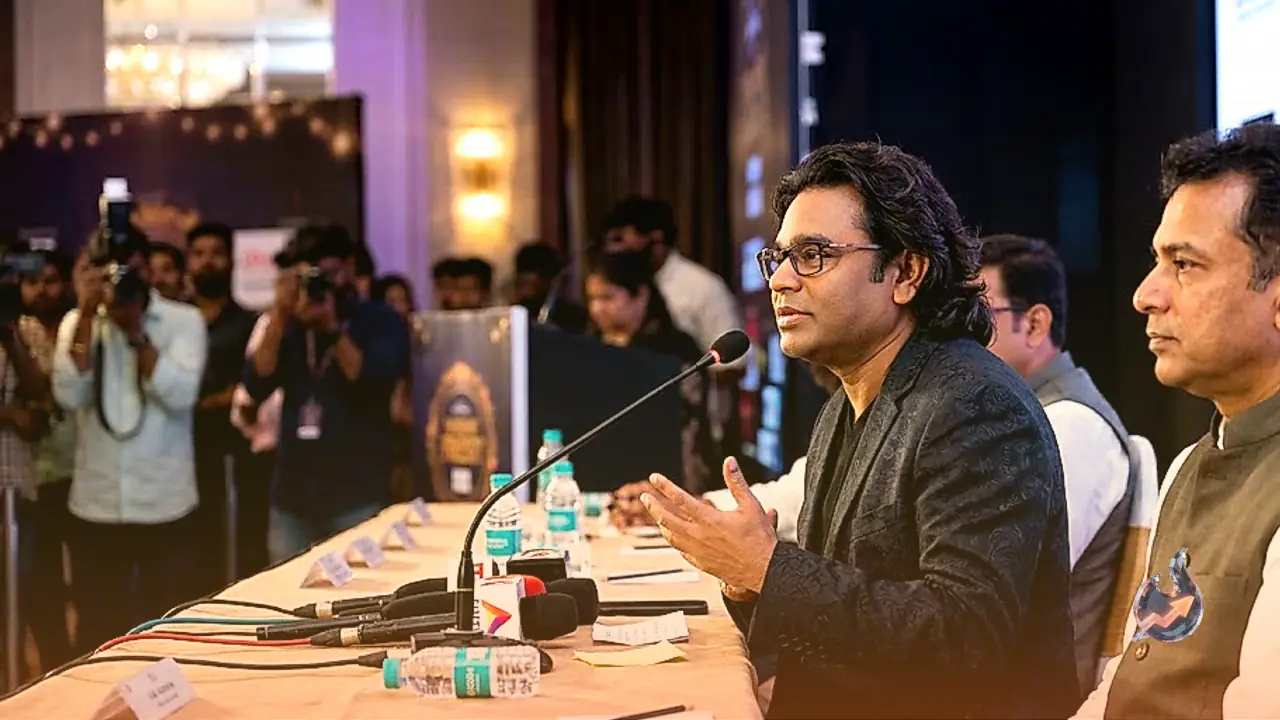


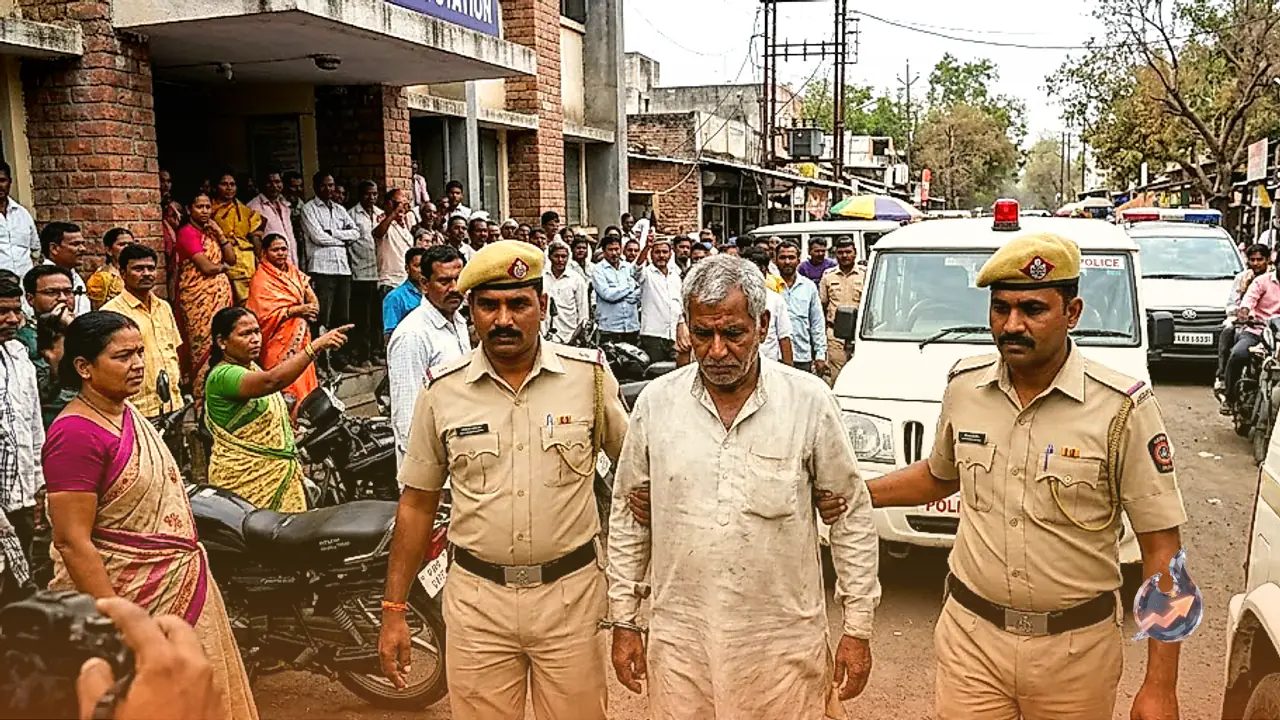
















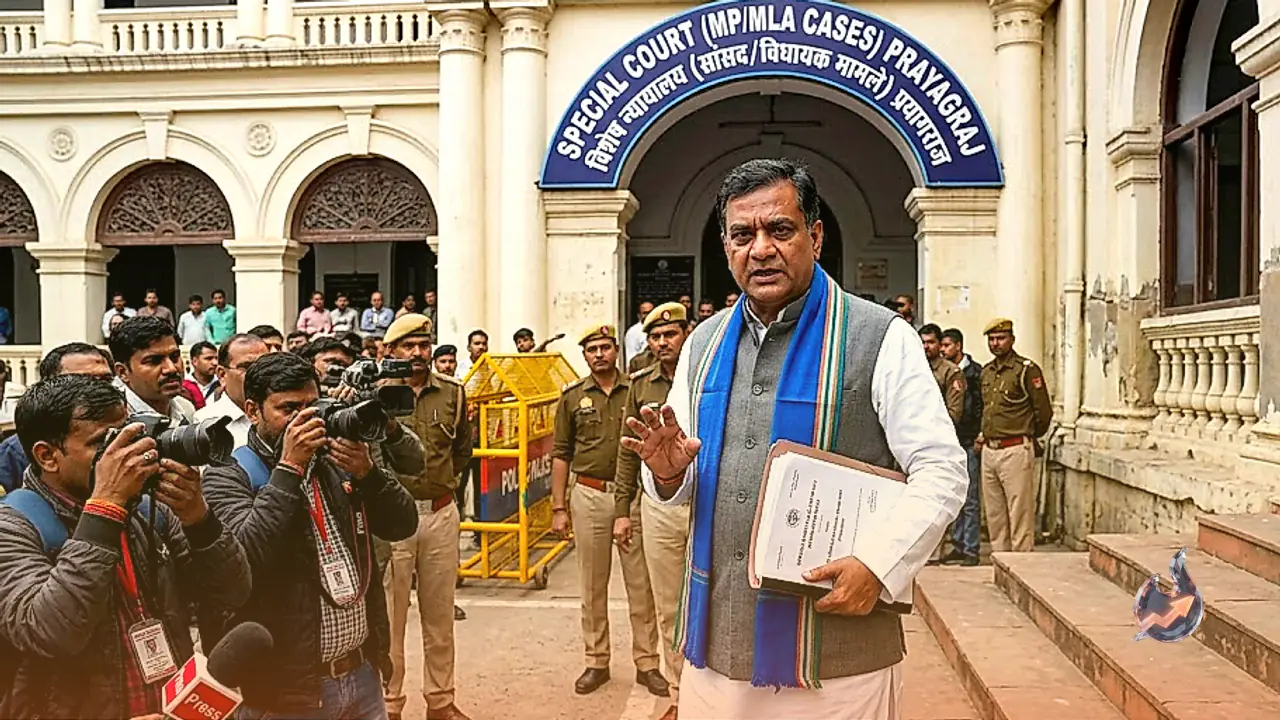

Amid the building political momentum for the 2027 assembly elections in Uttar Pradesh, a sharp controversy has erupted over a controversy centered around a fish feast event in Ayodhya. The dispute, which began following public remarks by Chief Minister Yogi Adityanath, has transitioned from political rallies to the judiciary. Uttar Pradesh Congress Committee President Ajay Rai visited Prayagraj to file a criminal defamation complaint against the Chief Minister in the designated MP-MLA court. Rai asserted that the Chief Minister made unfounded statements aimed at tarnishing his social and political standing. He demanded an unconditional public apology or concrete evidence supporting the assertion. Beyond raising political temperatures, this legal move brings to light several critical constitutional and procedural questions regarding defamation proceedings against a sitting Chief Minister and the application of the Bharatiya Nyaya Sanhita.
The Core Controversy and Claims Made by Both Sides
The origins of the legal battle stem from remarks made by Chief Minister Yogi Adityanath alleging that Ajay Rai consumes fish after offering prayers at the Hanumangarhi temple. This statement followed an event on August 23 in Ayodhya, where Rai attended a provincial convention of the Nishad community. Strongly contesting the claim, the Congress state president affirmed that he is a strict vegetarian who has never consumed fish in his life. While acknowledging his presence at the Nishad community conference, Rai emphasized that attending a public event does not validate untrue personal allegations. He clarified before the court that he has not sought any monetary damages; rather, his prayer focuses entirely on requiring the Chief Minister to either substantiate his claim with proof or issue a public retraction and apology.
Relevant Sections Under the Bharatiya Nyaya Sanhita
Should the court or law enforcement authorities take cognizance of the complaint, key provisions of the newly enacted criminal code, the Bharatiya Nyaya Sanhita (BNS), come into focus. Legal experts highlight three specific statutory provisions relevant to such disputes.
- Section 196 of the BNS: Replacing Section 153A of the former Indian Penal Code (IPC), this section penalizes actions or statements that promote enmity, hatred, or ill will between different groups on grounds of religion, race, language, or community. Offenses under this section are classified as cognizable and non-bailable.
- Section 353 of the BNS: Corresponding to Section 505 of the former IPC, this provision addresses statements conducive to public mischief, particularly those spreading rumors or reports intended to cause fear, alarm, or resentment among different classes of society.
- Section 356 of the BNS: This provision defines criminal defamation. It applies when statements or imputations are published with the intent or knowledge that they will harm the reputation of an individual or an identifiable group.
Police FIR Versus Private Court Complaint: The Legal Procedure
Indian criminal jurisprudence provides two primary procedural pathways for seeking legal remedies against alleged offenses. The first is an application submitted directly to a police station. If the police determine that the facts reveal a cognizable offense, a First Information Report (FIR) is registered under the provisions of the Bharatiya Nagarik Suraksha Sanhita (BNSS).
The second route is a private complaint filed directly before a magistrate under Section 223 of the BNSS (formerly Section 200 of the Code of Criminal Procedure). This path is typically pursued when police decline to register an FIR or when the complainant directly seeks judicial intervention. Under this process, the magistrate examines the complainant on oath. If the magistrate finds sufficient prima facie grounds, they may either order a preliminary police investigation or issue process, such as summons, directly to the accused.
Practical and Constitutional Hurdles in Registering an FIR Against a Sitting Chief Minister
Registering an FIR against a sitting Chief Minister based on a standard police complaint involves significant legal, procedural, and constitutional hurdles. The law incorporates specific protections to safeguard public functionaries from frivolous litigation.
- Sanction Requirement Under Section 218 BNSS: Mirroring Section 196 of the old CrPC, Section 218 of the BNSS mandates that prior sanction from the state government or appropriate competent authority is obligatory before any court can take cognizance or police can proceed with an FIR under BNS Sections 196 or 353 against a public servant for statements made in their official capacity.
- Freedom of Speech Under Article 19(1)(a): Article 19(1)(a) of the Constitution guarantees freedom of speech and expression. Judicial precedents dictate that political rhetoric during public debates rarely attracts criminal liability unless direct criminal intent (mens rea) to incite violence or public disorder is conclusively established.
- Mandatory Preliminary Inquiry: Under the BNSS framework, for offenses punishable with imprisonment ranging between three and seven years, law enforcement agencies are permitted a 14-day window to conduct a preliminary inquiry before deciding whether to register an FIR.
Legal Ramifications and Political Impact
Given these statutory requirements, the direct registration of an FIR by police remains highly improbable without executive sanction. However, if a magistrate exercises powers under Section 175(3) of the BNSS to order an investigation, formal proceedings including summons or applications for anticipatory bail could follow. Politically, as Uttar Pradesh moves closer to the 2027 assembly elections, this dispute provides the opposition with a platform for debate, even as the legal resolution remains dependent on judicial evaluation of evidence and statutory sanction rules.