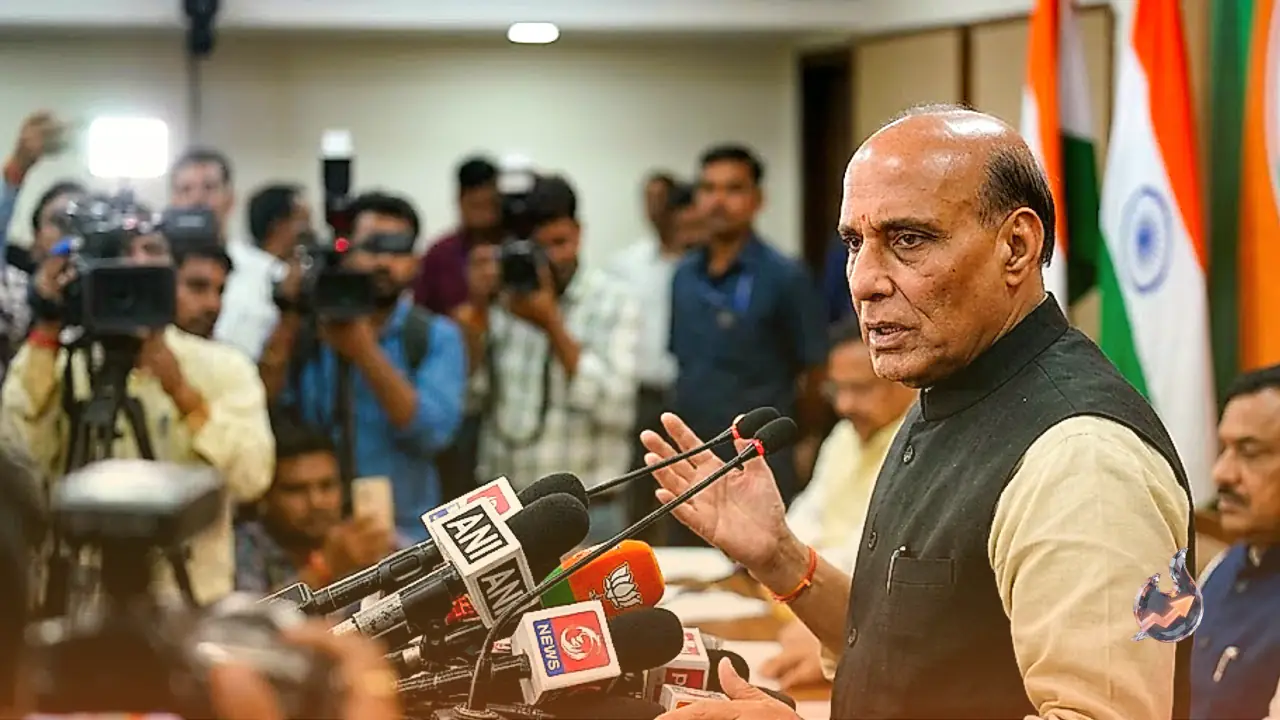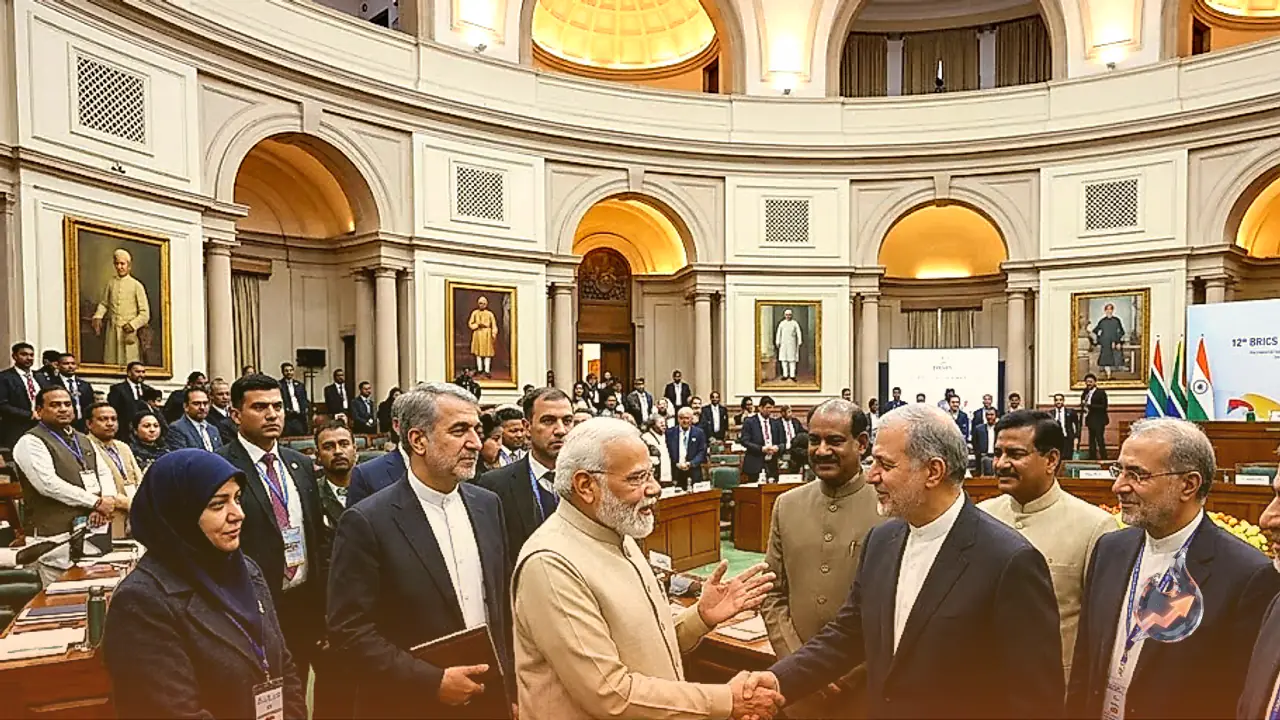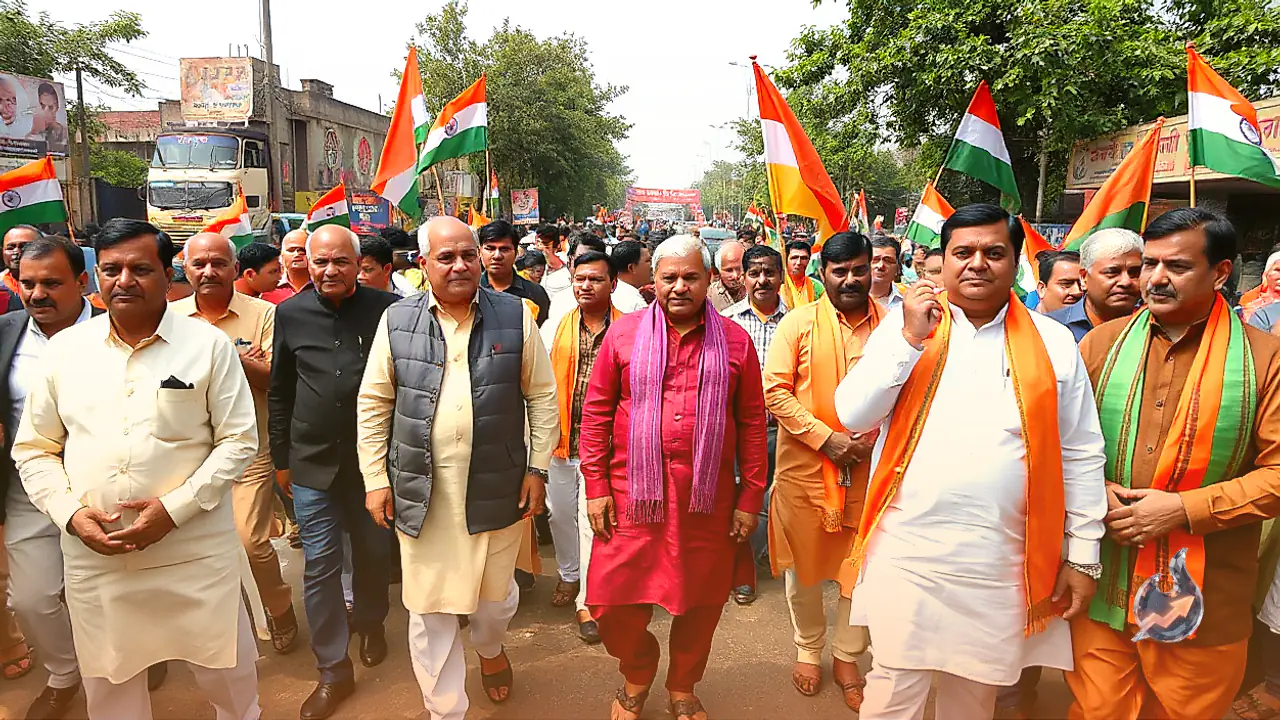





















Fresh economic data concerning the nation's growth has once again intensified political debates across the country. With the economic growth rate touching 7.8 percent, supporters view it as a major achievement, whereas opposition parties continue to raise concerns regarding inflation, employment opportunities, and the overall income levels of common citizens. A recent media discussion examined whether these robust economic numbers are bringing political relief to the administration and if the changing economic climate is visibly influencing the political arena.
Free Ration Program and Economic Security
The dialogue commenced by addressing the government's economic indicators alongside the initiative to provide free food grains to 81 crore citizens. Participants noted that critics questioning these government figures should simultaneously point out specific shortcomings and suggest alternative measures. Referencing the Food Security Act, it was highlighted that the legislative framework provides subsidised or completely free food grains to 50 percent of the urban population and 75 percent of rural residents.
It was further argued that when a household experiences reduced anxiety over securing two daily meals, the remaining disposable income can be directed toward children's education, clothing, milk, fruits, vegetables, and other household needs. This expenditure pattern helps drive the entire cycle of economic activity forward.
Analysing the 7.8 Percent Growth and Sectoral Performance
The 7.8 percent economic growth rate remained a central point of discussion. Panelists stated that if the economy is labeled as stagnant or distressed, the metrics and basis for such claims must also be provided. Attention was drawn to the fact that economic growth has consistently remained at or above 7 percent across multiple consecutive quarters.
Looking at individual sectors, growth figures included 9.2 percent in manufacturing, 8.9 percent in electricity, gas, and water supply, 7.7 percent in construction, 8.5 percent in trade, hotels, transport, and communication, and approximately 12 percent in financial, real estate, and professional IT services. Furthermore, private investment was reported at 12 percent, alongside a credit growth rate of 18.3 percent.
Infrastructure Expansion and Female Workforce Participation
To illustrate the momentum of economic activity, participants pointed to significant advancements in infrastructure. The discussion highlighted that while the country had only 74 operational airports until 2014, that figure has now grown to around 157. The pace of highway construction has accelerated from roughly 11 kilometers per day to approximately 36 kilometers per day.
Electricity availability was also noted to have improved from a previous average of 11 to 12 hours to over 22 hours daily. Additionally, an increase of roughly 23 to 24 percent in the female workforce during the tenure of Prime Minister Narendra Modi was highlighted as a crucial indicator of economic progress.
Shifting Political Dynamics and Future Management
The discussion concluded that the release of these positive economic figures has momentarily improved the political standing for the administration. While earlier phases witnessed substantial pressure and a predominantly negative narrative, the arrival of strong growth statistics has noticeably altered public perception.
Nevertheless, panelists acknowledged that political environments remain fluid. Managing public sentiment and handling underlying contradictions effectively remains essential. The overarching consensus of the debate was that while the economic data has provided a favorable political climate, the long-term outlook will depend heavily on how skillfully these conditions are managed moving forward.