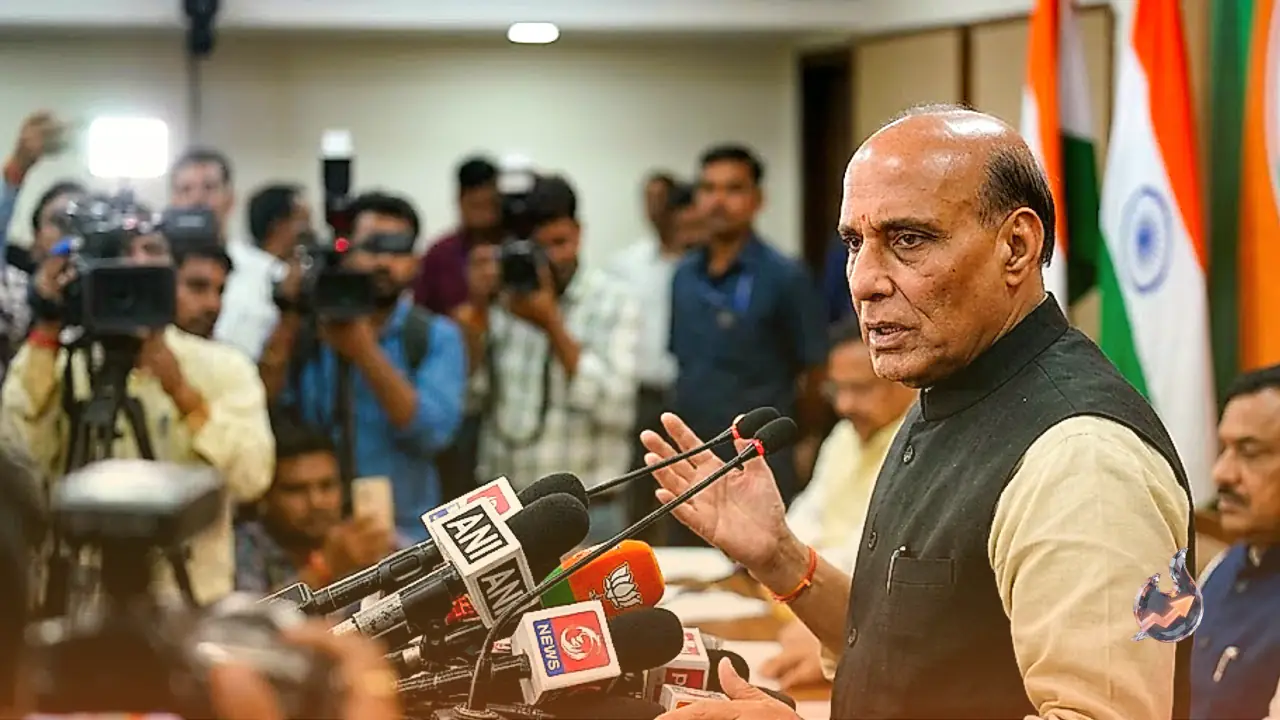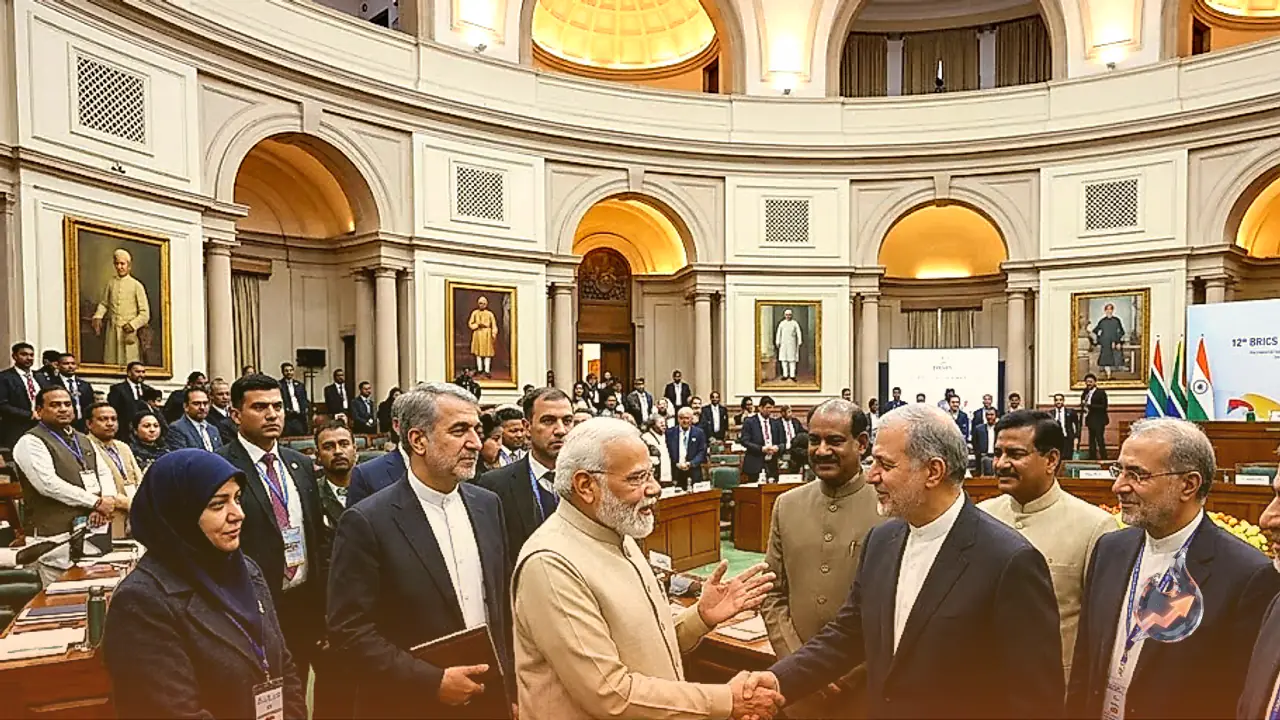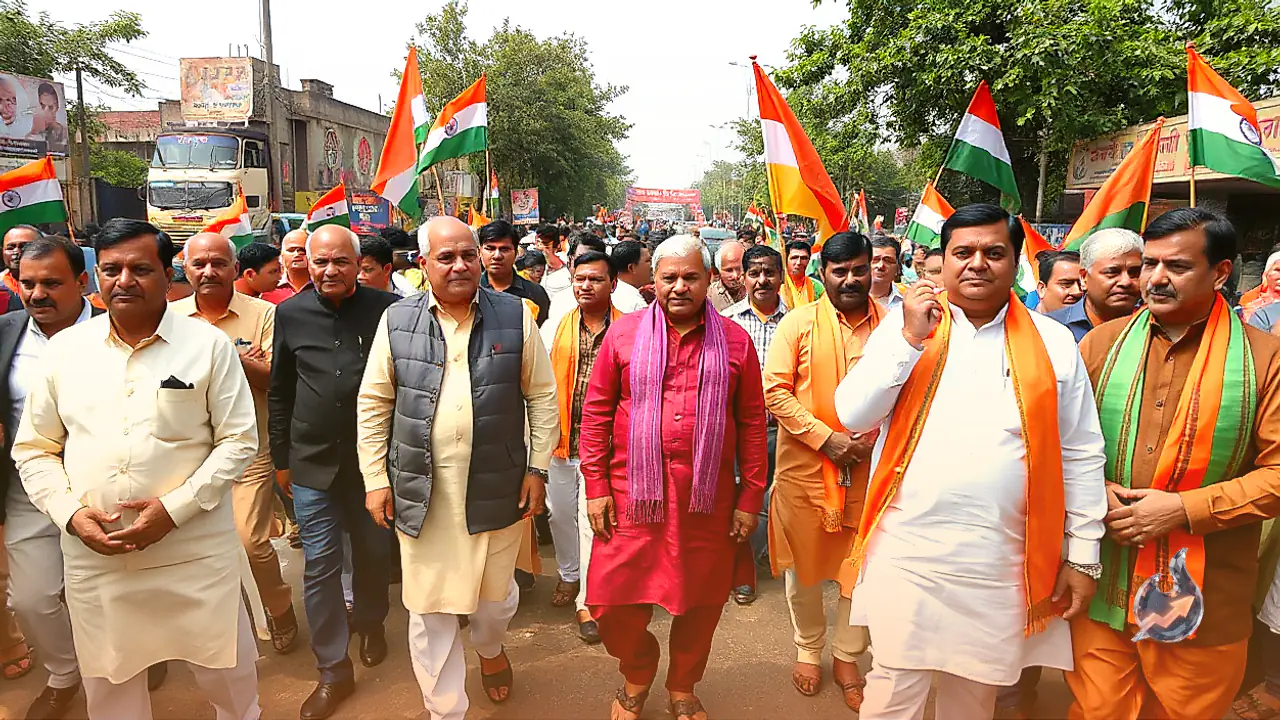



















The central government has taken a decisive step to address the decades-old issues surrounding Gorkha identity and administrative rights in the mountains of Darjeeling. Union Home Minister Amit Shah held a key meeting with leaders associated with the Darjeeling hills of West Bengal, assuring them that the central government is moving toward finding a permanent political solution to this long-pending dispute.
Setting the Scope at the Sukna Meeting
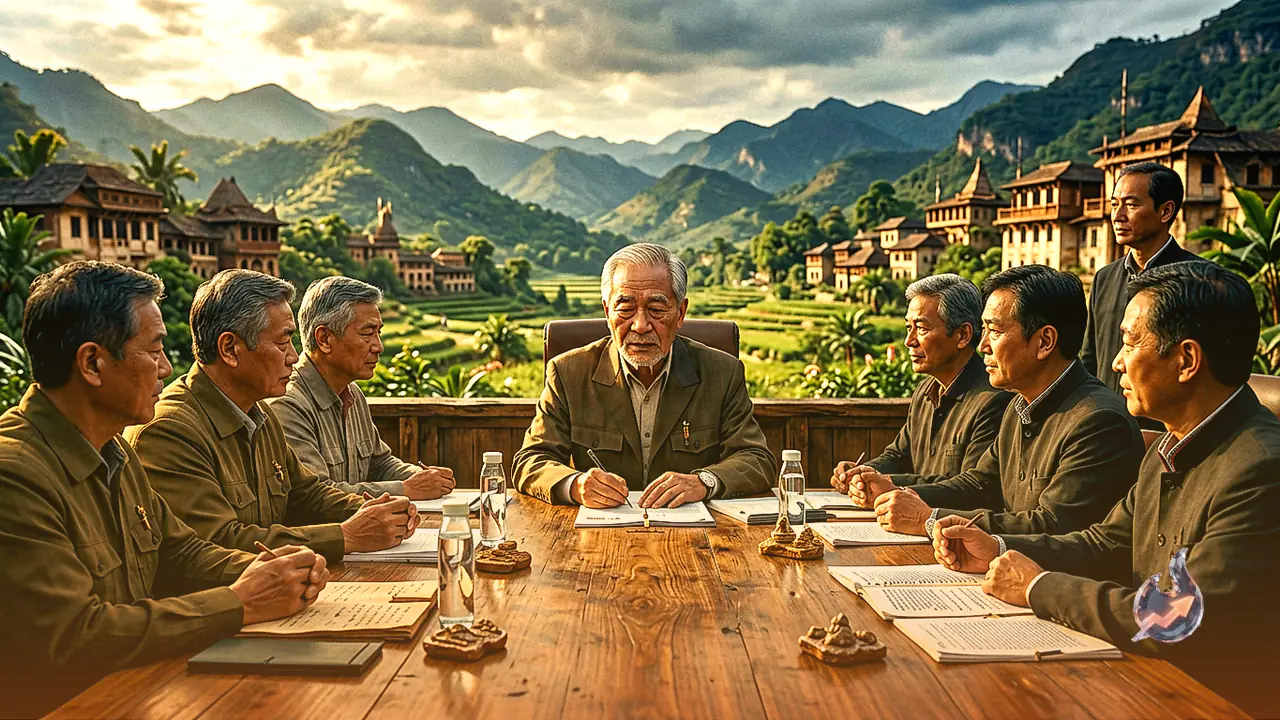
During this important meeting held in Sukna, Amit Shah made it clear that any resolution will remain strictly within the framework of the Indian Constitution and that West Bengal will not be partitioned. This means the central government will explore answers to questions concerning the Gorkha community's identity, political representation, and administrative rights while entirely steering clear of the option to divide the state.
Moving Beyond Promises to a Structured Roadmap
To advance toward a resolution, the central government has announced the formation of a high-level committee. Pankaj Kumar Singh, a former deputy national security advisor and former central interlocutor, will chair this committee. The panel's role will not be limited to mere discussions; it has been tasked with drafting a potential final agreement, determining its modalities, and formulating a clear roadmap to implement the solution.
This move is considered significant because issues concerning the Gorkha community in the hill regions of Darjeeling have been a source of political instability for many decades.
Identity and Administrative Rights Within the Constitution
The meeting placed the Gorkha community's distinct identity and political recognition at the forefront of the agenda. The central government indicated that while staying within constitutional provisions, possibilities for granting greater administrative autonomy or establishing a special administrative arrangement for the hill regions could be considered. However, the final shape of this arrangement will only emerge after discussions and recommendations from the high-level committee.
Amit Shah also assured that the central government will provide adequate financial assistance to address long-pending infrastructure and development deficits in the hill areas of North Bengal.
The Issue of ST Status for 11 Gorkha Communities
Several longstanding demands of the Gorkha community were also discussed during the meeting. Notably, this included the demand to grant Scheduled Tribe status to 11 deprived Gorkha communities. Securing ST status could bring benefits such as reservations and constitutional safeguards to these groups. Additionally, improving the socio-economic conditions of the Gorkha community and addressing issues related to constitutional protection were incorporated into the talks.
The meeting in Sukna is regarded as crucial because representatives from the Centre, the state, and various political factions of the hill region were present together.
Key leaders participating in the meeting included West Bengal Chief Minister Shuvendu Adhikari, Darjeeling MP Raju Bista, Rajya Sabha MP Harsh Vardhan Shringla, Gorkha Janmukti Morcha chief Bimal Gurung, and Gorkha National Liberation Front president Mann Ghising.
The presence of leaders from diverse political ideologies is seen as a vital step toward building a consensus on a long-standing issue.
A large population residing in the hill areas of Darjeeling, Kalimpong, and surrounding regions has long raised its voice for a separate Gorkha identity, language, culture, and political rights.
The argument behind the demand for Gorkalnd has been that the social, cultural, and linguistic circumstances of the hill regions differ from the plains of West Bengal. Leaders associated with the movement have alleged that the hill areas faced prolonged political and economic neglect.
The demand for a separate state of Gorkhaland emerged in the 1980s in the form of a major movement and violent struggle, followed by major agitations in 2007 and 2017 as well.
Previous Administrative Arrangements Fell Short of a Permanent Solution
Several administrative arrangements were previously created to pacify the demand for Gorkhaland. The Darjeeling Gorkha Hill Council was formed in 1988, followed by the establishment of the Gorkhaland Territorial Administration in 2011.
However, many leaders in the hill region considered these arrangements ineffective due to a lack of adequate powers. They alleged that these administrative bodies remained economically and politically dependent on Kolkata and failed to resolve the core demands of the hill people.
Development and Land Rights Remain Major Issues
The question of Gorkha identity is not limited to political representation alone. Tea gardens, tourism, employment, land rights, and the condition of workers in the hill areas have long been major issues.
Local discontent has persisted regarding the closure of several tea gardens, problems related to wages and employment, and land rights. Furthermore, political controversies regarding the Nepali language and local cultural identity have surfaced from time to time.
With the Centre now forming a high-level committee for a permanent political solution, hope has arisen that this decades-old dispute can move toward a constitutional and administrative resolution rather than remaining confined to electoral promises. Nevertheless, the ultimate test will lie in the committee's recommendations and the political will to implement them.