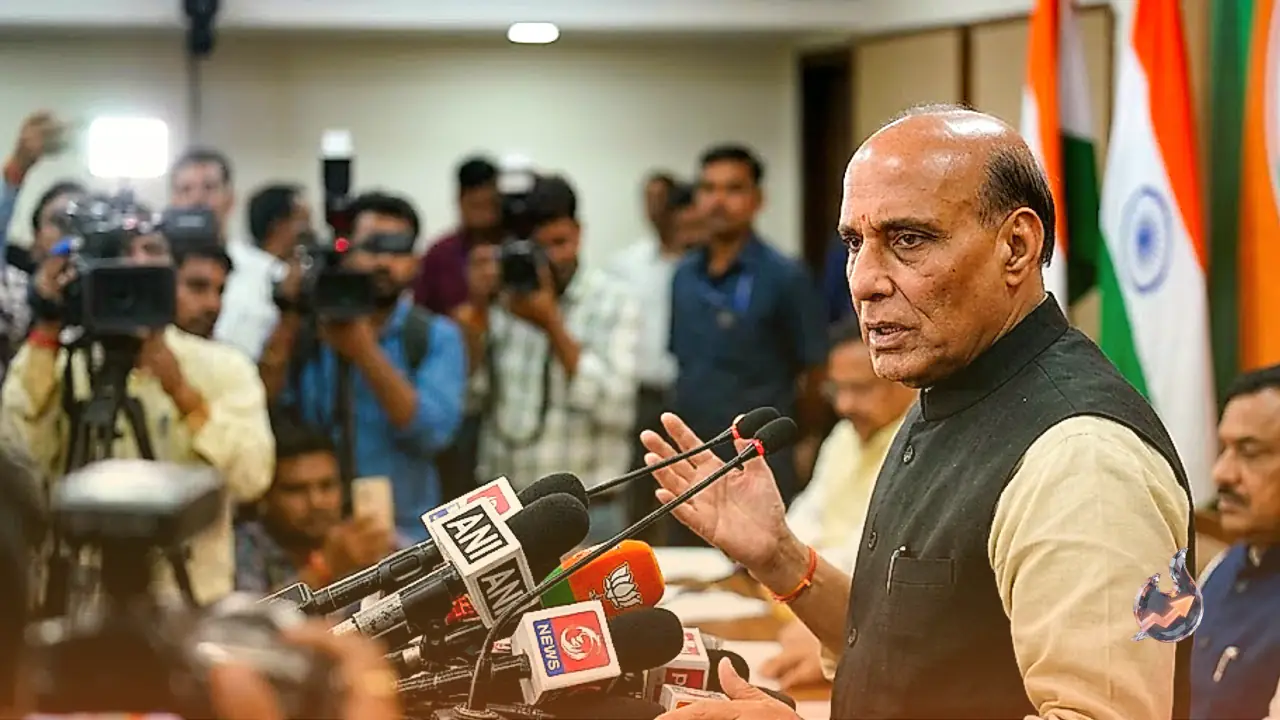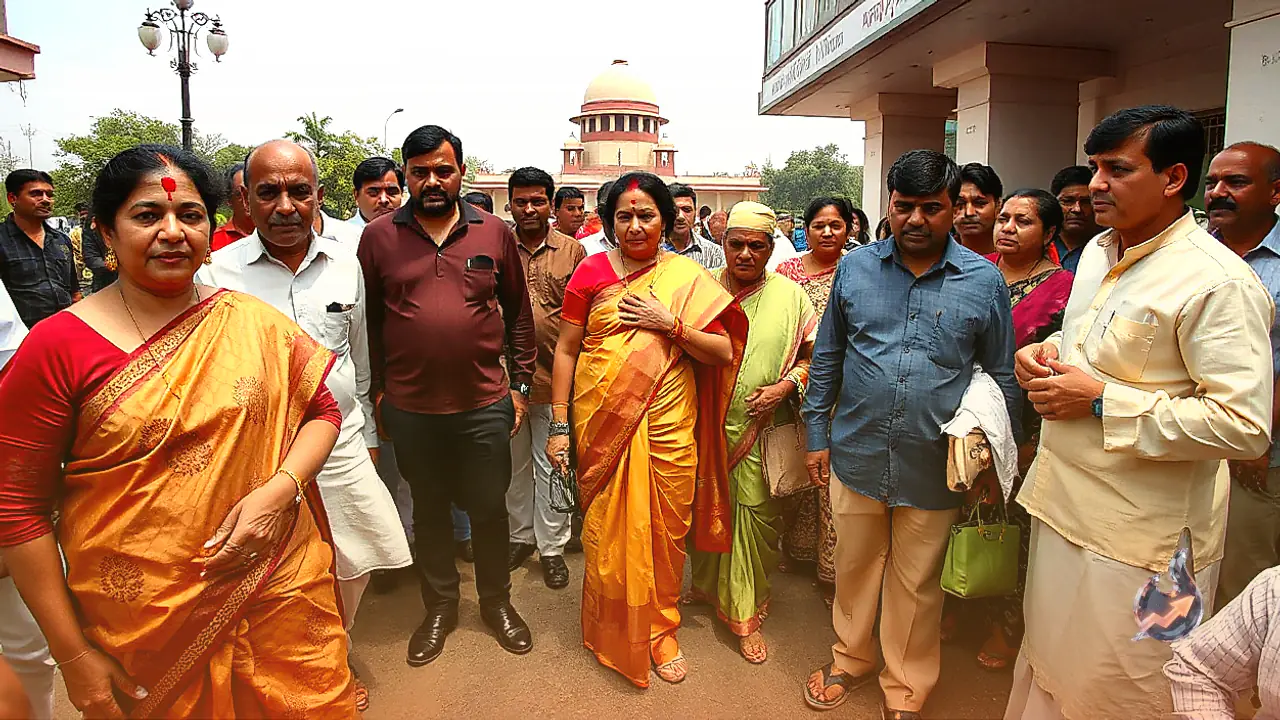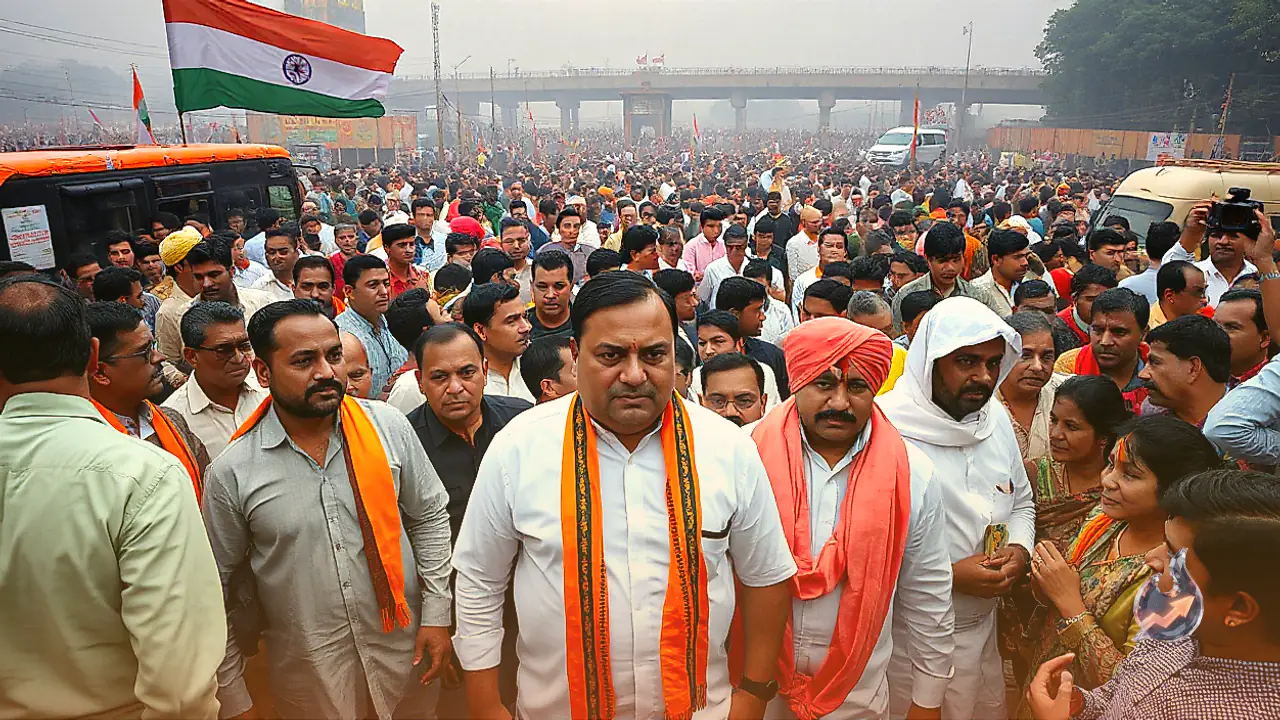


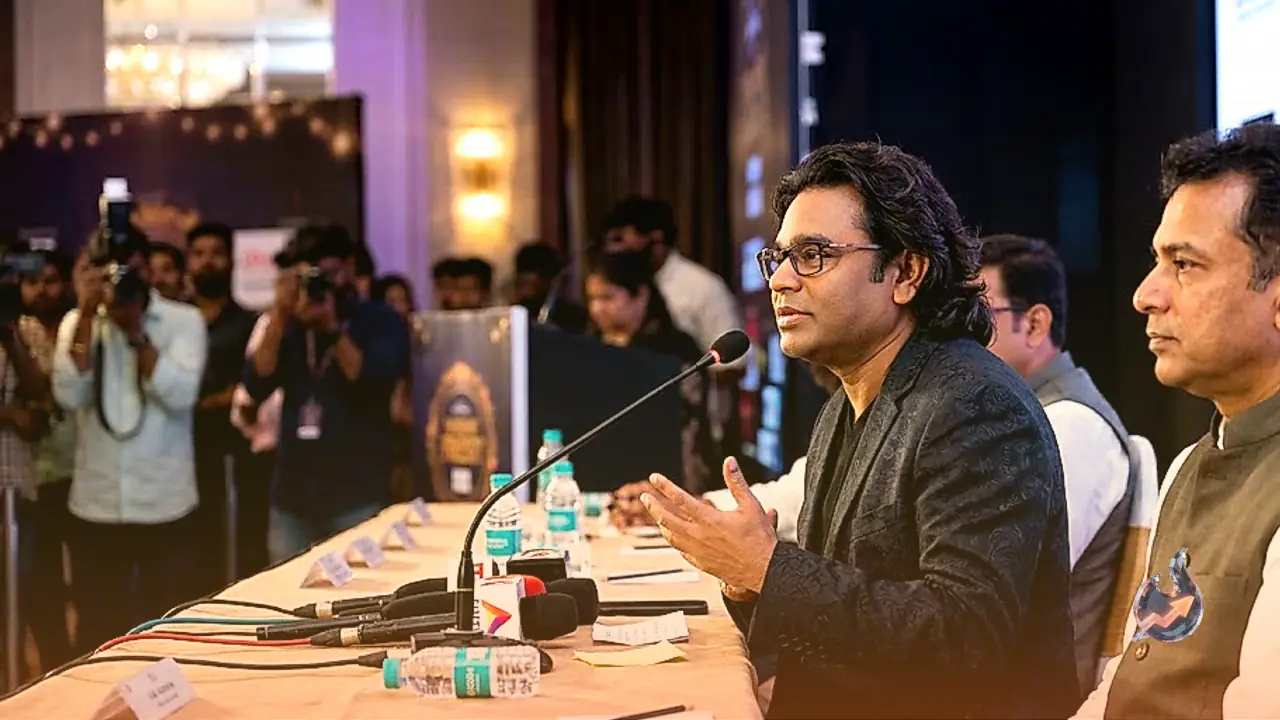


















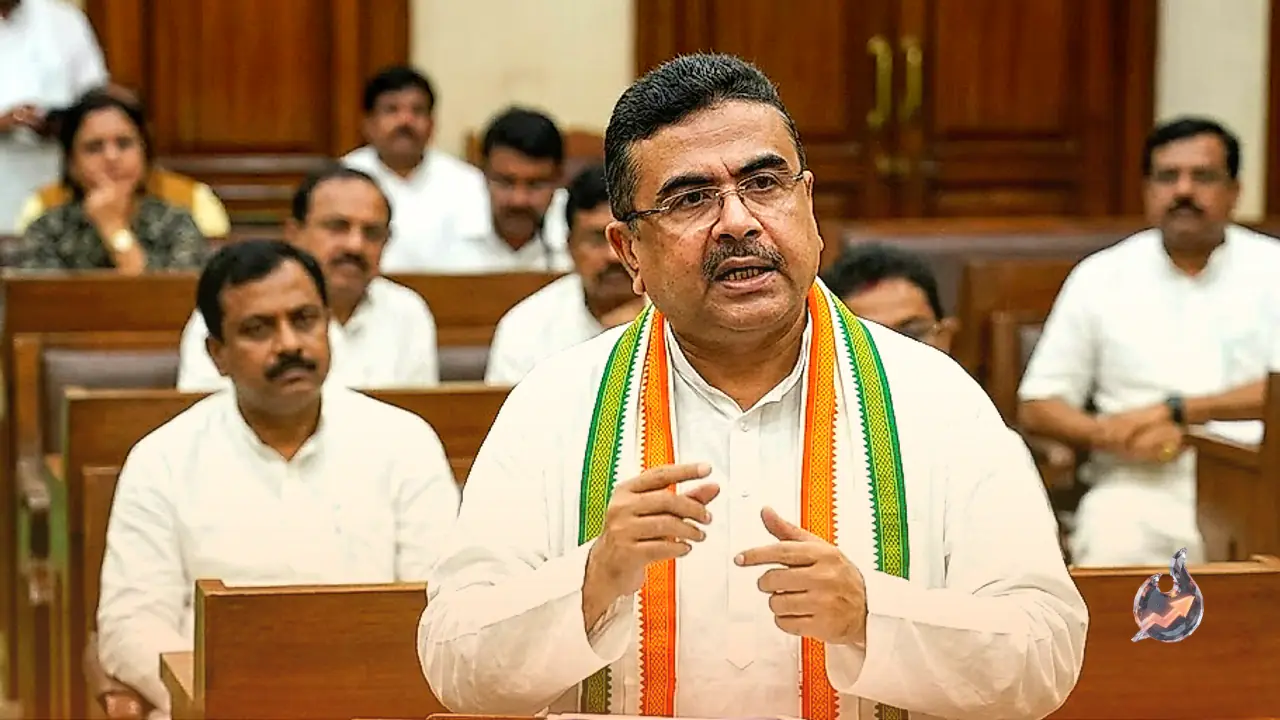

West Bengal Chief Minister Suvendu Adhikari outlined a series of aggressive administrative, cultural, and political measures during the state assembly session on Wednesday. Leading the Bharatiya Janata Party (BJP) government in the state, Adhikari made sweeping announcements that promise to reshape the region's governance. Most notably, he pledged to recruit 26,000 police constables to strengthen law enforcement and drew a hard line on cross-border migration. The Chief Minister declared that while genuine refugees would find a safe haven in the state, illegal infiltrators would be systematically identified and expelled. His comprehensive address also featured a blistering critique of the predecessor Trinamool Congress (TMC) regime, setting the stage for a period of strict administrative accountability.
Massive Police Recruitment Ahead of Durga Puja
Addressing the state's law and order framework, the Chief Minister announced a large-scale hiring initiative aimed at overhauling the state police force. The government plans to recruit a total of 26,000 constables to bolster security and administrative presence across all districts of West Bengal. Recognizing the cultural and logistical importance of the upcoming festive season, Adhikari stated that 16,000 of these appointments will be finalized and deployed before the commencement of the Durga Puja festival. During this major administrative announcement, he took a direct swipe at the former TMC government. Adhikari accused the previous administration of deeply politicizing the police machinery for partisan gains. He assured the legislative assembly that his government stands firmly against such institutional compromises and is committed to building a professional, impartial law enforcement force.
Hardline Stance on Infiltration and Political Violence
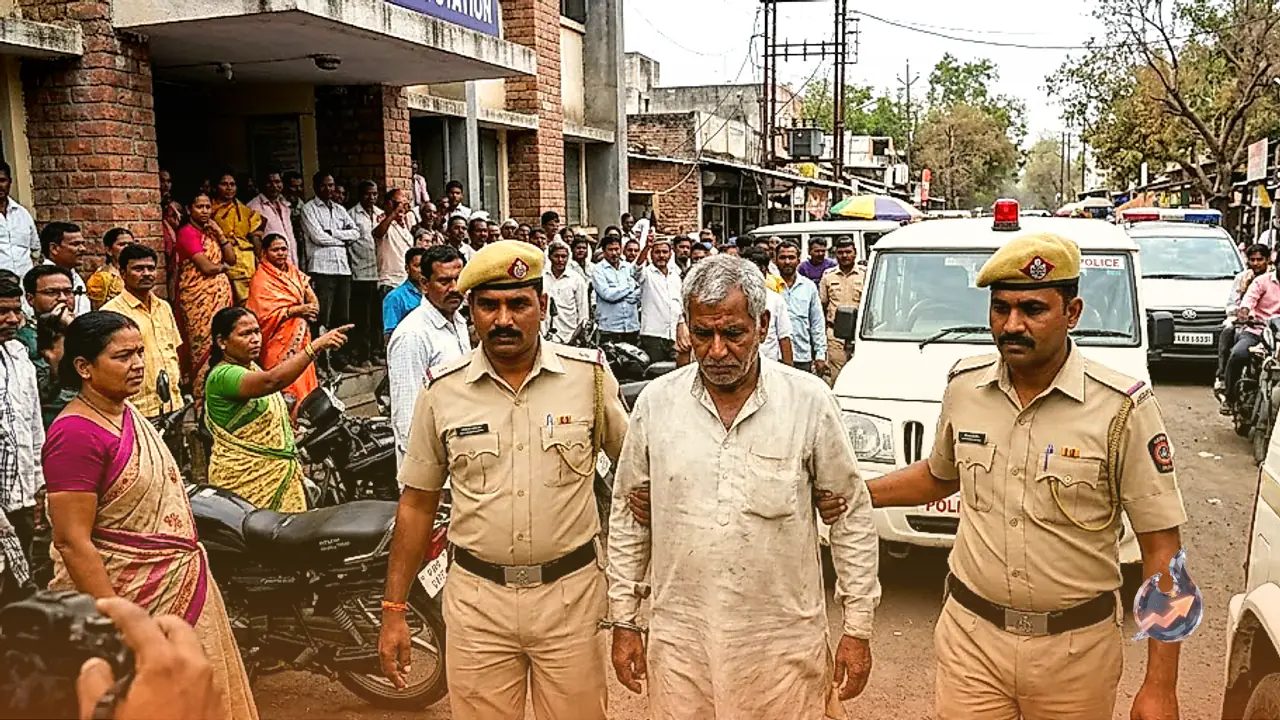
Touching upon one of the most contentious socio-political issues in the border state, Adhikari delivered an uncompromising message regarding unauthorized immigration. He articulated a clear policy distinction, emphasizing that the state administration would continue to welcome and protect legitimate refugees seeking shelter from persecution, but would take strict, uncompromising action to identify and deport illegal infiltrators. The Chief Minister also took the opportunity to address the recent volatile political climate in the state. He publicly condemned recent incidents where eggs were hurled at TMC leaders, calling such acts inappropriate. However, he quickly juxtaposed this by reminding the assembly of the severe political violence faced by BJP workers in the past. Adhikari claimed that during Mamata Banerjee's tenure, opposition party workers were routinely subjected to dangerous stone-pelting and systemic intimidation.
Unveiling Pending Audits and Targeting Corruption
In a major push for systemic transparency, Adhikari announced that his government is set to present all pending reports from the Comptroller and Auditor General (CAG) on July 25 before the assembly. He leveled serious allegations against Mamata Banerjee's erstwhile TMC government, claiming that they had intentionally suppressed mandatory CAG and Lokayukta audit reports for several years. Adhikari described this suppression as a severe and deliberate violation of legislative accountability and democratic norms. The Chief Minister issued a stark warning that if these exhaustive audits reveal concrete evidence of financial irregularities, First Information Reports (FIRs) will be recommended immediately against the perpetrators. He made it unequivocally clear that no individual implicated in corrupt practices would be shielded, regardless of their official rank, past achievements, or political influence. These crucial audit reports are slated for an extensive, point-by-point discussion in the upcoming assembly session, paving the way for decisive legal action based on their recommendations.
Financial Relief for Victims of Recent Tragedies
Shifting his focus to humanitarian concerns and disaster response, Adhikari announced a comprehensive compensation package for the families of Bengal residents who tragically lost their lives in two recent catastrophes—a maritime accident in the Bay of Bengal and a devastating under-construction tunnel collapse in the neighboring state of Sikkim. The state government will provide a financial ex-gratia payment of Rs 5 lakh to each bereaved family. Additionally, to ensure long-term financial stability for the victims' dependents, one family member will be offered a secure 'civic volunteer' job within the state apparatus. This compassionate move followed pressing concerns raised on the assembly floor by BJP MLA Chandrasekhar Mandal, who highlighted the desperate plight of fishermen from a missing maritime vessel. The boat, originating from Shankarapur in the Purba Medinipur district, vanished under mysterious circumstances in the Bay of Bengal on July 2. After an agonizing five-day search operation, the capsized vessel was finally discovered near Bagher Char, adjacent to Kakdwip, underscoring the perilous and often fatal conditions faced by the local fishing community on a daily basis.
Making Bengali Mandatory in Government Offices
In a significant cultural and administrative shift aimed at preserving regional identity, the Chief Minister declared that the Bengali language will become strictly mandatory across all state government sectors starting September 1. This sweeping mandate dictates that every official procedure, document, and communication, ranging from the grassroots Land Reforms Department all the way up to the Chief Minister's Office (CMO), must be conducted entirely in the mother tongue. Adhikari attributed the primary inspiration for this landmark linguistic policy to a formal communication received from Union Home Minister Amit Shah. Furthermore, he cited the 125th birth anniversary of the prominent freedom fighter and political thinker Dr. Syama Prasad Mookerjee, framing the mandatory language policy as a fitting tribute to Bengal's rich cultural and linguistic heritage.