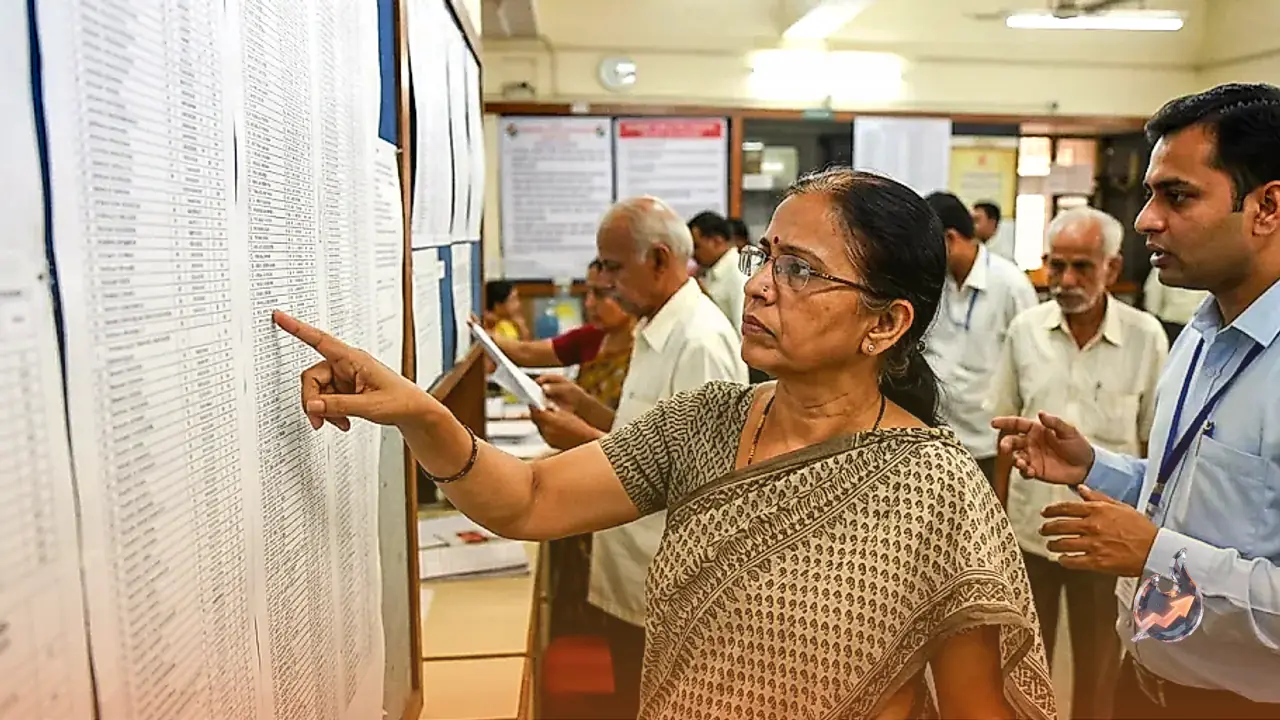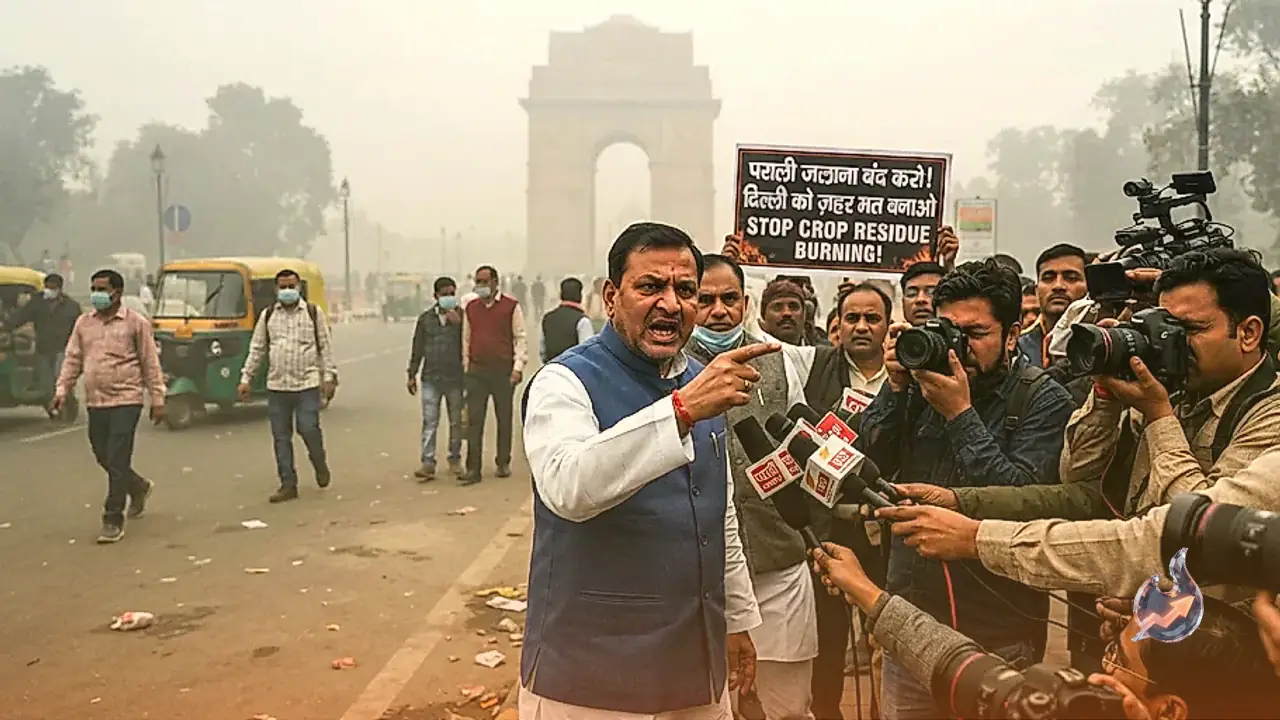

The National Capital Region has once again found itself trapped under a blanket of toxic air as pollution levels plummet into the very poor category. Amid this deteriorating environmental condition, familiar accusations regarding stubble burning have resurfaced across political platforms. The central debate continues to revolve around the primary triggers of this heavy contamination, questioning whether the pollution originates locally or from agricultural fires set in neighboring states. A recent statement delivered by Union Agriculture Minister Shivraj Singh Chouhan during a public event has added significant fuel to this ongoing political friction.
The Statement That Triggered the Debate
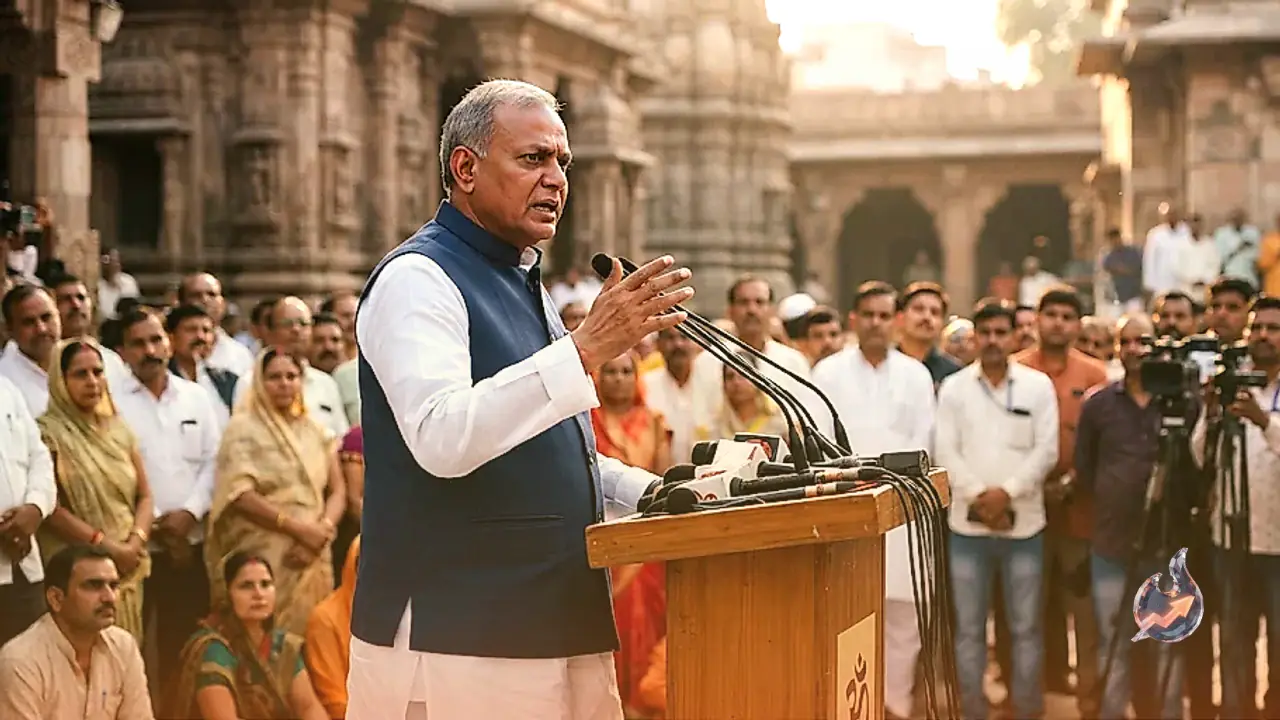
While attending an event in Punjab on November 17, Union Agriculture Minister Shivraj Singh Chouhan remarked that local farmers have done commendable work regarding crop residue management, noting a historic decline in such incidents across the state. This observation was swiftly seized upon by political opponents who view it as a direct contradiction to persistent claims made by governing bodies. The acknowledgment by a senior central official provided regional leaders with ammunition to question the narrative pushed by rival political factions.
Reactions from Regional Leadership
Aam Aadmi Party national convener Arvind Kejriwal took to X to criticize opposing groups, stating that central figures themselves recognize the reduction in farm fires by cultivators. He accused rival political outfits of engaging in adverse politics against farming communities. Another party representative, Saurabh Bharadwaj, added that he felt concerned for the Union Minister, suggesting that speaking in favor of the agrarian workforce might put his cabinet position at risk while alleging that opposing groups unfairly target cultivators for seasonal smog.
Expert Insights on Pollution Sources
Moving beyond political rhetoric, environmental experts offered a detailed breakdown of the crisis by referencing comprehensive research findings. Environmental expert Bhavreen Kandhari noted that a substantial portion of the capital's pollution arrives from external regions, encompassing both agricultural smoke and nearby industrial clusters. Industrial zones located on the outskirts, such as Loni and Bahadurgarh, contribute heavily to this influx. Furthermore, a significant percentage of the pollution stems from internal sources within the city limits, highlighting the complex nature of the crisis.
Evaluating Measurement Methods
Experts also pointed out flaws in how authorities track agricultural burning. While statistics indicate a drop in fire counts across states like Punjab and Haryana, minor increases were noted elsewhere. Analysts argue that simply counting the number of ignition events is insufficient; authorities must measure the exact geographical area affected by the fires. The apex court has similarly advised administration branches to implement continuous, year-round pollution mitigation strategies rather than scrambling only when seasonal deterioration peaks.