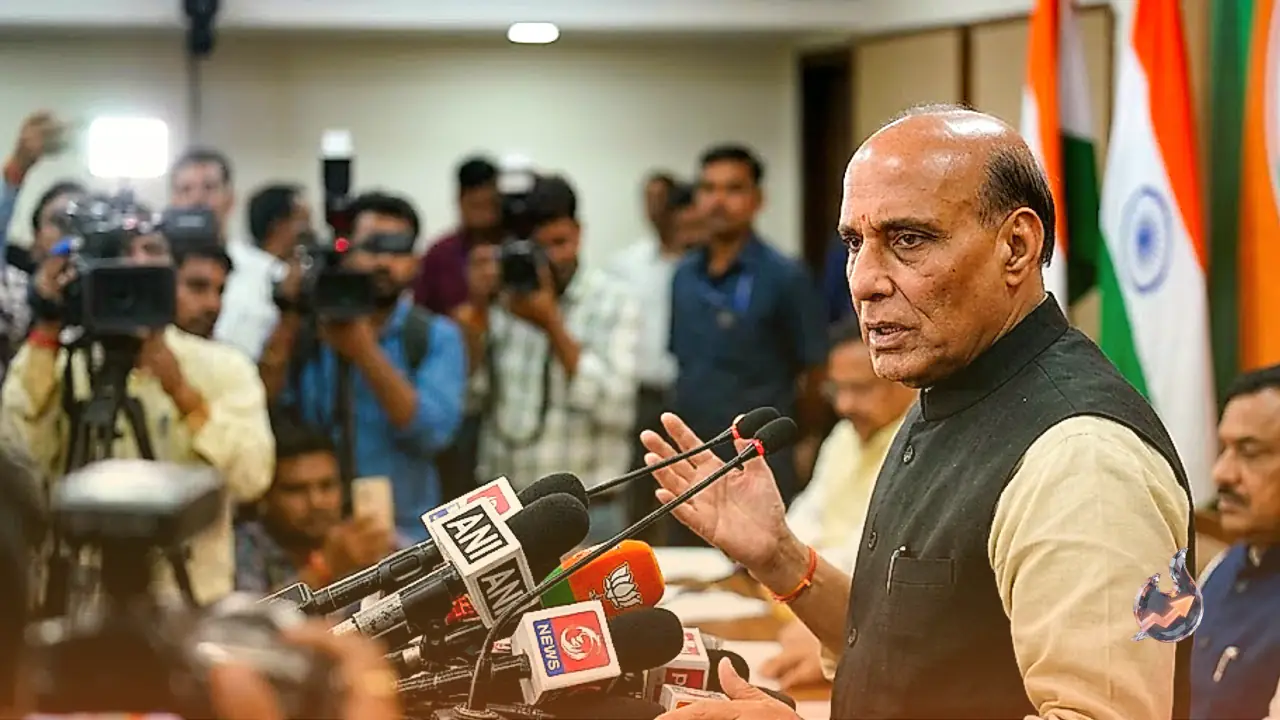




















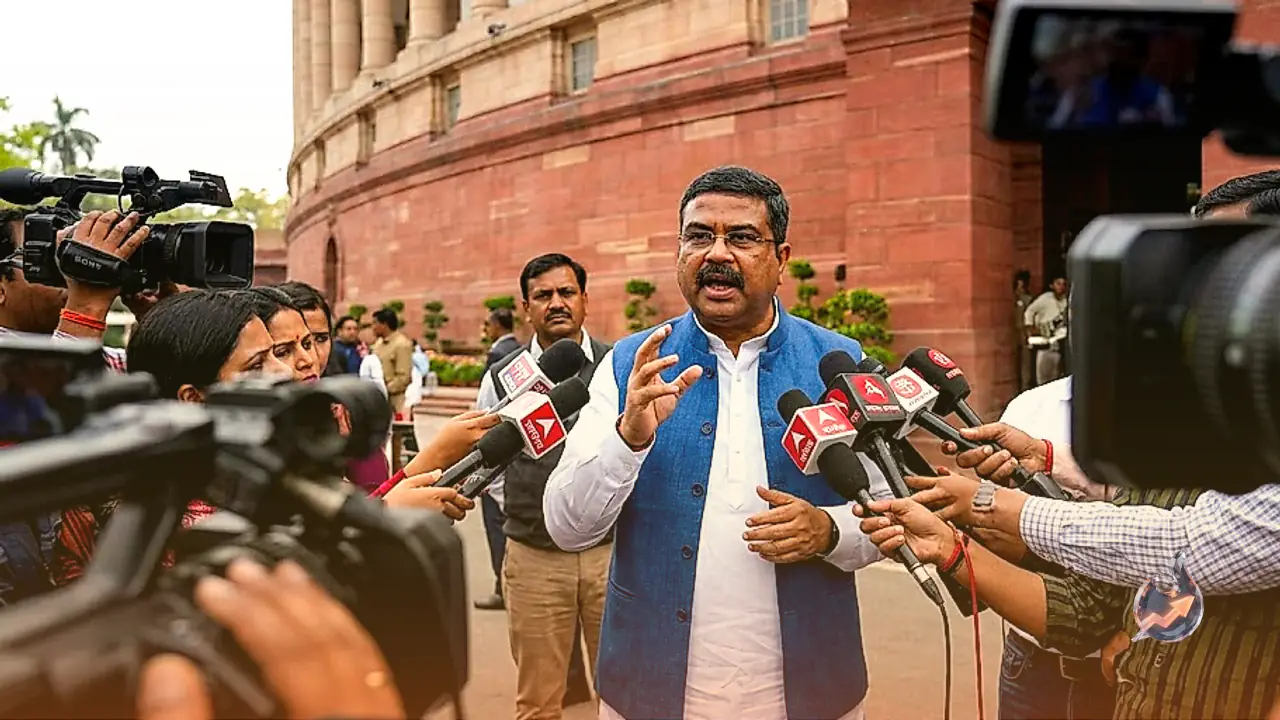

Dharmendra Pradhan has broken his silence for the first time following his resignation from the Union Cabinet, asserting firmly that he is a grassroots fighter rather than a drawing-room politician. Speaking about an interaction with Congress leader Jairam Ramesh in the corridors of Parliament, he recalled past days and mentioned how Ramesh had previously praised the governance model of Atal Bihari Vajpayee, which had prompted him to visit the AICC office out of appreciation back then. He further recalled that years later, after Ramesh became Commerce Minister and he himself entered Parliament, he visited the minister's office to discuss agricultural issues concerning local chillies from his constituency. During their recent exchange, Ramesh remarked that such things happen, prompting a sharp and characteristic response.
Replying directly to that remark, Dharmendra Pradhan made it clear that nothing happens by chance, stating emphatically that he operates as a street fighter rather than an air-conditioned room activist. This bold stance has drawn significant attention across political circles, highlighting his unwavering approach to public life and political combat.
Stricter Penalties Introduced Under The New Anti-Paper Leak Bill
Meanwhile, the government has taken aggressive steps to curb exam malpractice by introducing the Public Examinations Prevention of Unfair Means Amendment Bill 2026 in the Lok Sabha. Union Minister Jitendra Singh formally tabled the legislation in the House, aiming to plug loopholes in the examination system. A close examination reveals distinct differences between this updated legislation and the older law enacted two years prior in 2024.
The revised anti-paper leak framework introduces differentiated provisions based on the nature of the offense and the category of the offender. While independent wrongdoers face specific penalties, members of organized crime syndicates are subjected to far harsher punitive measures. Crucially, the liability is no longer restricted merely to the foot soldiers of syndicates; it extends heavily toward service provider firms involved in biometric authentication and question paper logistics. If any director, senior management executive, or staff member of such a service provider is found culpable, the maximum prison term has been doubled from the previous 5 years to a stringent 10 years. Additionally, the associated monetary fine has been scaled up steeply from 1 crore rupees to 5 crore rupees to create a strong deterrent against corruption in public examinations.
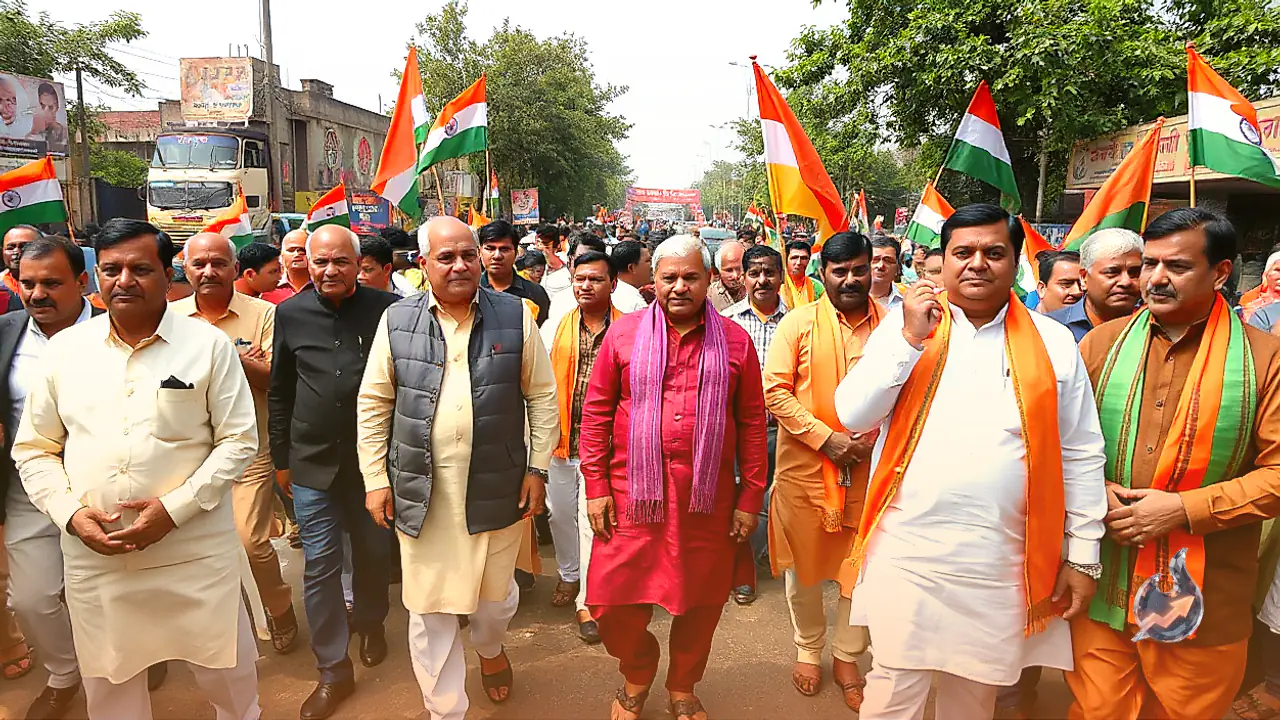
In a related development, upon arriving at Parliament on Monday for the first time since stepping down from his ministerial portfolio, Dharmendra Pradhan was greeted warmly by NDA MPs. Sporting a calm and smiling demeanor, his arrival prompted one of the attending parliamentarians to remark that this marks a rare instance where a minister has stepped down from office completely voluntarily without facing any formal allegations.