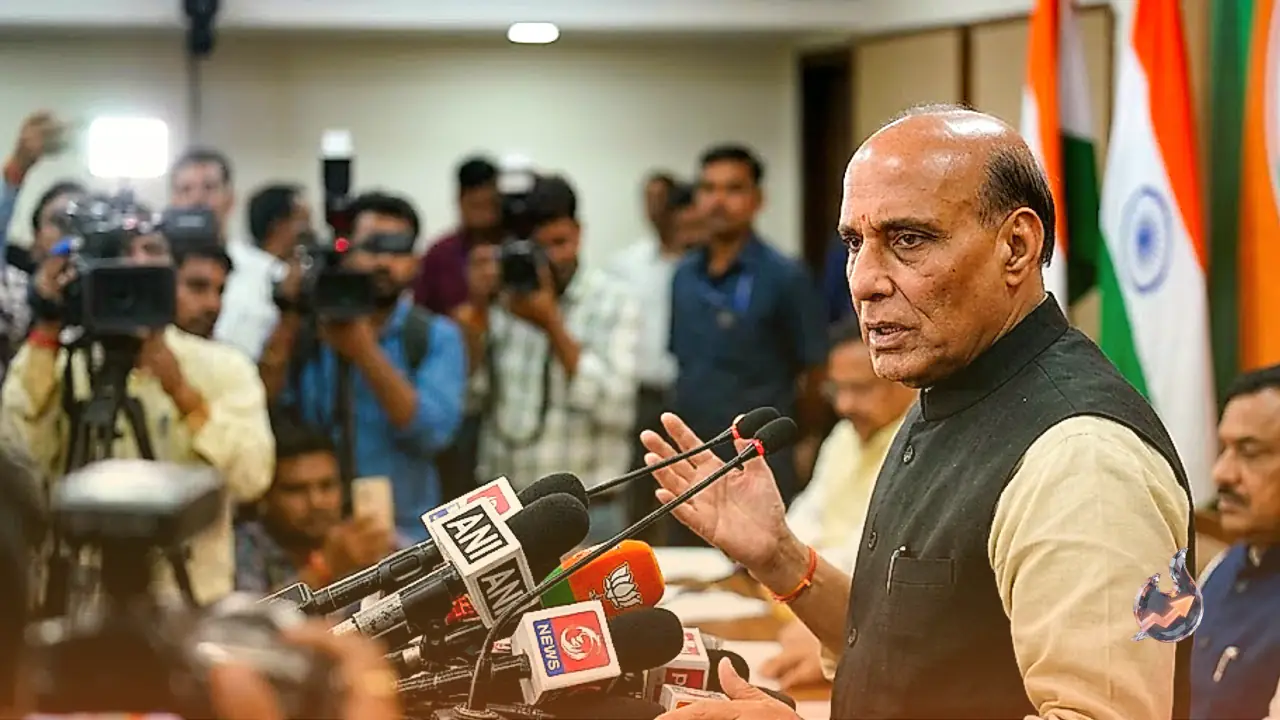






















The Himachal Pradesh Legislative Assembly has given its nod to a crucial amendment concerning local body and panchayat elections in the state. Under this fresh legislation, daughters-in-law belonging to families that have illegally occupied government land will no longer be eligible to contest panchayat and urban local body elections. The government maintains that the primary objective behind this measure is to plug loopholes that allow individuals disqualified due to land encroachment to field their family members as proxies. However, the move has drawn sharp opposition from the Bharatiya Janata Party, which has strongly criticized the amendment.
Key Changes Introduced by the Amendment
The legislative change has been brought about by amending the Himachal Pradesh Panchayati Raj Act, 1994. Rural Development and Panchayati Raj Minister Anirudh Singh tabled the bill in the assembly, which managed to get passed by a voice vote despite strong resistance. The most significant shift in the law revolves around the redefined scope of the term 'family,' which now explicitly incorporates daughters-in-law. Notably, this comes in the wake of other legislative business in the state assembly, including the state university amendment bill where discussions also touched upon raising fresh loans to service past liabilities.
Comparing the Old and New Rules
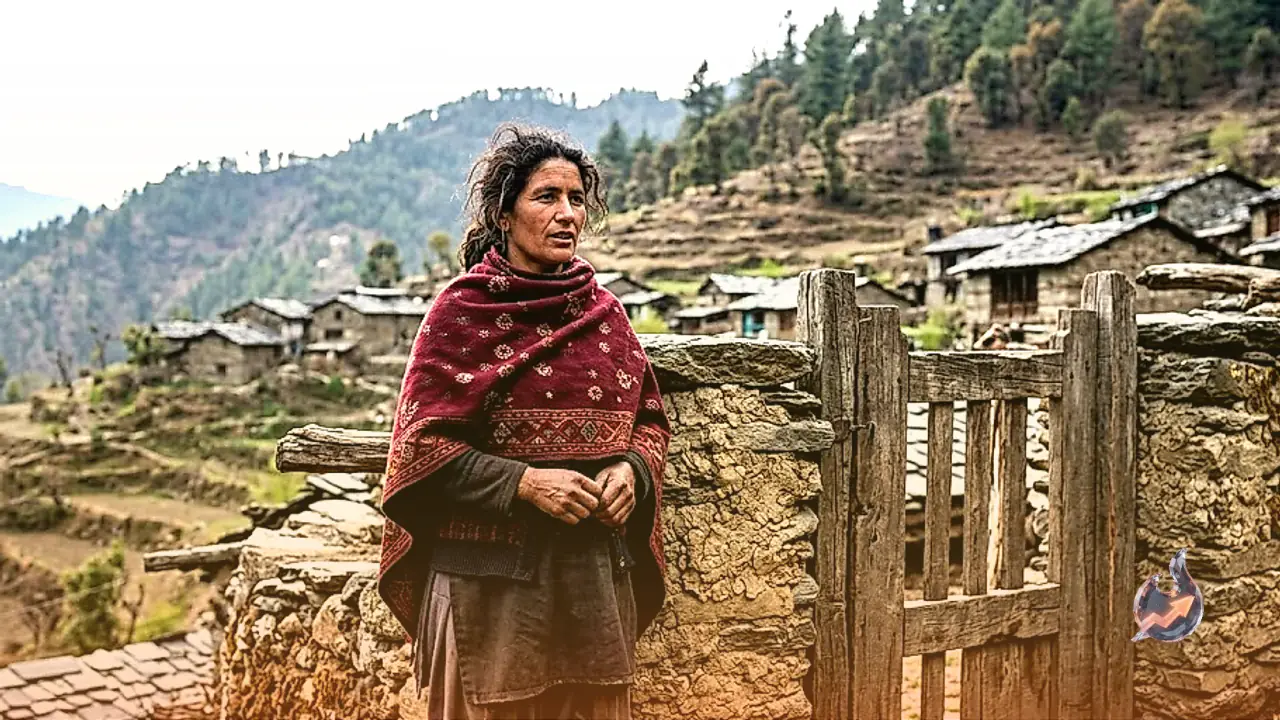
Under the previously existing regulations, if an individual was found guilty of encroaching upon government land, only their son faced disqualification from contesting panchayat or municipal elections. Daughters-in-law were not covered under the purview of that restriction, meaning they retained the right to run for local office. With the new amendment in place, if any member of a household is barred from elections due to land grabbing, the daughter-in-law of that household is automatically barred from contesting panchayat or urban local body elections as well. The administration argues that this closes off a backdoor entry where disqualified persons field their wives or daughters-in-law to circumvent the rules.
Government Stance and Arguments by Anirudh Singh
Defending the bill against opposition criticism, Panchayati Raj Minister Anirudh Singh asserted in the assembly that the government proceeded with this amendment only after seeking proper legal counsel. Advocating the principle of one state and one law, he questioned why a daughter-in-law who resides with the family, enjoys its amenities, and forms an integral part of the household should be excluded from the legal definition of family successors. He noted that individuals disqualified from contesting polls often attempt to field their close female relatives to indirectly contest elections, making this regulatory addition a necessity.
Why the BJP is Opposing the Legislation
On the other side of the aisle, BJP legislators fiercely contested the bill on the floor of the house. BJP MLA Randhir Sharma argued that since a daughter-in-law arrives from another family post-marriage, she ought not to be penalized for actions committed by her in-laws. He alleged that the amendment was tailor-made to target specific individuals. Leader of the Opposition Jai Ram Thakur echoed similar sentiments, branding the legislation as anti-women and accusing the state government of curtailing democratic rights of citizens while targeting political adversaries. Jai Ram Thakur also targeted Chief Minister Sukhvinder Singh Sukhu for pushing the legislation out of sheer stubbornness, warning that the provision would fail judicial scrutiny if challenged.
Core Contrast Between Government and Opposition Arguments
- Government Argument: If a person is barred from contesting due to government land encroachment, they should not be allowed to bypass the restriction by putting forward their wife or daughter-in-law, making the inclusion of daughters-in-law in the family definition essential.
- Opposition Argument: A daughter-in-law cannot be held culpable for alleged land grabs by her in-laws. Punishing her for such acts is anti-women and serves to shrink democratic freedoms.
State Election Commission Recommendation and Next Steps
According to the Himachal Pradesh government, the recommendation to alter the definition of family was originally put forward by the State Election Commission nearly six years ago. The administration states that the current amendment is framed strictly in line with that past recommendation and expert legal opinion. Following its passage in the assembly, the implementation process will move forward, though opposition leaders have already hinted at the likelihood of mounting a legal challenge against the rule.