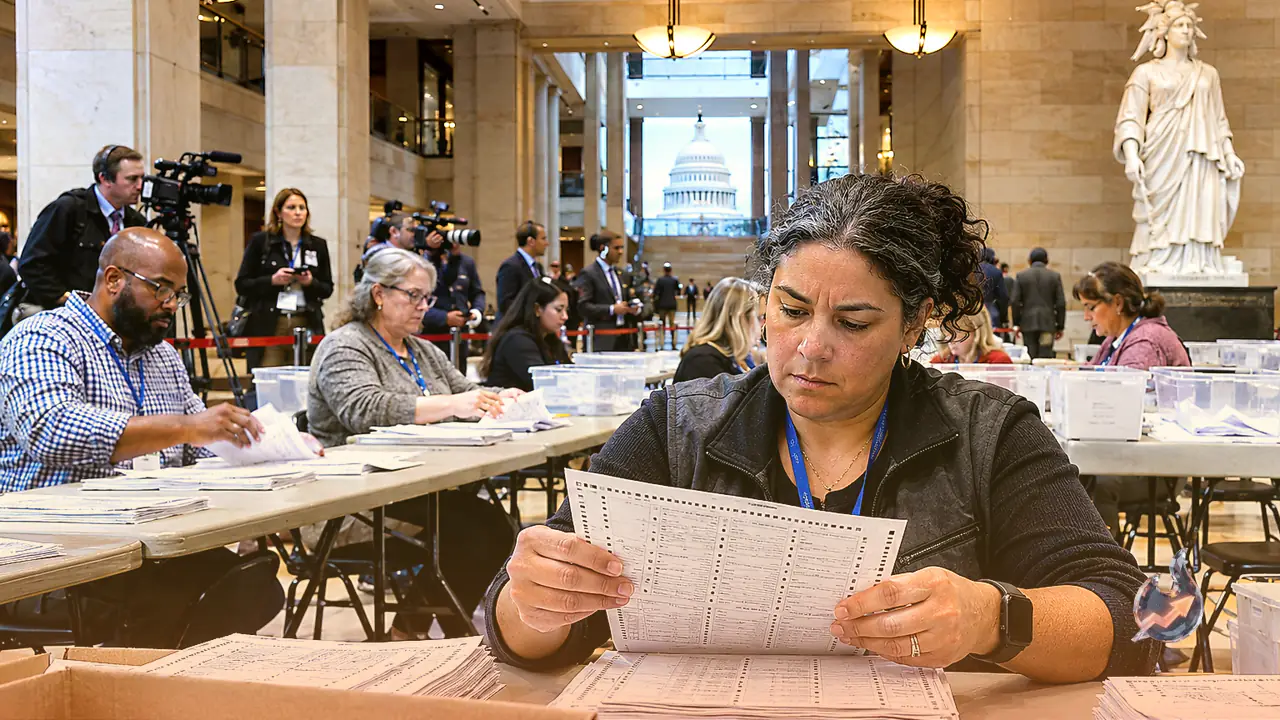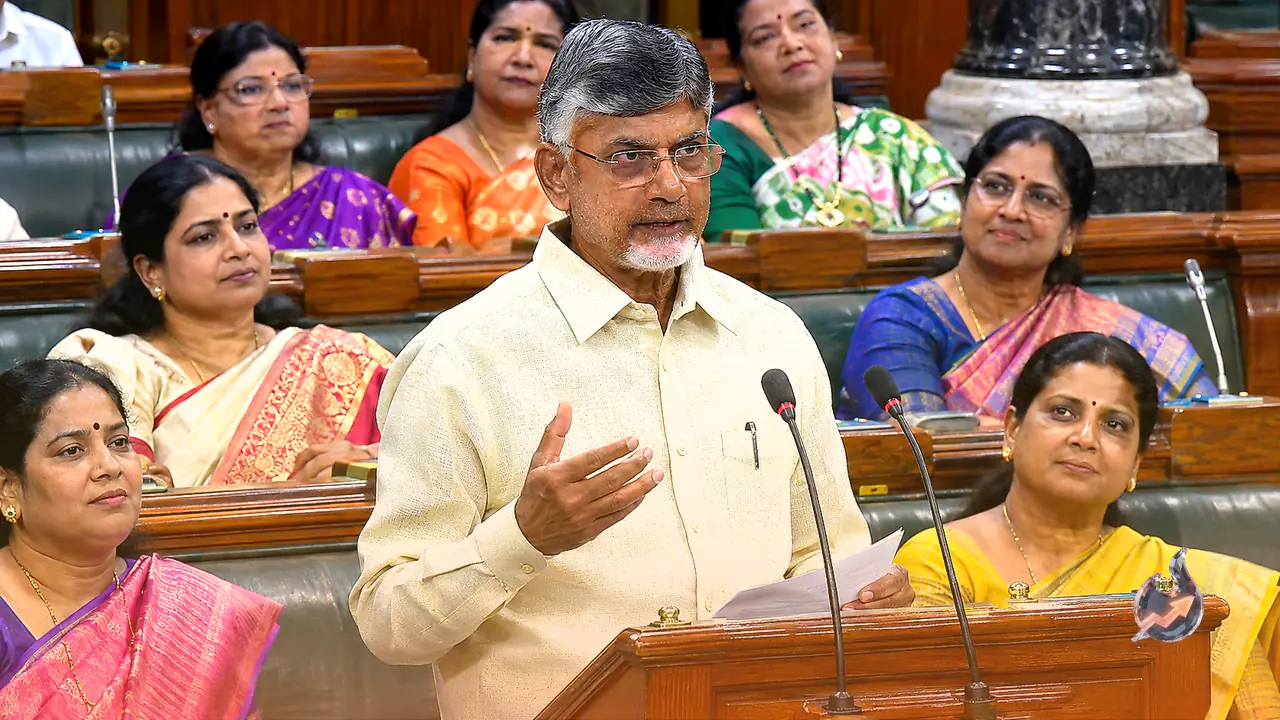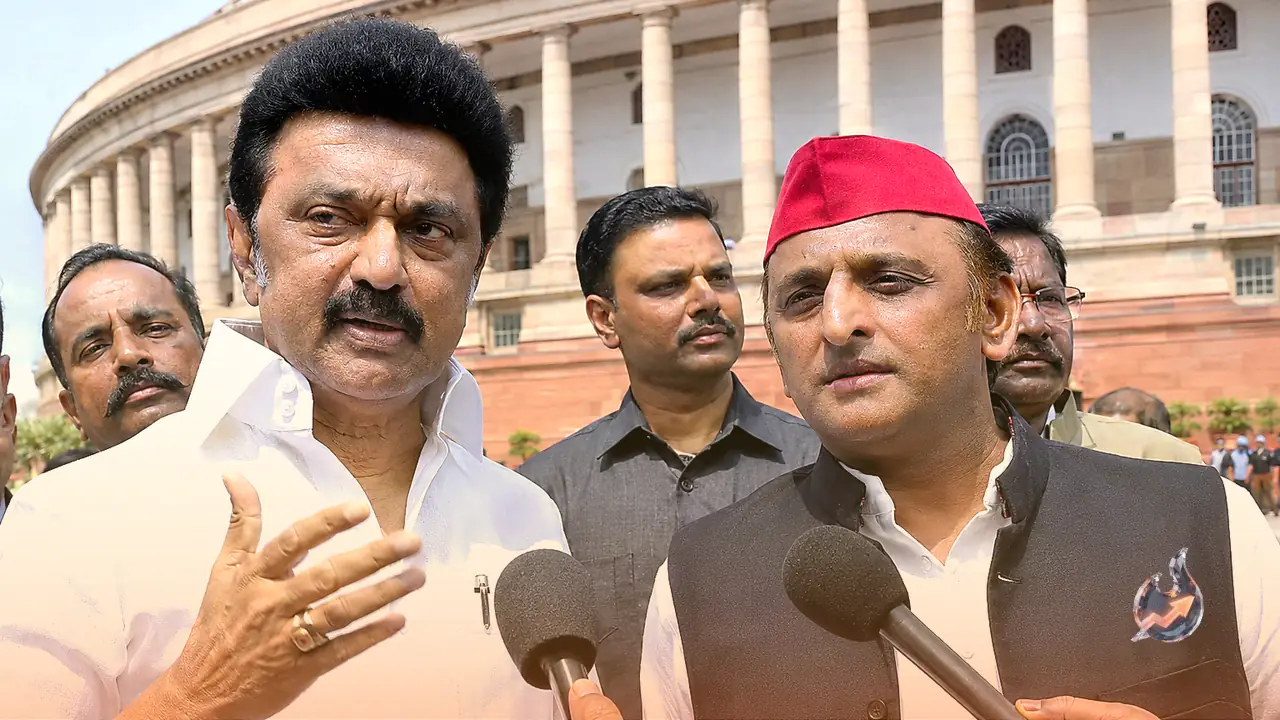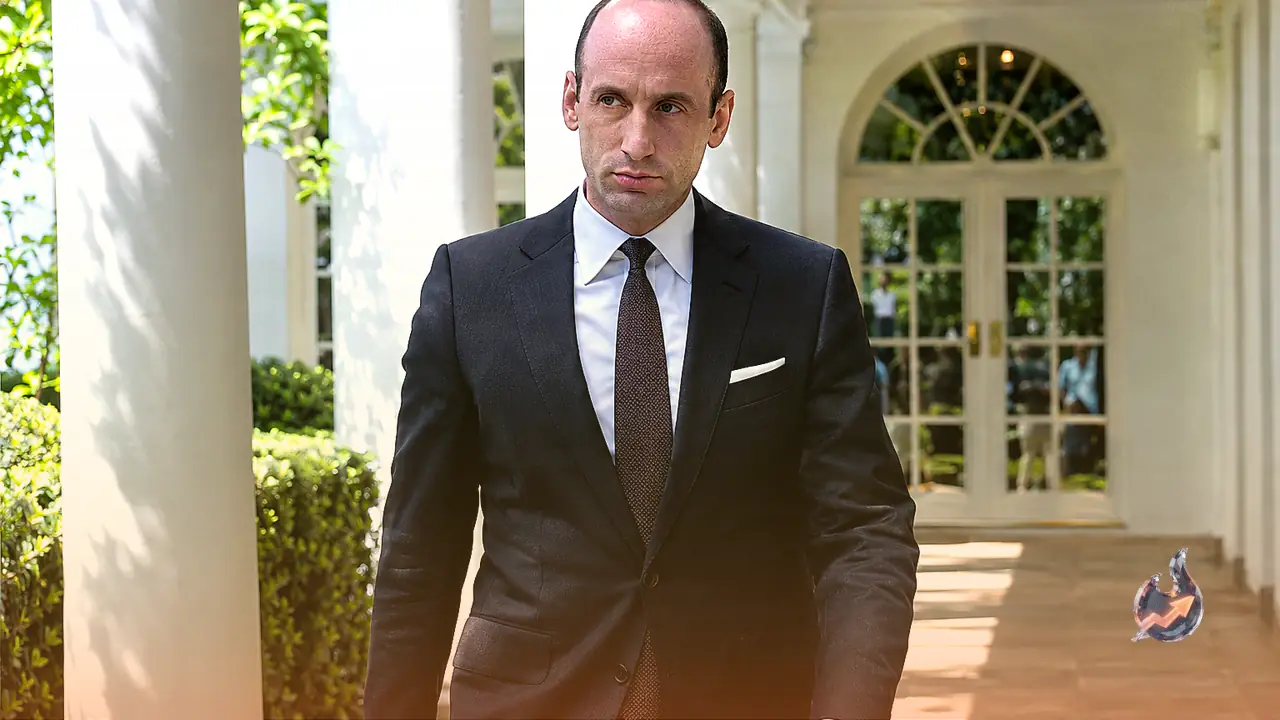

The latest US elections sent an unusually large group of health and science professionals into public office, making their expertise part of the political contest over health policy. The winners included doctors and scientists backed by 314 Action Fund, an organization focused on electing pro-science candidates.
During this cycle, the group spent above $30 million on campaign donations and other support, including fundraising for individual contests. Founder Shaughnessy Naughton said the fund raised $3.6 million for pediatrician Andrews in South Carolina’s contest for the Senate seat previously held by Lindsey Graham. It also raised $3 million for physician Acton’s campaign in the closely fought Ohio governor race.
A strong showing in Congress and local races
The organization’s congressional success rate exceeded 80 percent this cycle. Fourteen of the 17 candidates it backed for the US House won their races, and hundreds of supported candidates prevailed in down-ballot contests. Nine of those races changed hands from Republican to Democrat.
The candidates who flipped districts this year brought a range of professional experience into politics. Their backgrounds included oncology nursing, mathematics, microbiology, nuclear engineering and agricultural science. Naughton described the result as an election shaped by health care.
Richard Frank, director of the Brookings Institute’s Center on Health Policy, says doctors and scientists have long served in Congress, but their numbers have rarely arrived in such a concentrated wave. He connects the increase to hostility toward medical and technical expertise during the Trump administration. Frank said that science had come under attack and that some scientists responded by running for Congress.
Policy choices and public health concerns
Historian Kristoffer Shields, who runs Rutgers University’s Eagleton Institute of Politics, points to more than one force behind the trend. He cites federal cuts to laboratories and scientific research as one factor that may have pushed people toward campaigns. He also sees the pandemic’s lasting influence: many health care workers began paying closer attention to how political decisions affect public health.
Earlier this year, El-Sayed said his campaign centered on public health. He argued that the cyclospora outbreak that sickened Americans over the summer likely followed from choices made by the Trump administration. Referring to mass layoffs at the Food and Drug Administration directed by the so-called Department of Government Efficiency, he said, “We DOGE’d our whole service that keeps the lettuce safe.”
In 2024, 314 Action faced scrutiny over its earlier acceptance of money from groups linked to AIPAC, the pro-Israel lobbying group. The organization no longer accepts AIPAC funding. It backed candidates such as El-Sayed, who openly criticized the Israeli government.
314 Action has a more specific political focus than some other committees that seek to elect doctors, including the American Medical Association’s PAC. It works to elect Democratic health and science experts and openly opposes the Trump administration’s approach to public health.
Health expertise becomes a campaign issue
Many of the victorious candidates with scientific or technical experience have advocated for public health and the role of scientific expertise. Their results suggest that the election also amounted, in part, to a rejection of Health Secretary Robert F. Kennedy Jr.’s MAHA movement. The movement promotes medical misinformation, including anti-vaccine sentiment.
Several winners have said their concerns about health care policy led them to seek office. Microbiologist Jasmine Clark, Georgia’s incoming representative, said earlier this year that she was appalled to see infectious diseases spreading in communities after they had once been declared eradicated.
314 Action first backed Clark eight years ago, when she ran for Georgia’s House of Representatives. Naughton said Clark belonged to the first group of scientists the organization helped elect in the 2018 cycle, and that she has now advanced to federal office.
Shields says the direct communication style often associated with doctors and scientists may also help them connect with voters. Some of this year’s winners have been particularly blunt. In recent interviews, South Carolina’s Annie Andrews called RFK Jr. her “archnemesis” and pledged to hold him accountable.
Recruiting for the next round
Opposing RFK Jr.’s agenda is an explicit part of 314 Action’s stated mission. In 2025, the organization launched its Guardians of Public Health initiative to encourage health care experts to run for public office. Naughton said the group wanted to address doctors and public health professionals, including nurses, directly because it saw a “madman” leading the Health and Human Services cabinet.
The effort to recruit pro-science public servants is continuing. 314 Action plans to begin its next recruitment round later this month.