


















In representative democracy, public dissatisfaction against ruling administrations is frequently treated as an inescapable political rule, yet electoral history routinely demonstrates that political dynamics rarely follow a single scripted formula. Rahul Gandhi has repeatedly argued that anti-incumbency represents an inevitable political force across global democracies, expressing bewilderment that it appears completely blunted against the government led by Narendra Modi. To explain this disconnect, he has formulated theories pointing to alleged vote theft and stolen elections. Since the operational responsibility for conducting free voting rests squarely with the Election Commission of India, the poll watchdog has become the primary target of his criticism. He has directly challenged the commission's Special Intensive Revision (SIR) initiative, which was introduced to ensure clean electoral rolls, alleging that official machinery is actively colluding with the ruling administration to disenfranchise citizens.
Parliamentary Protests, Youth Mobilization, and Resignation Demands
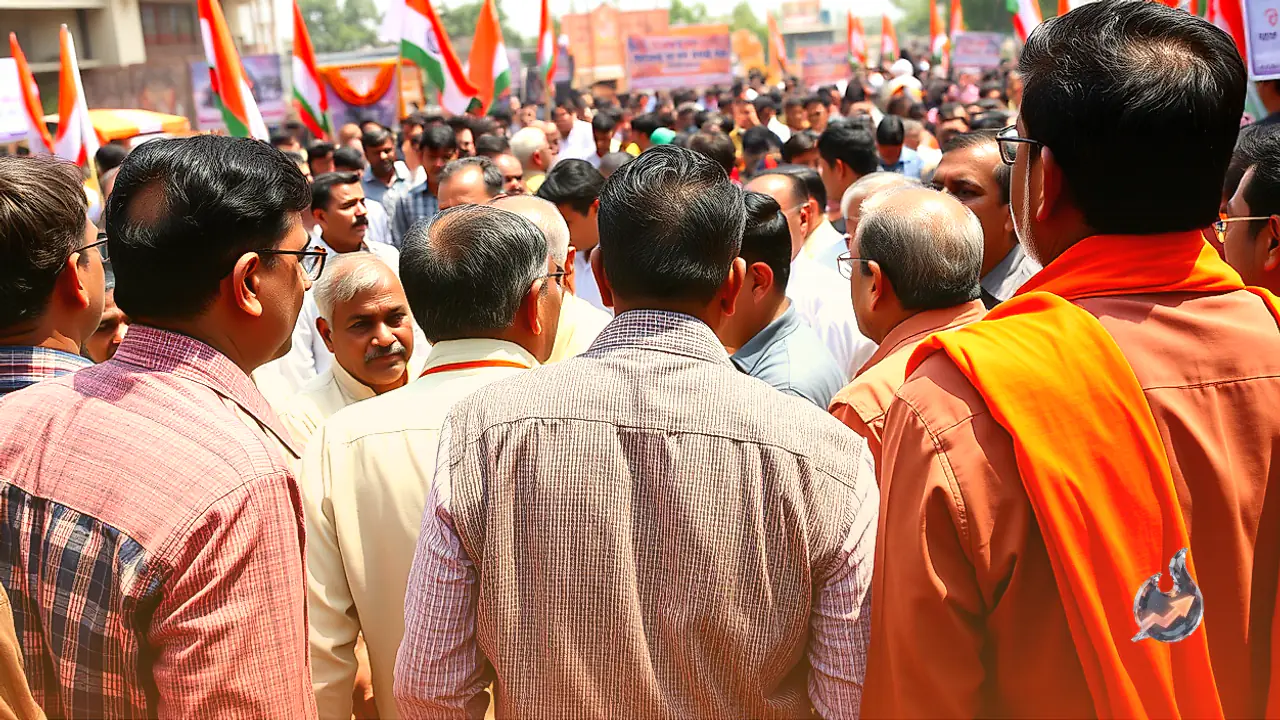
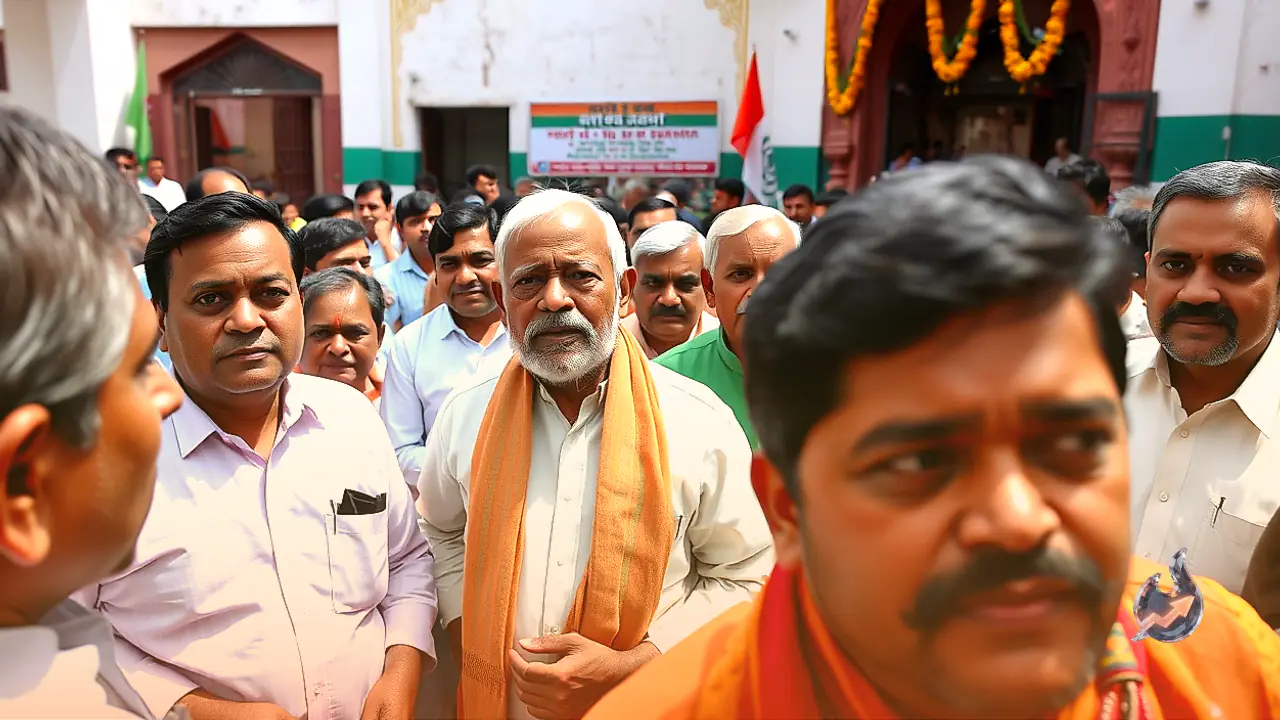
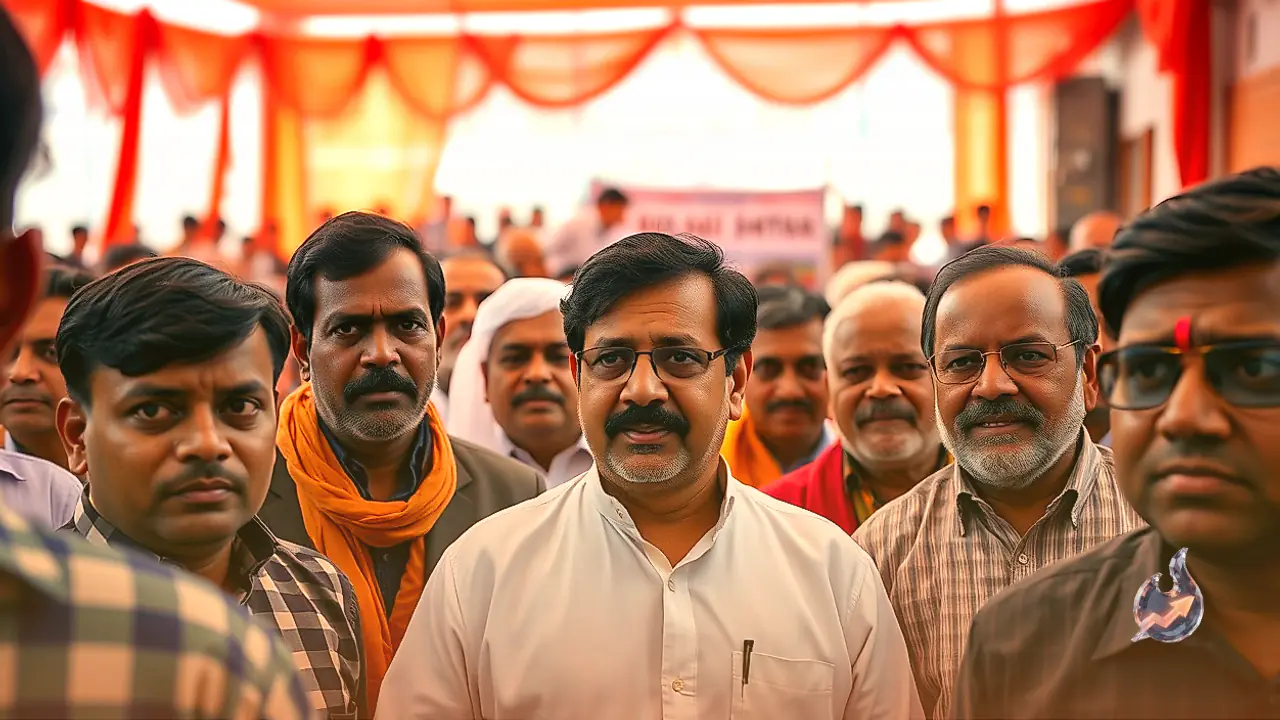
The opposition leadership has vigorously claimed that legitimate citizens are being systematically removed from voter lists under the guise of the SIR exercise. Notably, this revision drive by the Election Commission was formally examined and upheld as valid by the nation's highest court. Undeterred by the judicial verdict, the Congress party and several allied non-BJP political formations have taken their agitation from parliamentary chambers to public streets. A digital movement organized by the Cockroach Janata Party (CJP) has also mobilized Gen Z youth across online networks to amplify these demonstrations. This collective opposition front has mounted a coordinated nationwide agitation, refusing to back down until Chief Election Commissioner Gyanesh Kumar tenders his resignation.
The Theoretical Argument Around Inevitable Anti-Incumbency
Underpinning Rahul Gandhi's narrative is the conviction that anti-incumbency is a fundamental driver of democratic power transitions in India. In his assessment, popular fatigue against any ruling regime sets in remarkably quickly and spares nobody regardless of their standing. To substantiate his theory, he points to his grandmother, former Prime Minister Indira Gandhi, noting that even after leading the nation to a decisive victory in the 1971 Bangladesh war and reaching the pinnacle of national popularity, a fierce wave of anti-incumbency engulfed her government within just a couple of years. He questions why this pattern fails to disrupt the political trajectory of Narendra Modi, Amit Shah, and the Bharatiya Janata Party. Pointing to states such as Haryana, Maharashtra, Uttar Pradesh, Madhya Pradesh, and Gujarat, where power alternated for decades, he contends that the sudden disappearance of anti-incumbency points to systemic manipulation rather than genuine electoral preference.
Historical Evidence of Prolonged Tenures and Electoral Hat-Tricks
Viewing long-term incumbency as an inexplicable anomaly or an administrative conspiracy overlooks extensive precedents in Indian democratic governance. Following independence, the Congress party governed continuously at the Centre from 1947 to 1977 across three unbroken decades. During that formative era, Pandit Jawaharlal Nehru and Indira Gandhi secured repeated mandates, followed later by Rajiv Gandhi. When Sonia Gandhi stepped back to avoid political controversy, Manmohan Singh took the helm and served as Prime Minister continuously from 2004 to 2014. These prolonged tenures demonstrate that enduring incumbency has always been an achievable political outcome when backed by organizational reach and public mandate.
State Leaders Who Defied Voter Fatigue Across Decades
A closer examination of state elections further weakens the thesis that anti-incumbency cannot be overcome through standard electoral politics. Dozens of chief ministers across India have achieved hat-tricks and extended terms. In West Bengal, Mamata Banerjee served three consecutive terms as chief minister, while in Bihar, Nitish Kumar completed two continuous decades at the helm of state administration. In Odisha, Naveen Patnaik governed for five consecutive terms spanning from 2000 to 2024. Significantly, Narendra Modi himself achieved a hat-trick as Gujarat's chief minister between 2001 and 2012, consistently securing electoral mandates while the Congress-led United Progressive Alliance (UPA) held power at the Centre. Similarly, Mamata Banerjee secured successive victories in Bengal while the BJP governed at the Centre, establishing a third-term record before facing defeat against the BJP in 2026. In Chhattisgarh, Raman Singh completed three successive terms between 2003 and 2018.
Cross-Party Precedents Across India's Political Spectrum
Sustained political dominance across multiple election cycles has not been the exclusive domain of any single political entity. In Assam, Tarun Gogoi of the Congress party won three consecutive assembly elections in 2001, 2006, and 2011. In Delhi, Sheila Dikshit led the Congress administration across three successive terms from 1998 to 2008. In Madhya Pradesh, Shivraj Singh Chouhan retained power through repeated victories in 2003, 2008, and 2013. In Sikkim, Pawan Kumar Chamling governed for twenty-five straight years from 1994 to 2019, while Jyoti Basu preceded Mamata Banerjee in West Bengal with five uninterrupted terms from 1977 to 2000. In the Northeast, Manik Sarkar in Tripura, Neiphiu Rio in Nagaland, and Okram Ibobi Singh in Manipur each secured consecutive three-term mandates. These historical realities illustrate that anti-incumbency is far from an absolute law; leadership credibility, effective welfare delivery, organizational depth, and strategic opposition weaknesses ultimately determine electoral outcomes.