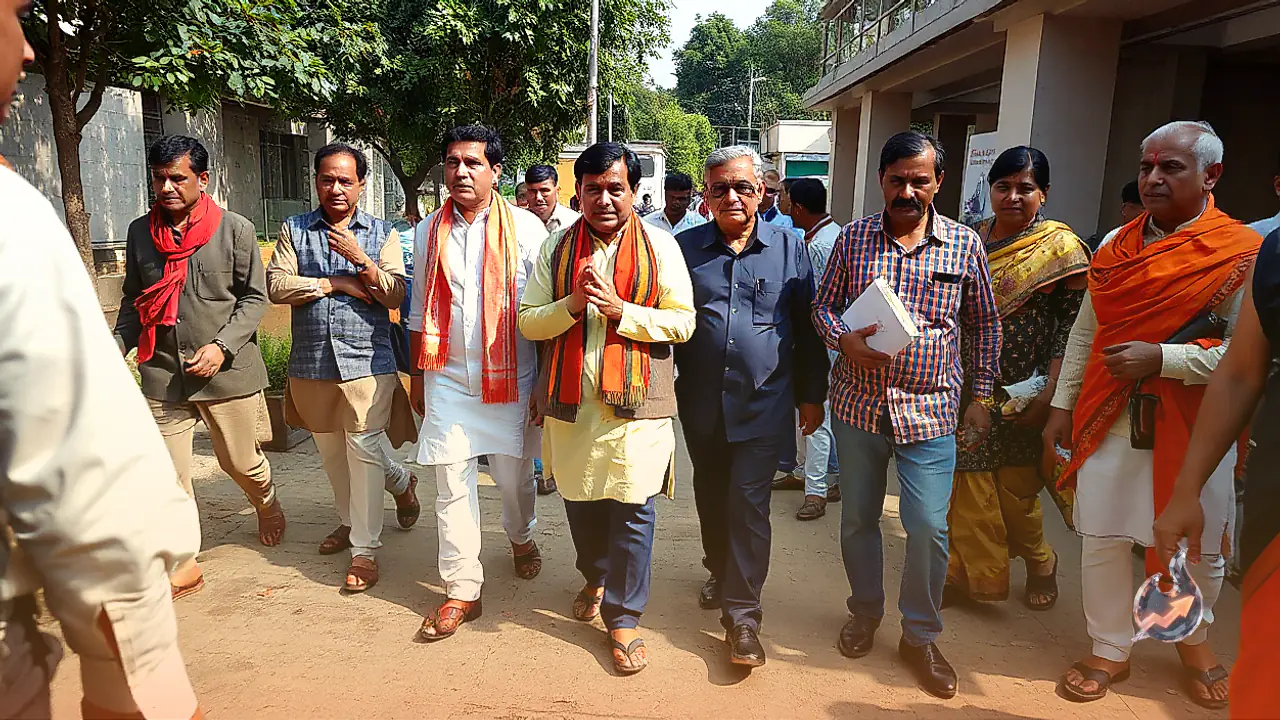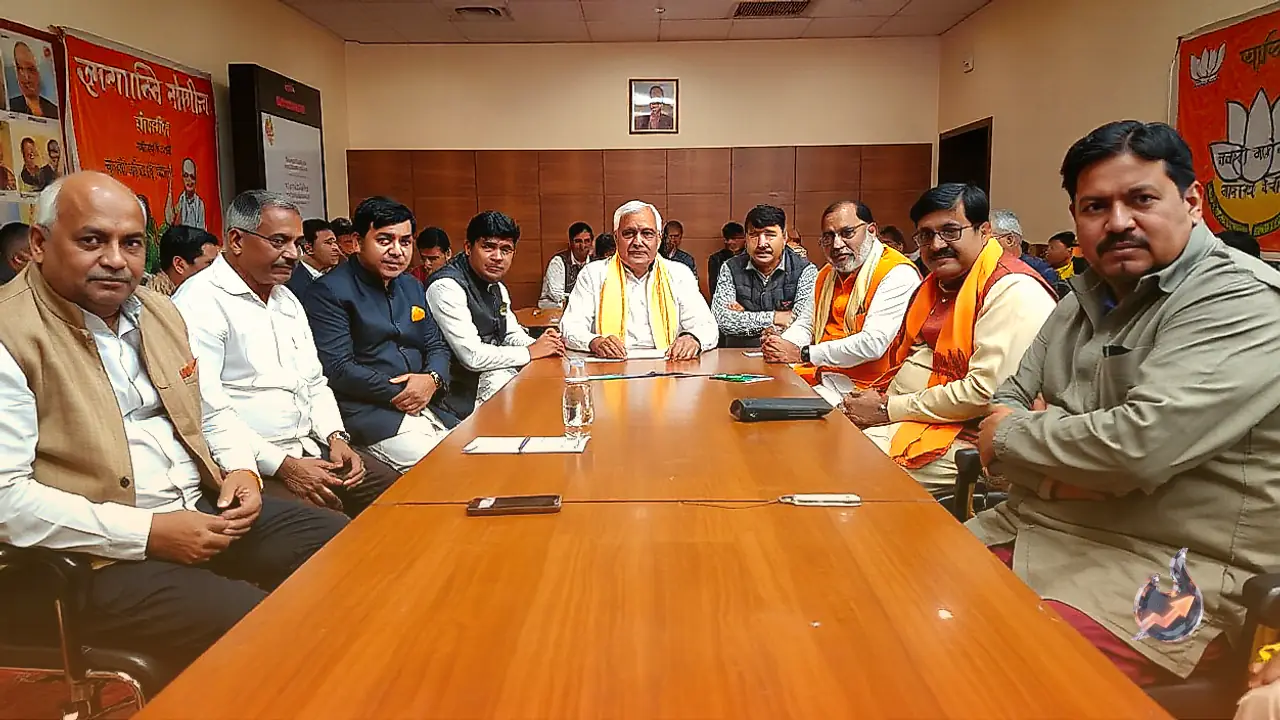

Amid preparations for the upcoming Uttar Pradesh assembly elections in 2027, political activities have sharply intensified between the Samajwadi Party and Congress. The biggest and most crucial question facing both political entities is precisely which formula will govern the distribution of constituencies and how many candidates each party will field at the polls. Political circles indicate that statements from Akhilesh Yadav have created considerable unease within both camps. Amid various circulating electoral mathematics involving figures such as 181, 100, 70, and 50 seats, leaders are striving to untangle the complex seat-sharing puzzle. To resolve these ongoing negotiations, a high-level meeting between senior representatives of both parties is scheduled for Monday, November 23. Analysts believe this vital gathering will address not only seat distribution but also broader electoral strategies and mutual coordination.
Imran Masood Outlines Joint Meeting Goals
Congress Member of Parliament and Uttar Pradesh Congress Working President Imran Masood addressed the media on Sunday to clarify the current political landscape. Speaking to the news agency ANI in New Delhi, he confirmed that a joint meeting of both parties is imminent. The primary objective of this session is to strengthen the alliance and formulate a unified strategy to secure an INDIA bloc government in Uttar Pradesh. Masood emphasized that seamless coordination between the Samajwadi Party and Congress is essential to achieve victory at the ballot box. His remarks suggest a concerted effort by the grand old party to iron out differences and keep alliance talks on track.
Shifting Tones and Uncertain Formulas
The notable warmth in Masood's recent remarks contrasts with the sharper tone he previously exhibited. His statements signal that both political organizations are currently in a receptive mood to advance discussions regarding seat distribution. However, neither camp has yet made an official public announcement confirming exact seat figures or a finalized sharing formula. Political observers note that both parties are proceeding with caution to prevent any premature announcements from damaging the budding coalition.
Addressing Rumors of 181 Contested Seats
Speculation regarding seat allocations has fueled various unverified claims across political circles and social media platforms over recent days. Following statements made by Akhilesh Yadav, viral social media claims suggested that Congress had submitted a list demanding 181 out of the 403 assembly seats in Uttar Pradesh from the Samajwadi Party. However, Imran Masood firmly dismissed these rumors, stating publicly that the assertions held no truth and that no such list of 181 seats had been formally presented.
Previous Discussions and Delayed Schedules
As early as November 17, Masood had already hinted that dialogue between the two partners would continue unabated. He noted at the time that top leadership from both the Samajwadi Party and Congress had previously engaged in discussions with Akhilesh Yadav. Subsequent talks were intended to build upon the draft framework established during those earlier deliberations. Nevertheless, a previously scheduled session between the two entities was postponed, elevating the importance of the upcoming Monday meeting for all stakeholders involved.
Akhilesh Yadav's Winability Criterion
Samajwadi Party President Akhilesh Yadav has previously articulated his firm stance regarding seat distribution, asserting that constituency allocations must be determined strictly on the basis of winability. In practical terms, this means that whichever party maintains a stronger organizational foothold in a specific assembly constituency should be given the opportunity to contest that seat. While this criterion sounds straightforward in theory, implementing it uniformly across the state presents genuine operational challenges for both parties, as overlapping claims may emerge in several constituencies.
Local Dynamics and Broader Political Issues
Combining forces requires weighing multiple factors beyond sheer winability, including local party organization strength, historical electoral performance, candidate popularity, and intricate caste and social equations. Navigating these variables requires delicate negotiations. Alongside seat discussions, Masood recently criticized the ruling Bharatiya Janata Party over prevailing conditions in Ayodhya and funds collected for the Ram Mandir construction. This indicates that Congress intends to pair its alliance strategy with sharp political attacks against the ruling party during the campaign.
Anticipation Surrounding the November 23 Talks
Currently, attention from both the Samajwadi Party and Congress remains firmly fixed on the decisive deliberations set for November 23. While the Samajwadi Party seeks to protect its stronghold seats, Congress hopes to secure a respectable share of constituencies to rebuild its political footprint in Uttar Pradesh. Consequently, the outcome of the November 23 meeting will likely reveal the extent of consensus reached between Akhilesh Yadav and central Congress leaders. The core question remains whether both parties can successfully forge a cohesive formula in time to project a united electoral front rather than internal friction.