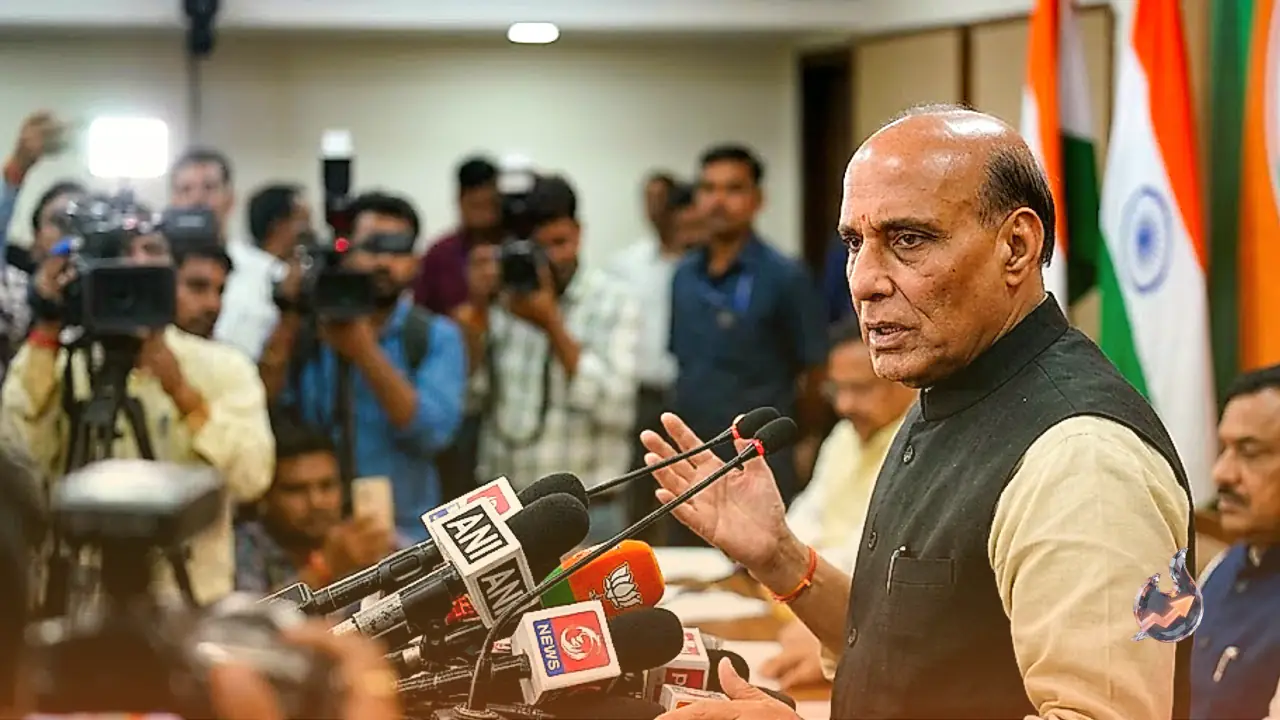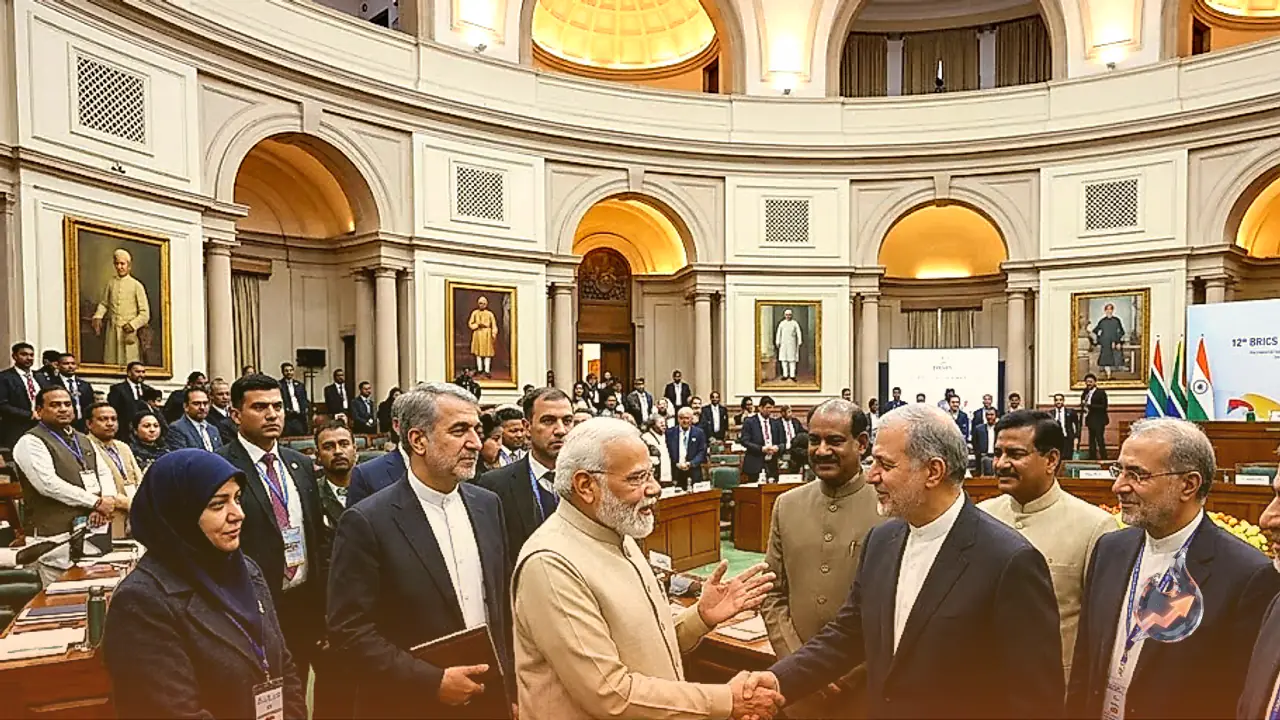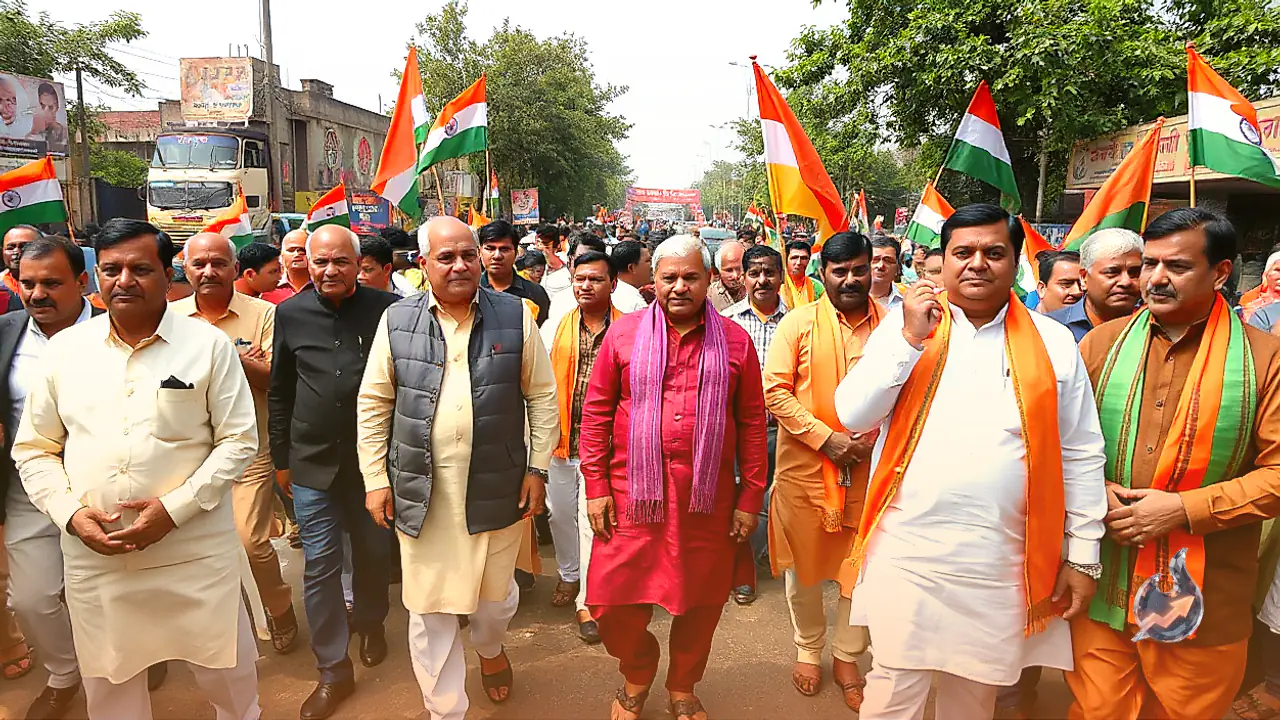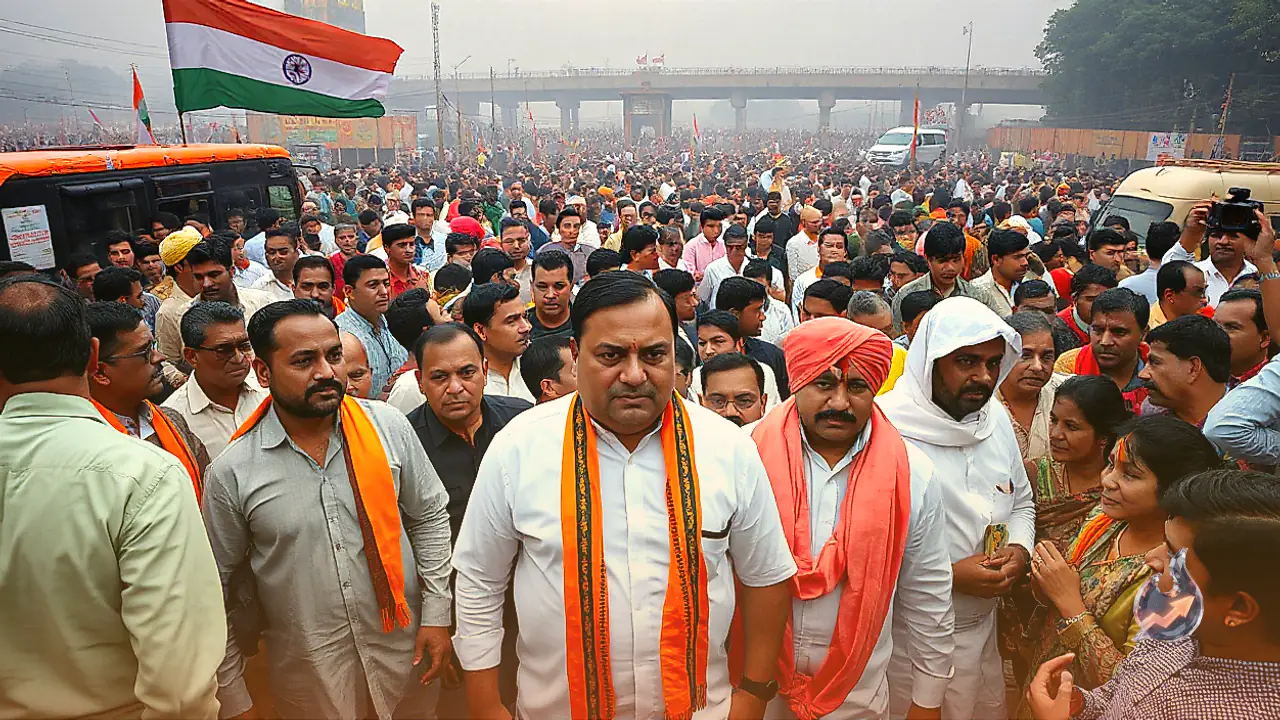




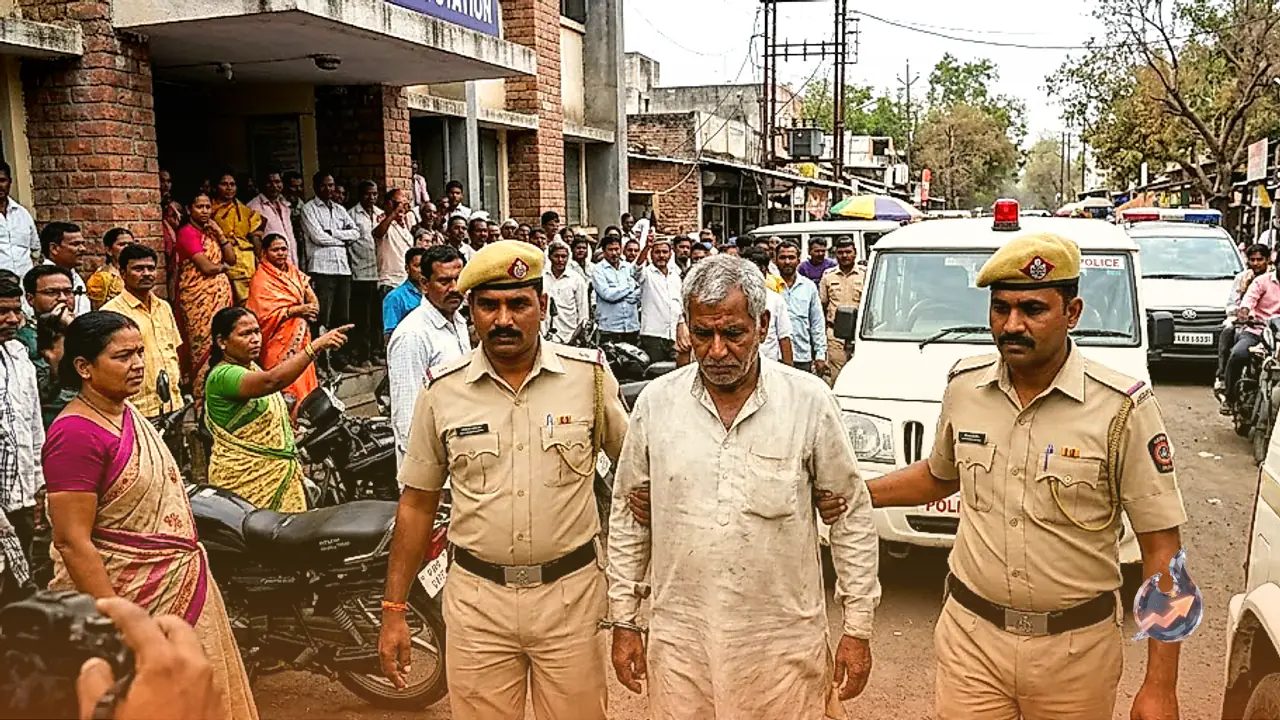

















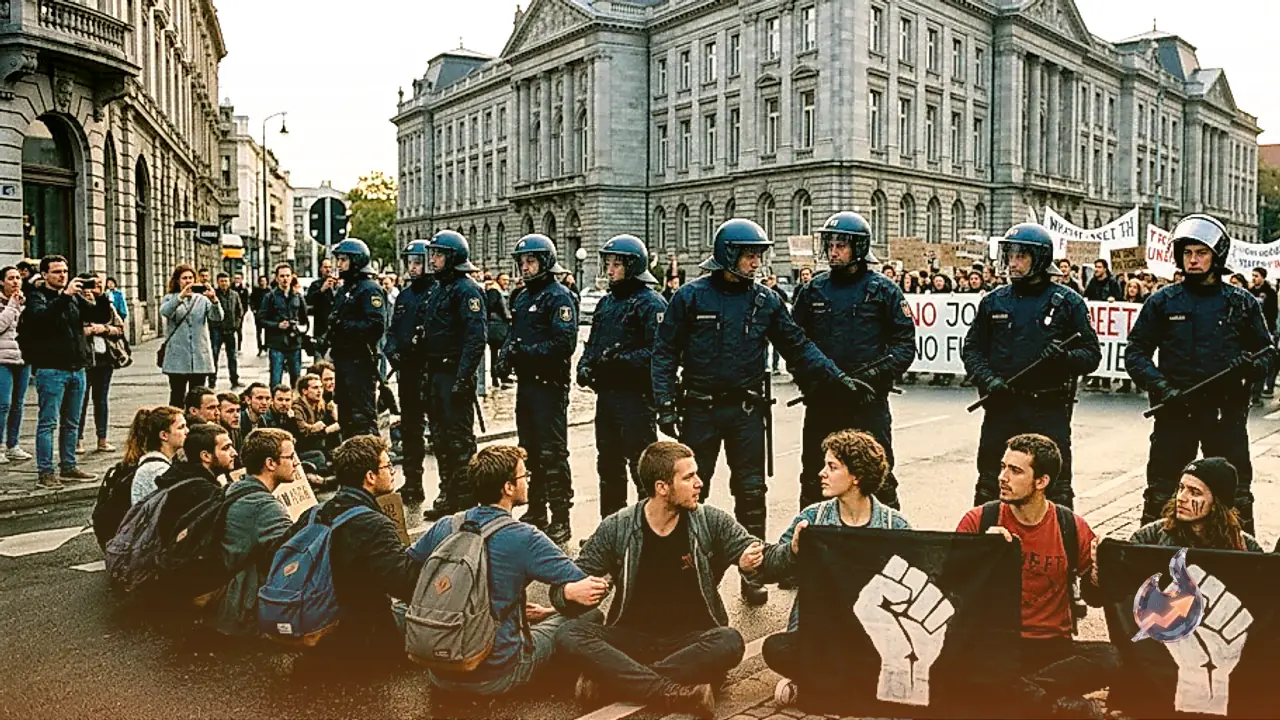

The resignation of Education Minister Dharmendra Prakash has become a major focal point of discussion, overshadowing foundational issues like NEET and paper leaks. Opposition figures and activist groups view this development as a significant political milestone. At first glance, this assessment appears accurate, as a prolonged agitation successfully achieved one of its primary demands. However, politics is far from a simple tally of wins and losses. The true weight of any major political decision often extends well beyond its immediate fallout. Consequently, viewing this entire sequence solely through the lens of a single minister stepping down misses the bigger picture. A broader perspective requires examining how governments react during massive public movements, and how those official reactions frequently dictate the ultimate trajectory of the protest itself. For any administration, the greatest vulnerability is rarely the initial dissent, but rather its own handling of that opposition.
The Serbian Roots of Modern Resistance
To fully understand this strategic framework, one must travel back to the late 1990s in Serbia. At that time, President Slobodan Milosevic held a seemingly unshakeable grip on power. While underlying discontent simmered across the population, the prevailing public consensus was that removing him through conventional means was virtually impossible. Amidst this climate of resignation, a group of university students launched a movement known as Otpor in October 1998. In the Serbian language, Otpor translates directly to resistance. The initiative began primarily as a localized pushback against tightening government control over higher education. Following a controversial University Law enacted in May 1998, the autonomy and free speech of Belgrade University had been severely curtailed, prompting students to organize.
Shifting Focus from Campus to Regime Change
As time progressed, the scope and ambition of the organization underwent a fundamental transformation. The movement pushed aside narrow campus grievances to center its entire mission on unseating President Slobodan Milosevic. The organizers firmly believed that meaningful solutions to any domestic problem were unattainable without a foundational political overhaul. Yet, Otpor faced a daunting strategic dilemma. The students quickly recognized that engaging in direct violent confrontations with state police or authorities would allow the government to deploy its overwhelming apparatus to easily crush the uprising. Instead of direct clashes, they opted for an ingenious tactical approach designed to inflict political damage on the state precisely through its own reactions. This mindset laid the groundwork for one of the most influential strategies in modern nonviolent resistance.
Decoding the Mechanics of Dilemma Action
The activists drew deep inspiration from the nonviolent resistance frameworks outlined by American political theorist Gene Sharp. Sharp argued that a government's true power does not stem solely from its military, police, or bureaucracy, but ultimately relies on public cooperation, voluntary compliance, and institutional support. When citizens withdraw their cooperation en masse through peaceful means, even the most formidable regime begins to fracture. Closely tied to this concept is political jiu-jitsu, a principle suggesting that aggressive state crackdowns on peaceful demonstrators often backfire spectacularly. In such scenarios, public sympathy swings decisively toward the protesters, governmental legitimacy crumbles, and the movement gains unprecedented moral and political backing.
Trapping the State in a No-Win Scenario
Drawing from these principles, organizations like CANVAS, founded by former Otpor members, refined what became widely known as dilemma action. In essence, dilemma action aims to corner a government into a situation where it has no favorable political escape routes. The strategy relies on staging creative, peaceful, and highly symbolic protests that capture public attention instantly, dominate media discourse, and compel official reactions. Once staged, the ruling administration typically faces two unattractive alternatives. If officials choose to ignore the demonstration, they project an image of weakness and vulnerability. Conversely, if authorities deploy heavy-handed tactics against peaceful participants, they immediately invite accusations of oppression, driving public sympathy squarely toward the opposition.
The Lasting Legacy of Strategic Resistance
Regardless of the path chosen, the government incurs guaranteed political damage, hence the designation dilemma action. Otpor did more than merely deploy this tactic; they systematically refined it into a scalable model of political activism. Following the fall of Milosevic, co-founder Srdja Popovic and his peers established a structured hub to train civic groups and student activists worldwide in democratic campaigning and nonviolent resistance methodologies.