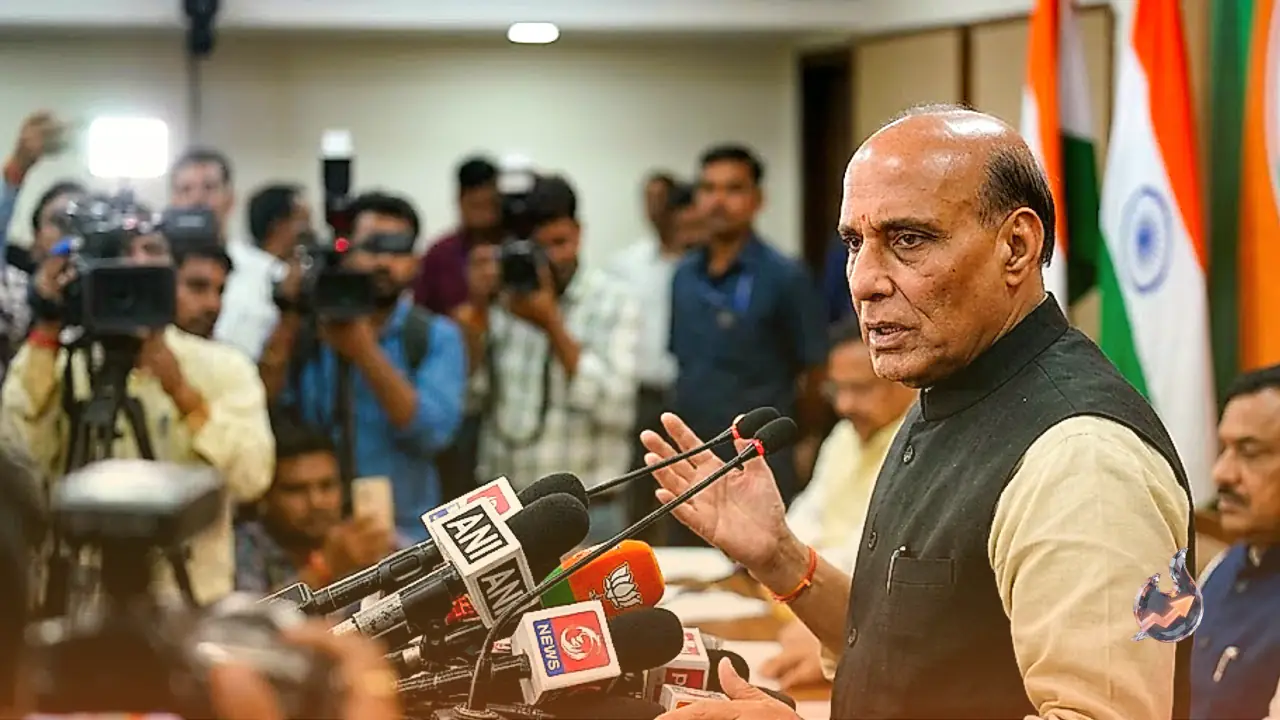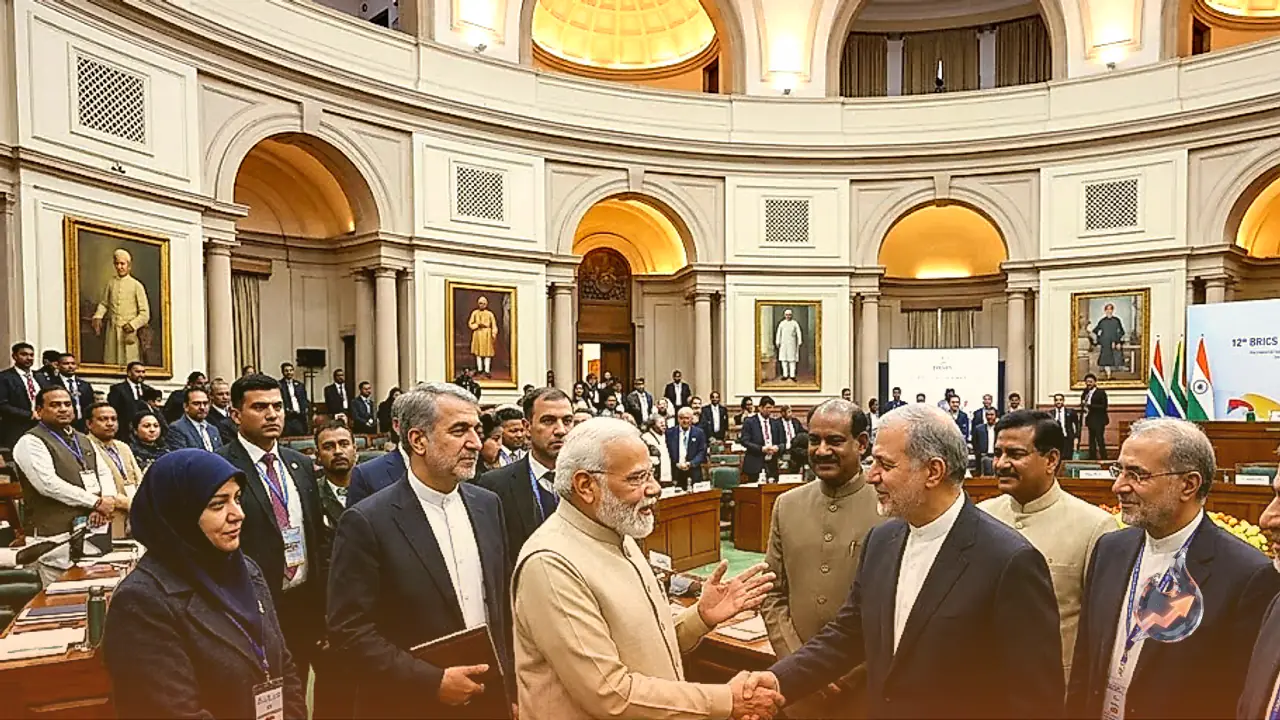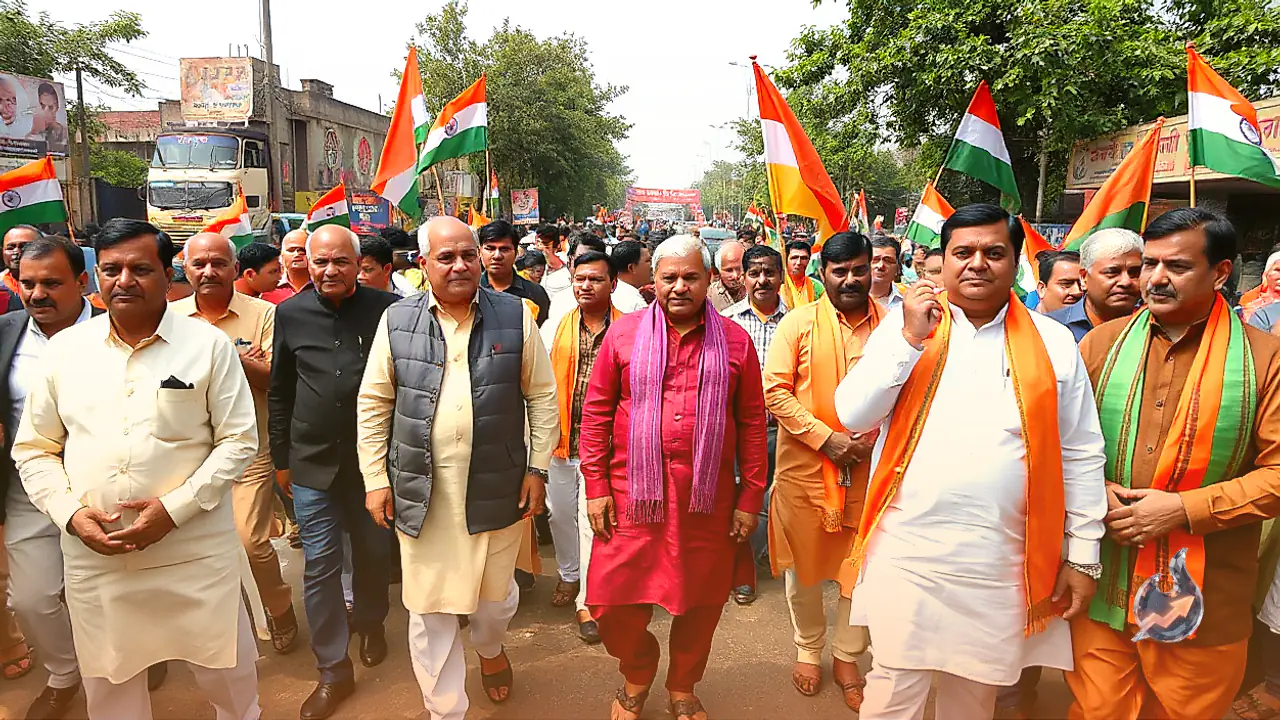

















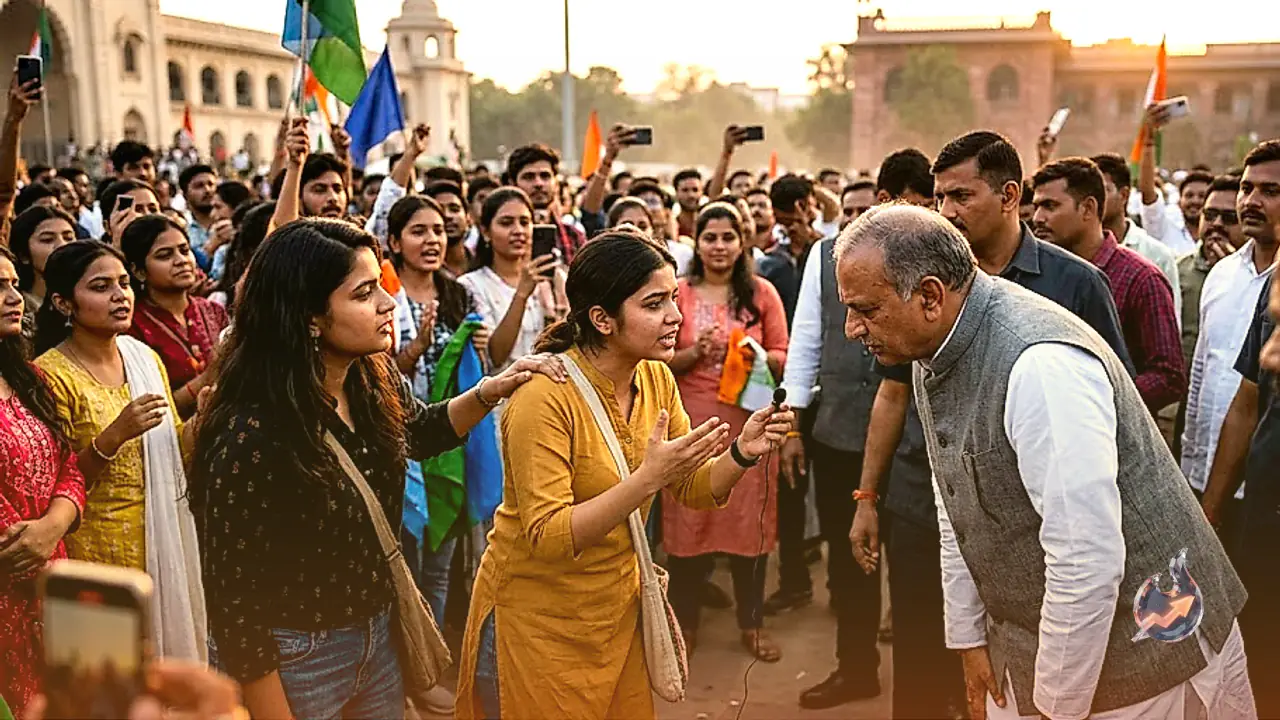

A fundamental shift is taking place within Indian electoral politics as political organizations increasingly recalibrate their traditional campaign machinery toward a new demographic segment. The rise of Generation Z—young citizens raised alongside mobile devices, high-speed internet, and artificial intelligence—has introduced fresh variables into voter behavior. The recent student protest organized at Jantar Mantar in New Delhi by the Cockroach Janta Party (CJP) regarding National Eligibility cum Entrance Test (NEET) examination paper leaks underscored the political impact of youth mobilization. As seven key states prepare for assembly elections in 2027, including Uttar Pradesh, Punjab, and Gujarat, political strategists are treating this upcoming electoral cycle as a definitive test of youth voting influence.
State-by-State Breakdown of the 18 to 29 Demographic
Demographic estimates indicate that citizens aged between 18 and 29 years account for approximately 22.78 percent of India's total population. Given the size of this block, its voting choices hold the potential to alter election outcomes across diverse regions. The proportion of young electors in the seven states scheduled for polls in 2027 reveals a substantial concentration of first-time and early-career voters.
In Uttar Pradesh, the nation's most populous state, citizens in the 18 to 29 age bracket comprise roughly 21.19 percent of the population. In Gujarat, this figure stands higher at approximately 23.32 percent. The northern state of Punjab records a youth demographic share of about 21.44 percent. Among hill states, Uttarakhand registers 22.18 percent and Himachal Pradesh accounts for 21.91 percent in this age group. Furthermore, Manipur reports a youth voter share of 23.74 percent, while Goa stands at 19.60 percent. These figures demonstrate why electoral outcomes in these regions depend significantly on engaging the youth electorate.
Narendra Modi's Digital Outreach and High-Tech Focus
Prime Minister Narendra Modi has increasingly adopted modern communication channels to connect with younger audiences directly. By incorporating front-camera selfie videos and Instagram Reels into public communication, the strategy aims to engage citizens on platforms where they actively spend time and consume content.
Parallel to digital engagement, economic policy announcements are being framed around employment opportunities in emerging technological sectors. During a visit to Vadodara in Gujarat, Prime Minister Narendra Modi unveiled development projects valued at over Rs 35,000 crore. In his address, he emphasized the critical need for India to establish global leadership in artificial intelligence, semiconductor manufacturing, data centers, and advanced technology infrastructure, linking these initiatives directly to future career prospects for young professionals.
Rahul Gandhi's 'Chhatron Ki Goonj' Campaign and Student Outreach
Congress leader Rahul Gandhi has similarly prioritized student engagement through organized public campaigns. His 'Chhatron Ki Goonj' initiative has focused on pressing concerns such as competitive examination leaks, recruitment delays, systemic transparency, and job creation.
Preparations for the upcoming 'Chhatron Ki Goonj' gathering in Indore on September 19 have reportedly drawn over 75,000 registrations. This level of participation reflects strong public interest among young citizens regarding educational governance and employment prospects, prompting opposition figures to continuously challenge official policies on these topics.
RSS Outreach Strategy and Ideological Engagement
The imperative to engage Gen Z extends beyond political parties to major social organizations. The Rashtriya Swayamsevak Sangh (RSS) has placed increased emphasis on maintaining continuous dialogue with younger generations. Outreach efforts led by RSS chief Mohan Bhagwat across interaction platforms represent an effort to cultivate sustained ideological alignment among youth, focusing on long-term civic engagement rather than short-term electoral gains.
Ideological Debates and Social Media Dynamics
Political rivalry between competing parties has expanded into digital narratives and online debate. During his Independence Day speech from the Red Fort on August 15, Prime Minister Narendra Modi introduced the phrase 'Dimagi Naxal', a point he subsequently reiterated during an address at Shri Ram College of Commerce (SRCC), Delhi University. The statement drew criticism from opposition figures, with Rahul Gandhi responding through social media posts to counter the government's stance.
Because digital platforms enable viral posts, trending hashtags, and online commentary to shape public debate within hours, the battle for youth support will involve both ground-level organizational work and real-time digital messaging heading into the 2027 state elections.