

















Political activity in India's most populous state has scaled up significantly as parties begin preparing for the upcoming assembly elections. Following the shifting political dynamics observed in recent national polls, major political organizations are recalibrating their approach to secure a firm footing in the region. Recent high-level discussions in the national capital underline a concerted effort to streamline coordination between central leadership and state administrators, signaling a united front ahead of the electoral battle.
High-Level Consultations and Unified Strategy
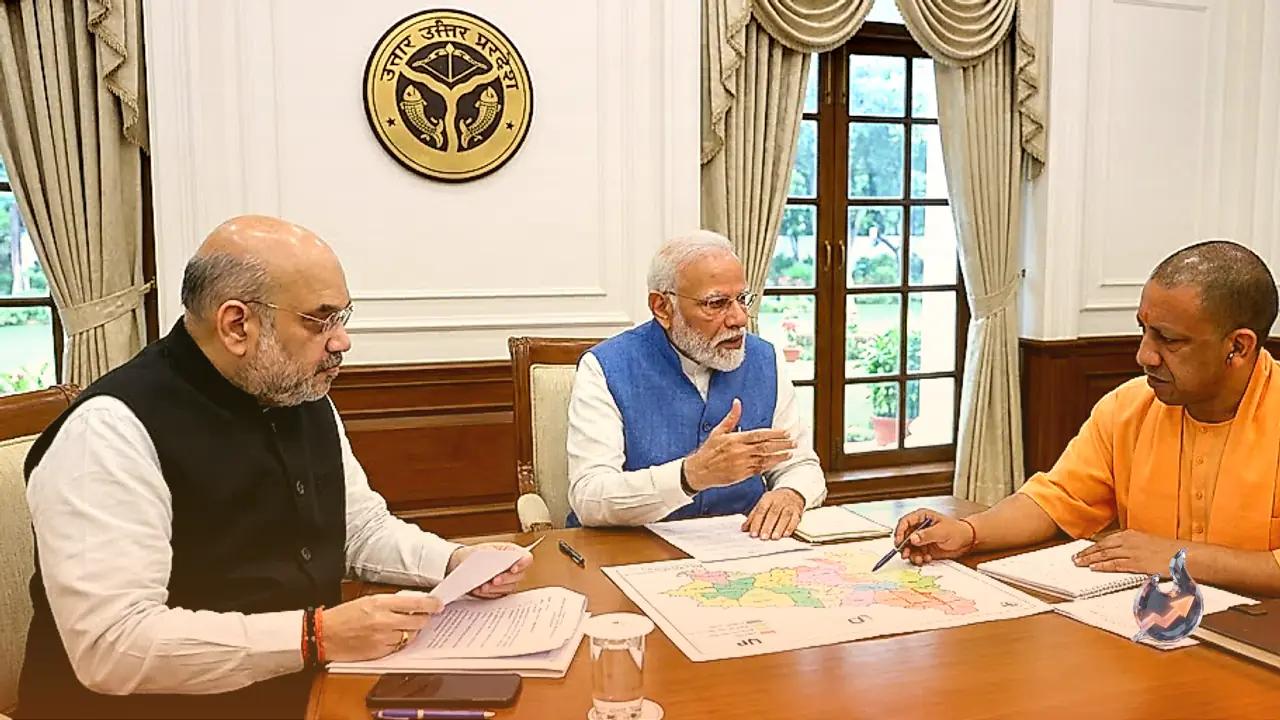
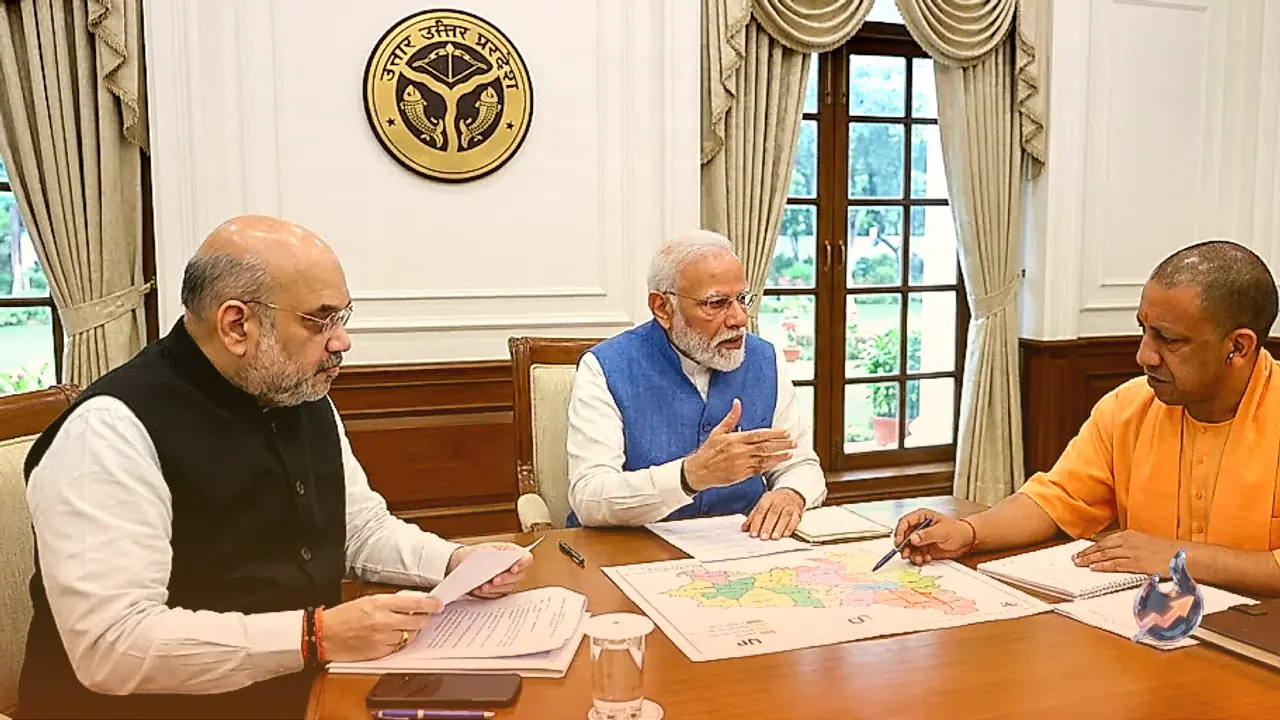
Recent interactions between Prime Minister Narendra Modi and Chief Minister Yogi Adityanath at the official residence in New Delhi mark a crucial step in shaping the political roadmap for the region. Consultations involving Home Minister Amit Shah and party chief JP Nadda further reinforce the leadership's intent to resolve any internal friction and present a cohesive administrative and political framework. These strategic engagements are designed to align all factions toward a single objective as the state moves closer to the electoral cycle.
Upcoming Legislative Council and Upper House Contests
Before the main assembly showdown commences, the state is slated to witness crucial electoral tests through upcoming vacancies in the upper house of parliament and the legislative council. The schedule announced for these polls sets the stage for an early assessment of legislative numbers and inter-party dynamics. Political observers view these imminent contests as a preliminary litmus test that will influence alliance formations and floor management well before voters head to the polling booths.
Opposition Moves and Regional Alignments
Meanwhile, opposition parties are also actively mobilizing their support bases across various districts. The launch of outreach campaigns by opposition figures indicates an aggressive approach to consolidate regional support. However, questions remain regarding seamless coordination among various anti-ruling factions as smaller regional outfits and independent entities also attempt to carve out distinct vote banks, setting up a multi-cornered contest across the state.