



















India has raised strong objections at the United Nations against a recent report focusing on youth rights and public demonstrations. The Indian representative firmly dismissed the assertions made in the document, stating that it is entirely wrong to accuse the country's entire youth population based on anonymous and unverified claims. Describing the publication as little more than a collection of rumors dressed up as an official report, India questioned both the methodology and the impartiality of the special rapporteur who authored it. The report, prepared by UN special rapporteur Gina Romero, had alleged that young people in India face potential social stigma or punitive actions when voicing their opinions on matters such as gender justice and mental health.
The Matter Raised at the UN General Assembly
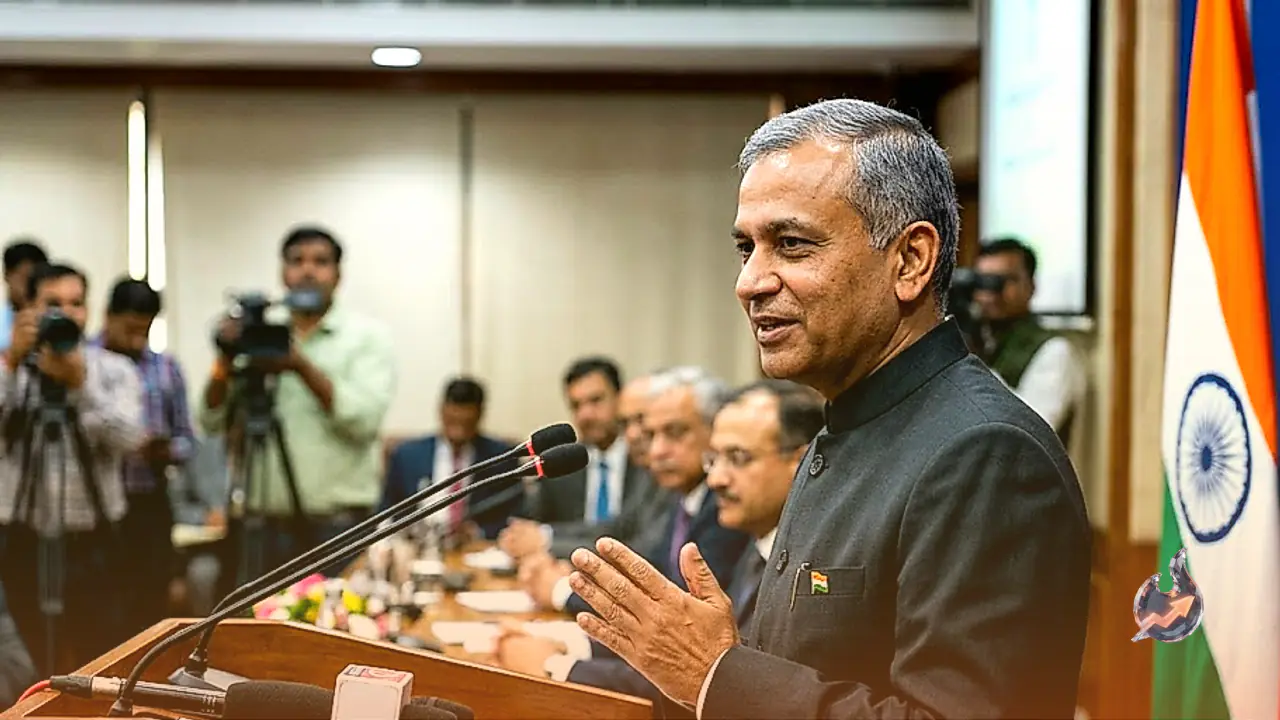
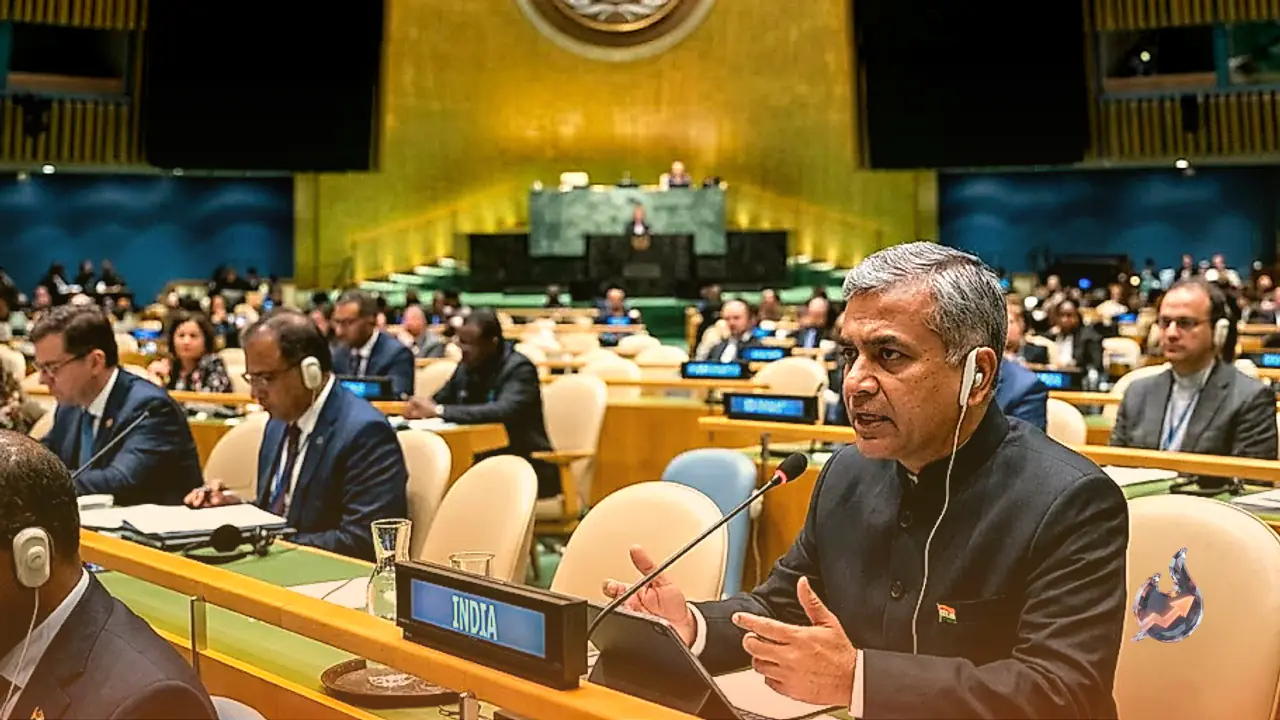
The issue came to light during the 81st session of the Third Committee of the United Nations General Assembly. India presented its formal position during an interactive dialogue with the special rapporteur regarding the freedom of peaceful assembly and association. First Secretary Anuj Swaraj pointed out that the Indian Constitution guarantees every citizen the freedom of speech, expression, assembly, and association. He also drew attention to the country's independent judiciary, free press, and the National Human Rights Commission. The Indian delegation emphasized that verifying facts is essential before leveling accusations against any sovereign nation, while also highlighting the active political movements and continuous engagement of Indian youth with the government.
Questions Raised Over UN Credibility
Criticizing the document further, Anuj Swaraj noted that drafting reports in such an arbitrary manner is precisely why the United Nations and its affiliated bodies have seen a decline in their credibility. He stressed that broad allegations directed against the world's largest youth population rely entirely on anonymous and unsubstantiated claims. Labeling it as a compilation of hearsay rather than genuine evidence, the delegation formally rejected the findings in their entirety. India maintained that serious accusations in any formal report demand rigorous facts and impartial investigations rather than conclusions drawn from hidden sources.
Examples of Youth Political Movements Highlighted
The Indian diplomat also questioned the inclusion of a satirical political movement created by Indian youth within the report. He pointed out that the document itself acknowledges how young citizens formed a political movement, raised questions against authorities, marched all the way to the capital, and sat down for direct discussions with national leaders. Referencing a statement made by the UN High Commissioner for Human Rights from the previous month, Swaraj reminded the assembly that engaging directly with young leaders yields far better results in youth-led movements, an insight he suggested the special rapporteur may have overlooked.
Defense of Government Action on NEET Paper Leak
Addressing the protests that erupted following the NEET paper leak in July, Anuj Swaraj defended the administration's proactive response. He explained that Parliament introduced comprehensive legislation to overhaul the examination framework and doubled the penalties for paper leak offenses. India framed these measures as democratic actions taken to resolve structural issues. He added that Prime Minister Narendra Modi and various cabinet ministers regularly interact with young citizens directly and through social media channels. Concluding the address, India urged the special rapporteur to verify facts rigorously before issuing condemnations and to uphold necessary standards of seriousness and impartiality.
Core Allegations Contained in the UN Report
The report by special rapporteur Gina Romero emerged amid youth demonstrations directed against Chief Election Commissioner Gyanesh Kumar. Those protests involved questions regarding names being omitted from electoral rolls and alleged manipulations in voter lists. The document asserted that despite a rich history of democratic movements, young people in India encounter state repression, violence, digital surveillance, and legal hurdles. It further claimed that while authorities and international bodies publicly praise youth involvement, critical voices face systematic suppression. India has completely rejected these conclusions, turning the spotlight onto the credibility and verification standards of international monitoring bodies.