
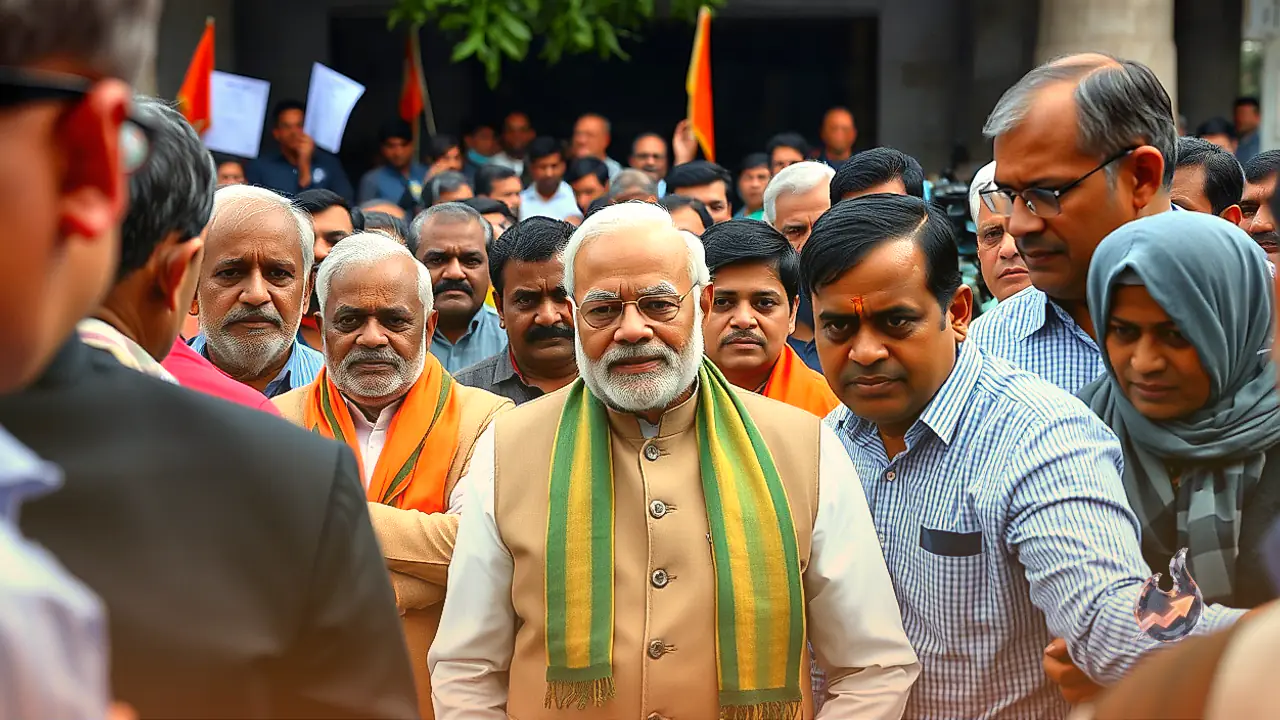

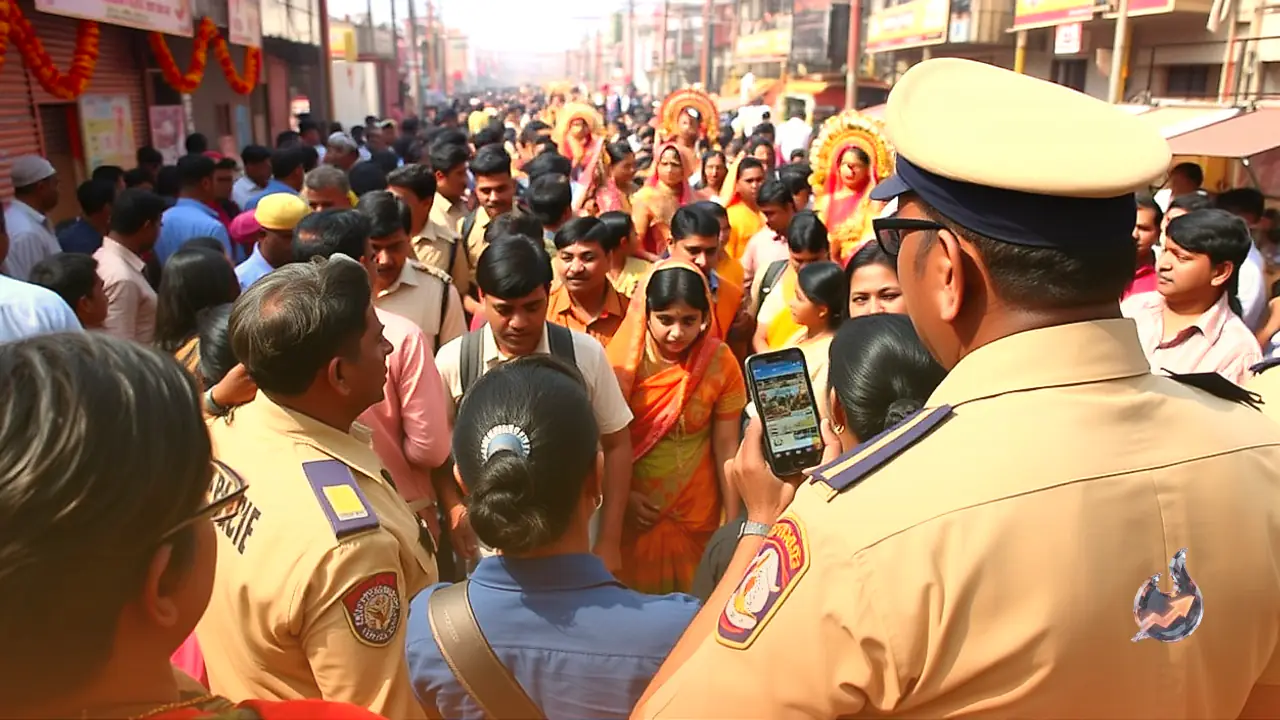

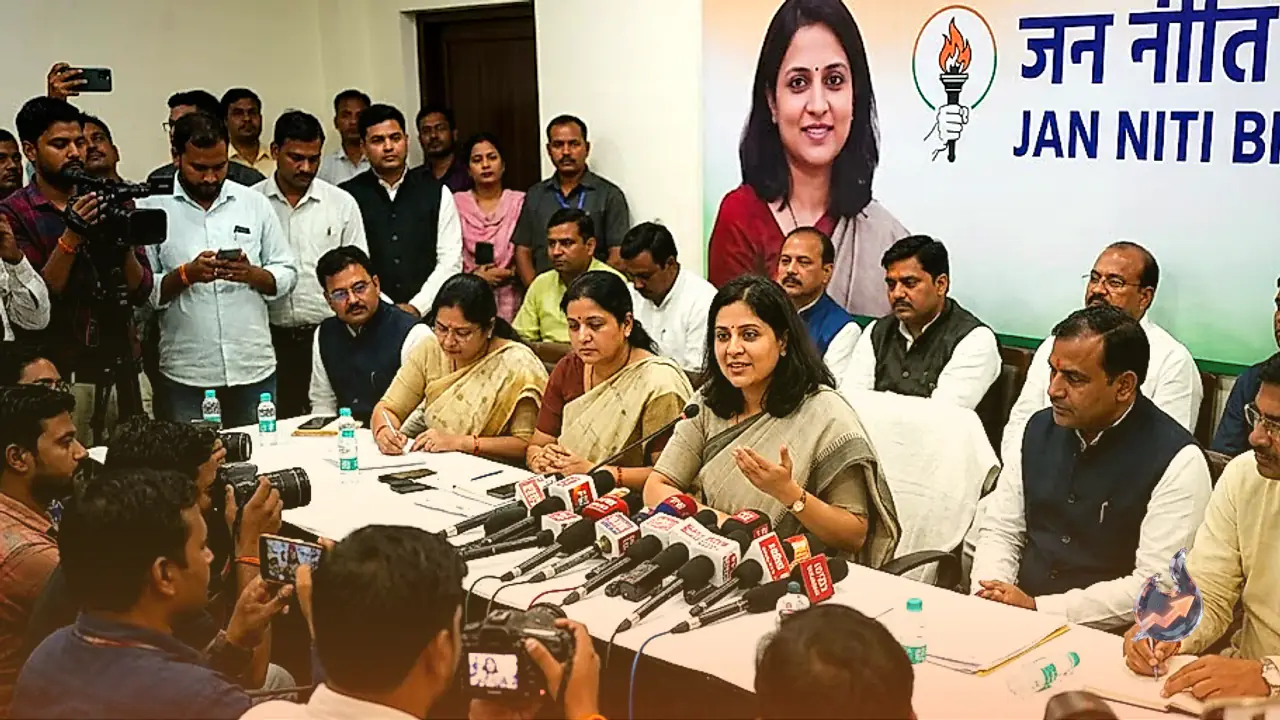
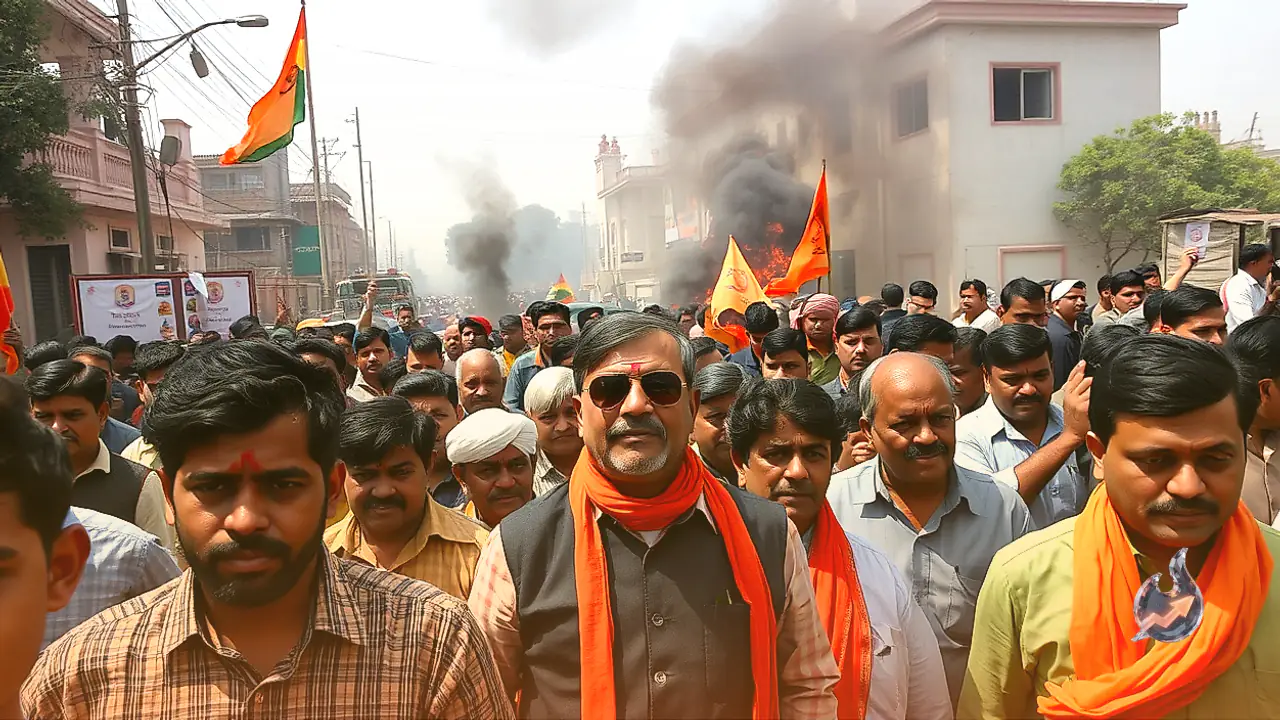














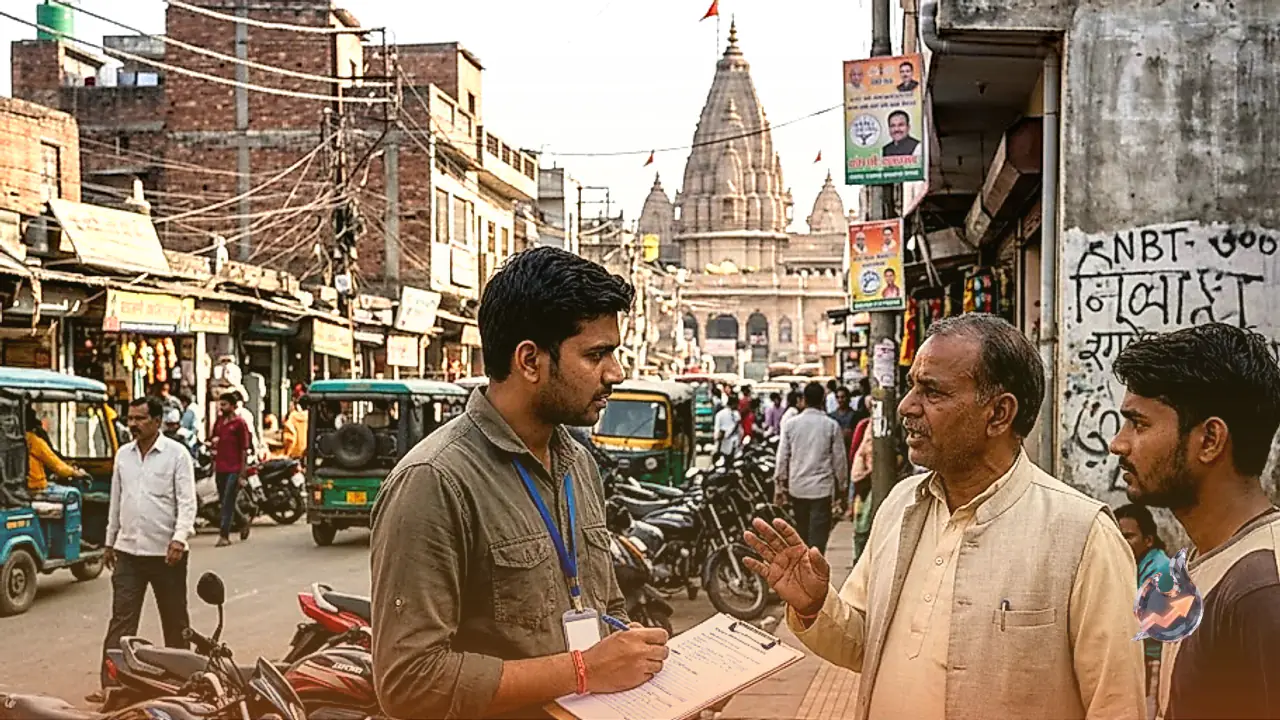

Ahead of the upcoming political developments and elections in Uttar Pradesh, a comprehensive mega opinion poll has brought to light crucial findings gathered directly from the ground across all districts of the state. During this extensive exercise, citizens were asked a series of pointed questions regarding governance, local issues, and sensitive topics such as alleged irregularities in the Ram Temple donations. When voters were directly questioned about who they consider responsible for these financial discrepancies, the resulting statistics revealed diverse opinions and deep public scrutiny concerning institutional accountability and transparency.
Temple Trust Officials and Shared Complicity Under Public Scrutiny
The survey data regarding the accountability for Ram Temple donation irregularities highlights distinct categories of public blame directed at various levels of management. According to the findings, nearly 31 percent of the respondents pointed fingers directly at the officials of the temple trust, holding them primarily accountable for the situation. Furthermore, 25 percent of the participants expressed the belief that the issue involves a collective complicity and shared responsibility among all involved parties. Meanwhile, 21 percent of the surveyed citizens placed the blame squarely on the employees and contractors tasked with handling the funds, demonstrating widespread concern over how financial operations and management were executed.
Extensive Methodology and Statewide Reach Across All 75 Districts
This massive opinion poll was conducted through meticulous on-ground interactions spanning the entire state, ensuring that voices from remote villages to major urban centers were properly captured. Field teams engaged directly with a total of 30,925 individuals across all 75 districts of Uttar Pradesh between September 17 and October 2, 2026. The demographic composition of the participants was carefully structured to include citizens aged 18 and above, featuring a participation rate of 76 percent men and 24 percent women. The survey captured a diverse cross-section of society, including farmers, traders, laborers, salaried professionals, and the younger demographic, reflecting a holistic view of public sentiment.
Diverse Demographics and Educational Backgrounds Represented in the Survey
The scope of the opinion poll extended far beyond basic voting preferences, diving deep into the socio-economic fabric and educational strata of the state's population. The data accounted for specific occupational and educational segments to understand how different groups perceive ongoing political and administrative matters. Among the participants, individuals engaged in non-agricultural wage labor accounted for 5.5 percent of the sample, bringing crucial working-class perspectives into the discussion. Additionally, educated participants holding graduate or postgraduate degrees made up 21.4 percent of the respondents, adding an analytical layer to the comprehensive public review.