



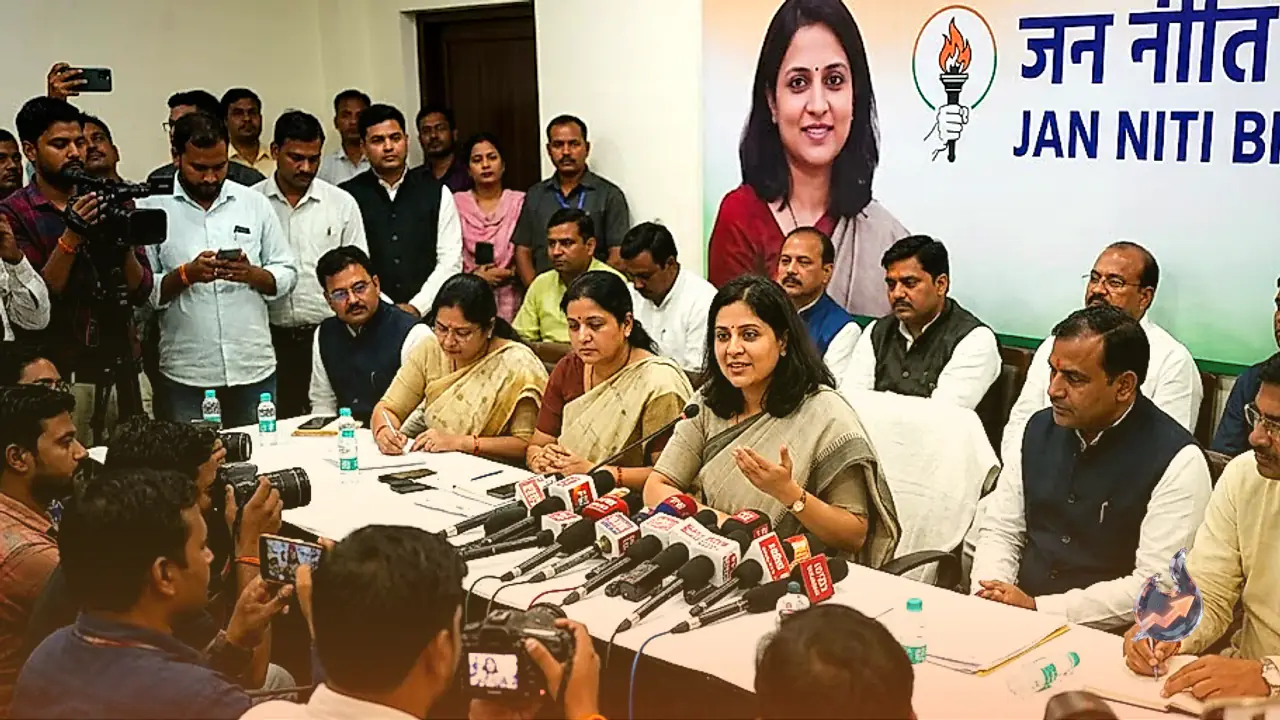














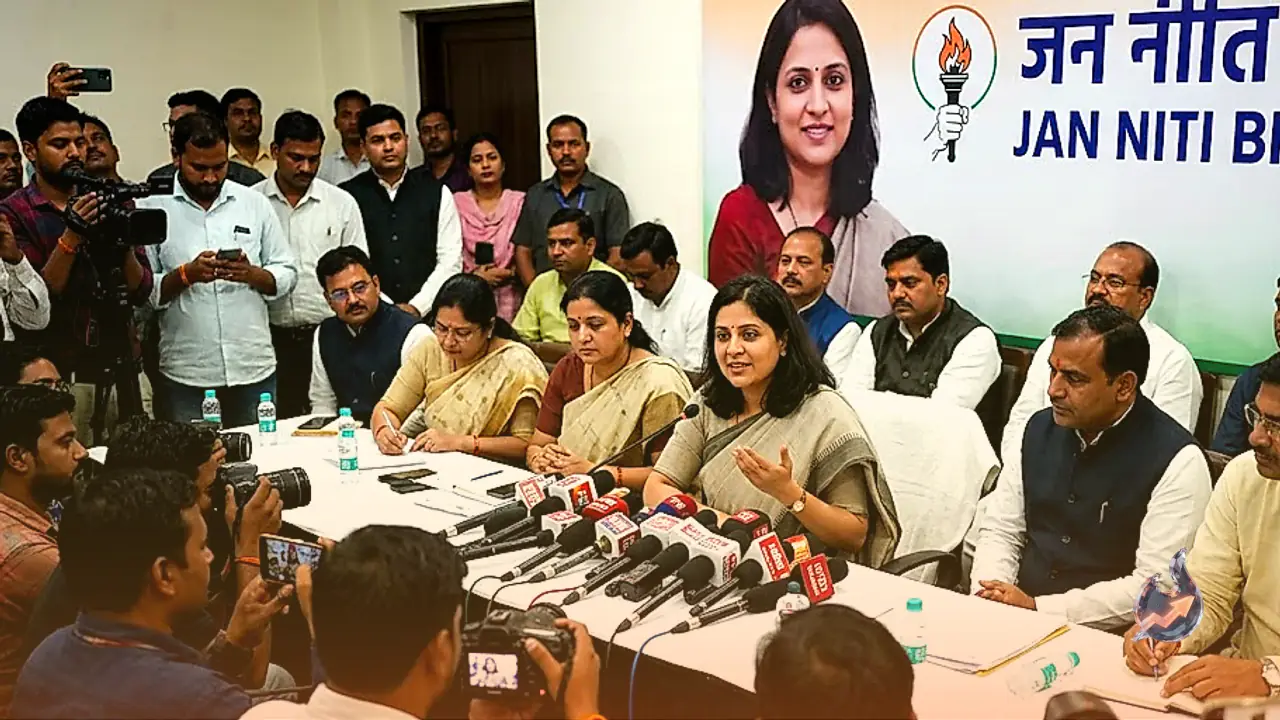

The transition of bureaucrats from government service to the rough and tumble of electoral politics has long been fraught with uncertainty. Former Uttar Pradesh cadre IAS officer Divya Mittal has taken the plunge by resigning from her post and launching a brand new political outfit named Jan Niti Bharat. This move has triggered widespread discussions on whether an officer's administrative reputation and public goodwill can genuinely be converted into ballot box victories. With her declaration to contest the upcoming 2027 Uttar Pradesh assembly elections, questions are being raised about whether her political venture can rewrite the state's political equations.
The Gap Between Administrative Image and Electoral Reality
Divya Mittal formally announced her political party on October 15, 2026. She earned considerable fame during her bureaucratic tenure for successfully supplying drinking water to the remote Lahuriadah village in Mirzapur. However, executing government schemes effectively is vastly different from building a grassroots political organization and convincing voters to elect a candidate. A strict administrative image, a tough stance against corruption, or viral social media popularity do not automatically translate into political support. Examining the historical trajectories of previous bureaucrats who traded their uniforms and official files for political careers reveals the stark realities of this transition.
The Electoral Fates of Shivdeep Lande and Other Officials
Several high-profile officers in the past chose to leave government service to test the political waters, only to face unexpected hurdles. Former Bihar IPS officer Shivdeep Lande gained immense popularity due to his aggressive policing style, earning him the moniker of Bihar's Singham. After stepping down from service, he contested the 2025 Bihar assembly elections as an independent candidate from both the Araria and Jamalpur constituencies. Unfortunately, he tasted defeat on both seats, managing to secure 15,655 votes in Jamalpur alone.
From Shah Faisal to Jayaprakash Narayan
In January 2019, former Jammu and Kashmir IAS officer Shah Faisal resigned to enter politics, subsequently founding the Jammu and Kashmir Peoples Movement. His political journey proved to be short-lived; following his release from detention, he distanced himself from the party and officially returned to the IAS in April 2022, currently serving in various departments in Jammu and Kashmir. On a different note, former IAS officer Dr. Jayaprakash Narayan left the civil services in 1996 to focus on governance reforms, eventually founding the Lok Sattar party. His political venture achieved moderate success when he was elected as an MLA from the Kukatpally assembly constituency in Andhra Pradesh in 2009, though his party failed to secure any seats in the general elections that year.
RCP Singh and K Annamalai's Political Experiments
Another prominent example from Bihar is former IAS officer RCP Singh, who became a close associate of Nitish Kumar and served as a Union Minister and national president of the Janata Dal United. Following political differences, he left the party, joined the BJP, and later launched his own outfit named Aap Sabki Awaaz Party. However, just before the 2025 Bihar assembly elections, he merged his party into Prashant Kishor's Jan Suraaj Party. Similarly, former IPS officer and former Tamil Nadu BJP chief K Annamalai resigned from the BJP to launch a political movement called We The Leaders.
The Road Ahead for Divya Mittal in Mirzapur
Divya Mittal has announced plans to contest the 2027 elections from Mirzapur. She now faces the daunting task of building a political organization from scratch and connecting directly with the electorate. Past precedents clearly indicate that an officer's popular image and strict administrative actions do not serve as a guarantee for electoral triumph. Voters in an election prioritize local issues, candidate accessibility, grassroots organization, and complex social equations over mere bureaucratic prestige. Whether Divya Mittal and her newly formed party can navigate these political complexities remains to be seen.